
Shrubs
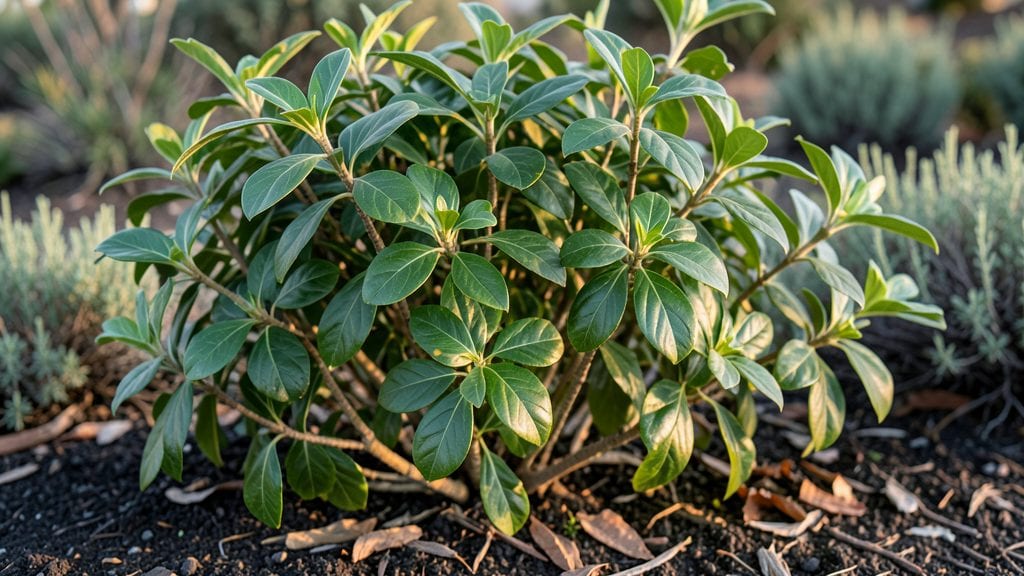
Fuschia plants not flowering? That’s the heartbreaking moment when all that lush foliage feels like a missed opportunity. 🌿 I’ve nursed back more than a few fuschias from leafy stalks to cascading blooms, and the fixes are simpler than you’d think—often just a tweak in light, food, or timing.
The key is understanding what fuschias actually need to shift from survival mode to showstopper blooms.
Most fuschias starve for sunlight, especially in shady spots where they bulk up leaves but skip the flowers. Others get overpruned or overfed, sending energy to wrong places. The good news? These plants bounce back fast—once you address the root cause.
Start with a quick check: Are they getting 4-6 hours of morning sun? Are you fertilizing with the right balance of phosphorus for blooms? A little adjustment can trigger flowers in just 2-3 weeks.
You’ll see the first buds forming within weeks of making the right changes—think deep pink, purple, or white cascades where there was once just green. The secret isn’t fancy products but matching their care to their natural rhythm. Let’s turn those leafy stalks into a floral spectacle before summer’s over.
Works for hanging baskets, patio pots, or garden beds—no matter where your fuschias live. The fixes are universal, and the payoff is instant gratification. Ready to revive those blooms?
The Hidden Reasons Flowers Skip
Fuschias are known for their vibrant, cascading blooms—but when they refuse to flower, it’s usually a sign that something fundamental is off. Understanding the root causes (literally and figuratively) is the first step to coaxing those showstopping flowers back.
Let’s break down the science behind why your fuschia might be playing hard to bloom.
Fuschias are not tropical plants—they need a period of cool temperatures (50–60°F / 10–15°C) for 4–8 weeks to trigger flowering. Without this "rest," they stay in a vegetative growth phase, focusing on leaves instead of buds.
- Why it happens: Most fuschias are semi-deciduous or deciduous, meaning they rely on seasonal temperature shifts to reset their growth cycle. If your plant never gets below 60°F (15°C), it stays in "summer mode" indefinitely.
- Actionable fix:
- Move potted fuschias to a cool, bright location (like a garage or unheated porch) in fall/winter.
- For outdoor plants, prune back growth in late summer to encourage dormancy.
- Use a grow light timer to simulate shorter days (12 hours of light max) if indoors.
Pro tip: 🌡️ Some fuschia varieties (like F. magellanica) need longer chill periods—check your specific type for exact needs.
Fuschias are sun-worshippers but with boundaries. Too little light = leggy, weak growth. Too much direct sun (especially in hot climates) = sunburned leaves and stunted buds.
| Problem | Signs | Fix |
|---|---|---|
| ⚡ Over-exposure | Brown leaf edges, curled leaves, buds dropping | Move to morning sun + afternoon shade (or filter light with sheer curtains). |
| 🌑 Under-lighting | Long, sparse stems, pale leaves, no buds | Place in bright, indirect light (east-facing window or grow lights 12–14 hrs/day). |
Pro tip: 🌿 Variegated fuschias need even more light—they can’t photosynthesize as efficiently.
Fuschias are thirsty but hate soggy roots. Water stress—whether from drought or root rot—halts flowering as the plant focuses on survival.
- Why it happens:
- Underwatering: Buds drop, leaves crisp, and the plant conserves energy by stopping reproductive growth.
- Overwatering: Roots suffocate, leading to nutrient uptake failure—critical for flower development.
- Actionable fix:
- Water when the top 1–2 inches of soil are dry (stick your finger in—don’t guess!).
- Use well-draining soil (add perlite or orchid bark to potting mix).
- Avoid letting plants sit in waterlogged saucers—empty excess within 10 minutes.
Pro tip: 💡 Mulch with bark or straw to retain moisture without suffocating roots.
Fuschias are heavy feeders, and without the right nutrients, they’ll prioritize foliage over flowers. The big offenders?
- Low phosphorus (P): The "flower power" nutrient. Without it, buds won’t even form.
- Magnesium deficiency: Causes yellowing between leaf veins, weakening the plant’s energy reserves.
- Nitrogen overload: Leads to leafy growth at the expense of blooms.
Actionable fix:
- Switch to a balanced fertilizer (10-10-10 or 5-10-10) with extra phosphorus. Use every 4–6 weeks in growing season.
- Add Epsom salt (1 tbsp/gallon of water) monthly for magnesium if leaves yellow.
- Avoid slow-release fertilizers—fuschias need consistent feeding.
Pro tip: ✨ Fish emulsion (high in nitrogen) is great for foliage, but switch to a bloom booster (like 7-9-5) when buds appear.
Fuschias hate being cramped. When roots circle the pot or get restricted, the plant stops flowering to focus on escaping its container.
- Why it happens:
- Roots grow faster than the plant can support, leading to stress hormones that inhibit blooming.
- Small pots overheat roots in summer, causing shock and bud drop.
- Actionable fix:
- Repot into a container 2–3 inches larger in diameter every 1–2 years.
- Use a terracotta pot (breathable) for better root health.
- If repotting isn’t an option, trim roots gently and refresh soil annually.
Pro tip: 🌱 Prune back 1/3 of the plant when repotting to encourage bushier growth (more blooms!).
Most of these issues are easily reversible—once you address the root cause (pun intended), your fuschia will bounce back with vibrant, abundant blooms in weeks. Next up: Quick fixes to try today to see results fast!
Revitalize Your Fuchsia Blooms Now
Now that you understand the common reasons behind your fuchsia’s reluctance to flower, it’s time to roll up your sleeves and take action! With a few targeted fixes, you can coax those vibrant blooms back in just a few weeks.
Below, we’ve mapped out practical solutions based on the most likely causes—plus pro tips to keep your fuschia thriving long-term.
If your fuchsia is basking in too much direct sun or hiding in too much shade, it’s time to find the Goldilocks zone.
How to Fix It: 🔥 Move it to partial shade – Fuchsias love bright, indirect light. Place them near a window with sheer curtains or under a dappled shade tree (think 4–6 hours of morning sun max). 🍳 Rotate the pot weekly – If your fuchsia is leaning toward the light, gently turn the pot ¼ turn each week to encourage even growth and prevent sunburn. 👨🍳 Use sheer curtains or a shade cloth – If you’re growing indoors, place a light, breathable curtain over south-facing windows to diffuse harsh rays.
Prevention Tips: ✨ Monitor leaf color – Yellowing or crispy edges? That’s a sign of too much sun. Dark, glossy leaves mean it’s thriving in the perfect spot. 🌡️ Avoid deep shade – If your fuchsia is tucked in a corner with no natural light, supplement with a grow light (12–14 hours/day) to mimic spring conditions.
Overwatering or underwatering can both stunt blooms. Let’s get the moisture balance just right!
How to Fix It: 🔥 Check soil moisture before watering – Stick your finger 1–2 inches into the soil. If it’s dry, it’s time to water. If it’s soggy, wait a day or two. 🥘 Water at the base, not the leaves – Use a watering can with a narrow spout to avoid wetting foliage, which can lead to fungal issues. ⏰ Water in the morning – This gives the plant time to absorb moisture before evening humidity sets in, reducing the risk of root rot.
Prevention Tips: 💡 Use well-draining soil – Mix in perlite or sand to improve aeration. Fuchsias hate soggy roots! 🎯 Adjust for seasons – In winter, reduce watering by half. In summer, you may need to water every 1–2 days, depending on heat.
A fuchsia that’s all leaves and no blooms might just be hungry—or eating the wrong food!
How to Fix It: 🔥 Switch to a bloom-boosting fertilizer – Use a balanced liquid fertilizer (10-10-10 or 20-20-20) during the growing season (spring to fall). For extra floral power, try a high-phosphorus formula (like 5-10-5) every 2–3 weeks. 🍳 Fertilize in the morning – This gives the plant time to absorb nutrients before the heat of the day. 👨🍳 Flush the soil occasionally – Every 4–6 weeks, water thoroughly to rinse out excess salts that can build up in potted plants.
Prevention Tips: 💪 Avoid heavy nitrogen – Too much nitrogen (like lawn fertilizer) promotes lush leaves but few flowers. Stick to bloom-specific formulas! 🥗 Slow down in winter – Reduce or stop fertilizing in late fall and winter when growth slows.
Deadheading and strategic pruning can trick your fuchsia into producing more flowers—plus, it keeps the plant tidy!
How to Fix It: 🔥 Deadhead spent blooms – Snip off faded flowers just above a set of leaves to encourage new buds. Use clean, sharp scissors to avoid damaging stems. 🍳 Prune leggy stems – If your fuchsia is stretching too tall, cut back the longest stems by ⅓ to promote bushier growth and more flowers. 👨🍳 Pinch back new growth – In early spring, pinch off the tips of young stems to encourage branching and a fuller plant.
Prevention Tips: 🌡️ Prune after flowering – For trailing varieties, prune lightly after the first flush of blooms to keep them compact. ✨ Avoid over-pruning – Never cut more than ⅓ of the plant at once, or you’ll stress it out.
If your fuchsia is struggling with inconsistent temperatures, a little shock therapy can wake it up!
How to Fix It: 🔥 Move it outdoors for a week – If you’re growing indoors, place your fuchsia on a shaded patio or balcony for 5–7 days to acclimate to outdoor temps. 🍳 Bring it back inside gradually – Avoid sudden temperature drops. If nighttime temps fall below 50°F (10°C), bring it in before dawn. 👨🍳 Use a heat mat (indoors) – If your home is drafty, place the pot on a self-regulating heat mat (set to 60–65°F) to keep roots warm in winter.
Prevention Tips: 🎯 Avoid cold drafts – Keep potted fuchsias away from doors, windows, or AC vents. 💡 Monitor humidity – Dry air can stress plants. Use a pebble tray with water or a humidifier nearby to keep levels steady.
Final Pro Tip: 🌟 Patience is key! Fuchsias often need 4–6 weeks to respond to changes. Stick with your new routine, and you’ll be rewarded with a cascade of blooms in no time. Happy growing!
Frequently asked questions
Why does my fuschia grow leaves but no flowers?
Fuschias prioritize leafy growth when stressed or missing key triggers like 4-6 hours of morning sun or a cool winter rest period (50-60°F). Too much nitrogen fertilizer or crowded roots also push energy toward foliage instead of blooms. Start by adjusting light exposure and fertilizing with a phosphorus-rich formula to shift focus to flowers.
How often should I fertilize fuschias for blooms?
Use a balanced liquid fertilizer (10-10-10) every 4-6 weeks during growing season (spring-fall). For extra blooms, switch to a high-phosphorus formula (5-10-5) when buds appear. Avoid fertilizing in winter when growth slows. Flush soil every 4-6 weeks to prevent salt buildup.
Can fuschias bloom indoors without natural sunlight?
Yes, but they need 12-14 hours of artificial grow light daily to mimic spring conditions. Place plants near east-facing windows for natural light, then supplement with LED grow lights if needed. Variegated varieties require even more light—keep them within 6 inches of the light source for best results.
What do I do if my fuschia's buds keep dropping?
Bud drop usually signals stress from temperature swings, overwatering, or poor air circulation. Move the plant to a stable 60-75°F environment, reduce watering, and ensure pots have drainage holes. Avoid cold drafts near windows or AC vents. If roots are crowded, repot into a container 2-3 inches larger to relieve stress.
Are some fuschia varieties more prone to not flowering?
Yes! Variegated fuschias often struggle more due to their lower energy production from white leaf sections. F. magellanica varieties need longer chill periods (6-8 weeks below 60°F) than tropical hybrids. Dwarf varieties may also skip blooms if roots are too restricted—repot them annually for best results.