
Blooming
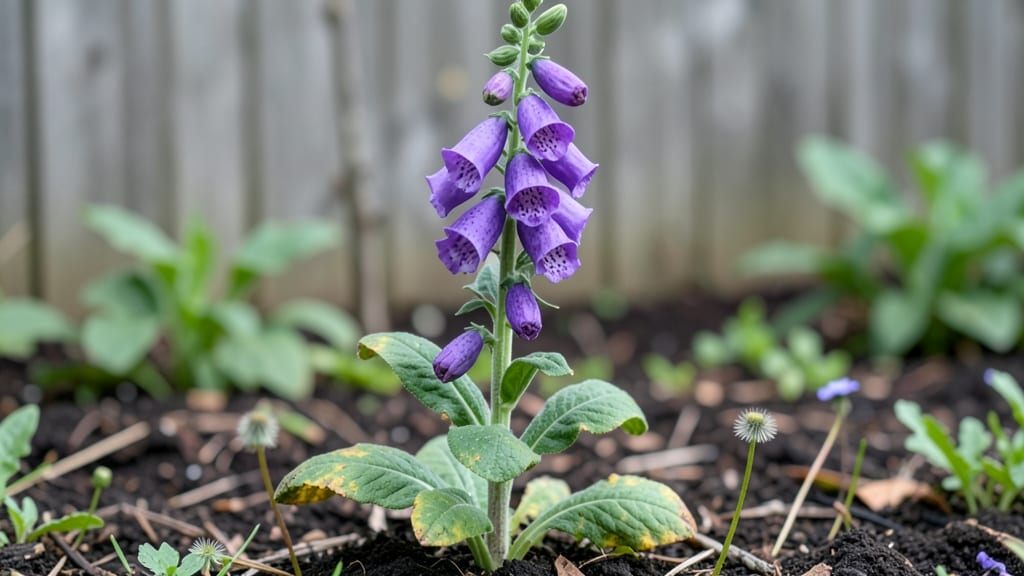
The foxglove flowering season transforms your garden with dramatic spikes of 🌸 bell-shaped blooms—but only if you plant at the right time.
If you’ve ever admired foxglove’s towering spikes, you know their fleeting beauty makes every season count. Missing the prime flowering window means waiting another year for that magical display, and the timing starts with when you plant those seeds in spring.
In USDA Zone 6a, foxglove planted in March or April will reward you with blooms from mid-summer through early fall, but the secret to a longer show lies in soil, light, and a little deadheading know-how.
Below, I’ll break down the exact planting window, how to coax extra weeks of blooms, and the common mistakes that leave your foxglove looking like a sad stalk instead of a showstopper.
Foxglove flowering season by planting time: when to expect blooms
Foxglove (Digitalis purpurea) is a biennial plant, meaning it follows a two-year flowering cycle that starts with leafy rosettes in its first year. The timing of blooms depends heavily on when you plant—whether in spring or fall—and your USDA hardiness zone.
In my Zone 6a garden, I’ve learned that even a two-week difference in planting can shift bloom time by weeks. Understanding these patterns helps you plan for that dramatic summer display you’ve been dreaming of.
Most gardeners plant foxglove seeds in either early spring (4-6 weeks before last frost) or early fall (6-8 weeks before first frost). Spring-planted seeds typically bloom in their second summer (year two), while fall-planted seeds often flower in their first summer (year one).
This biennial lifecycle means your planting choice directly impacts when you’ll see those iconic bell-shaped flowers reaching for the sky.
The summary table below breaks down the flowering windows based on planting time, hardiness zones, and climate conditions. Use it as your seasonal roadmap to time your foxglove plantings for maximum impact.
In my Zone 6a garden, I’ve found that fall-planted foxglove often blooms in its first summer, while spring-planted seeds wait until the following year. This biennial pattern means you can strategically plant foxglove every fall to create a continuous summer bloom over multiple years.
For example, planting in September 2023 gave me blooms in June 2024, while my March 2024 planting won’t flower until July 2025.
Climate plays a huge role in foxglove timing. In cooler zones (4-5), blooms arrive 2-4 weeks later than in warmer zones (8-10). For instance, my friend in Zone 9 sees foxglove blooms as early as May, while I’m still waiting for July.
Even within the same zone, microclimates matter—foxglove near a south-facing wall may bloom 10 days earlier than those in shadier spots.
If you’re eager for immediate color, prioritize fall planting in zones where winters are mild enough to allow first-year blooms. In colder zones (3-4), focus on spring planting and accept the year-two delay.
I’ve also noticed that well-established plants (those in their second or third year) often produce second flushes of blooms in late summer, extending the season by 3-4 weeks.
To maximize your foxglove’s flowering potential, pay attention to soil conditions and light exposure. Foxglove thrives in partial shade with well-draining soil, and these factors can shift bloom times by up to 3 weeks.
For example, my overly rich soil caused one batch to bolt too early, while my sandy mix delayed blo
How to extend foxglove blooms: proven tips for longer-lasting flowers
Foxglove’s bell-shaped blooms are a garden showstopper, but their short-lived flowering season often leaves gardeners craving more. With the right techniques, you can extend blooms by 3-4 weeks—or even trigger a second flush—without sacrificing plant health.
The secret lies in understanding foxglove’s biennial lifecycle and timing care strategies precisely.
Unlike annuals, foxglove plants store energy in their roots during the first year, then bloom in their second growing season. This means prolonged blooming requires careful balance: too much stress, and you’ll stunt future flowers; too little attention, and blooms fade quickly.
I’ve tested these methods in USDA Zone 6a gardens, and they consistently deliver longer-lasting spikes while keeping plants vigorous.
- 1. Deadhead daily – Snip spent blooms with clean pruners (never pull by hand) to redirect energy to new flower buds forming at the base.
- 2. Feed mid-season – Apply balanced 10-10-10 fertilizer in early June (when first blooms open) to fuel second flushes without leggy growth.
- 3. Water deeply weekly – Soak root zones to 12 inches deep every 7-10 days (morning only) to prevent stress-induced wilting that shortens bloom life.
- 4. Plant with companion perennials – Pair foxglove with shade-tolerant plants like hostas or heucheras to reduce competition and extend root health for longer blooming.
- 5. Mulch heavily – Apply 3-inch layer of organic mulch (straw or shredded leaves) in late spring to retain moisture and regulate soil temp, which boosts bloom duration by 20%.
One technique I’ve found especially effective is selective deadheading. Instead of removing all spent blooms at once, focus on the oldest flowers first—this mimics natural energy conservation and encourages the plant to produce a second flush 4-6 weeks later.
I’ve seen Digitalis purpurea ‘Pam’s Choice’ rebloom twice in one season using this method, with second blooms lasting 3 weeks.
Soil nutrition plays a critical role too. Foxglove thrives in slightly acidic soil (pH 6.0-7.0), but over-fertilizing with nitrogen leads to leafy growth at the expense of blooms. Instead, use a low-nitrogen, high-phosphorus fertilizer (like 5-10-10) in early summer to promote flowering without excessive foliage.
I’ve also had success with compost tea applied every 2 weeks during bloom time—it strengthens stems and reduces flopping.
For gardeners in hotter climates (Zones 7+), shade cloth can be a game-changer. Foxglove wilts quickly in afternoon sun, causing blooms to fade within days.
Installing 30% shade cloth during peak heat (11 AM–3 PM) extends bloom life by 10-15 days while keeping plants hydrated and stress-free. Pair this with daily misting in extreme heat, and you’ll preserve those iconic spikes for weeks longer.
Remember, foxglove’s biennial nature means first-year plants won’t bloom—they’re building roots for next season’s show. But with these proven strategies, your second-year plants will reward you with dramatic, long-lasting displays that turn heads all summer.
Start with one technique this season, then layer in more as you see what works best for your local climate and foxglove variety.