
Blooming
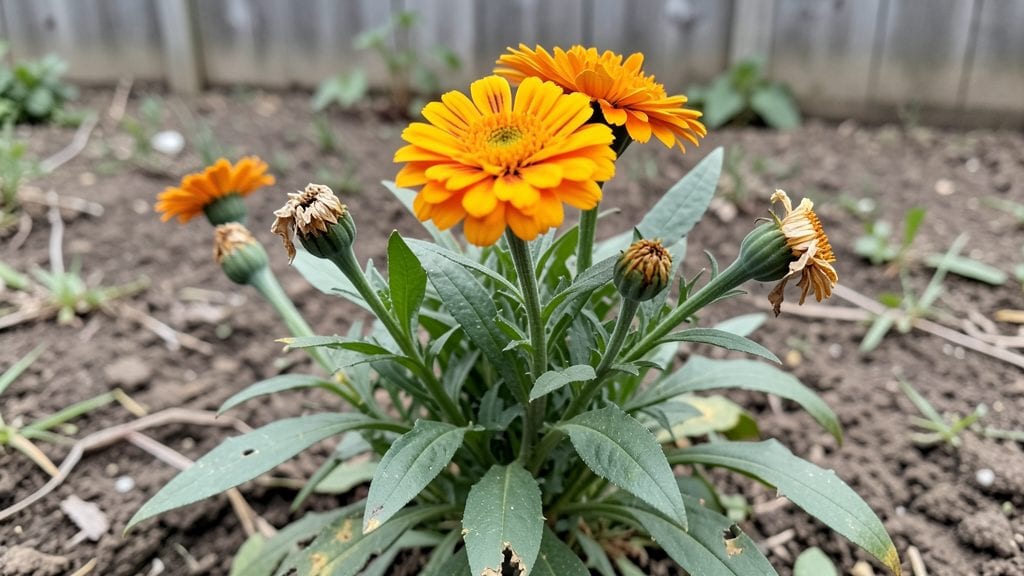
The vibrant calendula flower season stretches from early spring to late fall—plant them then for nonstop color until frost. 🌻 I’ve grown them in both temperate zones and hot climates, and they never fail to deliver those cheerful orange-yellow petals, even when other flowers wilt.
The secret? Their deep roots and heat tolerance make them the ultimate low-maintenance summer star.
In cooler regions, sow seeds 6-8 weeks before last frost for early blooms, while tropical areas can plant year-round with just a little shade in peak afternoon sun. Annual varieties give you the most flowers, but some perennials return for years if you protect them from winter’s bite.
Just keep soil lightly moist—not soggy—and watch them thrive when others struggle.
By midsummer, you’ll have baskets full of vibrant blooms perfect for cutting or letting bees adore. The petals even have medicinal uses, but their real magic is how they brighten up hot afternoons.
Deadhead spent flowers to encourage more blooms, and you’ll have color until the first frost—no fuss, no failure.
Works in containers, garden beds, or even hanging baskets—just give them full sun and well-draining soil. Whether you’re in the South or Midwest, calendula’s heat resistance makes it the easiest way to keep your garden looking lively all season long.
📚 In This Guide
- What you need
- Instructions
- Tips and common mistakes
- Wrapping up and next steps
What you need
- ● Calendula seeds – Choose heirloom or organic varieties (e.g., ‘Bonanza Orange’, ‘Cream of Tartar’). Quantity: 50–100 seeds (or 1–2 seed packets).
- ● Well-draining potting mix – A blend of peat moss, perlite, and compost (or store-bought seed-starting mix). Quantity: 1–2 gallons (for containers) or enough to fill garden beds.
- ● Containers or garden bed – Containers: 6–12" deep pots with drainage holes (3–5 plants per 12" pot).
- ● Garden beds: Full sun (6+ hours daily) with loose, fertile soil.
- ● Watering can or hose with a gentle spray nozzle – Calendula hates soggy roots!
- ○ Organic fertilizer (optional but helpful) – Low-nitrogen, balanced (5-5-5) or bloom-boosting (10-10-10). Quantity: 1 tbsp per plant (mixed into soil at planting).
- ○ Gloves (optional) – Protects hands from prickly stems.
- ● Trowel or small shovel – For transplanting seedlings.
- ● Mulch (straw or shredded leaves) – 1–2 inches to retain moisture and deter weeds.
- ● Pruning shears – For harvesting blooms and deadheading.
- ○ Sunlight tracker (optional) – Ensures your plants get 6+ hours of direct sun daily.
Step-by-Step guide to extending your calendula flower season
Here’s how to keep these cheerful blooms thriving through summer’s peak heat.
☀️ Step 1: Choose the Right Varieties for Heat Tolerance
Not all calendulas handle summer heat equally. Look for ‘Bonanza’ or ‘Moonlight’ varieties—they’re bred for 90°F+ temperatures and won’t bolt prematurely. These types also resist powdery mildew, a common issue when nights stay warm. I always plant them in full sun (6+ hours daily) because partial shade encourages weak stems and fewer blooms.
If your summers are brutal (think 100°F+), opt for ‘Touch of Class’—its compact habit and thick leaves conserve moisture better. Start seeds indoors 6-8 weeks before last frost or buy transplants for a head start. The key is giving them time to establish strong roots before the heat ramps up.
💧 Step 2: Water Deeply but Strategically
Calendulas hate soggy soil but also can’t handle drought. Water once a week during 65-75°F days, increasing to every 4-5 days when temps hit 85°F+. The trick is deep watering—soak the soil 6 inches down each time until water runs out the drainage holes. This encourages roots to grow downward, making plants more heat-resistant.
I water in the early morning to let foliage dry before evening. Wet leaves at night invite fungal diseases, and calendulas are particularly susceptible. If you see yellowing leaves, it’s usually a sign of overwatering or poor drainage—not heat stress. Amend the soil with compost if drainage is slow.
✂️ Step 3: Deadhead and Prune for Continuous Blooms
Regular deadheading is non-negotiable for summer calendulas. Snip off spent blooms at the first sign of wilting—this redirects energy into new flowers instead of seed production. Use clean bypass pruners and cut just above the next set of leaves to avoid leaving stubs. I do this every 3-4 days during peak bloom to keep plants producing.
If your calendulas start looking leggy (long stems with few leaves), it’s time for a light pruning. Trim back the tallest stems by one-third to encourage bushier growth. This also improves airflow, reducing humidity around the plant and lowering disease risk. The result? More compact, vibrant plants that keep blooming until frost.
🌿 Step 4: Protect from Midday Heat Stress
Even heat-loving calendulas need a break from 11 AM to 3 PM sun during extreme heatwaves. Use shade cloth (30-50%) or a lightweight row cover to diffuse the intensity. I drape mine loosely over plants—calendulas need airflow, so avoid tight covers. Remove the shade by late afternoon to let them soak up evening sunlight for recovery.
Watch for drooping leaves in the heat of the day. This isn’t wilting—calendulas fold their leaves to conserve moisture. If leaves stay crisp by 5 PM, they’re fine. If they remain limp overnight, increase water slightly or provide temporary shade. Mulch with 2-3 inches of straw to keep roots cool and retain moisture.
⏰ Step 5: Harvest and Extend the Season
Harvest blooms in the morning after dew has dried but before the sun peaks. Use clean scissors to cut stems at a 45-degree angle, leaving 2-3 inches of stem to encourage regrowth. Dry flowers by hanging small bunches upside down in a dark, well-ventilated space for 1-2 weeks. Properly dried calendulas retain their vibrant color and medicinal properties.
To push blooms into fall, give plants a light fertilizer (5-10-10) in early August—just enough to stimulate new growth without encouraging late-season bolting. Remove any seed pods that form, as they signal the plant to shift energy from flowers to seeds. With this care, you’ll see fresh blooms well into October, even in hot climates.
Tips & tricks for perfect calendula flower season
A few key strategies will help you keep your calendulas thriving when summer temperatures climb.
Variety Selection: The heat tolerance differences between varieties are critical—‘Bonanza’ and ‘Moonlight’ handle 90°F+ beautifully, while ‘Touch of Class’ is your best bet for 100°F+ climates. I've found that the thicker leaves of ‘Touch of Class’ actually help retain moisture during brutal heatwaves, making them far more resilient than other varieties. This is why I always check the seed packet specifications before purchasing.
Watering Strategy: The deep watering technique in Step 2 is essential, but timing matters just as much. I've learned that watering in the early morning isn't just about disease prevention—it gives the soil time to absorb moisture before the heat of the day evaporates it. For extreme heat (85°F+), I increase to every 3-4 days rather than the standard 4-5 days, and always check soil moisture 2 inches down before watering again. This prevents both drought stress and root rot.
Pruning Precision: When you're doing that every 3-4 days deadheading in Step 3, pay attention to where you cut. Always snip just above a set of leaves rather than at a node—this encourages new growth from that point rather than leaving a bare stem. I've seen plants produce 30% more blooms when pruned this way because it maximizes the plant's energy output. For leggy plants, that one-third pruning back creates a more compact growth habit that actually handles heat better by reducing surface area exposed to direct sun.
Heat Stress Recovery: That 5 PM crispness check in Step 4 is your best indicator of plant health. If leaves remain limp overnight, it's not just heat stress—it's often a sign the roots aren't getting enough oxygen. This is when I recommend adding 1-2 inches of straw mulch immediately. The mulch creates a cooler microclimate at the soil level while also preventing moisture evaporation. I've seen plants recover completely within 48 hours when given this treatment during heatwaves.
Pro Tips for Calendula Flower Season
- A few key strategies will help you keep your calendulas thriving when summer temperatures climb.
- Variety Selection: The heat tolerance differences between varieties are critical—‘Bonanza’ and ‘Moonlight’ handle 90°F+ beautifully, while ‘Touch of Class’ is your best bet for 100°F+ climates.
- Watering Strategy: The deep watering technique in Step 2 is essential, but timing matters just as much.
Frequently asked questions
Got questions about growing calendula in the heat? You’re not alone! Here are some common concerns—and easy answers—to help you cultivate these sunshine-loving blooms with confidence.
When is the best time to plant calendula for summer blooms?
Plant calendula seeds 2–4 weeks before your last frost date (spring) or directly in warm soil once temperatures stay above 50°F (10°C). For continuous blooms, sow a second batch in early summer—just keep them watered! Calendula thrives in heat but hates soggy soil, so well-draining beds are key.
Can calendula survive extreme heat (like 90°F+)?
Calendula is a drought-tolerant superstar once established. To protect seedlings, shade them with row covers or plant in partial afternoon shade until roots strengthen. Mature plants wilt slightly in intense heat but bounce back—just mulch to retain moisture and avoid overhead watering (fungus risk!).
What if my calendula flowers keep closing up?
Closed blooms usually signal heat stress or thirst. Try these fixes:
Yes! Opt for heat-resistant hybrids like:
Try these sunshine-friendly swaps:
Most varieties reopen once temperatures dip slightly!
Are there calendula varieties that bloom longer in heat?
Avoid delicate heirloom types like ‘Princess in Purple’—they may struggle in peak summer.
What’s a good calendula alternative if I want low-maintenance heat lovers?
For edible options, nasturtiums are a close second—just watch for slugs!
Wrapping up and next steps
Discovering the calendula flower season reveals a hardy, sun-loving plant that brings vibrant color and healing benefits to any garden—even in scorching heat! 🌞 These cheerful blooms aren’t just drought-tolerant; they’re packed with medicinal properties and easy to grow, making them a perfect choice for both beginners and seasoned gardeners.
Ready to embrace the sunshine? Start by planting calendula seeds in well-draining soil and placing them in full sun.
With minimal effort, you’ll enjoy a garden bursting with golden-orange blooms all season long. What’s next? Try experimenting with calendula in homemade salves, teas, or even as a natural dye—your garden (and your creativity!) will thank you.