
Flowers
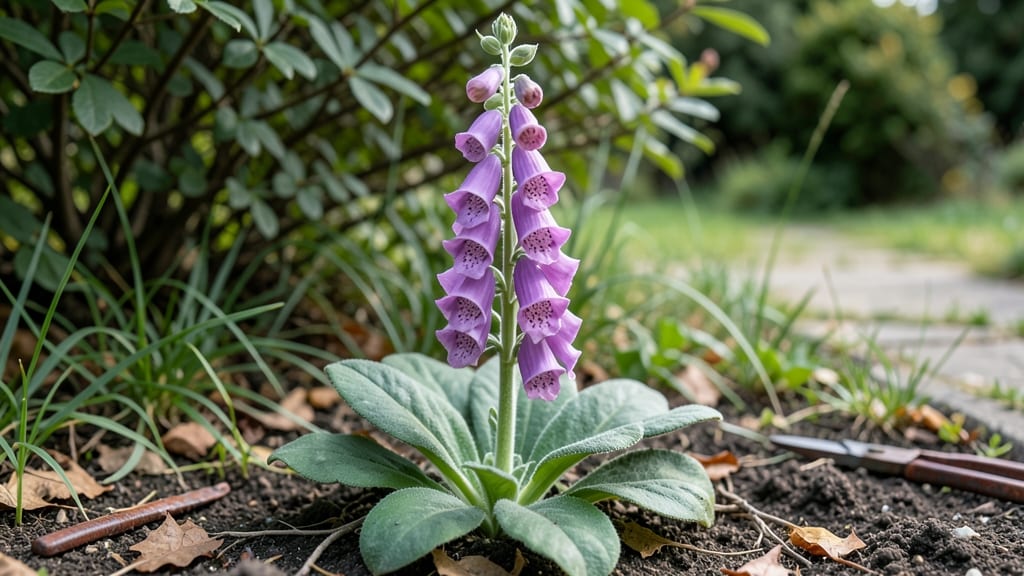
Growing fox bell flower transforms any sunny spot into a cottage-garden dream with its delicate bell-shaped blooms and silvery foliage. 🌿 I planted mine last spring after struggling with floppy, short-lived perennials—and now they spread effortlessly, returning every year with minimal care.
The key is matching their love of well-drained soil and full sun to your garden’s conditions.
This hardy plant thrives in USDA zones 3-8, making it perfect for cool climates where many perennials struggle. You’ll need 6-12 inches of spacing between plants and a sunny location with at least 6 hours of direct light daily.
Watering is simple: keep soil evenly moist during the first growing season, then let it dry slightly between waterings once established.
By midsummer, you’ll see clusters of pale lavender or white bells rising above the foliage, followed by seed pods that add winter interest. Prune back faded blooms in early fall to encourage fresh growth, and watch them bounce back stronger next spring.
The varieties like ‘Alba’ or ‘Telekii’ bring different heights and bloom times to your garden.
Combine fox bell flower with catmint, lavender, or Russian sage for a low-maintenance pollinator magnet. If slugs appear, handpick them at dusk—their soft stems bruise easily, so avoid chemical sprays.
With this care routine, your plants will reward you with years of effortless beauty and a garden that stays lively from spring through winter.
What Triggers Poor Bloom
If your foxglove bellflower (often called fox bell flower) isn’t putting on its signature show of nodding, bell-shaped blooms, the culprit is usually tied to its fundamental growing needs.
These plants are finicky about their environment, and small missteps can lead to disappointment. Let’s break down the science behind why your plant might be skipping its floral performance.
The fox bell flower is a sun-worshipper—it thrives in full sun (6+ hours of direct light daily). When deprived, it shifts energy from blooming to survival, producing fewer or no flowers.
- Why it happens: Insufficient sunlight disrupts photosynthesis, reducing energy reserves stored as carbohydrates in the roots. These reserves fuel flower production. Without enough light, the plant prioritizes leaf growth over blooms.
- Actionable fix:
- Move your plant to a south-facing window or a spot with minimal obstructions (like trees or buildings).
- Use grow lights (12–16 hours/day) if indoors or in low-light climates.
- Monitor for etiolation (long, weak stems) or pale leaves—a clear sign of light deficiency.
Fox bell flowers are drought-tolerant but hate soggy roots or dry spells. Both extremes stress the plant, triggering a physiological drought response that halts flowering.
- Why it happens:
- Overwatering: Saturated soil cuts off oxygen to roots, leading to root rot and nutrient uptake failures. The plant diverts energy to repairing damage instead of blooming.
- Underwatering: Dry soil triggers abscisic acid production, a stress hormone that signals the plant to conserve water—often by dropping buds or stunting growth.
- Actionable fix:
- Water when the top 1–2 inches of soil are dry (stick your finger in to test!).
- Ensure pots have drainage holes and use well-draining soil (mix in perlite or sand).
- Avoid letting the plant sit in saucers of water.
Fox bell flowers are cool-season plants—they bloom best in spring and fall when temperatures are mild (50–75°F). Heatwaves or sudden cold snaps can shock the plant into dormancy or bud drop.
- Why it happens:
- Heat stress: Temperatures above 85°F disrupt pollinator activity (bees and hummingbirds avoid them) and cause buds to abort before opening.
- Cold snaps: Frosts below 20°F damage tissue, and sudden temperature drops confuse the plant’s florigen (the hormone that triggers blooming).
- Actionable fix:
- Provide afternoon shade in hot climates (use a sheer curtain or lattice).
- Mulch the base with straw or wood chips to regulate soil temperature.
- If growing in pots, move them to a protected spot (like a garage or under an eave) during extreme weather.
These plants prefer moderate fertility. Over- or under-feeding disrupts the balance of nitrogen (N), phosphorus (P), and potassium (K), which directly affects flowering.
- Why it happens:
- Excess nitrogen: Promotes leafy growth at the expense of flowers. The plant prioritizes vegetative growth, delaying or preventing blooms.
- Phosphorus deficiency: Phosphorus is critical for energy transfer and root development. Without it, buds fail to form or open.
- Potassium deficiency: Weakens cell walls, making buds prone to dropping or failing to thrive.
- Actionable fix:
- Use a balanced fertilizer (10-10-10 or 5-10-5) sparingly—once in early spring and again after blooming.
- Avoid high-nitrogen feeds (like lawn fertilizers) designed for grass.
- Amend soil with compost or bone meal (for phosphorus) if blooms are sparse.
Hidden pests or fungal infections sap the plant’s energy, leaving it too weak to produce flowers. Common culprits include aphids, spider mites, and powdery mildew.
- Why it happens:
- Pests: Aphids and mites suck sap, reducing photosynthesis. The plant redirects resources to healing damaged leaves, skipping blooms.
- Fungal diseases: Powdery mildew clogs stomata (leaf pores), blocking gas exchange. This triggers systemic stress, halting flower development.
- Actionable fix:
- Inspect leaves weekly for pests (use a magnifying glass). Spray with neem oil or insecticidal soap if needed.
- Improve air circulation around plants to prevent mildew (space them 12–18 inches apart).
- Remove infected leaves immediately and dispose of them in the trash (not compost).
Pro Tip: 💡 Keep a growing journal to track light, water, and fertilizer changes. Note when buds form or drop—this helps pinpoint patterns (e.g., "No blooms after July heatwaves").
Fixing Common Fox Bell Flower Woes
Growing fox bell flowers (Rehmannia glutinosa or Mertensia virginica, depending on the variety) can be incredibly rewarding, but even the hardiest plants occasionally face challenges. The good news? Most issues have simple, practical solutions—let’s tackle them head-on.
If your fox bell flower’s leaves turn yellow, droop, or develop mushy stems, root rot is likely the culprit—usually from soggy soil or overzealous watering.
How to Fix It: ✅ 🔥 Step 1: Check the Soil
- Stick your finger 1–2 inches deep into the soil. If it feels damp or clings to your fingers, your plant is getting too much water.
- Test drainage: Fill a container with water and place it near your plant. If water pools on top after 30 minutes, your soil is compacted.
✅ 👨🍳 Step 2: Adjust Watering Habits - Fox bell flowers prefer moderate moisture but hate soggy roots.
Water only when the top 1–2 inches of soil are dry (usually every 5–7 days in warm weather, less in winter). - Pro tip: 💡 Use a moisture meter or the "squeeze test"—if soil crumbles easily, it’s dry enough.
✅ 🥘 Step 3: Improve Drainage
- If planting in containers, add perlite or coarse sand (20–30%) to potting mix.
- For garden beds, amend soil with compost or raise plant beds slightly to encourage runoff.
✅ ⏰ Step 4: Trim Damaged Foliage
- Snip off yellow or blackened leaves with clean pruners to prevent further rot.
Prevention Tips:
- 🌡️ Mulch lightly (1–2 inches) to retain moisture without suffocating roots.
- ✨ Choose well-draining soil (sandy loam or loamy soil mixes work best).
- 🎯 Avoid planting in low spots where water pools after rain.
If your fox bell flower stretches tall and thin with sparse foliage, it’s craving more sunlight. These plants thrive in full sun (6+ hours daily) but can tolerate partial shade—though they’ll reward you with vibrant blooms and bushier growth when happy.
How to Fix It: ✅ 🔥 Step 1: Assess Light Conditions
- Move your plant to a sunnier spot (east or south-facing is ideal).
- If indoors, place near a south-facing window or use grow lights (12–14 hours/day).
✅ 🍳 Step 2: Prune for Bushiness
- Trim overly elongated stems by 1/3 to encourage branching.
- Pinch back new growth tips to promote fuller growth.
✅ 👨🍳 Step 3: Fertilize Gently
- Use a balanced, water-soluble fertilizer (10-10-10) once in early spring to boost energy.
- Avoid heavy feeding—fox bell flowers prefer moderate nutrients, not excess.
Prevention Tips:
- 💡 Plant in full sun from the start (they’re sun-lovers!).
- ✨ Rotate containers (if potted) every few weeks for even light exposure.
- 🌱 Monitor growth—if stems stretch, act fast before they become woody.
Soft, tender fox bell flowers can attract sap-sucking pests (like aphids) or chewing slugs, especially in humid climates.
How to Fix It: ✅ 🔥 Step 1: Identify the Pest
- Aphids: Tiny green/black bugs clustering on stems or undersides of leaves.
- Spider mites: Fine webbing + speckled yellow leaves.
- Slugs/snails: Irregular holes in leaves, slimy trails at dawn.
✅ 🍳 Step 2: Remove Pests Manually
- Aphids/mites: Spray with soapy water (1 tsp mild dish soap + 1 quart water) or neem oil (1 tsp neem oil + 1 quart water + drop of soap).
- Slugs: Set up beer traps (bury a shallow dish filled with beer) or use copper tape around pots.
✅ 👨🍳 Step 3: Encourage Natural Predators
- Attract ladybugs or lacewings by planting dill, marigolds, or yarrow nearby.
- ✨ DIY spray: Blend garlic + water, strain, and spray on leaves (pests hate it!).
Prevention Tips:
- 🌡️ Water in the morning to reduce humidity (pests love dampness).
- 🎯 Inspect plants weekly—catch infestations early!
- 💡 Use row covers for slug-prone areas.
If your fox bell flower puts out leaves but no blooms, it’s usually due to over-fertilization, shade, or stress.
How to Fix It: ✅ 🔥 Step 1: Reduce Fertilizer
- Too much nitrogen = leafy growth, no flowers. Switch to a low-nitrogen, high-phosphorus fertilizer (like 5-10-5) to encourage blooming.
✅ 🍳 Step 2: Ensure Full Sun
- Move the plant to a sunnier location (even 4–6 hours of direct sun can trigger flowers).
✅ 👨🍳 Step 3: Prune for Airflow
- Trim crowded or dead foliage to improve circulation and reduce stress.
Prevention Tips:
- ✨ Deadhead spent blooms to encourage new flowers.
- 🌱 Plant at the right time—fox bell flowers often bloom in spring or early summer.
- 🎯 Avoid transplant shock—stressed plants delay flowering.
If your fox bell flower is severely wilted, diseased, or dying, don’t give up—sometimes a reset is all it needs.
✅ 🔥 Step 1: Check Roots
- Gently remove the plant and trim black/mushy roots with sterilized scissors.
- Replant in fresh, well-draining soil (add perlite for extra aeration).
✅ 🍳 Step 2: Adjust Care Routine
- Water lightly for 2 weeks to avoid shocking roots.
- Move to indirect light for recovery (direct sun can stress weak plants).
✅ 👨🍳 Step 3: Monitor & Support
- Use rooting hormone if replanting bare-root cuttings.
- Protect from pests with a light neem oil spray weekly until fully recovered.
Prevention Tips:
- 💡 Always use clean tools when pruning to prevent disease spread.
- ✨ Keep an eye on weather—sudden cold snaps or heatwaves can stress plants.
- 🌱 Start fresh if needed—sometimes propagation (via cuttings) is easier than saving a struggling plant.
With these fixes, your fox bell flower should bounce back stronger than ever—ready to dazzle with its bell-shaped blooms and lush foliage all season long! 🌸✨
Frequently asked questions about fox bell flowers
What’s the best way to propagate fox bell flowers?
Fox bell flowers spread easily through seed or division. For seeds, collect mature pods in late summer, sow them in fall or early spring, and keep soil moist until germination (typically 2-3 weeks). For division, split clumps in early spring or fall—dig up the plant, separate the roots, and replant sections 12 inches apart.
Why are my fox bell flowers wilting even with regular watering?
Wilting often signals overwatering or poor drainage. Fox bell flowers prefer moderately moist but well-draining soil. Check for soggy roots—if the soil stays damp for more than 24 hours, improve drainage by adding perlite or sand. Also, ensure pots have drainage holes to prevent root rot.
Can fox bell flowers grow in containers, and what size pot should I use?
Yes! They thrive in containers but need at least a 12-inch-wide pot for mature plants. Use a well-draining potting mix and ensure the pot has drainage holes. Place containers in full sun and water when the top 1-2 inches of soil dry out. Repot every 2-3 years to refresh the soil.
How do I encourage more blooms on my fox bell flower?
To boost blooms, ensure your plant gets full sun (6+ hours daily) and moderate fertility. Deadhead spent flowers regularly to redirect energy to new blooms. Avoid over-fertilizing—use a balanced, low-nitrogen fertilizer (like 5-10-5) in early spring. Prune back leggy stems in late winter to promote bushier growth.
Are fox bell flowers deer-resistant?
While they’re not fully deer-proof, fox bell flowers are moderately deer-resistant due to their mild toxicity. Deer may nibble on them, especially in late winter when other food is scarce. To deter them, plant in well-lit areas or surround with deer-resistant plants like lavender or Russian sage. A physical barrier (like fencing) works best for heavy browsing.