
Flowers
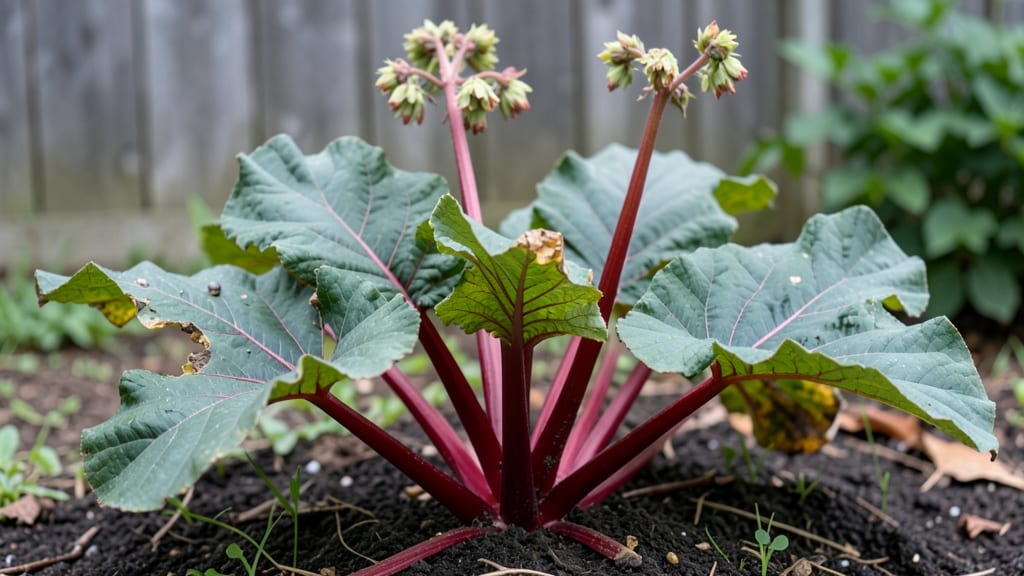
Growing red rhubarb with its striking edible flowers is like having a double harvest in one plant. 🌿 I’ve grown regular rhubarb for years, but the deep red blooms of varieties like ‘Victoria’ or ‘Mertens Grande’ take the experience to another level—both beautiful and useful.
The flowers taste tart like the stalks, and the plants produce lush harvests with minimal fuss once you know the tricks.
The secret starts with well-draining soil rich in organic matter—think compost mixed into the top 12 inches. Red rhubarb thrives in full sun (6+ hours daily) and tolerates colder climates better than most varieties, making it perfect for zones 3-8.
Water consistently but avoid soggy roots, and you’ll see those vibrant red blooms appear in late spring or early summer, depending on your region.
By midseason, you’ll have both edible flowers for salads or syrups and tender stalks for baking. The flowers add a pop of color to plates, while the stalks stay crisp and productive. Just be ready to harvest both—flowers reduce stalk production, so balance is key for a steady crop.
This plant is surprisingly low-maintenance once established, and the dual harvest makes it a standout in any garden. Whether you’re growing for beauty, food, or both, red rhubarb delivers year after year with almost no drama. Let’s get those roots in the ground!
📚 In This Guide
- What you need
- Instructions
- Tips and common mistakes
- Wrapping up and next steps
What you need
- ● Red rhubarb plant (Rheum rhabarbarum ‘Red Stem’) – Choose a healthy, disease-free specimen from a nursery or grow from seed (slower but rewarding!).
- ● Well-draining soil – A mix of 60% topsoil, 30% compost, and 10% coarse sand or perlite (rhubarb hates soggy roots!).
- ● Full sun location – At least 6–8 hours of direct sunlight daily for optimal flower production.
- ● Balanced organic fertilizer – A 10-10-10 or 5-5-5 NPK ratio (apply in early spring and mid-summer).
- ● Mulch (straw or wood chips) – 2–3 inches thick to retain moisture and suppress weeds.
- ● Watering can or hose with a gentle spray nozzle – Rhubarb needs 1–1.5 inches of water weekly (more in extreme heat).
- ● Pruners (sterilized) – Sharp, bypass pruners for harvesting leaves and deadheading spent flowers.
- ○ Gloves (optional but recommended) – Rhubarb leaves contain oxalic acid (mildly toxic if ingested in large amounts).
- ● Soil pH test kit – Ideal pH for rhubarb: 6.0–6.8 (adjust with lime or sulfur if needed).
- ● Epsom salt (magnesium sulfate) – 1 tablespoon per plant every 4–6 weeks for vibrant foliage.
- ● Cage or trellis – If your variety grows tall (some ornamental rhubarbs do!), provide support.
- ● Companion plants – Try borage, thyme, or lettuce to deter pests naturally.
- ● Floral preservative spray – Extends the life of cut red rhubarb flowers for bouquets!
Step-by-Step guide to growing red rhubarb with edible flowers
Here's how to cultivate this dual-purpose plant for both vibrant blooms and classic stalks.
🌱 Step 1: Select and Prepare the Planting Site
Choose a location with full sun to partial shade—at least 6 hours of sunlight daily. Red rhubarb thrives in well-draining soil with a pH between 6.0 and 7.0. If your soil is heavy clay, mix in 2-3 inches of compost to improve drainage and fertility. I always test my soil first—rhubarb hates soggy roots, and poor drainage leads to rot.
Work the soil to a depth of 12 inches, removing any rocks or debris. If your soil is sandy, add a layer of organic matter like leaf mold or well-rotted manure to retain moisture. The goal is loose, crumbly soil that lets roots spread easily. Avoid fresh manure—it burns tender rhubarb roots.
🌿 Step 2: Plant Crowns at the Right Depth and Spacing
Plant rhubarb crowns in early spring or early fall, when the soil is cool but workable. Dig a hole 12-18 inches deep and place the crown so the top of the root is just 1 inch below soil level. Press the soil gently around the crown to eliminate air pockets—this encourages strong root growth.
Space plants 3 feet apart in all directions. Crowding leads to competition for nutrients and increases the risk of disease. I like to add a 2-inch layer of mulch around each plant right after planting to suppress weeds and retain moisture. Use straw or shredded leaves—never wood chips, which can compact over time.
☀️ Step 3: Water and Fertilize for Healthy Growth
Water newly planted rhubarb deeply once a week during the first growing season, providing 1-1.5 inches of water each time. Let the top 2 inches of soil dry out between waterings—overwatering causes crown rot. Once established, rhubarb is drought-tolerant but produces better stalks with consistent moisture.
In early spring, apply a balanced organic fertilizer (like 10-10-10) at ½ the recommended rate. Too much nitrogen leads to leafy growth at the expense of stalks. I also side-dress with composted manure in early spring to boost fertility naturally. Avoid fertilizing in late summer—it encourages tender new growth that won’t survive winter.
✂️ Step 4: Harvest Stalks and Encourage Flowering
Wait 2-3 years before harvesting stalks to give the plant time to establish strong roots. Cut stalks at the base when they’re 8-10 inches tall and ½ inch thick, leaving the leaves intact. Never harvest more than ⅓ of the stalks in the first year—this ensures the plant has energy to regrow. I always harvest in early spring before the plant sends up flower stalks.
To encourage edible flowers, allow some stalks to bloom. The flowers are mild and tart, perfect for garnishes or syrups. Once flowers appear, you can harvest them by cutting the entire stalk at the base. If you want to save seeds, leave a few flower stalks to mature—each flower produces small, red seeds. Just be prepared for the plant to focus energy on seed production rather than stalk growth.
🪴 Step 5: Protect and Maintain Through the Seasons
In winter, mulch the crowns with 4-6 inches of straw or leaves to insulate roots from freezing temperatures. Remove the mulch in early spring as new growth appears. Rhubarb is hardy to USDA Zone 3, but young plants may need extra protection in colder climates.
Divide mature plants every 4-5 years to rejuvenate growth. Dig up the crown in early spring and separate it into smaller sections, each with 2-3 buds. Replant the divisions immediately—rhubarb roots are sensitive to drying out. This step keeps your plants productive and prevents disease buildup in the soil.
Tips & tricks for perfect red rhubarb flower cultivation
Here's what I've learned after growing red rhubarb for years—these tricks will help you avoid common pitfalls and maximize both your edible flowers and stalks.
Soil Preparation is Everything: In Step 1, don't skip the soil test! I've seen beginners skip this and end up with poor drainage that leads to crown rot. If your soil pH is below 6.0, add a handful of lime to raise it—rhubarb won't thrive in acidic soil. For heavy clay, mix in that 2-3 inches of compost and work it deep—this isn't just about drainage, it's about giving roots room to spread. Think of it like preparing a cozy bed for your plant's roots to grow strong.
Planting Depth Matters More Than You Think: When planting crowns in Step 2, that 1-inch depth below soil level is critical. I've seen people bury them too deep, which smothers the crown, or too shallow, which exposes it to temperature swings. Press the soil firmly around the crown to eliminate air pockets—this prevents the roots from drying out and encourages rapid growth. A good trick is to use your fingers to create small channels for roots to grow into.
Watering Wisdom for First-Year Plants: During the first growing season, that weekly deep watering in Step 3 is non-negotiable. I've learned the hard way that skipping watering leads to weak stalks. Use a rain gauge or tuna can to measure exactly 1-1.5 inches of water—this ensures you're not overwatering while still providing enough moisture. Let that top 2 inches dry out between waterings, but don't let it get bone dry. Think of it like giving your plant a long drink rather than frequent sips.
Harvesting Strategy for Maximum Yield: In Step 4, that 2-3 year wait before harvesting is crucial—it's the difference between a productive plant and one that struggles. When harvesting stalks, always leave the leaves intact—they photosynthesize and feed the roots. For flowers, harvest the entire stalk at the base to encourage more blooms. I've found that if I let too many flowers go to seed, my stalk production drops dramatically the next year. It's all about balance!
Pro Tips for Red Rhubarb Flower
- Here's what I've learned after growing red rhubarb for years—these tricks will help you avoid common pitfalls and maximize both your edible flowers and stalks.
- Soil Preparation is Everything: In Step 1, don't skip the soil test!
- Planting Depth Matters More Than You Think: When planting crowns in Step 2, that 1-inch depth below soil level is critical.
Frequently asked questions
Got questions about growing and enjoying red rhubarb flowers? You’re not alone! Here are some of the most common queries—plus quick, practical answers to help you cultivate this stunning (and edible!) plant with confidence.
Can I eat red rhubarb flowers?
Yes! Rheum rhabarbarum flowers are edible and prized for their tart, slightly spicy flavor—similar to the stalks but with a delicate, floral twist. Use them sparingly in salads, syrups, or as a garnish. Always confirm the plant is pesticide-free before consuming.
When do red rhubarb flowers bloom?
Flowers typically appear in late spring to early summer (May–June in most U.S. zones 3–8), right after the plant finishes its first harvest. For earlier blooms, choose early-maturing varieties like ‘Victoria’ or provide partial shade to delay flowering slightly.
What should I do if my red rhubarb isn’t flowering?
Lack of flowers often means the plant is focused on leaf/stalk growth. Try these fixes:
- Harvest fewer stalks in the first year to let energy go to flowers.
- Ensure it gets full sun (6+ hours/day)—shady spots reduce blooms.
- Avoid over-fertilizing with nitrogen (too much = leafy growth, fewer flowers).
Are red rhubarb flowers edible for pets?
No! While safe for humans, red rhubarb flowers (and leaves) are toxic to pets due to oxalic acid. Keep your furry friends away from the plant, especially the leaves and roots. Stick to pet-safe flowers like marigolds or nasturtiums if you’re gardening with animals.
Can I use red rhubarb flowers in place of other edible flowers?
Their vibrant color and tangy flavor make them a showstopper in cocktails, jams, or desserts. Pair them with:
- Citrus (balances tartness)
- Honey or vanilla (softens flavor)
- Cheese (like goat cheese) (complements earthy notes)
Pro Tip:
Harvest flowers in the morning when they’re freshest. Snip stems just above a leaf node to encourage more blooms. Bonus: The buds (still closed) are the most flavorful!
Wrapping up and next steps
Growing red rhubarb flowers is a rewarding journey that blends beauty with edibility—who knew one plant could deliver both? 🌸 From their striking blooms to their tangy stalks, these hardy perennials offer versatility and charm for gardeners of all levels.
Whether you’re harvesting petals for salads or admiring their vibrant displays, your efforts will pay off in lush, productive plants.
Ready to take the next step? Start small—try planting a few rhubarb crowns this spring and experiment with their culinary or ornamental uses. Share your progress with fellow gardeners or even join a local gardening group for tips and inspiration. Happy growing!