
Tools
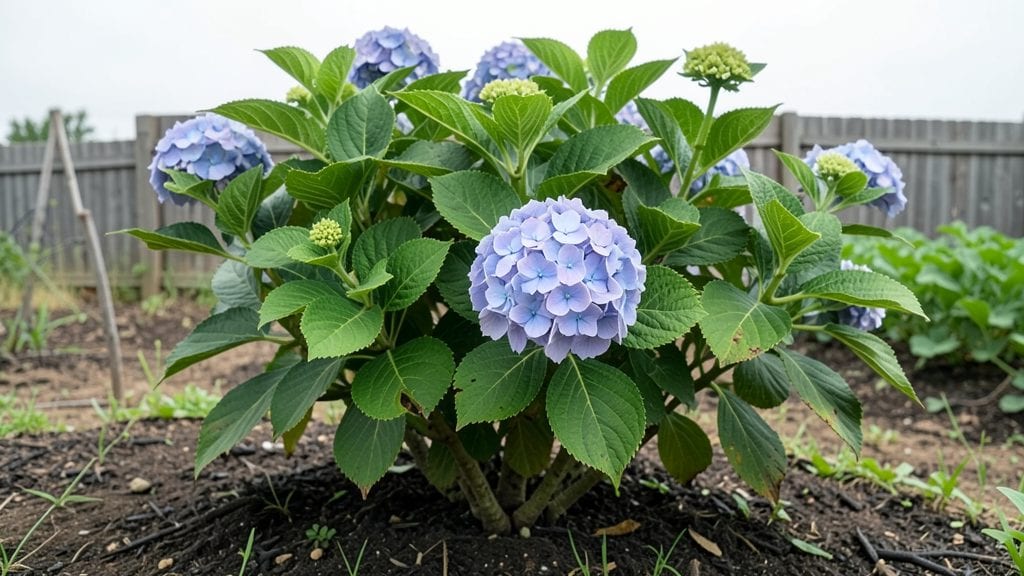
A hydrangea flower garden transforms any space into a lush, ever-changing canvas where every season brings new drama. 🌸 I’ve designed mine to shift from frosty blues in spring to fiery pinks by summer, all while keeping the foliage rich and textured year-round.
The secret lies in mixing varieties—mopheads for bold statement blooms, lacecaps for delicate texture, and panicle types for late-season interest.
You don’t need a big yard to make this work. Containers on a patio or a single border along a fence can create the same impact. Just match your hydrangeas to light: most thrive in morning sun and afternoon shade, while panicle types handle full sun better.
The soil? Amend with compost and a handful of sulfur or lime to tweak that blue-pink color shift—it’s like painting with nature’s palette.
By late summer, your garden will hum with bees and butterflies, and the blooms will last well into fall if you deadhead spent flowers. The foliage turns papery gold in winter, adding texture even when flowers fade.
Pruning in late winter keeps plants healthy and encourages those showstopping blooms—no more guessing when to cut.
This approach works for small urban gardens, cottage-style borders, or even a single dramatic container. The key is layering varieties and colors so there’s always something stunning, whether you’re sipping coffee in June or admiring frost-kissed stems in November.
📚 In This Guide
- What you need
- Instructions
- Tips and common mistakes
- Wrapping up and next steps
What you need
- ● Hydrangea plants: 3–5 mature plants (varieties like Bigleaf (H. macrophylla), Panicle (H. paniculata), or Oakleaf (H. quercifolia) for diversity). Choose container-grown (1–2 gallon pots) or bare-root (dormant season) options.
- ● Well-draining soil: Mix 1 part peat moss or coconut coir, 1 part perlite, and 2 parts garden soil (or use pre-mixed acidic pH soil for Bigleaf varieties). Test soil pH (ideal: 5.5–6.2 for blue/purple blooms; 6.5+ for pink).
- ● Organic mulch: 3–4 inches of pine bark, wood chips, or straw to retain moisture and regulate temperature.
- ○ Slow-release fertilizer: 10–10–10 NPK (or hydrangea-specific) applied twice/year (spring/fall). Optional: Alum for blue blooms (follow package instructions).
- ● Watering system: Drip irrigation or soaker hose (hydrangeas need 1–1.5 inches/week; more in containers).
- ● Pruning tools: Bypass pruners (for clean cuts on stems ¼–½ inch above buds).
- ● Loppers (for thicker stems, 1–2 inch cutting capacity).
- ● Hand saw (for stubborn branches).
- ● Garden gloves (heavy-duty, nitrile-coated for thorns).
- ● Trowel or spade (for planting/digging).
- ● Wheelbarrow (for moving soil/mulch).
- ● pH test kit (digital or liquid test strips).
- ● Measuring tape (to space plants 3–6 feet apart, depending on variety).
- ● Container gardeners: Large pots (15+ gallons) with drainage holes + self-watering trays.
- ● Color-changing hacks: Lime (for pink blooms) or sulfur (for blue; adjust pH gradually).
- ● Support structures: Stakes or cages for Panicle hydrangeas (they can get top-heavy!).
- ● Seasonal care: Frost cloth (for winter protection in colder zones) or shade cloth (30–50%) for hot climates.
- ● Design tools: Garden markers or stakes to plan spacing before planting.
How to design a stunning hydrangea flower garden
Here's my go-to approach for planting and maintaining hydrangeas that burst with color all season.
🌱 Step 1: Choose the Perfect Planting Spot
Hydrangeas thrive in partial shade—think morning sun with afternoon shade—especially in hotter climates. I always plant mine where they get 4-6 hours of sunlight daily, but avoid harsh afternoon rays that can scorch leaves. Test your spot by placing a plant there for a week first—if leaves wilt by midday, it's too sunny.
They also love moist, well-draining soil with a pH between 5.2 and 6.0 for blue blooms (or 6.0-7.0 for pink). If your soil is heavy clay, mix in 2-3 inches of compost from your list to improve drainage. Dig a hole twice as wide as the root ball but only as deep—planting too deep suffocates roots.
🪴 Step 2: Plant Hydrangeas at the Right Depth
Remove the plant from its container and loosen the roots gently if they're circling. Place it in the hole so the top of the root ball sits level with the soil surface—never bury the stem. This ensures proper airflow and prevents rot. Backfill with the native soil mixed with 1 cup of slow-release fertilizer from your supplies.
Water deeply right after planting to settle the soil and eliminate air pockets. You'll know it's right when water drains evenly from the bottom of the hole. Mulch around the base with 2-3 inches of organic mulch, keeping it 3 inches away from the stem to prevent moisture buildup that causes rot.
✂️ Step 3: Prune for Season-Long Blooms
Prune bigleaf hydrangeas in late winter or early spring before new growth starts. Cut back 1/3 of the oldest stems to the ground—these are the ones that bloomed last year. Leave the newest stems alone; they'll produce flowers on this season's growth. For panicle or smooth hydrangeas, prune in late winter to shape the plant and remove dead wood.
Use clean, sharp pruners to make cuts at a 45-degree angle just above a leaf node. Avoid leaving stubs—this invites disease. After pruning, water deeply to help the plant recover. You'll see fresh, vibrant growth within 2-3 weeks, signaling the pruning was successful.
💧 Step 4: Water and Feed for Vibrant Color
Hydrangeas need consistent moisture—1-1.5 inches per week—especially during blooming season. I water mine deeply twice a week and more often in heatwaves. Check soil moisture by sticking your finger 2 inches deep; if it feels dry, it's time to water. Avoid wetting the leaves to prevent fungal diseases like powdery mildew.
Feed your hydrangeas once in early spring with a balanced, slow-release fertilizer (like the one in your supplies) and again in mid-summer for a second flush of blooms. You'll notice richer colors and fuller blooms within 4-6 weeks of fertilizing. For blue blooms, add aluminum sulfate to the soil every 2-3 months—just follow the package instructions.
☀️ Step 5: Maintain Year-Round Interest
Deadhead spent blooms in late summer to encourage new flowers on some varieties. For bigleaf hydrangeas, leave a few old blooms on the plant in winter—they add texture and interest to the garden. Prune again in late winter to shape the plant and remove any dead or crossing branches.
Monitor for pests like aphids or spider mites, which love hydrangeas. Spray with neem oil if you spot them early—it's organic and effective. With proper care, your hydrangeas will reward you with bold, long-lasting blooms from early summer until fall. That's the magic of a well-maintained hydrangea garden!
Tips & tricks for perfect hydrangea flower garden
Here's what nobody tells you about keeping your hydrangeas vibrant and thriving—these are the secrets I've learned after years of trial and error.
Soil pH Secret: Testing your soil's pH is the easiest way to control bloom color. For those stunning blue blooms, aim for a pH between 5.2 and 6.0. If your soil tests higher, add aluminum sulfate every 2-3 months as directed on the package. I've seen dramatic color changes within just a few weeks after adjusting pH. For pink blooms, maintain a slightly higher pH of 6.0-7.0—nature's own color palette!
Pruning Precision: When pruning bigleaf hydrangeas in late winter, focus on cutting back one-third of the oldest stems to the ground. These are the stems that bloomed last year and won't produce flowers this season anyway. The key is to leave the newest stems—they'll carry this year's blooms. For panicle or smooth hydrangeas, you can be more aggressive with pruning since they bloom on new wood.
Watering Wisdom: Hydrangeas need consistent moisture, but don't drown them. The 1-1.5 inches per week guideline works well, but adjust for your climate. In extreme heat, I water deeply every other day, focusing on the root zone rather than wetting the leaves. This prevents fungal diseases while keeping roots hydrated. A soaker hose works wonders for even water distribution without waste.
Fertilizer Timing: The early spring and mid-summer feeding schedule makes all the difference. I use a balanced, slow-release fertilizer both times, but add a boost of phosphorus in spring to encourage strong root development. You'll notice richer colors and fuller blooms within 4-6 weeks of fertilizing. Remember, less is often more—over-fertilizing can burn roots and reduce blooms.
Pro Tips for Hydrangea Flower Garden
- Here's what nobody tells you about keeping your hydrangeas vibrant and thriving—these are the secrets I've learned after years of trial and error.
- Soil pH Secret: Testing your soil's pH is the easiest way to control bloom color.
- Pruning Precision: When pruning bigleaf hydrangeas in late winter, focus on cutting back one-third of the oldest stems to the ground.
Frequently asked questions
Got questions about creating a stunning hydrangea flower garden? You’re not alone! Here are some of the most common queries—plus quick, expert-backed answers to keep your blooms thriving.
When is the best time to plant hydrangeas?
Plant hydrangeas in early spring or fall when temperatures are mild (50–70°F). This gives roots time to establish before extreme heat or cold. Avoid planting in summer’s peak heat—it stresses young plants. If you’re in a warm climate, opt for fall planting to beat summer drought.
How do I prune hydrangeas correctly?
Pruning depends on your hydrangea type! For bigleaf (mophead/lacecap), prune in late winter/early spring (before buds swell). For panicle or oakleaf, prune in late winter or summer after flowering. Never prune blooms in fall—you’ll lose next year’s flowers! Use clean, sharp shears and cut back 1/3 of the plant for shape.
Why are my hydrangea leaves turning yellow?
Yellow leaves often signal overwatering, underwatering, or nutrient issues. Check soil moisture—hydrangeas like consistently moist (not soggy) soil. Yellowing with brown edges? Too much sun or salt buildup (flush soil with water). If leaves are pale green/yellow, they may need iron or nitrogen. Test soil pH too—hydrangeas thrive in acidic soil (5.2–5.5) for blue blooms.
Can I grow hydrangeas in containers?
Compact varieties like ‘Little Lime’ or ‘Endless Summer’ thrive in containers (15–20 gallons). Use well-draining potting mix with peat moss for acidity. Place pots in partial shade and water daily in summer. Fertilize monthly with acid-loving plant food. Move containers indoors in winter if temps drop below 20°F.
How do I change my hydrangea flower color?
Flower color depends on soil pH! For blue blooms, add aluminum sulfate (lowers pH). For pink/purple, use lime (calcium carbonate) (raises pH). Test soil pH annually and amend as needed. Note: Some varieties (like ‘Endless Summer’) naturally shift colors based on pH!
Are hydrangeas prone to pests or diseases?
Common issues include aphids, slugs, and powdery mildew. Prevent pests with neem oil or insecticidal soap. For mildew, improve airflow and avoid overhead watering. Wilted leaves? Could be bacterial wilt—remove infected plants immediately. Mulch around the base to deter weeds and retain moisture.
Wrapping up and next steps
Creating a stunning hydrangea flower garden is all about balancing beauty with care—especially when it comes to those bold pruning hacks that keep your blooms thriving year-round. 🌸 Whether you’re a beginner or a seasoned gardener, the key is patience, the right tools, and a little seasonal strategy.
With the tips and techniques you’ve learned, your garden will soon burst with vibrant color, from delicate blues to fiery pinks!
Ready to transform your outdoor space? Start small: pick one hydrangea variety to prune this season, track its progress, and build confidence. Before you know it, you’ll be the neighborhood’s go-to gardening guru! Happy pruning—your future blooms will thank you. 🌿✨