
Shrubs
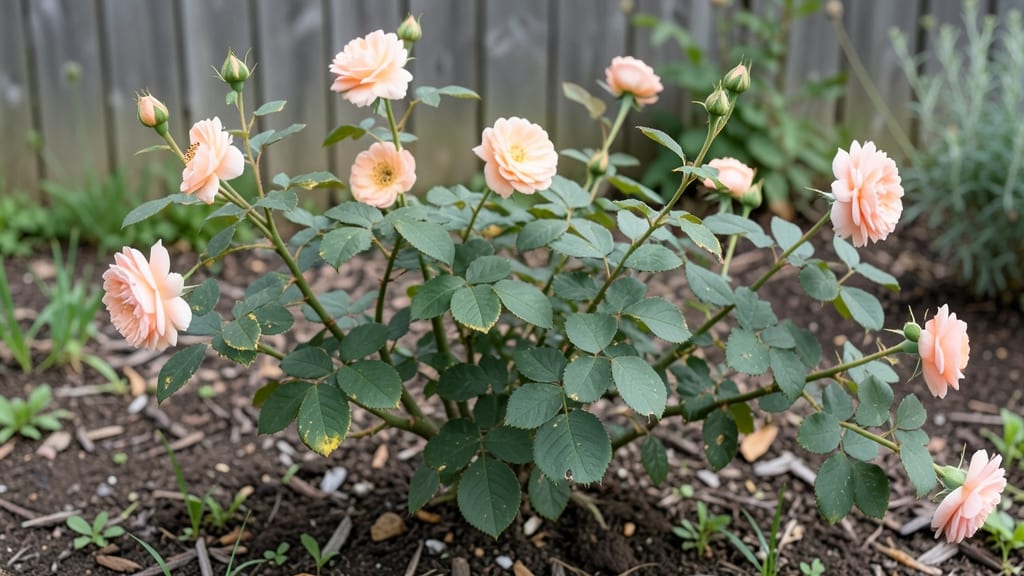
The peach-scented blooms of a Flowering Peach Corinthian Rose will turn your garden into a fragrant sanctuary. ✨ Unlike traditional roses, this compact shrub offers year-round interest with its velvety foliage and delicate peach-hued flowers that smell like a summer peach orchard.
I learned the hard way that proper pruning keeps it blooming continuously—my first attempt left it leggy and sparse.
This rose thrives in full sun to partial shade and prefers well-draining soil with a touch of organic matter. Plant it where you can enjoy its fragrance up close, like near a patio or walkway.
The key to its success is regular pruning—three times a year—to encourage bushy growth and abundant blooms. Most gardeners underestimate how much deadheading and shaping affect its performance.
With the right care, you’ll end up with a neighborhood-favorite shrub that blooms from spring through fall. The peach fragrance lingers in the air, drawing in pollinators while keeping pests at bay. Once established, it’s surprisingly drought-tolerant, making it a low-maintenance star for any garden.
Pair it with lavender for a fragrant hedge or alongside catmint for a pollinator magnet. The compact size (3-4 feet tall) makes it perfect for small gardens, containers, or even as a focal point in borders. Ready to transform your space with this fragrant beauty?
📚 In This Guide
- What you need
- Instructions
- Tips and common mistakes
- Wrapping up and next steps
What you need
- ● Pruning shears: Bypass pruners with sharp, clean blades (for small to medium stems). Quantity: 1 pair
- ● Loppers: For thicker branches (½"–1½" diameter). Quantity: 1 pair
- ● Pruning saw: For stubborn, thick branches (1½"+ diameter). Quantity: 1
- ● Disinfectant: 70% isopropyl alcohol or diluted bleach (1 part bleach to 9 parts water) for sterilizing tools. Quantity: Small bottle
- ● Rubbing alcohol wipes: For quick tool cleanups between cuts. Quantity: Pack of 50+
- ○ Garden gloves: Heavy-duty, cut-resistant (optional but recommended). Quantity: 1 pair
- ○ Pruning sealant: Optional but helpful for large cuts (e.g., tree wound pruning paste). Quantity: Small tube
- ● Trash bags: For collecting pruned debris. Quantity: 2-3
- ● Weather check: Prune on a dry, overcast day or early morning to reduce stress on the plant.
- ○ Safety gear: Safety glasses (optional, for debris protection).
- ● Compost bin: For repurposing pruned material (if not diseased).
- ● Plant food: Balanced fertilizer (e.g., 10-10-10) to apply post-pruning for a nutrient boost.
- ● Notebook & pen: To jot down pruning notes or track growth progress.
How to prune a flowering peach corinthian rose for maximum blooms
This classic rose thrives when pruned with intention—focus on shaping, airflow, and encouraging those signature peach-hued blooms.
✂️ Step 1: Time Your First Cut for Late Winter Dormancy
Prune your Peach Corinthian rose in late winter, just as new growth begins but before buds swell. This is when the plant is dormant but ready to wake up. I always aim for February or early March in my climate zone, but adjust based on your last frost date—wait until temperatures consistently stay above 40°F.
Use sharp, clean pruners to make cuts at a 45-degree angle, about ¼ inch above a bud that faces outward. This ensures water runs off the cut and new growth heads away from the center. Remove any dead, diseased, or crossing branches first—they compete with your prized blooms. You'll know you're on track when the center of the bush opens up and light can reach all stems.
🌿 Step 2: Shape the Bush for Airflow and Blooms
Step back and visualize your rose as a vase shape—wide at the bottom, narrower at the top. Remove any branches growing straight up or inward, as these block airflow and create crowded conditions where diseases fester. Aim to keep the center open while maintaining a balanced silhouette. For each cut, look for the strongest outward-facing bud to guide your pruning angle.
Trim back last year's growth by about ⅓ to encourage new, vigorous shoots. You'll see the plant's natural structure emerge as you work. If a branch is too weak or spindly, cut it back to a healthy bud or remove it entirely. This might seem harsh, but it's what gives your Peach Corinthian its lush, repeat-blooming habit. After shaping, step back again—your goal is a bush that looks like a well-lit, airy home for future flowers.
✂️ Step 3: Light Pruning After Each Major Bloom Cycle
Once your rose finishes its first flush of blooms, give it a light trim to encourage another round. Deadhead spent flowers by cutting back to the first 5-leaflet leaf below the bloom. This redirects the plant's energy from seed production to growing more flowers. I do this every 2-3 weeks throughout the growing season, always using clean tools to avoid introducing pathogens.
Watch for suckers—those aggressive shoots growing from the base or outside the graft. Remove them immediately, as they drain energy from your main plant. If you notice leggy growth reaching for light, it's a sign your rose needs more sun or a light pruning to balance its shape. After each trim, give the plant a light watering to help it recover, but avoid overwatering—this rose prefers well-drained soil and hates soggy roots.
🌱 Step 4: Prepare for Winter with a Final Pruning
When fall temperatures drop below 50°F at night, give your Peach Corinthian one last light pruning. Remove any remaining dead or diseased wood, and trim back any overly vigorous shoots by about ⅓. This final cut helps the plant enter dormancy in a strong, healthy state. Avoid heavy pruning now—you want to leave enough foliage to protect the plant's center from winter winds.
After pruning, apply a 2-3 inch layer of mulch around the base (but not touching the stem) to insulate the roots. You'll see new growth emerge in spring, signaling that your winter pruning paid off. If you live in a colder climate, consider wrapping the bush with burlap or using rose cones to shield it from harsh winds. This rose is hardy, but a little extra protection ensures those signature peach blooms return year after year.
Tips & tricks for pruning your peach corinthian rose
Here's what I've learned after years of nurturing these stunning roses—small details make all the difference for those signature peach blooms.
Timing is Everything: The late winter pruning in Step 1 is your golden opportunity to shape the plant's future. If you're in doubt about whether to prune, check the weather—those 40°F nights are your cue. I've seen roses bloom more prolifically when pruned just as buds begin to swell, not before. This timing gives the plant enough energy to push out new growth while avoiding frost damage.
The 45-Degree Angle Secret: That 45-degree angle cut in Step 1 isn't just for looks—it's a water management system! When you make clean cuts at this angle above the bud, rainwater runs right off instead of pooling in the wound. This simple technique prevents rot and keeps your rose healthier for years. I always sanitize my pruners with rubbing alcohol between cuts to prevent spreading disease.
Visualize the Vase Shape: When shaping in Step 2, think of your rose as an upside-down vase. The widest part should be at the base where the canes emerge from the ground, tapering gently toward the top. This shape isn't just aesthetic—it creates perfect airflow that prevents fungal diseases. I like to sketch a quick outline on paper first to visualize where branches need to go before making any cuts.
Deadheading Discipline: That 5-leaflet leaf rule in Step 3 is non-negotiable for repeat blooming. When you cut back to this point, you're telling the plant "keep growing flowers, not seeds." I set a reminder every 2-3 weeks to check for spent blooms—consistency is key. For extra fragrance, I always deadhead in the morning when the blooms are fully open and their scent is strongest.
Pro Tips for Flowering Peach Corinthian Rose
- Here's what I've learned after years of nurturing these stunning roses—small details make all the difference for those signature peach blooms.
- Timing is Everything: The late winter pruning in Step 1 is your golden opportunity to shape the plant's future.
- The 45-Degree Angle Secret: That 45-degree angle cut in Step 1 isn't just for looks—it's a water management system!
Frequently asked questions
Got questions about keeping your Flowering Peach Corinthian Rose thriving? You’re not alone! Here are answers to the most common queries—from pruning tips to troubleshooting—so you can enjoy its luscious blooms and intoxicating fragrance all season long.
When is the best time to prune my Flowering Peach Corinthian Rose?
The ideal time to prune is late winter or early spring, just before new growth begins. This ensures you remove dead or weak wood while stimulating fresh, fragrant blooms. Avoid pruning in fall—it can leave the plant vulnerable to winter damage. For light maintenance (like deadheading), prune after flowering to encourage more blooms!
How much should I trim back my Corinthian Rose each year?
Prune by one-third of the plant’s height annually to maintain shape and airflow. Focus on removing crossing branches, inward-growing stems, and dead wood. For a bushier look, trim just above a leaf node at a 45-degree angle. Never cut into old wood—this can reduce flowering!
Why isn’t my Flowering Peach Corinthian Rose blooming as much as it should?
Lack of blooms often stems from over-pruning, poor nutrition, or insufficient sunlight. Ensure it gets 6+ hours of sun daily and feed with a balanced rose fertilizer in spring. If you pruned too aggressively last year, give it time to recover—new growth takes 1-2 seasons to flower abundantly.
What pests or diseases should I watch for with this rose?
Common issues include aphids, spider mites, and black spot fungus. For pests, spray with neem oil or insecticidal soap. Prevent black spot by watering at the base (avoid wetting leaves) and pruning for airflow. Deadhead spent blooms to reduce disease risk and encourage more flowers!
Can I grow a Flowering Peach Corinthian Rose in a container?
Yes! Choose a large pot (at least 15 gallons) with drainage holes and use a well-draining potting mix. Container roses need regular watering and fertilizing (every 2-3 weeks in growing season). Move the pot to a sunny spot in winter if temperatures drop below 10°F—they’re not frost-hardy!
Wrapping up and next steps
Mastering the art of pruning your Flowering Peach Corinthian Rose unlocks a season of breathtaking blooms and intoxicating fragrance! 🌸 With the right tools, timing, and technique, you’ll transform this shrub into a stunning centerpiece that graces your garden from spring to fall.
Remember, patience and consistency are key—your efforts will pay off in vibrant, healthy growth and a floral display that neighbors will envy.
Ready to elevate your gardening game? Start today by scheduling your first pruning session—whether it’s shaping, deadheading, or winter prep—and watch your Corinthian Rose thrive! 🌿 For extra confidence, revisit our FAQs or consult a local horticulturist for tailored advice.