
Pruning
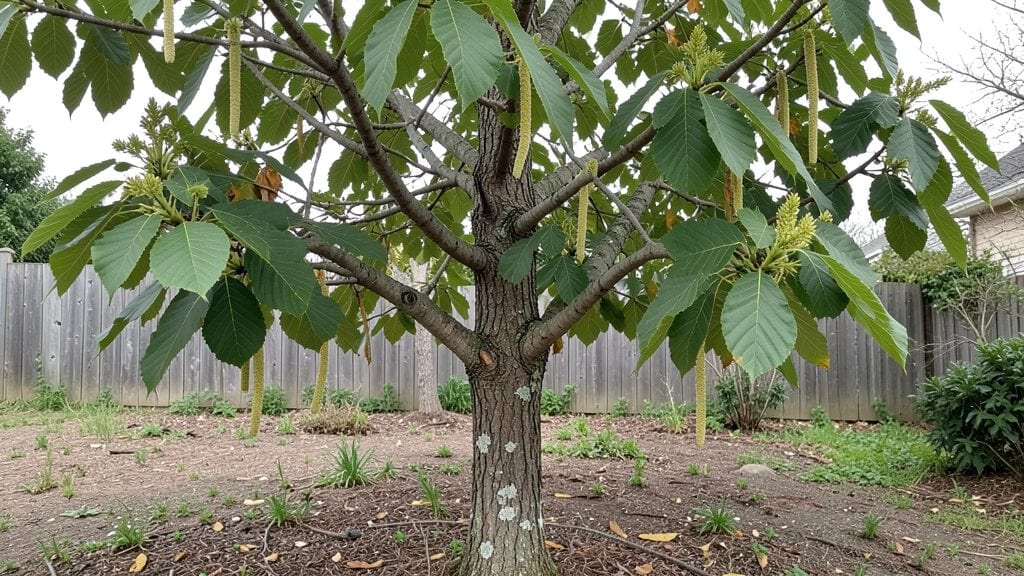
Your pecan tree flowering this spring could mean a bumper crop—or just a handful of nuts if you miss the timing. I’ve watched my own trees go from sparse harvests to overflowing branches by paying attention to when those delicate catkins appear and how to encourage them.
The difference between a few nuts and a bushel often comes down to what you do in those critical weeks before flowering.
Flowering happens when days warm into the 50s°F and nights stay above 40°F, usually between late February and April, depending on your zone. Young trees under 10 years might produce male flowers first—those fuzzy catkins—while females (the tiny red blossoms) follow.
Pruning too late or too aggressively can stress the tree right when it needs energy for blooms, so timing matters more than you’d think.
You’ll know flowering’s working when you see bees swarming those catkins and the tree’s leaves unfurling with vigor. That’s when the real magic happens: pollination sets the stage for next fall’s harvest. A well-pruned tree in this stage can produce 20-50% more nuts than one left to its own devices.
The key is balancing cuts to open the canopy for sunlight while keeping the structure strong.
This works best for home growers in zones 6-9, where pecans thrive. If you’re in a cooler climate, extend your pruning window slightly later—just watch for those first catkins to appear. The rest is about patience and observation. Here’s how to get it right without guessing.
📚 In This Guide
- What you need
- Instructions
- Tips and common mistakes
- Wrapping up and next steps
What you need
- ● Pruning shears: Bypass pruners (sharp, 6–8" blades) for small branches (1/4"–3/4" diameter). Example: Felco F-2 or Corona Tools.
- ● Loppers: For medium branches (3/4"–2" diameter). Look for: Long handles (20–24") and ratcheting or bypass blades.
- ● Pruning saw: Curved-tooth saw for thick branches (>2" diameter). Tip: Avoid cheap saws—they dull quickly!
- ● Ladder: Extendable aluminum ladder (16–20 ft) with non-slip feet for tall trees.
- ● Work gloves: Heavy-duty, cut-resistant gloves (e.g., Mechanix or Worn Again) to protect hands from thorns and rough bark.
- ● Disinfectant: 70% isopropyl alcohol or a 10% bleach solution to sterilize tools between cuts (prevents disease spread).
- ○ Pruning sealant: Optional but helpful for wounds >1" in diameter (e.g., Tanglefoot Tree Wound Pruning Seal).
- ● Sharpie or marker: For labeling branches to remove (if pruning in stages).
- ● Safety glasses: Protect your eyes from debris (especially when sawing thick branches).
- ● Ear protection: Earplugs or muffs if using a chainsaw (for very thick branches).
- ● Tree bag or tarp: To collect fallen nuts/branches (reusable fabric bags work great!).
- ● Pole saw: For high branches (12–20 ft reach) if you’re working solo.
- ● Weather check: Prune on a dry, overcast day (avoid wind or rain).
Instructions for encouraging pecan tree flowering through strategic spring pruning
This method focuses on opening the canopy and redirecting energy to flowering—key to heavy nut production.
Time Your Pruning for Optimal Flowering
Prune during late winter or early spring, just before buds swell but before new growth begins. This timing ensures you remove dead wood while stimulating fresh growth—critical for flowering. In most regions, aim for February to early March, when temperatures average 45-55°F. Avoid pruning during cold snaps or when buds are already breaking; you'll stress the tree unnecessarily.
Watch for tight bud clusters along branches—these are your flowering signals. Pruning too late delays flowering, while pruning too early risks frost damage to fresh cuts. If you're unsure, wait until you see green tips emerging from dormant buds before making cuts.
Remove Dead, Diseased, or Crossing Branches
Start by eliminating any branches that are dead, diseased, or rubbing against others. Use clean, sharp pruning shears to make 45-degree cuts just outside the branch collar—the swollen area where the branch meets the trunk. This prevents infection and encourages faster healing. If a branch is thicker than 4 inches, use a pruning saw instead.
Look for V-shaped intersections where branches cross—these create wounds that invite rot. Removing these immediately opens the canopy and allows sunlight to reach the center of the tree, where most flowers develop. I always prune out suckers (shoots growing from the base) too—they drain energy that could go toward flowering.
Thin the Canopy to Improve Airflow and Light Penetration
Step back and assess the tree’s shape. Your goal is to reduce density by 20-30% to let sunlight and air circulate freely. Focus on thinning branches rather than just cutting back—this means removing entire branches rather than trimming their ends. Start with the outer canopy and work inward, targeting branches that block light from reaching the center.
You’ll know you’ve thinned enough when you can see light filtering through the branches on a sunny day. Avoid over-thinning, though—too much open space weakens the tree’s ability to support heavy nut crops. If you’re unsure, err on the side of leaving slightly more foliage; pecans need strong structure to bear fruit.
Prune for a Balanced, Open-Growing Structure
Shape the tree to encourage an open vase form, with branches spreading outward rather than upward. This structure supports heavier nut loads and makes harvesting easier. Remove any upward-growing branches that create a dense top—these compete with lower branches for sunlight and energy. Instead, favor outward- and slightly downward-growing branches, which distribute weight evenly.
Pay special attention to the lower third of the tree. If branches grow too low, they’ll block sunlight from reaching the ground, where new roots and flowers often develop. Trim these back to 6-8 feet off the ground to maintain an open base. This also makes future harvesting with a ladder or mechanical shaker much safer.
Fertilize and Water to Support Flowering
After pruning, apply a balanced fertilizer (10-10-10 ratio) around the tree’s drip line—6-8 inches from the trunk—and water deeply to 12 inches down. This encourages root growth, which in turn supports flowering. Use 2-3 gallons of water per inch of tree trunk diameter, applied slowly to avoid runoff. For example, a 12-inch diameter tree needs about 24-36 gallons per watering.
Monitor soil moisture weekly—pecan trees need 1-2 inches of water per week during flowering season. You’ll know the tree is getting enough water when the top 2 inches of soil stay moist but not soggy. Mulch with 2-3 inches of wood chips to retain moisture and regulate soil temperature, which is especially important for young trees still establishing their root systems.
Tips & tricks for perfect pecan tree pruning
These practical tips will help you maximize flowering potential while avoiding common pruning mistakes that could set back your pecan tree's productivity.
Timing is Everything: The February to early March window is non-negotiable for most regions. I've seen trees stressed by late pruning when buds were already breaking—this delays flowering by weeks. If you're in a warmer climate, wait until you see those green tips emerging from dormant buds before making any cuts. In colder areas, don't rush—prune when daytime temperatures consistently stay above 45°F to prevent shock.
Branch Collar Technique: That swollen area where branches meet the trunk isn't just decoration—it's your tree's natural healing system. Always make your 45-degree cuts just outside this collar, never flush against it. I've made this mistake twice, and both times the wounds took twice as long to heal. For branches over 4 inches thick, take your time with a pruning saw—rushing leads to jagged cuts that invite infection.
Canopy Density Check: The 20-30% reduction target might seem vague, but here's how to visualize it: After thinning, you should be able to see sunlight filtering through the branches on a sunny day. I use the "light test"—if you can see dappled light on the ground beneath, you've achieved the right balance. Remember, pecans need structure to support heavy crops, so don't go overboard with removal.
Post-Pruning Care: That balanced 10-10-10 fertilizer application is just the beginning. Within 24 hours of pruning, give your tree a deep watering to 12 inches down—this helps it recover faster. I've noticed trees pruned in dry conditions take significantly longer to show new growth. For young trees, consider adding a 1-inch layer of compost to the mulch ring after pruning to give them extra nutrients during the critical flowering phase.
Pro Tips for Pecan Tree Flowering
- These practical tips will help you maximize flowering potential while avoiding common pruning mistakes that could set back your pecan tree's productivity.
- Timing is Everything: The February to early March window is non-negotiable for most regions.
- Branch Collar Technique: That swollen area where branches meet the trunk isn't just decoration—it's your tree's natural healing system.
Frequently asked questions
Got questions about pecan tree flowering and how it impacts your harvest? Here are some of the most common concerns—plus practical answers to help you prune like a pro!
When do pecan trees flower, and how does it affect pruning?
Pecan trees typically flower in late spring (April–May, depending on your climate zone). Pruning just after flowering (but before new leaves harden) minimizes stress on the tree while encouraging strong nut production. Avoid heavy pruning during bloom—this can reduce pollination success and next year’s harvest!
How long does it take for pecan flowers to turn into nuts?
After flowering, it takes about 60–90 days for pecan flowers to develop into nuts. Male flowers (catkins) pollinate female flowers (tiny, green buds), and fertilization occurs within weeks. Pro tip: Monitor temperatures—below 50°F can stunt development, while consistent warmth (70°F+) speeds it up!
What if my pecan tree isn’t flowering at all? Is it dying?
Not necessarily! Young trees (<5 years old) may not flower yet. Other culprits:
- Cold winters (pecans need chilling hours; check your USDA zone).
- Stress from drought, poor soil, or over-pruning.
- Pests/disease (e.g., aphids, scab) damaging buds.
Can I prune a pecan tree during flowering to shape it?
Yes, but lightly! Remove only dead, diseased, or crossing branches—avoid heavy cuts. Heavy pruning during bloom can:
- Reduce energy for nut development.
- Disrupt pollinators (bees love pecan flowers!).
- Increase risk of fungal infections (wet flowers + cuts = trouble).
Are there pecan tree varieties that flower earlier for warmer climates?
Some varieties adapt better to milder winters and flower earlier, like:
- ‘Desirable’ (classic choice; blooms mid-April).
- ‘Pawnee’ (early bloomer; great for Zones 6–9).
- ‘Western Schley’ (heat-tolerant; flowers late April).
Wrapping up and next steps
Watching your pecan tree bloom is just the beginning—with the right pruning techniques, you’re setting the stage for a bountiful harvest! 🌿 Remember, timing, tools, and technique are your secret weapons.
Start by assessing your tree’s health, then prune with purpose to boost airflow and sunlight, while keeping an eye out for pests or disease.
Ready to take action? Grab your pruners, mark your calendar for late winter/early spring, and roll up your sleeves! Your future pecan pies (or sales!) will thank you. 🥜✨ Start planning your pruning session today.