
Pruning
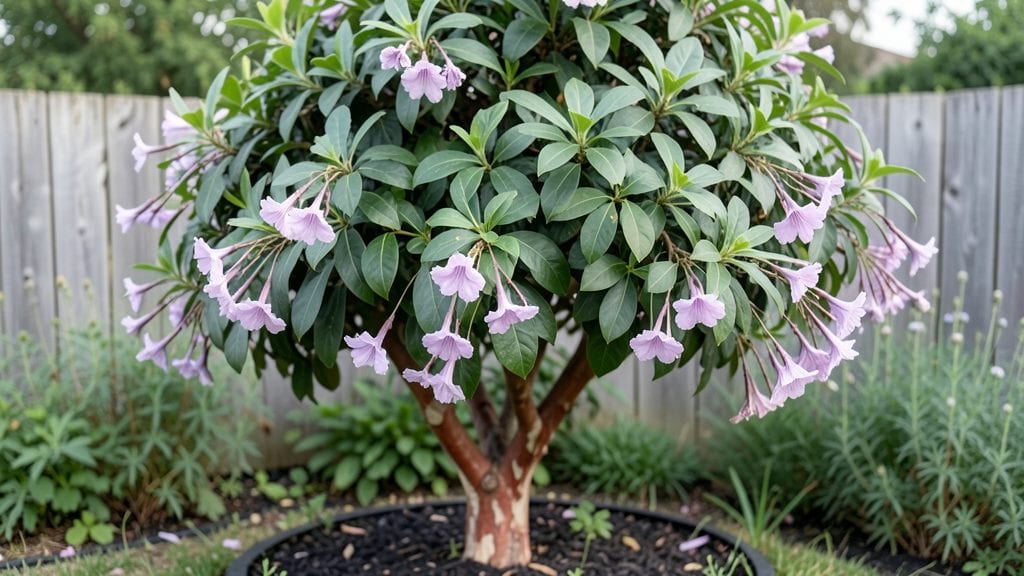
Myrtle trees burst with season-long fragrance when pruned right—those tiny white flowers smell like lemon and vanilla, and the glossy leaves add texture to any garden. 🌿 I learned the hard way that timing matters: prune too late, and you sacrifice next year’s blooms; too early, and you stunt new growth.
The secret lies in a three-step approach that keeps your tree lush without sacrificing flowers.
You’ll need sharp pruning shears, a ladder (for taller varieties like ‘Tarentina’), and 10-15 minutes—not hours—of focused work. Myrtles thrive in full sun to partial shade and tolerate poor soil, but they hate soggy roots.
A well-drained spot and occasional mulch keep them happy year-round, while regular pruning after flowering (late summer) encourages dense, fragrant foliage.
By the end of the season, you’ll have a tree that’s nearly pest-free, with glossy leaves and clusters of fragrant blooms from spring to fall.
The ‘Variegata’ variety even adds striking cream-edged foliage for extra visual punch. Just avoid heavy pruning in winter—myrtles bloom on old wood, so patience pays off.
Works for hedges, containers, or standalone specimens—just adjust the shape to fit your space. Here’s how to get started without overcomplicating it.
📚 In This Guide
- What you need
- Instructions
- Tips and common mistakes
- Wrapping up and next steps
What you need
- ● Pruning shears: Bypass pruners (for small branches, 1/4" to 3/8" thick)
- ● Loppers: For medium branches (3/8" to 1.5" thick), with a 4- to 6-foot reach
- ● Pruning saw: Curved-tooth saw for thick branches (1.5" or larger)
- ● Disinfectant: 70% isopropyl alcohol or 1-part bleach to 9-parts water (to sterilize tools)
- ● Gloves: Heavy-duty, cut-resistant gloves (for safety and grip)
- ● Rubbing alcohol or hand sanitizer: For cleaning hands before/after pruning
- ○ Pruning sealant (optional but recommended): Tree wound sealant (for cuts larger than 1/2")
- ● Ladder or step stool: Sturdy, 24-inch minimum height (for taller trees)
- ● Trash bags or bucket: For collecting pruned branches and debris
- ○ Notebook & pencil: To sketch a pruning plan (optional but helpful!)
- ● Extension pole: For hard-to-reach branches (attach pruners/loppers)
- ● Pruning rope: To support heavy branches temporarily
- ● Magnifying glass: For inspecting buds and small growth
- ● Garden hose: To clean tools and rinse off sap/resin
- ● Safety glasses: Protect your eyes from debris
Step-by-Step pruning guide for flowering myrtle trees
Transform your flowering myrtle into a fragrant, bushy powerhouse with this precision pruning method.
🌿 Step 1: Time Your Pruning for Optimal Bloom
Prune your flowering myrtle immediately after its spring blooming cycle ends—typically in late May or early June. This timing ensures you remove spent flowers while leaving next season's buds intact. Myrtles bloom on old wood, so avoid heavy cuts in late summer or fall, which removes potential flowering sites for the following year.
Look for clusters of faded blossoms as your visual cue. When 70-80% of flowers have dropped naturally, that's your signal to prune. I always mark my calendar because timing is everything—prune too early, and you risk cutting off next year's blooms; too late, and the tree loses its structured shape.
✂️ Step 2: Remove Dead, Diseased, or Crowded Growth
Start by inspecting the entire tree for dead branches—these appear gray, brittle, and snap easily when bent. Use sharp bypass pruners to make clean cuts at the branch collar, the swollen area where the branch meets the trunk. Never leave stubs; this invites disease and weakens the tree's structure.
Next, target crossing or rubbing branches—these create wounds and block airflow. Remove the smaller of the two branches at its point of origin. Thin out crowded interior growth to improve light penetration and air circulation. Aim to open the tree's canopy by 20-30%—you'll see sunlight reaching deeper into the foliage within weeks.
🌱 Step 3: Shape for Balance and Airflow
Step back and assess the tree's natural shape. Myrtles respond well to a rounded, vase-like form, so I focus on maintaining that silhouette. Use hand pruners to trim back overlong branches by one-third of their length, cutting just above a leaf node or outward-facing bud to encourage outward growth.
For larger branches, use loppers and make cuts at a 45-degree angle, slanting away from the trunk. Avoid heavy-handed pruning—never remove more than 25% of the tree's foliage in a single session. You'll notice new growth emerging from the pruned areas within 4-6 weeks, signaling the tree is responding well.
💧 Step 4: Post-Pruning Care for Recovery
Water the tree deeply immediately after pruning to reduce stress. Myrtles have shallow roots, so 1-2 gallons of water spread evenly around the root zone helps the cuts heal faster. Avoid fertilizing right after pruning—wait until new growth appears, usually in 6-8 weeks, before applying a balanced, slow-release fertilizer.
Monitor the tree for sap bleeding at pruning wounds, which is normal but should stop within a few days. If you see oozing or fungal growth, apply a thin layer of pruning sealant to the cut surfaces. Keep the area around the tree free of debris to prevent pests and diseases from taking hold.
⏰ Step 5: Schedule Maintenance Pruning
Lightly trim any overly vigorous shoots throughout the growing season to maintain the tree's shape. Focus on removing water sprouts—those fast-growing, vertical shoots that appear along branches. These compete with flowering wood for energy and should be pinched off when they're 6-8 inches long.
In late summer, give the tree a final check for any suckers at the base. These are aggressive root shoots that drain energy from the main tree. Pull them out completely, including the root, to prevent regrowth. With consistent care, your myrtle will reward you with heavier blooms and denser foliage each season.
Tips & tricks for perfect flowering myrtle pruning
Precision timing and technique make all the difference with flowering myrtles—here's what I've learned after years of shaping these fragrant beauties.
Timing is Everything: The late May to early June window is critical because myrtles bloom on old wood. I've ruined blooms twice by pruning too late—wait until you see 70-80% of flowers naturally drop. Mark your calendar now! This timing ensures next season's buds remain intact while removing spent blooms that drain energy.
Branch Selection Technique: When removing crossing branches in Step 2, always cut the smaller branch at its point of origin. I learned this the hard way when I cut larger branches and left ugly stubs that never healed properly. The branch collar (that swollen area where branches meet the trunk) is your guide—cut just outside it for cleanest healing.
Shape Maintenance Strategy: The rounded, vase-like form isn't just aesthetic—it maximizes airflow and sunlight penetration. In Step 3, when trimming back branches by one-third, focus on creating an open center. I use the "thirds rule" as a guideline: trim no more than 25% of foliage in one session to avoid stressing the tree. You'll see new growth emerge within 4-6 weeks if you've pruned correctly.
Post-Pruning Recovery: That 1-2 gallons of water immediately after pruning is non-negotiable for myrtles with shallow roots. I've seen trees recover beautifully when given this hydration boost, but neglected trees show stress symptoms like yellowing leaves. Wait those full 6-8 weeks before fertilizing—new growth is your signal that the tree has recovered and can handle nutrients again.
Pro Tips for Flowering Myrtle Tree
- Precision timing and technique make all the difference with flowering myrtles—here's what I've learned after years of shaping these fragrant beauties.
- Timing is Everything: The late May to early June window is critical because myrtles bloom on old wood.
- Branch Selection Technique: When removing crossing branches in Step 2, always cut the smaller branch at its point of origin.
Frequently asked questions
Got questions about keeping your flowering myrtle tree thriving with year-round fragrance? Here are some common concerns—and expert answers—to help you prune with confidence!
When is the best time to prune a flowering myrtle tree?
The ideal time to prune is late winter or early spring, just before new growth begins. This timing ensures you don’t cut into buds that could bloom later in the season. For light shaping, you can also prune after flowering (summer) to maintain its shape without sacrificing blooms. Avoid heavy pruning in fall—it can stress the tree before winter.
How much can I trim back my flowering myrtle tree?
For most flowering myrtles, never remove more than 25-30% of the foliage in a single pruning session. Over-pruning can shock the tree and reduce next year’s blooms. If your tree looks overly dense, space out pruning over 2-3 years for gradual, healthy growth. Pro tip: Focus on removing dead, crossing, or inward-growing branches first!
Will pruning my flowering myrtle tree reduce its flowers?
Pruning correctly won’t kill your blooms—in fact, it can enhance them! The key is to prune after flowering (late summer/early fall) to encourage next year’s buds. Avoid cutting back old wood (thicker branches) unless necessary, as flowers often form on last year’s growth. Light, strategic cuts keep air flowing and boost future blooms!
Why are my myrtle leaves turning yellow or brown after pruning?
Yellow or brown leaves post-pruning usually mean over-pruning, stress, or fungal issues. If it’s mild, the tree may recover with proper care (watering, mulching). For severe discoloration, check for powdery mildew (white fuzzy spots) or scale insects (sticky residue). Solution: Prune in dry weather, sterilize tools with rubbing alcohol, and apply neem oil if pests are suspected.
Can I grow a flowering myrtle tree in a container?
Yes! Dwarf varieties like ‘Tarragona’ thrive in containers (15+ gallon pots). Use well-draining soil and a pot with drainage holes. Prune more aggressively in spring to control size, but avoid root-bound conditions—repot every 2-3 years. Note: Container-grown myrtles may need winter protection (move indoors or wrap in burlap) in freezing climates.
Pro Tip: Mark Your Calendar!
Stick to this simple schedule for fragrance-filled success:
- Late winter/early spring: Heavy pruning (before buds swell)
- After flowering (summer): Light shaping & deadwood removal
- Fall cleanup: Remove any winter-damaged branches
Consistency is key—your myrtle will reward you with months of intoxicating blooms!
Wrapping up and next steps
Your flowering myrtle tree is now primed for a season of stunning blooms and intoxicating fragrance! By mastering the art of strategic pruning—timing, technique, and tools—you’ve set the stage for healthier growth and a longer display of beauty. 🌸✨
Ready to transform your garden into a fragrant paradise? Start by scheduling your next pruning session (early spring or post-bloom) and keep an eye on your tree’s response. With patience and care, your myrtle will reward you with year after year of effortless elegance!