
Companion Plants
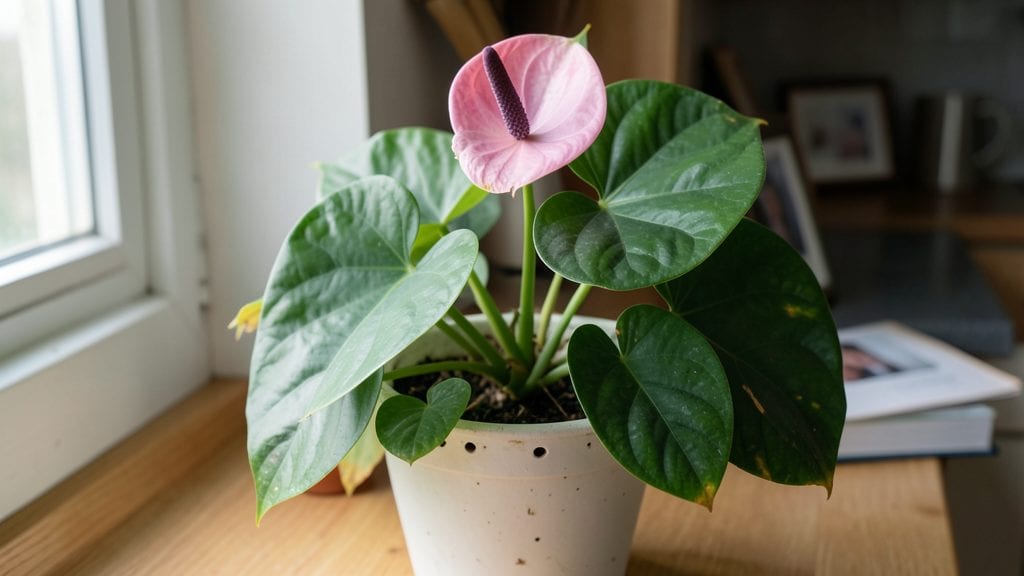
The identification of flowering house plants can feel like solving a mystery—until you learn these 50+ visual clues that instantly reveal the plant’s secrets. 🌿 I’ve spent years mislabeling my collection, only to realize I was watering a peace lily like a jade plant (disaster).
The key is noticing leaf shape, flower structure, and growth habits—details that turn guesswork into confidence.
Start with the basics: Are the leaves waxy or fuzzy? Do the flowers grow in clusters or solo? A simple chart of 10 common traits covers 80% of houseplants, and apps like PlantSnap let you snap a photo for instant matches.
My African violet, for example, has velvety leaves and tiny purple blooms—totally different from the spiky, red-flowered anthurium I keep nearby.
Once you’ve nailed the ID, care becomes effortless. That orchid with arching stems? It craves humidity. That bushy plant with star-shaped blooms? It’s a begonia and hates drafts. Proper identification means no more wilting mysteries or overwatered roots—just thriving plants that reward you with color year-round.
For tricky look-alikes (like peace lilies vs. snake plants), I keep a physical guidebook by my windowsill. It’s the fail-safe when apps lag or lighting makes photos misleading. The more you practice, the faster your brain spots those clues—like recognizing a friend’s face in a crowd.
Why Flowering Plants Skip Blooms
If your houseplants are thriving in lush foliage but refusing to flower, don’t panic—there’s usually a logical (and fixable!) reason behind it. Flowering is a complex biological response tied to a plant’s survival instincts, and when conditions aren’t just right, they’ll prioritize growth over blooms.
Below, we break down the top scientific triggers that cause flowering houseplants to hold back their blossoms—and how to adjust them for a show-stopping display. 🌸🔍
Flowering is often triggered by seasonal temperature shifts, mimicking the natural cycles plants experience outdoors. Many tropical houseplants (like African violets or orchids) need a cool nighttime dip (50–60°F) to signal blooming time, while others (such as poinsettias) require consistent warmth during their growth phase.
- ❄️ Too Cold: Drafts from windows, AC vents, or chilly nights can shock plants into a dormant state, halting flower production. Example: Kalanchoe needs 14-hour days followed by 10-hour darkness—but if temps drop below 60°F during this period, buds may abort.
- 🔥 Too Hot: Steady heat above 75°F (like near radiators) can overstress plants, causing them to focus on leafy growth instead. Begonias, for instance, may refuse to bloom if their roots bake in summer heat.
- 💡 Fix It:
- Use a thermometer to monitor temps near your plants.
- Move pots away from heat/cool sources or use heat mats in winter for root warmth.
- For cool-loving plants (e.g., African violets), place them on a cool windowsill at night.
Light is the primary trigger for flowering in most houseplants. Many need 12–16 hours of bright, indirect light daily to produce blooms, while others (like Christmas cactus) require short-day conditions (10 hours of light or less) to flower. Without the right light spectrum, plants won’t allocate energy to flowers.
| Light Issue | Plants Affected | Signs of Stress |
|---|---|---|
| ⚡ Too Little Light | Peperomia, Calathea, Peace Lily | Leggy stems, pale leaves, no buds after months of growth. |
| ☀️ Too Much Direct Sun | Orchids, African Violets, Impatiens | Brown leaf tips, sunburn spots, stunted growth. |
| 💡 Wrong Light Spectrum | Gardenias, Hibiscus | Leaves grow but stay green (no red/purple hues), no flower buds. |
💡 Fix It:
- Rotate pots quarter-turn weekly for even light exposure.
- Use grow lights (full-spectrum LEDs) for 12–14 hours/day if natural light is weak.
- For short-day plants (e.g., Poinsettias), cover them with a black box for 14 hours nightly to mimic autumn.
Water stress—whether from drought or root rot—can disrupt a plant’s hormonal balance, delaying or preventing flowering. Many flowering plants (like Bougainvillea) need consistent moisture but well-draining soil to trigger blooms. Too much water = no flowers; too little = no energy for buds.
- 🌵 Underwatering: Plants like Hoya or String of Hearts may drop buds if soil dries out completely. Their roots can’t transport nutrients efficiently, so they skip reproduction.
- 💦 Overwatering: Soggy soil cuts off oxygen to roots, forcing plants into survival mode. African Violets often refuse to bloom if their crowns rot from excess water.
- 💡 Fix It:
- Check soil moisture with your finger—top 1–2 inches should be dry before watering.
- Use pots with drainage holes and a well-draining mix (e.g., cactus soil + perlite).
- Water at the base (not leaves) to avoid fungal issues that stress plants.
Flowering is an energy-intensive process, and plants need the right nutrients to fuel it. Too much nitrogen = lush leaves, no flowers. Too little phosphorus = weak buds. Even micronutrient deficiencies (like magnesium or calcium) can stall blooming.
| Nutrient Issue | Effect on Flowers | How to Fix |
|---|---|---|
| ⚡ Excess Nitrogen | Leafy growth explodes, but buds never form (e.g., Ferns, Schefflera). | Switch to a balanced fertilizer (e.g., 10-10-10) or a bloom-specific formula (e.g., 5-10-10). |
| 💀 Phosphorus Deficiency | Bud drop or no buds at all (common in Orchids, Roses). | Feed with bone meal or a phosphorus-rich fertilizer (e.g., 10-30-20). |
| 🌱 Micronutrient Lack | Yellowing leaves, stunted growth, no flowers (e.g., Caladiums need potassium). | Use a chelated micronutrient spray or Epsom salt (for magnesium). |
💡 Pro Tip: For heavy bloomers (like Bromeliads or Hibiscus), flush soil with water every 2 months to prevent salt buildup from fertilizers, which can block nutrient uptake.
Some flowering houseplants are
Fixing Common Flowering Plant Woes
Even the most stunning flowering house plants can struggle—whether it’s wilting leaves, sparse blooms, or mysterious pests. The good news? Most issues have simple, actionable fixes. Below, we’ve mapped the most common problems to practical solutions, plus prevention tips to keep your plants thriving long-term. 🌸🔧
If your plant’s leaves turn yellow (especially on older foliage), it’s often a sign of overwatering or lack of nutrients. Here’s how to revive it:
💧 Step 1: Check the Soil
- Stick your finger 1–2 inches into the soil. If it’s soggy, your plant is drowning.
- Fix: Let the topsoil dry out completely before watering again. Use a pot with drainage holes if it lacks them.
🌱 Step 2: Flush the Roots
- Run water through the drainage hole until it runs clear. This removes excess salts and chemicals.
- Prevention: Water only when the top inch of soil feels dry. Use a moisture meter for accuracy.
💡 Pro Tip:
Yellowing from nutrient deficiency? Switch to a balanced liquid fertilizer (like 10-10-10) every 4–6 weeks during growing season. Look for iron deficiency (yellow between veins) and treat with chelated iron.
Lush leaves but zero blooms? Your plant might be getting too much indirect light, not enough direct sun, or feeling stressed. Try these fixes:
☀️ Step 1: Adjust Light Exposure
- Move the plant closer to a south- or west-facing window (6+ hours of bright, indirect light).
- Fix for low light: Supplement with a grow light (LED or fluorescent) 12–14 hours daily.
- Fix for too much sun: Filter light with a sheer curtain or move it a few feet back.
🌡️ Step 2: Mimic Seasonal Stress
- Many flowering plants (like African violets or orchids) need a cool, slightly drier period to bloom.
- Fix: Reduce watering and lower temps by 5–10°F at night for 4–6 weeks. This triggers flowering.
🎯 Prevention Tip:
Feed your plant phosphorus-rich fertilizer (like 5-10-5) when you notice new growth—this encourages blooms. Avoid over-fertilizing with nitrogen (it promotes leaves, not flowers!).
Tiny invaders can deflate your plant’s health fast. Here’s how to identify and eliminate them:
| Pest | Signs | Fix |
|---|---|---|
| Spider Mites | Fine webbing, speckled leaves | Spray with neem oil or insecticidal soap (repeat every 5 days). Increase humidity. |
| Aphids | Sticky residue, curled leaves | Blast off with water, then treat with soapy water or horticultural oil. |
| Mealybugs | Cottony white clusters | Wipe off with rubbing alcohol on a cotton swab. Use systemic granules for severe cases. |
🔥 Prevention Tip:
Inspect new plants before bringing them home (quarantine for 2 weeks!). Keep your space clean—pests love dusty leaves and debris. Introduce beneficial insects (like ladybugs) to naturally control pests.
Brown, dry leaf tips or edges? Your plant is thirsty—or the air is too dry. Here’s how to hydrate it:
💧 Step 1: Water Deeply (Not Just the Surface)
- Water until it flows out the drainage hole, then empty the saucer.
- Fix for drought stress: Soak the pot in a tray of water for 10–15 minutes to encourage deep root hydration.
🌡️ Step 2: Boost Humidity
- Place the pot on a pebble tray with water or use a humidifier nearby.
- Prevention: Group plants together to create a microclimate. Mist leaves daily (but avoid soggy centers).
✨ Pro Tip:
Some tropical flowering plants (like peace lilies or impatiens) thrive with 50–70% humidity. Use a hygrometer to monitor levels—if it’s below 40%, take action!
With these targeted fixes, your flowering house plants should bounce back in no time. Remember: consistency is key—adjust care based on the plant’s needs, not just the problem. Happy growing! 🌺💚
Frequently asked questions
How do I tell the difference between a peace lily and a snake plant?
Peace lilies have dark green, glossy leaves with white veins and grow from a central stalk with white flower spikes. Snake plants have thick, upright leaves with yellow edges and no flowers. The key clue: Peace lilies droop when thirsty, while snake plants stay stiff.
What’s the best app for identifying flowering houseplants?
Try PlantSnap or Google Lens—both let you snap a photo for instant matches. For deeper details, PictureThis offers care tips too. Just avoid using them in dim lighting, or results may be unclear.
Why does my flowering plant keep dropping buds?
Bud drop usually means stress from temperature swings or overwatering. Keep your plant in stable temps (65–75°F) and water only when the top 1–2 inches of soil are dry. Sudden drafts or dry air can also trigger this.
Can I use a physical plant book instead of an app?
A field guide like "The New Plant Identification Book" covers 500+ species with clear photos and descriptions. It’s great for tricky look-alikes (like calatheas vs. peace lilies) when apps fail in poor lighting.
How do I know if my plant needs more light?
Check for leggy stems (stretching toward light) or pale leaves. Move it closer to a bright window (but avoid direct sunburn). A grow light works well for north-facing rooms or winter months.