Shrubs
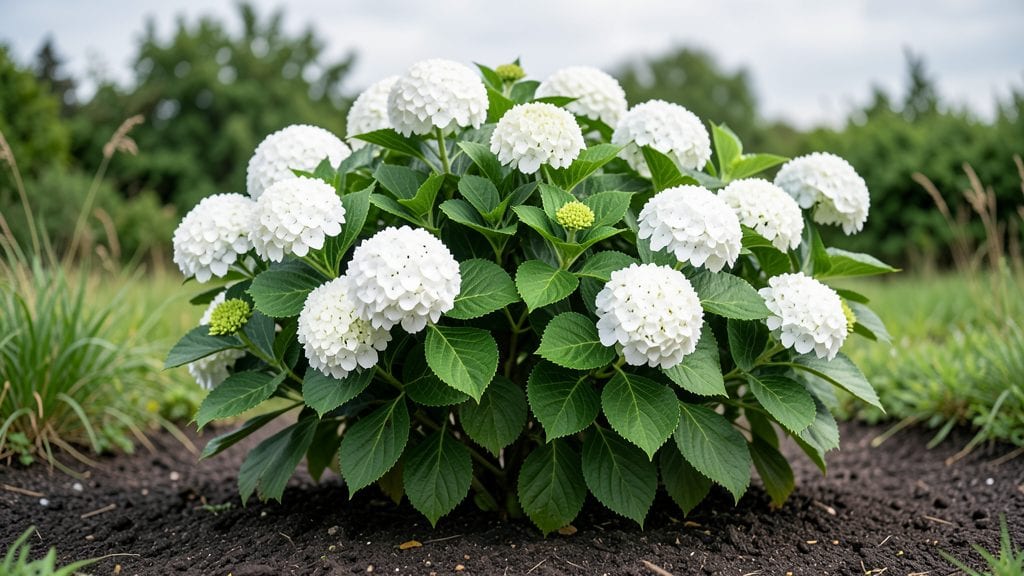
Mastering white flowering shrub identification is your first step toward crafting a dream garden—one filled with fragrant blooms like mock orange that thrive in every climate. ✨ the bold statement of hydrangeas.
These shrubs aren't just pretty; they're the backbone of borders, hedges, and focal points that make neighbors stop and stare.
The beauty of white blooms lies in their versatility—whether you want soft romance in a cottage garden or clean lines for modern landscapes. My top picks include mock orange for its intoxicating fragrance, snowberry for its delicate clusters, and deutzia for its airy, cascading flowers.
Each brings something unique to the garden, from texture to seasonal interest, and most handle pruning like pros.
Imagine a summer evening where the air hums with the scent of blooms while you sip iced tea on the porch. These shrubs deliver that dream with minimal fuss—many thrive in partial shade, resist pests, and bloom reliably year after year.
The key is matching their natural habits to your space, whether that's a sunny border or a shady woodland edge.
Regional adaptability is everything—some varieties shine in the South's humidity, while others thrive in the Pacific Northwest's cooler, wetter climate. I'll share which shrubs work best where, so you can pick the perfect match for your zone. Let's find your garden's new star performer!
Behind The Scenes Of Shrub Colors
When you’re admiring a white flowering shrub and wondering why it stands out—or why it’s suddenly not blooming as expected—there’s usually a fascinating mix of biology and environment at play. Understanding these causes can help you identify the right shrub for your garden and troubleshoot any unexpected changes.
Let’s dive into the science behind why some shrubs bloom white and what influences their flowering patterns.
White flowers aren’t just a random quirk of nature—they’re often the result of genetic dominance. Many white-flowering shrubs, like the Hydrangea arborescens (wild hydrangea) or Deutzia species, produce white blooms due to a lack of anthocyanin pigments, which are responsible for red, purple, and blue hues.
Instead, these shrubs rely on other compounds like flavonoids or carotenoids to create their pale, bright appearance.
💡 Pro Tip: If you’re cross-breeding or selecting shrubs, look for varieties labeled as "white" or "alba"—these terms often indicate a genetically consistent color. For example, the Abelia × grandiflora ‘Kaleidoscope’ is bred to maintain its white (and sometimes pink-tinged) blooms reliably.
Some shrubs, however, can shift colors due to incomplete dominance. For instance, a white-flowering Weigela might produce occasional pink or lavender blooms if its genetics include recessive color traits. This is why hybrid shrubs can sometimes surprise you!
White flowers often thrive under full sun to partial shade, but their blooming cycles are tightly linked to photoperiodism—the plant’s response to daylight length.
Many white-flowering shrubs, such as Pieris japonica (andromeda) or Viburnum bodnantense (winter viburnum), are short-day plants, meaning they bloom in response to shorter daylight hours (like late winter or early spring). Others, like Spiraea japonica, are long-day plants and flower when days lengthen in spring or summer.
⚠️ Watch Out: If your white-flowering shrub isn’t blooming when expected, check its light exposure. Too much shade can delay or prevent flowering entirely. For example, Deutzia shrubs need at least 6 hours of direct sunlight daily to trigger blooms.
Conversely, some tropical-looking white shrubs (like Plumeria) may struggle in cold climates and need winter dormancy to rebloom.
🌡️ Temperature Matters Too: Some shrubs, like Camellia varieties, require chilling hours (a period of cold temperatures) to set flower buds. Without this, they may produce fewer or no blooms. If you’re in a warm climate, consider microclimate adjustments, like planting near a north-facing wall for cooler conditions.
Believe it or not, the pH of your soil can turn a white flower pink, blue, or even purple—or prevent it from blooming at all!
This is especially true for shrubs like Hydrangea macrophylla, whose flower color shifts based on soil acidity (low pH = blue, high pH = pink, neutral = white). While white hydrangeas are naturally less pH-sensitive, other factors like moisture stress can still affect their performance.
🔥 Key Soil Factors:
- Drainage: Waterlogged roots (common in clay soil) can suffocate shrubs like Abelia or Weigela, leading to sparse or no blooms. Amend soil with compost or perlite to improve aeration.
- Nutrient Balance: Too much nitrogen (from fresh manure or synthetic fertilizers) can promote leafy growth at the expense of flowers. Use a balanced fertilizer (10-10-10) or one higher in phosphorus (e.g., 5-10-5) to encourage blooming.
- Organic Matter: Shrubs like Deutzia thrive in well-draining, humus-rich soil. Mulch with aged compost or pine bark to retain moisture and nutrients.
💧 Watering Wisdom: Overwatering or underwatering can stress shrubs, leading to bud drop or failed blooms. Most white-flowering shrubs prefer consistent moisture but hate soggy roots. Aim for 1–1.5 inches of water per week, adjusting for rain.
Sometimes, the reason your white-flowering shrub isn’t performing is as simple as an uninvited guest. Pests and diseases can weaken a shrub, reducing its energy for flowering. Here’s what to watch for:
| Pest/Disease | Signs | Solution |
|---|---|---|
| Aphids or Spider Mites | Sticky residue (honeydew), yellowing leaves, distorted buds | Spray with neem oil or introduce ladybugs |
| Powdery Mildew | White fungal coating on leaves/buds (not the same as flower color!) | Improve airflow; apply baking soda spray (1 tsp/baking soda + 1 quart water + drop of soap) |
| Japanese Beetles | Skeletonized leaves, chewed flowers | Handpick beetles or use milky spore bacteria |
| Root Rot (from overwatering) | Wilting, yellow leaves, mushy stems | Repot in fresh, dry soil; ensure well-draining pots |
🛡️ Prevention Tip: Healthy shrubs resist pests better! Prune regularly to improve air circulation and remove deadwood where pests hide. For example, Weigela shrubs benefit from late-winter pruning to encourage new growth and deter borers.
Not all white flowers are created equal—and neither are the shrubs that produce them! Age and pruning habits play a huge role in whether (and how well) a shrub blooms.
🔪 Pruning Do’s and Don’ts:
- ✅ Bloom-Time Matters:
- Prune after flowering for shrubs like Deutzia (spring bloomers).
- Prune before bud set for Abelia or Pieris (which bloom on old wood).
- ❌ A
Quick Fixes for Shrub ID Struggles
Identifying a white-flowering shrub can feel like solving a puzzle—especially when blooms, leaves, and growth habits don’t immediately match your expectations. But with the right approach, you can turn confusion into confidence! Below are practical, step-by-step solutions tailored to common challenges gardeners face when trying to pinpoint their mystery shrub.
Cause: White blooms are common across many shrubs (e.g., Hydrangea, Spiraea, Deutzia, Weigela), making visual ID tricky without other clues.
Fix:
- 🌿 Check the Leaves First
- Shape & Texture: Are they broad and smooth (Hydrangea), needle-like (Pieris), or serrated (Deutzia)?
- Arrangement: Alternate (like Forsythia) or opposite (like Weigela)?
- Pro Tip: 💡 Snap a clear photo of the underside of leaves—some shrubs (like Pieris) have distinctive rust-colored hairs.
- 🌸 Examine the Flower Clusters
- Loose vs. Dense: Hydrangea blooms form large, rounded clusters, while Spiraea has smaller, flatter clusters.
- Petal Count: Single flowers (Weigela) vs. clustered (Deutzia).
- Pro Tip: ✨ Smell the blooms! Fragrant shrubs like Deutzia or Philadelphus (mock orange) stand out instantly.
- 🌱 Study the Growth Habit
- Height & Spread: Hydrangea can reach 6+ feet, while Dwarf Fothergilla stays under 3 feet.
- Bark Texture: Smooth (Spiraea) or peeling (Magnolia stellata)?
- Pro Tip: 📊 Measure the shrub’s mature size—this narrows options dramatically.
Cause: Seasonal timing, stress, or improper care can delay or alter flowering.
Fix:
- 🌸 Verify the Blooming Season
- Early Spring: Forsythia, Magnolia stellata.
- Late Spring/Early Summer: Hydrangea, Deutzia.
- Summer to Fall: Spiraea, Abelia.
- Pro Tip: 🎯 Track local frost dates—some shrubs (like Pieris) need cold exposure to bloom.
- 💧 Adjust Watering & Soil - Overwatering? Yellow leaves or root rot can stunt blooms. Let soil dry slightly between waterings. - Underwatering? Wilting or brown edges?
Deep water 1-2x weekly (more in heat). - Soil Test: 🌡️ Most white-flowering shrubs prefer slightly acidic to neutral soil (pH 6.0–7.0). Amend clay soil with compost.
- ✂️ Prune for Next Year’s Blooms
- Blooms on Old Wood? (Hydrangea, Deutzia) Prune right after flowering.
- Blooms on New Wood? (Spiraea, Weigela) Prune late winter/early spring.
- Pro Tip: ⏰ Never prune in fall—this can remove next year’s flower buds!
Cause: Infestations (aphids, spider mites) or fungal issues (powdery mildew) can distort leaves or stems, making ID harder.
Fix:
- 🦟 Inspect for Common Pests
- Aphids: Sticky residue (honeydew) on leaves. Fix: Spray with neem oil or introduce ladybugs.
- Spider Mites: Tiny webs on undersides. Fix: Blast off with water or use insecticidal soap.
- Pro Tip: 🔥 Early morning is the best time to spot pests—they’re sluggish then.
- 🍄 Treat Fungal Issues
- Powdery Mildew: White dust on leaves. Fix: Improve airflow, spray with baking soda solution (1 tsp/baking soda + 1 quart water + a drop of soap).
- Leaf Spot: Brown spots with yellow halos. Fix: Remove infected leaves, apply copper fungicide.
- Pro Tip: 🌡️ Water at the base, not overhead, to prevent fungal spores from spreading.
- 🌿 Boost Shrub Health
- Fertilize Lightly: Use a balanced 10-10-10 fertilizer in early spring.
- Mulch: Add 2–3 inches of mulch (wood chips or pine straw) to retain moisture and deter weeds.
- Pro Tip: 💪 Avoid over-fertilizing—this can lead to lush foliage but fewer blooms!
Cause: Even with clues, some shrubs defy quick ID, especially hybrids or rare varieties.
Fix:
- 📱 Use Plant ID Apps
- Google Lens or PlantNet—upload photos of flowers, leaves, and stems for AI analysis.
- Pro Tip: 🎯 Take photos in natural light and include a reference object (like a coin) for scale.
- 🌳 Consult Local Resources
- Master Gardener Programs: Many states offer free ID services via email or in-person.
- Local Nursery Experts: Bring a sample branch (still attached to the plant) for a definitive answer.
- Pro Tip: ✨ Visit in bloom season—some nurseries host "shrub ID workshops" in spring!
- 📚 Cross-Reference with Field Guides
- Books: Shrubs for Gardeners by Christopher Brickell or The New Sunset Western Garden Book.
- Online: Missouri Botanical Garden’s PlantFinder or North Carolina Extension’s Shrub Guide.
- 📅 Plant a "Shrub Journal": Note bloom time, leaf shape, and growth rate for each new addition.
- 📸 Take Annual Photos: Document changes in flower color, leaf size, and bark over seasons.
- 🌱 Label Everything: Use stakes or plant markers with the common and botanical name at planting.
- 🌿 Group by Type: Plant hydrangeas together, spiraeas together—this makes ID (and care!) easier.
Final Thought: 🌸 The key to shrub ID is patience and curiosity—most gardeners solve the mystery within a season of observation. Happy sleuthing!
Frequently asked questions
How do I tell the difference between a white hydrangea and a white spirea?
Check the flower clusters and leaf shape! Hydrangeas have large, rounded clusters with broad leaves, while spirea has flatter clusters and narrower, serrated leaves. Also, hydrangeas often have papery seed heads that persist into winter.
Why does my white-flowering shrub have pink or lavender blooms?
This often happens with hydrangeas due to soil pH changes—alkaline soil (high pH) turns blooms pink, while acidic soil (low pH) creates blue hues. Neutral pH usually results in white flowers. Test your soil and adjust with lime or sulfur if needed.
Can I grow white-flowering shrubs in containers?
Many varieties like dwarf hydrangeas or abelia thrive in containers. Use well-draining soil and a pot with drainage holes. Just ensure they get enough sunlight—most need at least 4-6 hours daily—and fertilize lightly in spring.
What’s the best time to prune white-flowering shrubs?
It depends! Prune after flowering for shrubs like deutzia (spring bloomers), but before bud set for weigela or spirea (which bloom on new wood). Avoid pruning in fall—this can remove next year’s flower buds!
Are there any white-flowering shrubs that bloom all summer?
Yes! Abelia and butterfly bush (Buddleia) are top choices. Both produce fragrant white blooms from early summer through fall. For a low-maintenance option, dwarf ninebark also offers long-lasting white flowers with minimal care.