
Flowers
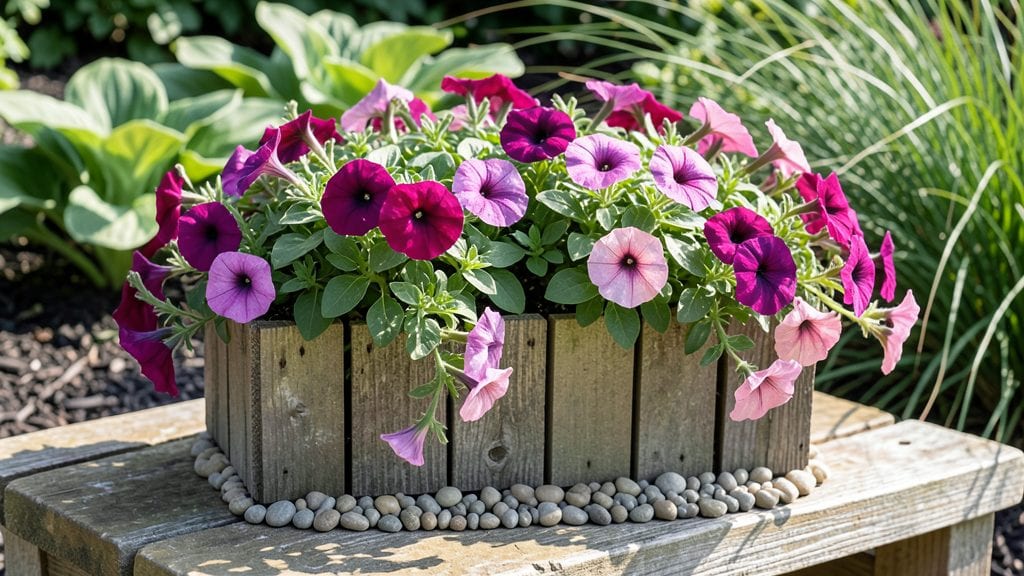
Creating a petunia flower box that spills over with color feels like painting with living art. 🌿 I’ve turned my front porch into a year-round showpiece by mixing trailing petunias with upright companions, and the results are impossible to ignore.
The key isn’t just throwing in flowers—it’s layering heights, textures, and bloom times so every season has something to offer.
Start with a sturdy container at least 12 inches deep, filled with lightweight potting mix that drains well. Petunias need sun—6+ hours daily—but their roots hate soggy soil.
Pair deep purple ‘Wave’ petunias with bright pink ‘Supertunia’ for cascading drama, then tuck in calibrachoa or lobelia for extra spill. The secret? Plant trailing varieties at the edges and taller ones in the center to create a natural waterfall effect.
By mid-summer, your box will be a riot of color, with petunias blooming nonstop if you deadhead spent flowers. The scent of crushed foliage on a warm afternoon? That’s the real magic.
Mix in drought-tolerant varieties like ‘Easy Wave’ for low-maintenance charm, and you’ll have a display that turns heads without turning into a chore. Even my black thumb keeps this one alive.
Works for balconies, railings, or porch steps—just adjust plant spacing for smaller boxes. The best part? Swap out annuals in fall for winter pansies or heather to keep the show going. Let’s make your space the envy of the neighborhood with these foolproof tips.
📚 In This Guide
- What you need
- Instructions
- Tips and common mistakes
- Wrapping up and next steps
What you need
- ● Petunia plants: 12–15 healthy petunia seedlings or mature plants (choose varieties like 'Wave,' 'Supertunia,' or 'Mitchell' for cascading beauty).
- ● Flower box: A wooden, plastic, or metal box (12–18" wide, 6–12" deep, and 10–12" tall). Ensure it has drainage holes!
- ● Potting soil: 2–3 cubic feet of high-quality, well-draining potting mix (add perlite or sand for extra aeration).
- ● Slow-release fertilizer: 1–2 cups of 14-14-14 or 10-10-10 granular fertilizer (for long-lasting nutrition).
- ○ Mulch (optional but recommended): 1–2 inches of bark mulch or coconut coir to retain moisture.
- ● Gloves & trowel: For planting without the mess! 🧤
- ● Watering can or hose: With a gentle spray nozzle to avoid disturbing roots.
- ○ Stakes or plant ties: (Optional) To support taller petunia varieties if needed.
- ○ Decorative elements: (Optional) Moss, pebbles, or solar-powered lights for a polished look.
Step-by-Step instructions for creating a stunning petunia flower box
Here’s how to transform a simple wooden box into a vibrant, cascading display that draws eyes and butterflies alike.
🪴 Step 1: Select and Prepare the Flower Box
Choose a wooden flower box at least 12 inches wide and 12 inches deep—wider boxes support more plants and create a fuller, more dramatic look. If your box is new, sand any rough edges to prevent splinters and apply a non-toxic wood sealant to extend its life. I like to stain mine a rich brown or black to make the petunias pop against the backdrop.
Drill drainage holes along the bottom if they don’t already exist—petunias hate soggy roots, and without proper drainage, your plants will develop root rot within days. Use a 1/4-inch drill bit and space the holes 2-3 inches apart across the entire bottom. Place a layer of landscape fabric over the holes before adding soil to prevent clogging.
🌱 Step 2: Layer Soil and Add Slow-Release Fertilizer
Fill the box 3/4 full with a lightweight potting mix—petunias thrive in well-draining soil that won’t compact. Mix in 1 cup of slow-release fertilizer per 4 cubic feet of soil to give your petunias a nutrient boost over the growing season. I like to add a handful of perlite to improve aeration, especially if your mix tends to stay damp.
Press the soil down gently but firmly—you want it settled enough to support the roots but loose enough that water can penetrate easily. Leave 2-3 inches of space at the top for planting and watering. If your box is particularly deep, add a 1-inch layer of gravel at the bottom before the soil to further enhance drainage.
🌿 Step 3: Plant Petunias for Maximum Impact
Remove petunias from their nursery pots and loosen the roots gently if they’re tightly bound. Plant them 12-18 inches apart—closer spacing creates a denser, fuller look, while wider gaps give trailing varieties room to cascade. Dig holes slightly deeper than the root ball to ensure stability, then place each plant and firm the soil around it.
For a bold cascading effect, mix upright and trailing varieties—place trailing types along the edges so their vines spill over the sides. Water deeply after planting to settle the soil and eliminate air pockets. Avoid wetting the foliage to prevent fungal diseases like powdery mildew.
💧 Step 4: Water and Mulch for Long-Lasting Beauty
Water the flower box thoroughly until water drains from the bottom, then let it sit for 10-15 minutes to absorb. Petunias need consistent moisture, so aim to water every 2-3 days—more frequently in hot, dry weather or if the soil feels dry to the touch 1 inch below the surface. Overwatering is just as harmful as underwatering, so always check before adding more.
Spread a 1-inch layer of mulch over the soil surface to retain moisture, suppress weeds, and keep roots cool. Use shredded bark or pine straw—avoid dyed mulches, as they can leach harmful chemicals into the soil. Replenish mulch as it breaks down to maintain its protective layer.
☀️ Step 5: Position for Sun and Maintain Through the Season
Place your petunia flower box in a spot that receives at least 6-8 hours of direct sunlight daily—petunias are sun-worshippers and will bloom poorly in shade. If your box is on a patio or balcony, rotate it quarter-turn weekly so plants grow evenly and don’t lean toward the light. You’ll notice stronger stems and more uniform blooms within a few weeks.
Deadhead spent blooms weekly to encourage continuous flowering—simply pinch off faded flowers with your fingers or snip them with clean scissors. Feed the plants every 4-6 weeks with a balanced liquid fertilizer to keep them vibrant. With proper care, your petunia flower box will burst with color from early summer until frost.
Tips & tricks for perfect petunia flower boxes
Creating a showstopping petunia display isn't just about filling a box—it's about understanding the subtle details that transform good into spectacular. Here's what I've learned after years of trial and error (and a few sad, wilted casualties).
Drainage is Non-Negotiable: In Step 1, those 2-3 inch drainage holes aren't just recommended—they're essential. I've seen petunias go from vibrant to sad within days when drainage was poor. If your box doesn't have holes, create them yourself using a 1/4-inch drill bit. For extra insurance, add a layer of landscape fabric over the holes before soil—it prevents clogging while still allowing water to flow freely. The fabric acts like a sieve, keeping soil in while letting excess water escape.
Soil Science Matters: When you're filling your box 3/4 full in Step 2, don't just grab any potting mix. Petunias need soil that drains quickly but retains enough moisture to prevent wilting. I blend my lightweight potting mix with perlite (about 1 part perlite to 4 parts soil) to create air pockets that prevent compaction. This combination gives roots both the aeration they crave and the moisture they need. The perlite also helps prevent that dreaded "soggy bottom" syndrome that can kill petunias faster than anything else.
Plant Placement Strategy: The 12-18 inch spacing in Step 3 is your secret weapon for creating that lush, full look. Here's the trick: place your trailing varieties along the edges first—they'll spill over dramatically while still having room to grow. Then fill the center with upright varieties. This creates a natural waterfall effect where the trailing petunias cascade over the sides while the upright ones provide height and structure. Pro tip: when you're planting, dig holes slightly deeper than the root ball (as the instructions say) but also wider—this encourages roots to spread out rather than stay compacted.
Watering Wisdom: That 10-15 minute absorption time in Step 4 is crucial—it's not just about watering, it's about how you water. Water thoroughly until it drains from the bottom, then wait those full 10-15 minutes before adding more. This ensures water penetrates all the way through the soil profile rather than just sitting on top. For the 2-3 day watering schedule, I've found that checking the soil 1 inch below the surface with your finger is more reliable than guessing. If it feels dry, water; if it's still moist, wait. And always water at the base—never from above—to prevent fungal diseases like powdery mildew that can ruin your display.
Pro Tips for Petunia Flower Box
- Creating a showstopping petunia display isn't just about filling a box—it's about understanding the subtle details that transform good into spectacular.
- Drainage is Non-Negotiable: In Step 1, those 2-3 inch drainage holes aren't just recommended—they're essential.
- Soil Science Matters: When you're filling your box 3/4 full in Step 2, don't just grab any potting mix.
Frequently asked questions
Got questions about creating a stunning petunia flower box? You’re not alone! Here are answers to the most common queries to help you grow a show-stopping vertical garden with ease.
When is the best time to plant petunias in a flower box?
Plant petunias in your flower box after the last frost when soil temperatures are above 55°F (13°C). For most regions, this means late spring (May-June). If you’re in a warmer climate, you can start as early as March. Pro tip: Use frost cloth to protect young plants if nighttime temps dip below 50°F (10°C).
How often should I water petunias in a flower box?
Petunias in flower boxes need consistent moisture—water them daily during hot, dry spells and every other day in cooler weather. Check the soil; if the top inch feels dry, it’s time to water. Morning watering is best to reduce evaporation and fungal risks. Mulch with shredded bark to retain moisture and keep roots cool.
Can I mix petunias with other flowers in a flower box?
Pair petunias with complementary flowers like sweet alyssum (for texture), calibrachoa (for trailing contrast), or salvia (for height). Avoid overcrowding—petunias need space to spread. Stick to plants with similar water and sunlight needs for harmony.
What should I do if my petunia leaves turn yellow or wilt?
Yellow leaves often signal overwatering or poor drainage. Let the soil dry slightly between waterings and ensure your flower box has drainage holes. Wilting can also mean underwatering or root stress. Check for pests like aphids or spider mites (use neem oil if needed) and trim damaged foliage to encourage new growth.
Do petunias survive winter in a flower box?
Petunias are annuals and won’t survive winter in most climates. However, you can overwinter them indoors in pots if you love their blooms! Cut back dead foliage, repot, and place them in a bright, cool spot (50–60°F / 10–15°C). Most gardeners opt to replant fresh petunias each spring for vibrant color.
What’s the best way to revive a leggy or sparse petunia plant?
Leggy petunias often need more sunlight or pinching back. Trim the tips of stems to encourage bushier growth, and move the box to a sunnier spot (6+ hours of direct light daily). Fertilize lightly with a balanced bloom booster every 2–3 weeks to promote fuller, healthier blooms.
Wrapping up and next steps
Transforming your space with a petunia flower box is a rewarding way to add vibrant color and life to any area—whether it’s a balcony, porch, or windowsill! 🌸 These cascading blooms not only brighten up your surroundings but also bring a sense of joy and accomplishment.
With the right materials, a little care, and a dash of creativity, you’ll have a stunning vertical garden that thrives all season long.
Ready to get started? Grab your supplies, follow the steps, and let your petunia flower box become the star of your outdoor space! 🌿✨