Shrubs
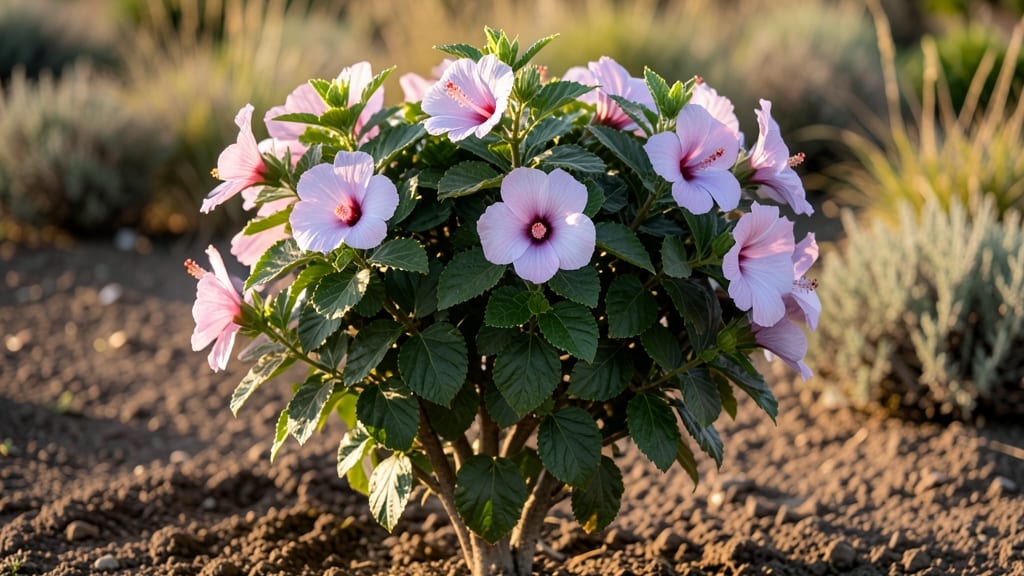
Growing a flowering hibiscus bush means bringing a tropical paradise to your yard or patio—those massive, velvety blooms make every season feel like summer. 🌸 I’ve watched my hibiscus go from a struggling nursery plant to the star of my garden, and the secret isn’t complicated: it’s all about sunlight, the right soil, and a little patience.
The first year is about establishing roots; by year two, you’ll be covered in blooms from late spring through frost.
Here’s the thing—hibiscus thrives in full sun (at least 6 hours daily) and well-draining soil, whether you’re planting in the ground or a 15-gallon container. They hate soggy roots, so if your soil stays wet, amend it with compost or use a pot with drainage holes.
Feed them every 2-4 weeks during bloom season with a balanced fertilizer, and watch those flowers pop like clockwork. Pruning after blooms fade keeps the shape tidy and encourages more flowers next season.
You’ll know you’re doing it right when your bush bursts into 3-6 inch blooms that last for days—some even stay open overnight. The scent is intoxicating, and hummingbirds can’t resist them.
Just be ready for the occasional aphid or whitefly; a strong spray of water or neem oil usually clears them up before they cause real damage. With the right care, your hibiscus will outshine every other plant in your space.
Works just as well in containers as in-ground, so don’t let limited space stop you. Whether you’re a beginner or a seasoned gardener, this tropical showstopper delivers drama with minimal fuss. Let’s get those roots growing!
📚 In This Guide
- What you need
- Instructions
- Tips and common mistakes
- Wrapping up and next steps
What you need
- ● Flowering hibiscus plants: 1-3 healthy nursery-grown Hibiscus rosa-sinensis or Hibiscus syriacus (depending on desired size)
- ● Note: Choose disease-resistant varieties like 'Dwarf Red' for containers or 'Lady Stanley' for gardens.
- ● Soil: 50 lbs of well-draining potting mix (for containers) or garden soil amended with compost (for in-ground planting)
- ○ Optional: Perlite or sand (10-20%) to improve drainage.
- ● Containers (if applicable): 1-3 large pots (18-24" diameter) with drainage holes
- ○ Optional: Self-watering containers or saucers to retain moisture.
- ● Fertilizer: Balanced 10-10-10 or 20-20-20 fertilizer (1 lb per plant) or slow-release granules
- ○ Optional: Organic options like fish emulsion or compost tea.
- ● Tools: Trowel or shovel
- ● Gloves (to protect hands from thorns)
- ● Pruning shears (for shaping and maintenance)
- ○ Optional: Mulch (2-3 inches of pine bark or shredded leaves).
- ● Sunlight: Full sun (6+ hours daily) for vibrant blooms.
- ● Watering: Consistent moisture (1-2 inches per week; more in containers).
- ● Climate: Hardy in USDA Zones 4-11 (protect from frost in cooler zones).
- ● Space: Containers: 3-5 feet apart (if multiple plants).
- ● Garden: 6-10 feet apart (hibiscus can grow large!).
Step-by-step instructions for growing a flowering hibiscus bush
Here's how to cultivate a vibrant hibiscus bush that blooms season after season.
🌱 Step 1: Choose the Right Location and Prepare the Soil
Hibiscus thrives in full sun, needing at least 6-8 hours of direct sunlight daily. If growing in containers, place near a south- or west-facing window or under a grow light. The soil must be well-draining and rich in organic matter—hibiscus roots despise soggy conditions.
For in-ground planting, amend the soil with 3-4 inches of compost mixed into the top 12 inches of soil. Hibiscus prefers a slightly acidic to neutral pH between 6.0 and 7.5. Test your soil and adjust with sulfur or lime if needed. If planting in containers, use a high-quality potting mix blended with 20% perlite for aeration.
☀️ Step 2: Plant at the Correct Depth and Stake for Support
Dig a hole twice as wide as the root ball but no deeper. Gently remove the plant from its container and loosen any circling roots. Position it so the top of the root ball sits 1 inch below the soil line—this prevents stem rot while encouraging strong root growth.
Stake young hibiscus immediately, as their stems can flop under heavy blooms. Use a 5-foot bamboo stake tied loosely with soft plant ties. Avoid burying the stake too deeply—just enough to support the plant without restricting root expansion. Water deeply right after planting to settle the soil around the roots.
💧 Step 3: Water Deeply and Maintain Consistent Moisture
Hibiscus loves water but hates drought stress. Water 2-3 times per week during the growing season, ensuring the soil stays evenly moist but not waterlogged. The top 1-2 inches of soil should feel slightly damp to the touch. In containers, water more frequently—often daily in hot weather—since pots dry out faster.
Mulch around the base with 2-3 inches of organic mulch to retain moisture and regulate soil temperature. Keep mulch 3 inches away from the stem to prevent rot. Overwatering is the fastest way to kill hibiscus—yellowing leaves or wilting despite moist soil signals root suffocation.
✂️ Step 4: Prune for Shape and Encourage More Blooms
Prune hibiscus in early spring before new growth begins. Remove any dead, damaged, or crossing branches first. Then, cut back the remaining stems by one-third to encourage bushier growth. This also prevents the plant from becoming top-heavy with blooms.
After flowering, do a light cleanup prune in late fall to remove any remaining blooms and shape the plant. Avoid heavy pruning at this time—hibiscus needs its energy to prepare for dormancy. Fertilize lightly with a balanced 10-10-10 fertilizer after pruning to support new growth.
🌿 Step 5: Protect and Overwinter for Long-Term Growth
If you live in a zone with below 20°F winters, hibiscus needs protection. In containers, move plants indoors to a bright, cool spot (50-60°F) and reduce watering. For in-ground plants, mulch heavily with 4-6 inches of straw or leaves and wrap the base with burlap for insulation.
Resume regular care in early spring when temperatures stay above 50°F at night. Hibiscus is sensitive to cold snaps—even a single night below 32°F can damage leaves. If you're unsure about your zone, err on the side of caution and treat it as a tender perennial.
Tips & tricks for perfect flowering hibiscus bush growth
Here's what I've learned after years of growing hibiscus—these tricks will help you avoid common pitfalls and get those stunning blooms year after year.
The Sunlight Factor: Those 6-8 hours of direct sunlight are non-negotiable, but here's the thing: morning sun is gentler than afternoon heat. If you're in a very hot climate, provide afternoon shade during peak summer months (12-4 PM) to prevent leaf scorch. I've seen hibiscus leaves crisp up when exposed to unfiltered afternoon sun in zones 9 and above.
Soil Science: The 3-4 inches of compost mixed into the top 12 inches of soil isn't just about nutrients—it's about creating the perfect air-to-moisture ratio. Hibiscus roots need oxygen as much as they need water. If your soil feels dense or clay-heavy, add extra perlite or coarse sand to improve drainage. I've had plants drown in "well-draining" soil that was actually too compacted.
Watering Wisdom: That 2-3 times per week guideline changes dramatically based on container size. A 5-gallon pot might need daily watering in summer, while in-ground plants can go 4-5 days between waterings. The key is checking that top 1-2 inches of soil—if it's dry to the touch, it's time to water. I keep a small trowel handy to check moisture levels without disturbing the roots.
Pruning Precision: When you cut back those stems by one-third in early spring, make your cuts just above a leaf node or bud. This encourages new growth from exactly where you want it. I've seen beginners make cuts too close to the base, which can leave ugly scars. Also, sterilize your pruners with rubbing alcohol between cuts to prevent spreading disease—hibiscus is surprisingly susceptible to bacterial infections.
Pro Tips for Flowering Hibiscus Bush
- Here's what I've learned after years of growing hibiscus—these tricks will help you avoid common pitfalls and get those stunning blooms year after year.
- The Sunlight Factor: Those 6-8 hours of direct sunlight are non-negotiable, but here's the thing: morning sun is gentler than afternoon heat.
- Soil Science: The 3-4 inches of compost mixed into the top 12 inches of soil isn't just about nutrients—it's about creating the perfect air-to-moisture ratio.
Frequently asked questions
Got questions about growing your flowering hibiscus bush? You’re not alone! Here are answers to the most common queries to help you cultivate a thriving tropical beauty—whether in pots or your garden.
How fast does a flowering hibiscus bush grow?
A healthy hibiscus bush typically grows 12–24 inches per year, depending on sunlight, water, and soil quality. With proper care, expect lush foliage and vibrant blooms within 1–2 years from planting. Prune regularly to encourage bushier growth and more flowers! Pro tip: Feed with a balanced fertilizer in spring to boost growth.
When is the best time to plant a flowering hibiscus bush?
Plant hibiscus bushes in spring or early summer when temperatures are warm (above 60°F/15°C). This gives roots time to establish before winter. If planting in containers, use well-draining soil and place them in full sun (6+ hours daily). Avoid late fall planting—hibiscus is frost-sensitive!
How often should I water a flowering hibiscus bush?
Water hibiscus bushes deeply 2–3 times per week during hot weather, ensuring the top 2–3 inches of soil stay moist. In containers, water daily in summer—potted plants dry out faster! Reduce watering in cooler months but keep soil slightly damp. Watch for: Drooping leaves (overwatering) or crispy edges (underwatering).
Can I grow a flowering hibiscus bush in a pot?
Hibiscus thrives in containers with at least 15–20 gallons of space for mature bushes. Use a fast-draining potting mix (add perlite or sand) and choose a pot with drainage holes. Opt for tropical or garden varieties like ‘Dwarf Red’ or ‘Liliiflorum’ for smaller spaces. Move pots indoors or to a garage if temps drop below 50°F (10°C).
Why aren’t my hibiscus flowers blooming?
Lack of blooms often stems from over-fertilizing (too much nitrogen), insufficient sunlight, or stress (like root bound pots or pests). Try this: Prune leggy growth in early spring, use a low-nitrogen, high-phosphorus fertilizer, and ensure 6+ hours of direct sun. If pests (like aphids or spider mites) are present, treat with neem oil or insecticidal soap.
How cold can a flowering hibiscus bush tolerate?
Most hibiscus bushes cannot survive frost—they thrive in USDA Zones 4–11 but only as annuals in cold climates (below Zone 8). Protect potted hibiscus by moving them indoors or wrapping containers in bubble wrap before temps drop below 50°F (10°C). For garden plants, mulch heavily and cover with frost cloth if needed.
Wrapping up and next steps
Growing a flowering hibiscus bush is a rewarding journey that brings bold color and tropical charm to your space—whether in containers or garden beds! 🌺 With the right care, you’ll enjoy stunning blooms year after year, making your outdoor area a true showstopper.
Now that you’re equipped with the essentials, it’s time to roll up your sleeves and watch your hibiscus thrive.
Ready to take the next step? Start by choosing your planting spot—sunny, sheltered, and well-draining—and give your hibiscus the love it deserves. Happy gardening! 🌿