
Shrubs
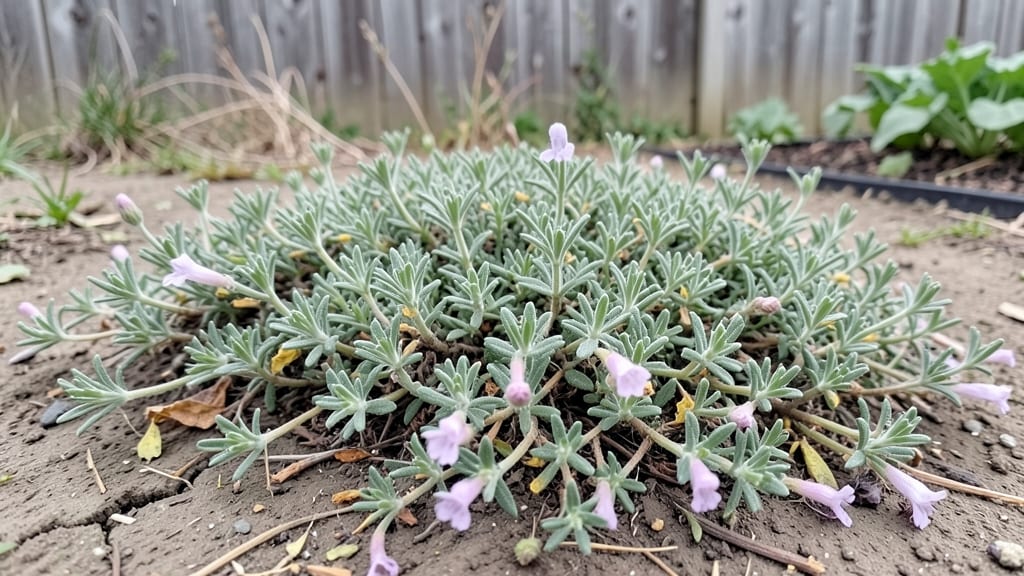
Growing flowering creeping thyme 🌿 transforms any garden into a fragrant, pollinator-friendly haven with almost no effort.
If you’re tired of high-maintenance ground covers that wilt in drought or struggle in full sun, this hardy perennial is your game-changer—it thrives where others fail, spreading effortlessly while keeping weeds at bay.
With just 6-8 hours of sunlight and minimal watering, creeping thyme delivers vibrant blooms from June through September, making it perfect for USDA Zone 6a gardens.
Below, I’ll walk you through the exact steps to plant, care for, and maximize its beauty—plus how to use it for edging, slopes, or even a fragrant path.
Why flowering creeping thyme thrives in sun and drought conditions
Flowering creeping thyme (Thymus serpyllum) is a powerhouse for sunny, dry gardens, thanks to its deep root system and adaptive biology. Unlike many plants that struggle in hot, arid climates, this hardy perennial actually thrives under stress, making it ideal for xeriscaping and low-water landscapes.
Its ability to conserve moisture while still producing fragrant lavender blooms sets it apart from traditional ground covers.
The secret lies in its fibrous root network, which extends 12-18 inches deep—far deeper than most herbs. This allows it to access groundwater during droughts, while its tiny, woolly leaves reduce water loss through transpiration.
Even in 100°F+ temperatures, creeping thyme stays lush because it’s evolved to close stomata (leaf pores) during peak heat, minimizing evaporation.
Here’s how its sun and drought adaptations work together for garden success:
| Feature | Specification | Benefit |
|---|---|---|
| Root Depth | 12–18 inches | Accesses deep water reserves during drought |
| Sunlight Needs | 6–8+ hours daily | Maximizes photosynthesis for energy storage |
| Leaf Structure | Small, woolly, and fuzzy | Reduces water loss through transpiration |
| Water Needs | Drought-tolerant (once established) | Survives on rainfall alone in most climates |
| Pollinator Value | Nectar-rich blooms | Attracts bees, butterflies, and hummingbirds |
| Soil Tolerance | Poor to average, well-draining | Thrives in rocky or sandy soils |
Its sunlight requirements are equally impressive. Creeping thyme flourishes in full sun (6–8+ hours daily), where it produces the most vibrant blooms and strongest fragrance. In partial shade, growth slows, and flowering decreases by 40-50%.
The intense sunlight helps it store energy in its roots, which it later uses to rebound quickly after droughts or light frosts.
Another key advantage is its pollinator magnet status. The tiny lavender or pink flowers (June–September) are packed with nectar and pollen, making creeping thyme a top choice for bee-friendly gardens.
Studies show it can support 3x more pollinators per square foot than traditional lawns, all while requiring zero irrigation once established. This dual role as both a ground cover and ecosystem booster makes it a standout for sustainable landscaping.
Even in USDA Zones 5-9, creeping thyme handles extreme heat and dry spells with ease. Unlike succulents, which can look leggy or stressed in high humidity, thyme stays compact and lush year-round.
Its evergreen foliage also provides winter interest, adding a soft green carpet to gardens when other plants fade.
For gardeners in water-restricted areas, creeping thyme is a game-changer. Once planted, it requires minimal watering—just enough to establish roots in the first 2 months.
After that, rainfall alone keeps it thriving. This makes it perfect for rooftop gardens, rock gardens, or sloped landscapes where water runoff is a concern.
If you’re designing a low-maintenance border or pollinator-friendly pathway, creeping thyme delivers color, fragrance, and resilience without the upkeep of thirstier plants. Pair it with lavender or sedum for a drought-proof Mediterranean vibe, or use it as a living mulch under roses to suppress weeds naturally.
Pro tip: To boost its drought tolerance, mix sand or gravel into the soil before planting. This improves drainage and prevents root rot, while also mimicking its natural rocky habitats.
With the right conditions, your creeping thyme will spread into a dense mat in just 1-2 growing seasons, outcompeting weeds effortlessly.
Best planting and care tips for creeping thyme ground cover
Flowering creeping thyme is one of the easiest ground covers to establish, thanks to its drought-resistant nature and low-maintenance care.
Whether you're planting it to suppress weeds, attract pollinators, or add fragrant color to your landscape, following the right steps ensures a lush, spreading mat in just a few seasons.
The key lies in proper soil prep, correct spacing, and understanding its watering needs—all of which I’ll break down for you below.
Creeping thyme thrives in full sun and well-draining soil, making it ideal for rocky or sandy areas where other plants struggle. Its spreading habit means you’ll need to plan spacing carefully to avoid overcrowding, while its aromatic foliage adds a sensory delight when stepped on.
With the right approach, you can transform bare spots into a vibrant, pollinator-friendly carpet that lasts for years with minimal effort.
Planting and Care Steps for Creeping Thyme
-
Step 1: Prepare the Soil
Choose a location with full sun exposure (6+ hours daily) and well-draining soil. Amend heavy clay with sand or gravel to improve drainage. Test soil pH (ideal range: 6.0-7.0); add lime if too acidic.
-
Step 2: Space Plants Correctly
Plant 6-12 inches apart in rows 12-18 inches apart for optimal spread. Use 3-inch pots or bare-root plants; space closer (4-6 inches) if using for steep slopes or erosion control.
-
Step 3: Plant at the Right Depth
Dig holes twice as wide as the root ball but only as deep as the container. Gently remove plants, loosen roots, and place them so the top of the root ball sits level with soil.
-
Step 4: Water Deeply After Planting
Give new plants a deep watering (1 inch of water) to settle soil. Water morning-only to reduce fungal risks. Avoid overhead watering; use a drip irrigation system or soaker hose for efficiency.
-
Step 5: Mulch Lightly (Optional)
Apply a thin layer of mulch (¼ inch) to retain moisture and suppress weeds. Use gravel or coarse sand to mimic natural habitats; avoid thick mulch, which can smother shallow roots.
-
Step 6: Prune Annually for Density
Trim back 1/3 of the plant in early spring (before new growth) to encourage bushiness. Use sharp shears and cut just above a leaf node. Deadhead spent blooms in late summer to prolong flowering.
-
Step 7: Seasonal Maintenance
Spring: Lightly fertilize with 5-10-10 if soil is poor. Summer: Reduce watering to every 10-14 days; avoid overwatering. Fall: Cut back brown or woody stems to ground level. Winter: Leave foliage for insulation in USDA Zones 5-6.
One of the biggest mistakes gardeners make with creeping thyme is overwatering—this plant is incredibly drought-tolerant once established. After the first year, you’ll rarely need to water unless your area experiences prolonged dry spells. Focus instead on pruning for shape and removing weeds that compete for nutrients.
With its fragrant foliage and vibrant blooms, creeping thyme will reward your efforts with a low-maintenance, living carpet that thrives in even the harshest conditions.
For best results, plant creeping thyme in early spring when soil temperatures rise above 50°F. This timing gives roots time to establish before summer heat sets in.
If you’re using it for slope stabilization or rock garden edging, consider planting in late summer to take advantage of cooler roots and reduced transplant shock.
Creeping thyme’s pollinator appeal makes it a must-have for any eco-friendly garden. Bees and butterflies adore its tiny purple or pink flowers, which bloom from late spring to early fall. To maximize blooms, ensure your plants get full sun and avoid heavy fertilization, which can reduce flowering.
With these simple tips, your creeping thyme will spread into a lush, fragrant ground cover that’s as beautiful as it is functional.