Landscaping
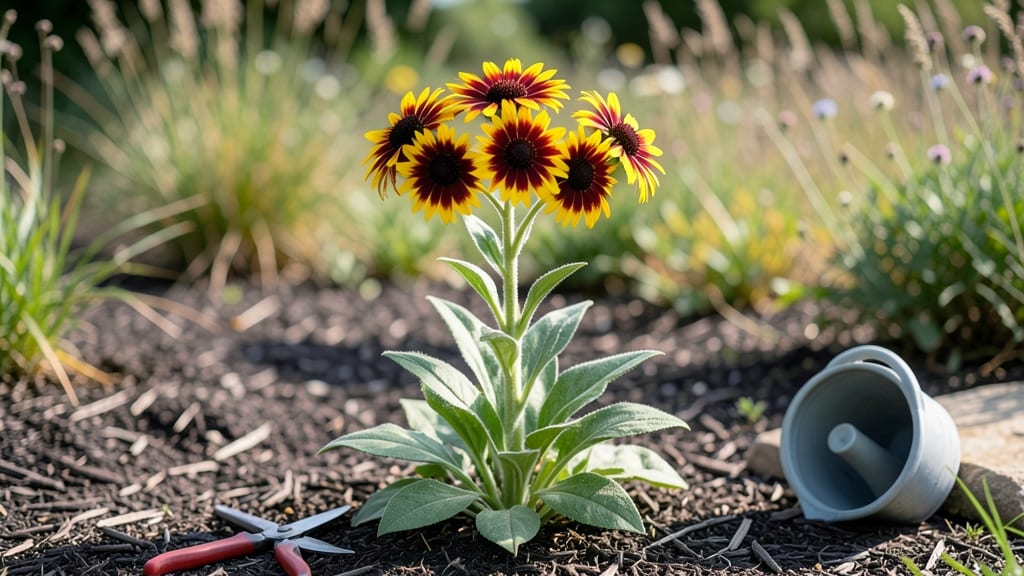
Blanket flower landscaping turns dull spaces into sun-drenched, drought-defying masterpieces with vibrant blooms that refuse to quit. 🌻 I’ve planted these fiery flowers in everything from wildflower meadows to formal borders, and they always steal the show—even when other plants wilt under the summer sun.
The secret lies in their love of heat and neglect: they thrive in full sun, tolerate poor soil, and bounce back after droughts like nothing else. Pair them with lavender for a fragrant border or mix in with black-eyed Susans for a cottage-garden feel.
Their deep reds, oranges, and yellows create bold focal points that last from midsummer through fall frost.
Imagine a front yard where your neighbors pause to snap photos of your garden—those are the results when you place blanket flowers in sunny, well-drained spots. They attract butterflies, repel deer, and even grow in rocky soil.
The only mistake I’ve ever made? Planting them too deep. Stick to the top of the soil, and you’ll get a showstopper that needs almost no care.
Perfect for pollinator gardens, drought-resistant landscapes, or even container plantings on patios. Whether you’re refreshing a tired border or designing a whole new space, these flowers deliver low-maintenance drama that keeps giving year after year.
📚 In This Guide
- What you need
- Instructions
- Tips and common mistakes
- Wrapping up and next steps
What you need
- ● Blanket flower plants (Gaillardia spp.) – Choose between perennials (hardy, long-lasting) or annuals (faster blooms). Quantities depend on your space: Small beds: 5–10 plants (spaced 12–18" apart)
- ● Medium borders: 15–25 plants (spaced 18–24" apart)
- ● Large landscapes: 30+ plants (spaced 24–36" apart)
- ● Well-draining soil mix – Amend heavy clay with compost (2–3 inches) or sand to prevent root rot.
- ○ Organic mulch (optional but recommended) – 2–3 inches of shredded bark, straw, or pine needles to retain moisture and suppress weeds.
- ● Garden gloves – A sturdy pair to protect your hands while digging.
- ● Hand trowel or transplant spade – For precision planting in tight spaces.
- ● Watering can or hose with a gentle spray nozzle – Blanket flowers hate soggy roots but love deep watering.
- ● Pruning shears – For trimming spent blooms and shaping plants.
- ● Slow-release fertilizer (5-10-5 or 10-10-10) – A pound or two per 100 sq. ft. to boost early growth.
- ● Drought-resistant ground cover – Sedum or lavender to complement blanket flowers and reduce water needs.
- ● Stakes or plant markers – Helpful if you’re mixing varieties (e.g., ‘Arizona Sun’ or ‘Mesa Red’).
- ● Rain gauge or moisture meter – Ensures you’re watering just enough (blanket flowers thrive on 1 inch of water per week).
- ● Companion plants – Pair with salvia, yarrow, or black-eyed Susans for a pollinator paradise!
- ● Sunlight check – Blanket flowers crave 6+ hours of full sun daily. Test your spot for 2–3 days.
- ○ Soil test (optional but wise) – Aim for a pH of 6.0–7.5. Adjust with lime (to raise pH) or sulfur (to lower) if needed.
- ● Weed control – Clear the area of grass and weeds 12–18 inches around planting zones.
- ● Water access – Ensure a hose or drip irrigation is nearby for the first 2–3 weeks post-planting.
Step-by-Step guide to planting blanket flowers for stunning landscapes
Here's how to create vibrant, low-maintenance displays that bring bold color to sun-drenched gardens.
🌱 Step 1: Select the Perfect Location and Prepare the Soil
Blanket flowers (Gaillardia) thrive in full sun—choose a spot receiving at least 6-8 hours of direct sunlight daily. They tolerate poor, dry soil, but their colors pop most vibrantly in well-draining, slightly rocky ground. If your soil is heavy clay, amend it with 1-2 inches of coarse sand or gravel to improve drainage.
Loosen the top 6-8 inches of soil with a garden fork, breaking up compacted layers. Blanket flowers have deep roots that need room to establish. Work in a balanced, slow-release fertilizer at planting time to encourage strong early growth. I like to add a handful of bone meal for extra phosphorus—this boosts root development and flower production.
☀️ Step 2: Plant at the Right Depth and Spacing
Dig holes twice as wide as the root ball but only as deep as the container. Press the plant firmly so the soil level matches what it was in the pot—burying the crown too deep causes rot, while planting too shallow exposes roots to drying. Space plants 12-18 inches apart for a full, natural look or 24 inches apart if you prefer a more structured border.
Water deeply right after planting to eliminate air pockets around the roots. You'll see the soil settle slightly as it absorbs moisture—this is normal. Mulch with 1-2 inches of gravel or coarse bark to conserve moisture and suppress weeds. Avoid organic mulch like wood chips, which can smother the plants in heavy clay soil.
💧 Step 3: Water Strategically for Drought Resistance
Blanket flowers are famously drought-tolerant once established, but they need consistent moisture for the first 2-3 weeks after planting. Water deeply every 3-4 days until new growth appears—this encourages deep root development. After that, water only when the top 2-3 inches of soil feel completely dry to the touch.
I water in the early morning to reduce evaporation and fungal risks. During extreme heat, you might need to water weekly, but the plants will tell you when they're thirsty—leaves will start curling slightly. This is their way of saying, "I could use a drink." Once established, they'll thrive with minimal watering, making them perfect for low-maintenance landscapes.
✂️ Step 4: Prune for Continuous Blooms and Shape
Deadhead spent blooms by snipping stems back to the nearest set of leaves or new growth. This encourages more flowers and prevents the plants from going to seed too early. I do this every 2-3 weeks during the growing season. For a neater look, you can also trim back leggy stems by one-third in early summer—this promotes bushier growth and more vibrant blooms.
In late fall, cut back the entire plant to 3-4 inches tall before the first hard frost. This prevents flopping and makes cleanup easier. The plants will regrow from the base in spring, often producing flowers even earlier than the previous year. I've seen well-established blanket flowers bloom from April through October with minimal effort.
🌿 Step 5: Divide and Maintain for Long-Term Health
Every 2-3 years, divide mature clumps in early spring or fall to rejuvenate the plants. Dig up the entire plant and separate it into sections, ensuring each has 3-5 healthy stems. Replant immediately in fresh soil, water deeply, and mulch as before. This prevents overcrowding and keeps the flowers vibrant.
Blanket flowers are generally pest- and disease-free, but watch for aphids or spider mites during dry spells. A strong spray of water usually removes them, but severe infestations may require neem oil. I've never had issues with deer or rabbits—they tend to avoid the fuzzy, daisy-like blooms. With proper spacing and care, these plants will spread naturally over time, creating stunning, sun-loving displays that require almost no maintenance.
Tips & tricks for perfect blanket flower landscapes
These game-changing strategies will help you create vibrant, long-lasting displays that outshine the competition—without the fuss.
Sunlight Secret: The 6-8 hours of direct sunlight mentioned in Step 1 isn't just ideal—it's non-negotiable for those signature fiery blooms. I've seen blanket flowers planted in partial shade produce half the color and only a fraction of the flowers. If your yard has areas with less than 6 hours of sun, consider using them as accent plants near sunnier borders instead of standalone features. Trust me, the color difference is night and day.
Soil Science: When amending heavy clay soil with 1-2 inches of coarse sand or gravel (Step 1), don't just sprinkle it on top—mix it thoroughly into the top 6-8 inches of soil. I've made the mistake of just adding a layer, and while it helped somewhat, the roots still struggled with compaction deeper down. Use a garden fork to really break up those compacted layers—think of it as giving your blanket flowers' roots a spa treatment.
Planting Precision: The spacing recommendations in Step 2 (12-18 inches for natural look, 24 inches for structured borders) might seem generous, but they're crucial. These plants spread naturally over time, and crowding them too soon leads to competition for nutrients and water. I've seen gardens where blanket flowers were planted too close together—after just two years, they looked like a single overgrown plant rather than a beautiful display. Give them room to breathe!
Watering Wisdom: That first 2-3 weeks of consistent watering (Step 3) is your chance to establish strong roots that will support those vibrant blooms all season. I like to use a soaker hose during this period to deliver water right to the roots without wetting the foliage, which helps prevent fungal issues. Once established, you'll be amazed at how drought-tolerant these plants become—they truly live up to their name.
Pro Tips for Blanket Flower Landscaping
- These game-changing strategies will help you create vibrant, long-lasting displays that outshine the competition—with...
- Sunlight Secret: The 6-8 hours of direct sunlight mentioned in Step 1 isn't just ideal—it's non-negotiable for those ...
- Soil Science: When amending heavy clay soil with 1-2 inches of coarse sand or gravel (Step 1), don't just sprinkle it...
Frequently asked questions
Got questions about adding blanket flower landscaping to your outdoor space? You’re not alone! Here are some of the most common queries—plus straightforward answers to help you get started with confidence.
What’s the best time of year to plant blanket flowers?
For most climates, spring or early fall is ideal—when soil is warm but not scorching. Blanket flowers (like Gaillardia) thrive in these mild conditions, giving roots time to establish before extreme heat or cold. If you’re in a hot, dry region, late summer can work too, but water young plants consistently for the first few weeks.
How much water do blanket flowers need?
Once established, blanket flowers are drought-tolerant and only need water once a week (or less in rainy climates). Newly planted flowers require deep watering 2–3 times per week until roots spread. Overwatering can lead to root rot, so let soil dry out between waterings—especially in containers.
Can blanket flowers grow in partial shade?
While they love full sun (6+ hours daily), blanket flowers can tolerate partial shade (4–6 hours of sun) in hotter zones. In shadier spots, their blooms may be smaller or less vibrant. If you’re working with limited sun, choose dwarf varieties like ‘Arizona Sun’ for better adaptation.
What pests or diseases should I watch for?
Blanket flowers are generally pest-resistant, but keep an eye out for aphids, spider mites, or earwigs (especially in dry conditions). Treat infestations with neem oil or insecticidal soap. Fungal issues like powdery mildew can occur in humid climates—improve airflow and avoid overhead watering to prevent it.
What are some great companion plants for blanket flowers?
Pair blanket flowers with lavender, yarrow, or black-eyed Susans for a low-maintenance, pollinator-friendly bed. They also complement salvias, coneflowers, and ornamental grasses for texture. Avoid heavy feeders like impatiens, which compete for nutrients and can overwhelm their drought-resistant nature.
How do I keep blanket flowers blooming all season?
Deadhead spent blooms regularly (every 2–3 weeks) to encourage new flowers. In cooler climates, a light fertilizer (like 5-10-5) in early spring can boost growth. For year-round color, plant perennial varieties—they’ll self-seed or return reliably, while annuals may need replanting.
Wrapping up and next steps
Blanket flowers bring vibrant color, resilience, and low-maintenance beauty to any sunny landscape—perfect for gardeners who love bold hues and drought-tolerant plants. 🌻 Whether you’re adding them to borders, pollinator gardens, or containers, these hardy perennials deliver year after year with minimal fuss.
Ready to transform your outdoor space? Start small with a few plants or go big with a full-blown Gaillardia display—just grab your gloves, pick your favorites, and let nature do the rest!
🌱 Your Next Step:
- Shop now: Browse local nurseries or online retailers for Gaillardia varieties in colors that match your vision.
- Plan your layout: Sketch a simple design or use a free garden planner app to visualize placement.
- Share the joy: Snap photos of your progress and tag us—we’d love to see your blanket flower blooms!