
Flowers
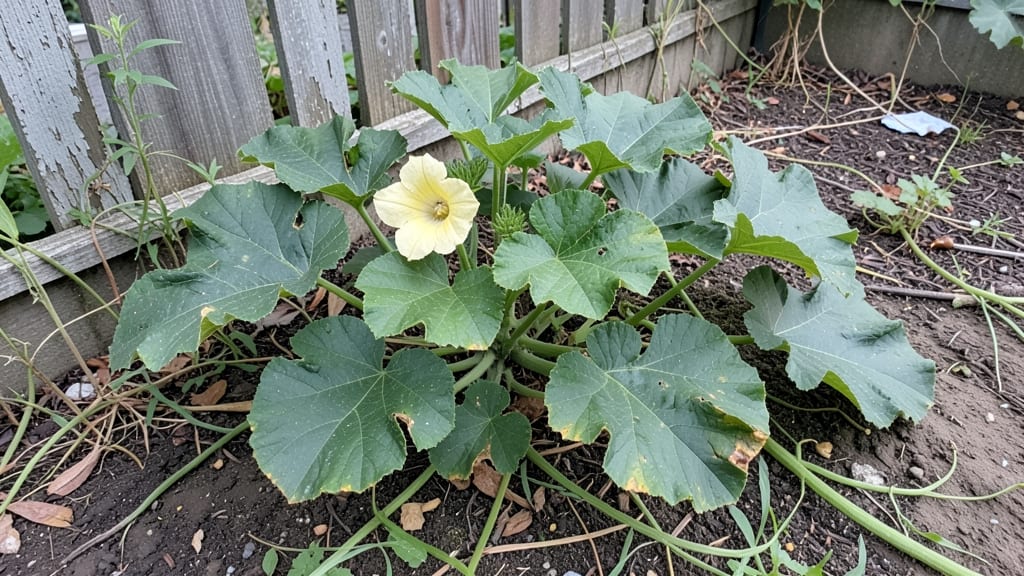
Growing flower-shaped squash like Delicata or Cushaw turns your garden into a living work of art—each vine produces edible gourds that look like blooming flowers. 🌻 I’ve grown these for years, and the secret to their success lies in the soil, spacing, and a little patience with pollination.
These squash aren’t just pretty; they’re productive, too, yielding sweet, nutty flesh perfect for roasting or stuffing.
The key starts with well-draining soil mixed with compost—these squash hate soggy roots. Plant seeds after the last frost when soil hits 60°F, spacing vines 3–4 feet apart to give them room to sprawl.
Trellising works for bushier varieties, saving space while keeping fruits off the ground. Water consistently but avoid wetting leaves to prevent mildew, and watch for squash bugs—they’re the biggest threat to your harvest.
By midsummer, you’ll see those iconic flower-shaped fruits ripening—creamy yellow with green stripes when ready. Harvest before the skin hardens, and store in a cool, dry place for weeks.
The best part? Every vine produces 5–10 squash, so one plant feeds a family. These aren’t just decorations; they’re a foolproof way to grow something stunning and delicious.
Works in zones 3–10, though cooler climates need a longer growing season. For container gardens, opt for bush varieties like Delicata—they thrive in 5-gallon pots with proper support. Now, let’s get those seeds in the ground!
What Triggers Odd Squash Growth
If your squash plants are producing flower-shaped (or downright bizarre) fruits instead of the classic elongated gourds you expected, don’t panic—it’s not a sign of a failed harvest. These quirky shapes often stem from a mix of genetic quirks, environmental stress, and even your own gardening habits.
Let’s break down the science behind why your squash might be taking an artistic turn.
Some squash varieties are bred to be highly plastic—meaning their growth patterns can shift dramatically based on conditions. If you’re growing heirloom, open-pollinated, or even a hybrid squash, genetic mutations or cross-pollination can lead to unexpected shapes. For example:
- Incomplete fertilization: If a flower isn’t properly pollinated (or pollinated too late), the ovary may develop into a misshapen fruit. Think of it like a half-baked recipe—missing ingredients (or in this case, pollen) lead to odd results.
- Parthenocarpy: Some squash varieties (like certain cucurbits) can produce seedless fruit without pollination—often resulting in small, deformed, or flower-like shapes. This is actually a handy trait for commercial growers but can frustrate home gardeners expecting full-sized squash.
- Cross-pollination chaos: If your squash is near other cucurbit family members (like pumpkins, zucchini, or cucumbers), their pollen can mix, creating hybrid offspring with unpredictable traits—including that flower-shaped squash you’re eyeing.
Actionable fix: If you want consistent shapes, stick to self-pollinating varieties (like some acorn or butternut squash) and isolate plants by at least 10 feet from other cucurbits.
Squash are tropical plants at heart, and when temperatures swing too high or too low during critical growth stages (flowering and fruit set), their development can go haywire. Here’s how:
| Temperature Issue | Resulting Squash Shape | Why It Happens |
|---|---|---|
| 🔥 Heatwaves (>90°F/32°C) | Small, puckered, or "puffy" fruit | High heat stops pollen development or causes flowers to drop before proper fertilization. The ovary may still swell but lack structure, leading to lopsided or flower-like forms. |
| ❄️ Frost or chilly nights (<50°F/10°C) | Twisted, stunted, or "star-shaped" growth | Cold slows cell division in the fruit, causing uneven expansion. Some varieties may even abort fruit entirely if stressed. |
| 🌡️ Rapid temperature swings | Blistered or "cauliflower-like" bumps | Fluctuations disrupt auxin hormone (which controls growth), leading to erratic cell growth in patches. |
Actionable fix: Use row covers for early spring/fall protection or provide shade cloth during heatwaves. Water deeply in the morning to moderate soil temps.
Squash are thirsty and sensitive to soil conditions. When water or nutrients are out of whack, their fruit can take on wild shapes as a survival response. Here’s the breakdown:
- Drought stress: Inconsistent watering causes uneven cell expansion, leading to lumpy, twisted, or "flower-petal" edges. The plant prioritizes root growth over fruit development.
- Overwatering: Soggy soil drowns roots and starves the plant of oxygen, leading to blossom-end rot (a common issue) or soft, malformed fruit.
- Nitrogen excess: Too much nitrogen (think lush leaves but weak stems) can cause rapid, unstructured growth, resulting in squash that look like overinflated balloons or flower buds.
- Calcium deficiency: Without enough calcium, cell walls weaken, leading to cracked or "puffed" fruit—sometimes mimicking a flower’s delicate structure.
Actionable fix:
- Water deeply 1–2 times per week (not daily shallow watering).
- Test soil pH (aim for 6.0–6.8) and amend with crushed eggshells (for calcium) or compost (for balanced nutrients).
- Avoid high-nitrogen fertilizers like fresh manure; opt for balanced 10-10-10 or kelp meal instead.
Not all odd-shaped squash are a result of gardener error—sometimes, tiny invaders or pathogens throw a wrench in the works. Here’s how:
- Squash vine borers: These caterpillars chew into stems, disrupting the plant’s nutrient flow. The fruit may stop growing evenly, leading to one-sided or "pinched" shapes.
- Powdery mildew: This fungal infection distorts new growth, causing leaves and fruit to curl or pucker into flower-like patterns. It thrives in humid, shady conditions.
- Aphids or spider mites: These sap-suckers weaken the plant, leading to stunted, deformed fruit as the squash struggles to allocate resources.
- Blossom-end rot (calcium deficiency): While often nutrient-related, it can also be triggered by uneven watering or root damage, causing the bottom of the squash to collapse into a flower-like depression.
Actionable fix:
- Inspect plants weekly for borers (look for sawdust-like frass near stems). Treat with neem oil or Bt (Bacillus thuringiensis).
- Spray baking soda solution (1 tsp baking soda + 1 quart water + drop of soap) for powdery mildew.
- Encourage beneficial insects (ladybugs, lacewings) to combat aphids.
Pro tip: 💡 Not all flower-shaped squash are "bad"—some varieties (like Cucurbita pepo 'Rougette') are bred for decorative, non-traditional forms! If yours are edible, try roasting or pickling them for a unique twist.
Fixing Your Squash’s Odd Growth
If your squash vines are producing flower-shaped vegetables instead of the classic rounded gourds you expected, don’t panic—this quirky trait can be managed! The good news?
Many of these oddities are harmless, but if you want to encourage more traditional shapes (or just curious about why it’s happening), here’s how to address the issue with practical, garden-friendly fixes.
Cause: Overwatering or inconsistent moisture can stress plants, leading to irregular fruit shapes. Fix:
- 💧 Water deeply but less frequently—aim for 1–2 inches of water per week (including rainfall).
- 🌡️ Mulch heavily (straw or grass clippings) to retain moisture and prevent temperature swings.
- ⏰ Water in the morning to reduce fungal risks, which can further distort growth.
Prevention Tip: Use a moisture meter to avoid guesswork—squash plants prefer steady, even dampness, not soggy soil.
Cause: Too much nitrogen (common in fast-release fertilizers) promotes leafy growth at the expense of fruit development, sometimes resulting in odd shapes. Fix:
- 📊 Switch to a low-nitrogen, high-phosphorus fertilizer (look for a ratio like 5-10-10).
- 🍽️ Feed with compost or worm castings for slow-release nutrients that support fruit formation.
- ❌ Avoid fresh manure—it can burn roots and disrupt growth patterns.
Pro Tip: Side-dress plants with a handful of bone meal (rich in phosphorus) when flowers appear to encourage stronger fruit set.
Cause: Crowded plants or partial shade can lead to stunted, malformed fruit as they compete for resources. Fix:
- 🌞 Ensure 6–8 hours of direct sunlight daily—move plants if your garden is shady.
- 📏 Space vines 3–5 feet apart (or trellis them if space is tight) to improve airflow and light exposure.
- 🌿 Prune excess leaves shading the fruit to redirect energy to development.
Quick Fix: If your garden is shady, try bush varieties like ‘Eight Ball’ squash—they’re more forgiving with light.
Cause: Squash bugs, cucumber beetles, or aphids can chew on young fruit, causing deformities. Fix:
- 🔍 Inspect leaves daily for eggs (tiny yellow clusters) or adult pests—handpick and drop them in soapy water.
- 🛡️ Use row covers early to block pests before they lay eggs.
- 🌿 Spray with neem oil (mix 2 tbsp per gallon of water) as a natural deterrent.
Prevention Tip: Interplant squash with basil or marigolds—these act as pest repellents and improve overall garden health.
Cause: Extreme heat or cold snaps can stunt growth, leading to misshapen fruit. Fix:
- 🌡️ Provide shade cloth (30–50%) during heatwaves (above 90°F/32°C).
- 🌿 Use black plastic mulch to warm soil in cool climates—squash thrives in temperatures above 70°F (21°C).
- 🌱 Start seeds indoors if your growing season is short, then transplant after the last frost.
Grower Hack: If nights dip below 50°F (10°C), cover plants with a lightweight blanket to protect blossoms.
Not all odd-shaped squash are bad—some varieties (like ‘Crown of Thorns’ or ‘Turk’s Turban’) are prized for their unique forms!
If you’re growing these intentionally: - 📸 Document your harvest—flower-shaped squash make stunning decor or conversation pieces. - 🍽️ Experiment with recipes—their unusual shapes often mean denser, sweeter flesh.
Fun Fact: Many heirloom squash were originally grown for their ornamental value before becoming edible favorites!
Final Note: Most squash will outgrow their odd phases as they mature. Focus on consistent care, and even "ugly" fruit will often develop into delicious, if unconventional, harvests. Happy gardening! 🌻
Frequently asked questions
Can I grow flower-shaped squash in containers?
Bush varieties like Delicata squash thrive in 5-gallon containers with proper drainage. Use a lightweight potting mix and provide a trellis or cage for support. Just ensure the container gets 6-8 hours of sunlight daily and water consistently to prevent misshapen growth from drought stress.
Are flower-shaped squash edible if they look odd?
Yes, they’re still edible! Many unusual shapes result from natural growth variations or environmental factors. The flesh remains flavorful—just check for soft spots or pests. If the skin is firm and the squash feels heavy for its size, it’s safe to harvest and cook as usual.
What’s the best way to pollinate flower-shaped squash for better fruit?
Use a small paintbrush to transfer pollen between male and female flowers in the morning when blooms are open. For bushier varieties, hand-pollination increases fruit set. Avoid over-fertilizing with nitrogen, as it can lead to excessive leaf growth and fewer flowers.
How do I store harvested flower-shaped squash?
Store them in a cool (50-55°F), dry place with good airflow, like a pantry or basement. Wrap each squash in newspaper to prevent moisture buildup. Most varieties last 2-3 months when stored properly—check periodically for spoilage.
Can I save seeds from flower-shaped squash?
Only if you’re certain the variety is open-pollinated or heirloom. Cross-pollination with other squash can produce unpredictable results. If saving seeds, allow the squash to fully mature on the vine, scoop out the seeds, and dry them thoroughly before storage.