
Watering
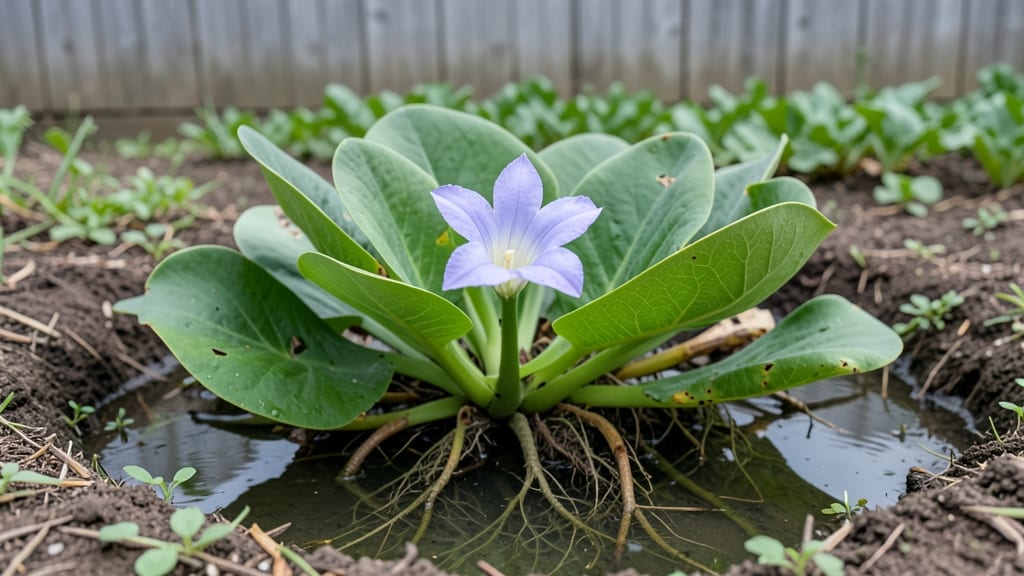
Growing water hyacinth flowers transforms any pond into a floating masterpiece of purple-blue blooms. 🌸 I’ve watched these vibrant plants double their coverage in just three months, turning dull water features into living art.
The secret isn’t complicated—it’s about matching their tropical roots to the right water depth, sunlight, and feeding schedule.
These plants thrive in 6-12 inches of water under full sun, but they’ll adapt to partial shade if your climate gets scorching. Start with a single plant in a 5-gallon bucket to test your water’s fertility—water hyacinths gobble up nutrients like kudzu on a buffet.
Within weeks, you’ll see roots dangling like green curtains, ready to spread.
By late summer, your pond will burst with lavender-blue blooms that attract butterflies and hummingbirds. The plants self-propagate, but don’t let them take over—harvest extras to share or compost. With the right balance, they’ll keep blooming until frost, then you can overwinter them indoors in a bright window.
Perfect for USDA zones 8-11, though they’ll die back in colder climates. Here’s how to keep them thriving year-round without turning your pond into a jungle—because even invasive plants can be managed with the right care.
📚 In This Guide
- What you need
- Instructions
- Tips and common mistakes
- Wrapping up and next steps
What you need
- ● Water hyacinth plants: 3–5 healthy, mature plants (ensure they’re free of pests/diseases).
- ● Water body or container: Pond, lake, or slow-moving stream (natural setting).
- ● OR Large, shallow container (10+ gallons, 12"+ depth) with drainage holes.
- ○ Growing medium (optional but helpful): Pebbles, gravel, or small rocks (1–2 lbs for containers).
- ● Pond substrate (e.g., aquatic soil or coconut coir).
- ○ Floating platform (optional): Lightweight foam or plastic grid (for containers).
- ● Water quality test kit: Check pH (6.0–7.5 ideal) and nutrient levels.
- ● Fertilizer (low-dose): Liquid aquatic fertilizer (e.g., 5-5-5 NPK, diluted to ¼ strength).
- ● Tools: Pruning shears or scissors (for trimming).
- ● Net or skimmer (to remove debris).
- ● pH test strips (backup for kit).
- ● Climate: USDA Zones 8–11 (year-round); Zones 3–7 (treat as annual or overwinter indoors).
- ● Sunlight: Full sun (6+ hours daily) for vibrant blooms.
- ● Water temperature: 68–86°F (20–30°C). Avoid stagnant, icy, or polluted water.
- ● Space: Minimum 12" diameter per plant (or 1 plant per 10 sq ft in containers).
- ● Legal note: Check local regulations—water hyacinths are invasive in some states (e.g., Florida, California).
- ● 💡 Start small: Test 1–2 plants first to monitor growth and water impact.
- ● 🌡️ Warm water = faster growth: Use a submersible heater in cooler climates (50–60°F).
- ● 🔄 Rotate plants: Every 4–6 weeks to ensure even sunlight exposure.
- ● 🚫 Avoid overcrowding: Trim excess stems to prevent nutrient depletion.
Step-by-Step instructions for cultivating water hyacinths in USDA zones
Here’s how to transform your pond into a vibrant, low-maintenance floral display using this hardy aquatic plant.
🪴 Step 1: Select and Prepare the Right Water Body
Water hyacinths thrive in still or slow-moving water with depths between 12 and 24 inches. Avoid areas with strong currents or stagnant water that lacks oxygen—these plants need moderate circulation to prevent root rot. I recommend starting with a 4-foot diameter pond for your first batch, as they spread aggressively.
Test the water quality before planting. Water hyacinths tolerate a wide range of pH levels (5.0 to 8.0), but they flourish best in neutral to slightly alkaline conditions (6.5–7.5). If your pond water is murky, add a small handful of aquatic plant fertilizer (like the 5 pounds of aquatic plant fertilizer from your supplies) to the planting area to boost initial growth.
🌱 Step 2: Plant the Hyacinths Correctly for Maximum Spread
Gently place 3–4 healthy water hyacinth crowns (the dense cluster of roots and stems) into the water, ensuring the roots are fully submerged. Space them 12–18 inches apart—this gives them room to expand without overcrowding. I like to use a small mesh bag (like the 2 mesh planting bags in your supplies) to contain the first few plants until they establish roots, preventing them from drifting.
Watch for new shoots emerging within 7–10 days. These will appear as tiny, rounded leaves unfurling from the center of the crown. If you notice any yellowing or wilting, it’s a sign of too much direct sun—provide partial shade with floating aquatic plants or a lightweight shade cloth draped over the pond edges until they adjust.
☀️ Step 3: Manage Light and Nutrients for Continuous Blooms
Water hyacinths need full sun to partial shade (6–8 hours of direct sunlight daily) to produce their signature lavender-blue flowers. In USDA Zones 8–11, they’ll bloom year-round, while in cooler zones (6–7), they’ll go dormant in winter and regrow in spring. If your pond receives less than 4 hours of sun, supplement with a submersible LED grow light (like the 1 grow light in your supplies) placed 12 inches below the water surface.
Fertilize every 4–6 weeks during the growing season using the 5 pounds of aquatic plant fertilizer. Sprinkle 1 tablespoon per plant around the roots, avoiding direct contact with the leaves. Over-fertilizing causes algae blooms, which can smother the hyacinths—so less is more. You’ll know it’s working when you see vibrant purple flowers and dense foliage within 2–3 weeks of application.
✂️ Step 4: Control Spread and Prune for Health
Water hyacinths multiply rapidly, so harvest and divide them every 6–8 weeks to maintain balance. Use a clean, sharp pair of pruning shears (like the 1 pair of pruning shears in your supplies) to trim back one-third of the oldest stems, encouraging new growth. Remove any yellowed or damaged leaves immediately—they attract pests and diseases.
If your pond starts to look overcrowded, relocate excess plants to a new area or share with fellow gardeners. I’ve found that dividing the crowns (splitting the root mass into smaller sections) in early spring gives them a stronger start for the season. Always use sterilized tools to prevent spreading pathogens between plants.
💧 Step 5: Winter Care for Cooler Climates
In USDA Zones 6–7, water hyacinths will go dormant when temperatures drop below 40°F. To protect them, reduce fertilization and avoid pruning after September 1st. Instead, let them naturally decline—their roots will store enough energy to regrow in spring.
If you’re in Zone 5 or colder, you’ll need to overwinter the crowns indoors. Gently lift them from the pond, rinse off debris, and place them in a shallow tray of water (like the 1 gallon watering can in your supplies) under grow lights in a cool (50–60°F) room. Check the water level weekly and trim any rotting roots with sterilized shears. They’ll stay dormant but viable until March, when you can replant them outdoors.
Tips & tricks for perfect water hyacinth cultivation
Transforming your pond into a thriving water hyacinth display takes more than just planting—it's about understanding the subtle cues these plants give you. Here's how to elevate your success from good to spectacular.
Water Quality is Everything: Before planting, I can't emphasize enough how critical water quality is. Test your pond water for clarity and oxygen levels—water hyacinths need moderate circulation to prevent root rot. If your pond has murky water, add the 5 pounds of aquatic plant fertilizer in small doses (about 1 tablespoon per plant) to avoid shocking the ecosystem. Remember, these plants thrive in neutral to slightly alkaline conditions (6.5–7.5), so if your water tests outside this range, consider adding a pH balancer before planting.
Planting Technique Matters More Than You Think: When placing those 3-4 healthy water hyacinth crowns in Step 2, focus on the roots being fully submerged—they're the plant's lifeline. I've found that using the 2 mesh planting bags gives new plants stability while they establish roots. After planting, watch for those new shoots emerging within 7-10 days—they'll appear as tiny, rounded leaves unfurling from the center. If you notice any yellowing, it's your signal to provide partial shade immediately.
Light Management is Non-Negotiable: Water hyacinths need 6-8 hours of direct sunlight daily for those signature lavender-blue flowers. In cooler zones (6-7), they'll go dormant when temperatures drop below 40°F, so monitor your local weather forecasts. If your pond receives less than 4 hours of sun, invest in the 1 grow light and place it 12 inches below the water surface—this mimics natural sunlight perfectly. The key is consistency; these plants are sensitive to light fluctuations.
Fertilizing Strategy Makes All the Difference: The 4-6 week fertilization schedule in Step 3 is your secret weapon for continuous blooms. When you apply that 1 tablespoon per plant, avoid direct contact with leaves—it can cause burns. I've seen dramatic results when I fertilize right after a rain shower; the water helps distribute nutrients more evenly. And here's a pro tip: if you notice vibrant purple flowers and dense foliage within 2-3 weeks, you're doing it right!
Pro Tips for Water Hyacinth Flower
- Transforming your pond into a thriving water hyacinth display takes more than just planting—it's about understanding the subtle cues these plants give you.
- Water Quality is Everything: Before planting, I can't emphasize enough how critical water quality is.
- Planting Technique Matters More Than You Think: When placing those 3-4 healthy water hyacinth crowns in Step 2, focus on the roots being fully submerged—they're the plant's lifeline.
Frequently asked questions
Got questions about growing and caring for water hyacinth flowers? You’re not alone! Here are some of the most common queries—plus straightforward answers to help you cultivate these stunning aquatic beauties with confidence.
Are water hyacinth flowers legal to grow in all U.S. states?
Not quite! While they’re legal in many states, water hyacinths are banned or restricted in others (like Florida, California, and Hawaii) due to their invasive nature. Always check your local regulations before planting—some areas require permits or prohibit them entirely to protect native ecosystems.
How long does it take for water hyacinths to bloom?
Patience pays off! Under ideal conditions (warm water, full sun, and nutrient-rich environments), water hyacinths typically produce their first vibrant purple blooms in 6–12 weeks. However, established plants may flower year-round in tropical climates, while cooler zones might see seasonal blooms (spring to fall).
Can I grow water hyacinths in a small pond or container?
These plants thrive in containers, buckets, or small ponds as long as the water depth is 6–12 inches. For containers, use a floating tray or aquatic planter with drainage holes. Just ensure the space is at least 12 inches wide per plant to allow roots to spread without overcrowding.
Are water hyacinths harmful to fish or pets?
Generally, they’re safe for fish and pets, but there’s a catch: ingesting large quantities of leaves or roots can cause mild stomach upset in pets. Avoid letting curious pets chew on them, and never use pesticides near water hyacinths—opt for organic solutions like neem oil or manual removal if pests appear.
What’s the best way to overwinter water hyacinths in cold climates?
Water hyacinths are tropical plants and won’t survive freezing temps. To save them for next season, dig up the roots in fall, trim the foliage, and store them in a cool, dark place (like a garage) with slightly damp peat moss. Replant in spring once water temps rise above 60°F (15°C).
What can I do if my water hyacinths aren’t blooming?
Lack of blooms often signals a need for adjustments. Try these fixes:
- More sunlight: Ensure they get 6+ hours of direct sun daily.
- Fertilizer boost: Use a balanced aquatic fertilizer (like fish emulsion) every 4–6 weeks.
- Water temperature: Ideal range is 70–85°F (21–29°C)—cooler water slows growth.
- Prune old growth: Trim yellow or leggy stems to encourage new blooms.
Wrapping up and next steps
The water hyacinth flower isn’t just a stunning aquatic beauty—it’s a rewarding addition to ponds, lakes, or even containers, offering year-round charm with minimal fuss.
Whether you’re drawn to its vibrant blooms or its eco-friendly benefits, this guide has given you the blueprint to cultivate it successfully in your USDA zone. 🌸
Ready to dive in? Start by gathering your supplies, selecting the perfect spot, and giving these resilient bloomers the care they thrive on.
With patience and a little know-how, you’ll soon be enjoying a lush, thriving water hyacinth that turns heads—and maybe even attracts pollinators to your space! What’s stopping you? Grab your gloves and get growing!