
Pruning
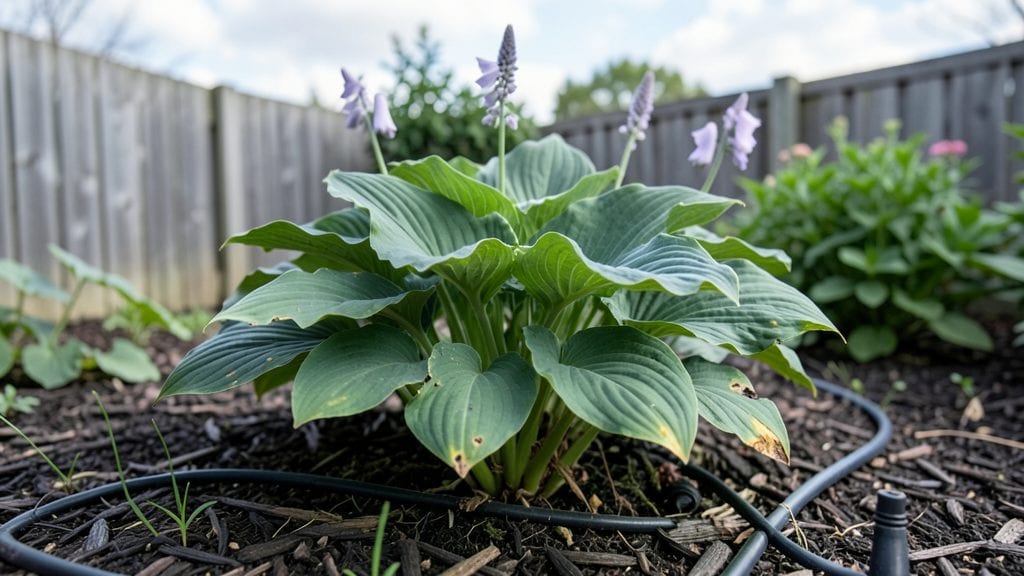
Creating a flower bed under your tree starts with the right shade-loving plants and smart layering—this is how I transformed my dark corner into a lush, low-maintenance showcase.
The key isn’t just picking pretty flowers; it’s choosing perennials that thrive where sunlight barely reaches, like hostas, ferns, and bleeding hearts, all while keeping roots happy beneath the canopy.
You’ll need a 3-inch layer of mulch (cypress or hardwood) to block weeds and retain moisture, plus a soil mix that drains well but holds nutrients—tree roots compete fiercely, so amending with compost makes all the difference.
I also add a drip irrigation line to avoid overwatering, which is a common pitfall in shaded beds.
By layering plants from tall (like astilbes) to mid-height (heucheras) down to ground covers (like ajuga), you create depth and movement that catches the eye. Within a season, you’ll have a bed that blooms sporadically but stays vibrant year-round, with fewer weeds and less fuss than sunlit gardens.
This approach works for any mature tree—oak, maple, or pine—just adjust for your tree’s specific shade intensity. The biggest mistake? Skipping the soil test first. Let’s get your design started with the right foundation.
📚 In This Guide
- What you need
- Instructions
- Tips and common mistakes
- Wrapping up and next steps
What you need
- ● Shade-tolerant perennials: 10–20 plants (e.g., Hosta, Astilbe, Heuchera, Lungwort, or Ferns). Choose varieties with varying heights (6"–36") for layered depth.
- ● Mulch: 2–3 bags of organic mulch (e.g., shredded bark or pine needles) to retain moisture and suppress weeds.
- ● Soil amendments: 1–2 bags of compost (to improve drainage and fertility).
- ○ Optional: 1 bag of peat moss (for acid-loving plants like Azaleas or Rhododendrons).
- ● Slow-release fertilizer: 1–2 lbs of 10-10-10 or balanced organic fertilizer (e.g., fish emulsion or bone meal).
- ● Garden gloves (1 pair) – for comfort and protection.
- ● Garden trowel or hand shovel (1) – for digging and planting.
- ● Pruners (1 pair) – for trimming roots or shaping plants.
- ● Rake (1) – to level soil and remove debris.
- ● Wheelbarrow or bucket (1) – for hauling mulch and soil.
- ● Watering can or hose with a gentle spray nozzle (1) – for post-planting hydration.
- ● Edging materials: Flexible metal or plastic edging (10–20 ft) to define the bed’s borders.
- ● Ground cover plants: 5–10 Sweet Woodruff or Creeping Jenny plants to fill gaps and reduce weeds.
- ● Decorative rocks or gravel: 1–2 bags for a polished, low-maintenance look.
- ● Drip irrigation kit: For automated watering (especially useful under dense canopies).
Step-by-Step instructions for creating a thriving flower bed under tree
Here’s how to transform a dark, neglected space into a lush perennial garden that thrives without direct sun.
Prepare the Soil and Test Moisture Conditions
The first challenge under a tree is compacted, dry soil. Start by removing any grass or weeds within the planting area, then loosen the top 6 inches of soil with a garden fork. This improves root penetration and drainage—critical for shade-loving perennials. If the soil feels dense or clay-heavy, mix in 2-3 inches of compost to enhance fertility and structure.
Check moisture levels by digging a 4-inch deep hole. If the soil stays damp for more than a day, you’ll need to plant moisture-tolerant species. If it dries out quickly, mulch will be your best friend. I always test this before selecting plants, as waterlogged roots can be just as deadly as drought stress.
Layer Plants by Height and Light Tolerance
Design your bed in three tiers: tall perennials at the back, mid-height plants in the middle, and low-growing ground covers in front. For deep shade (under dense canopies), choose hellebores, astilbes, and ferns. In partial shade (dappled light), add hostas, bleeding hearts, and lungwort. Space larger plants 18-24 inches apart to allow airflow and reduce competition.
Place the tallest plants—like Japanese forest grass or Solomon’s seal—closest to the tree trunk, where they won’t be overshadowed. Mid-height perennials, such as coral bells or foamflower, go next, followed by creeping phlox or ajuga at the front. This ensures every layer gets the light it needs without struggling.
Amend Soil with Organic Matter and Mulch Heavily
Spread a 3-inch layer of organic mulch—like shredded bark or wood chips—over the entire bed. This suppresses weeds, retains moisture, and slowly enriches the soil as it decomposes. Avoid fresh wood chips, which can tie up nitrogen; opt for well-aged or composted varieties instead. Keep mulch 2-3 inches away from plant stems to prevent rot.
For extra fertility, top-dress with a 1-inch layer of compost around each plant after the first year. This replenishes nutrients lost to competition with tree roots. I also add a handful of bone meal or slow-release fertilizer at planting time to give perennials a strong start—especially in nutrient-poor shade soil.
Water Deeply and Monitor for Stress Signs
Water newly planted perennials deeply once a week for the first 4-6 weeks, ensuring moisture reaches 6 inches below the surface. Shade-loving plants often have shallow roots, so consistent moisture is key. After establishment, most perennials will need water only during prolonged dry spells. Check soil moisture by sticking your finger 2 inches deep—if it’s dry, it’s time to water.
Watch for yellowing leaves or wilting, which can signal overwatering or root rot. If leaves appear crispy, the mulch may have pulled away from the soil, exposing roots to dry air. Adjust your watering routine based on seasonal changes—spring and fall may require less frequent watering than summer’s heat.
Prune and Maintain Seasonal Care
In early spring, remove any dead or damaged foliage from the previous year, but leave last season’s stems on perennials like hellebores and astilbes—they provide winter interest and protect emerging shoots. Cut back leggy growth in late summer to encourage bushier, more compact plants. I always prune with clean, sharp shears to avoid tearing stems and inviting disease.
Fertilize lightly in early spring with a balanced, slow-release formula (like 10-10-10) to support new growth. Avoid high-nitrogen fertilizers, which can lead to excessive leafy growth at the expense of flowers. Instead, focus on organic amendments like compost or worm castings to build soil health over time.
Tips & tricks for perfect shade-loving perennial gardens
Creating a thriving perennial garden under a tree requires thoughtful planning—these insights will help you avoid common pitfalls and maximize success.
Soil Preparation is Non-Negotiable: In Step 1, when loosening that top 6 inches of soil, don't rush the process. Compacted soil under trees can be particularly stubborn. Use a garden fork to break up any dense layers, and if you encounter roots from the tree itself, gently work around them rather than forcing the fork. The goal is to create a loose, airy environment that mimics the natural forest floor where these perennials evolved. I've seen gardens fail spectacularly when this step is skipped—roots struggle to penetrate compacted soil, leading to stunted growth.
Light Mapping Makes All the Difference: Step 2's three-tiered approach works beautifully, but the real magic happens when you map your tree's light patterns. Observe how sunlight filters through the canopy at different times of day. The back tier under dense shade might receive only 2-3 hours of dappled light, while the front tier could get 4-6 hours. Adjust your plant selection accordingly—some hellebores thrive in true shade, while others need that extra light to bloom reliably. I always sketch a rough map before planting to visualize how each plant will interact with the available light.
Mulch Thickness Matters More Than You Think: The 3-inch mulch layer in Step 3 is your secret weapon against moisture loss and weed competition. But here's the critical detail: spread it evenly across the entire bed, including between plants. Many gardeners make the mistake of piling mulch only around the base of plants, creating dry zones. For deep shade conditions, consider adding a second layer of mulch in summer to combat heat stress. And remember—keep that mulch 2-3 inches away from stems to prevent rot, which is especially important for moisture-loving perennials.
Watering Strategy for Shallow Roots: Step 4's deep watering routine is perfect, but the key is consistency. Shade-loving perennials often have shallow root systems that dry out quickly. When you water, aim for that 6-inch depth, but do it slowly to allow water to penetrate rather than running off. I've found that using a soaker hose or drip irrigation system works best—it delivers water directly to the root zone without disturbing the soil. And that 2-inch moisture check? Stick your finger in at multiple spots to get an accurate reading, as soil moisture can vary dramatically even within the same bed.
Pro Tips for Flower Bed Under Tree
- Creating a thriving perennial garden under a tree requires thoughtful planning—these insights will help you avoid common pitfalls and maximize success.
- Soil Preparation is Non-Negotiable: In Step 1, when loosening that top 6 inches of soil, don't rush the process.
- Light Mapping Makes All the Difference: Step 2's three-tiered approach works beautifully, but the real magic happens when you map your tree's light patterns.
Frequently asked questions
Got questions about creating a stunning flower bed under tree? You’re not alone—many gardeners face the same challenges! Below, we’ve rounded up the most common queries to help you plan with confidence.
What are the best shade-tolerant perennials for a flower bed under a tree?
Opt for hostas, heucheras, astilbes, foxgloves, and ferns—they thrive in low light. For color, try bleeding hearts or Japanese painted ferns. Avoid sun-loving plants like daylilies or lavender, as they’ll struggle in deep shade.
How long does it take for a flower bed under a tree to establish?
With proper prep (soil amendment, mulch, and shade-tolerant plants), you’ll see color in the first year, but full maturity takes 2–3 seasons. Patience pays off—root systems strengthen over time, making your bed more resilient.
Can I plant flowers under a tree with shallow roots?
Yes! Choose ground covers like wild ginger or sweet woodruff, which won’t compete with roots. For deeper-rooted perennials, keep them 3–4 feet from the trunk to avoid root damage. Avoid aggressive spreaders like mint.
What’s the best time to plant a flower bed under a tree?
Plant in early spring or fall when soil is workable but not frozen. Avoid summer heat, which stresses young plants. If your tree drops leaves seasonally, wait until after they fall to assess true shade levels.
Why are my plants dying under the tree despite proper care?
Check for root competition (mulch too close to trunk?), compacted soil (amend with compost), or overwatering (shade retains moisture—drainage matters!). Yellow leaves? Could be fungus—improve airflow and avoid overhead watering.
How can I add height and texture to my layered flower bed?
Use structural plants like coral bells (for height) or sedge grasses (for texture). Add ornamental grasses (e.g., Hakonechloa) or foliage plants like Japanese forest grass for movement. Mix leaf shapes—broad-leafed hostas with feathery astilbes create visual interest!
Wrapping up and next steps
Creating a flower bed under a tree is a rewarding way to transform overlooked shade into a vibrant, low-maintenance paradise! 🌿 By layering shade-loving perennials, you’ve crafted a space that thrives with minimal effort while adding beauty and life to your garden.
The key? Patience, preparation, and the right plant choices—now it’s time to sit back and enjoy the blooms!
Ready to take it further? Expand your design by adding mulch for extra moisture retention or introducing pollinator-friendly plants to attract bees and butterflies. Your garden’s next masterpiece is just a season away! 🌸