
Tools
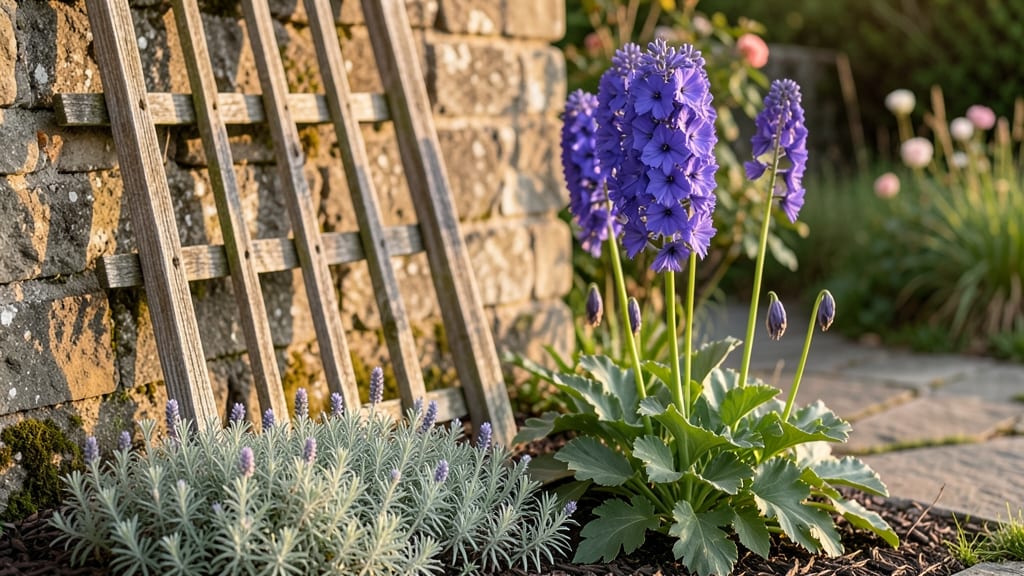
A mixed flower garden isn't just pretty—it's a buzzing, fragrant ecosystem that brings bees, butterflies, and hummingbirds to your yard. I designed mine after realizing my previous beds looked like a botanical postcard but did nothing for local wildlife.
The key? Layering plants by height, color, and bloom time so there's always something in flower, something for pollinators to snack on, and something to catch your eye.
Start with a sunny spot (at least 6 hours of light daily) and work with what you have—whether it's a small corner or a full backyard. You'll need a mix of annuals for instant color, perennials for structure, and bulbs for early-season blooms.
My first garden used black-eyed Susans, coneflowers, and bee balm as the backbone, then filled in with salvia, lavender, and cosmos for texture and fragrance. The result? A garden that thrives with almost no effort after the first year.
By summer's end, you'll have a garden that hums with activity—bees darting between blooms, butterflies sipping nectar, and the air thick with sweet fragrance. The colors shift seasonally: purples and blues in spring, bright yellows and oranges in summer, and deep reds and golds in fall.
Even in winter, the structure of dried stems and seed heads adds unexpected texture. It's not just a garden; it's a living, breathing work of art.
This design works in any climate—just swap heat-loving plants like lantana for cooler-season varieties like pansies if you're in a colder zone. The principles stay the same: layer heights, mix bloom times, and prioritize pollinators.
Ready to transform your space into a haven for both beauty and wildlife? Let's get started.
📚 In This Guide
- What you need
- Instructions
- Tips and common mistakes
- Wrapping up and next steps
What you need
- ● Seeds or Plants: Annuals (e.g., Zinnias, Marigolds, Cosmos): 10–20 plants/seeds per square foot
- ● Perennials (e.g., Coneflowers, Black-Eyed Susans, Daylilies): 3–5 plants per square foot
- ● Pollinator favorites (e.g., Lavender, Bee Balm, Milkweed): 5–10 plants
- ● Fragrant options (e.g., Dianthus, Sweet Alyssum, Honeysuckle): 3–5 plants
- ● Soil Amendments: Compost: 2–3 inches per planting area
- ● Organic mulch (e.g., cedar chips, straw): 2–3 inches to retain moisture
- ● Watering Supplies: Hose with adjustable nozzle or watering can
- ○ Drip irrigation kit (optional but helpful for efficiency)
- ● Basic Tools: Garden trowel (for transplanting small plants)
- ● Hand fork or garden fork (for loosening soil)
- ● Pruning shears (for shaping and maintenance)
- ● Garden gloves (to protect your hands)
- ○ Optional Upgrades: Wheelbarrow (for hauling soil/mulch)
- ● Soil pH tester (to ensure optimal growing conditions)
- ● Stakes or trellises (for climbing flowers like Sweet Peas or Clematis)
- ● Knee pad or cushion (for comfort during planting)
- ● Location: Full sun (6+ hours/day) or partial shade (4–6 hours/day), depending on flower types
- ● Space: Minimum 4’x4’ area (expandable for larger gardens)
- ● Timing: Spring or fall planting (check local frost dates)
- ● Watering schedule: 1–1.5 inches per week (adjust for drought)
- ● Knowledge: Basic understanding of flower spacing and companion planting (e.g., pair tall flowers with shorter varieties)
How to design a mixed flower garden that thrives year-round
Here's the method I've used to create vibrant, low-maintenance pollinator havens that bloom continuously.
Plan Your Garden Layout With Strategic Layers
Start by sketching your space, dividing it into three distinct layers: tall backrow plants, mid-height blooms, and low-growing ground cover. I always place the tallest varieties—like delphiniums or hollyhocks—along the back or north side to avoid shading shorter plants. This creates depth and ensures every plant gets sunlight.
Next, group plants by their bloom times to guarantee continuous color. Early spring bulbs like daffodils or tulips should lead into summer perennials like coneflowers or black-eyed Susans, which then transition to fall-blooming asters. This sequential planting keeps your garden lively from March through November without gaps.
Prepare the Soil for Pollinator-Friendly Growth
Test your soil's pH and amend it to a neutral 6.0-7.0 range—most pollinator plants prefer this balance. I mix 2-3 inches of compost into the top 6-8 inches of soil to improve drainage and nutrient retention. For heavier clay soils, add sand or perlite to prevent compaction.
Add a slow-release organic fertilizer like bone meal or fish emulsion at planting time to give roots a steady nutrient supply. Avoid synthetic fertilizers high in nitrogen—they promote leafy growth at the expense of flowers, which is exactly what pollinators need. Work these amendments into the soil until it looks dark, crumbly, and moist but not soggy.
Plant With Pollinator Needs in Mind
Choose a mix of native plants and pollinator favorites like bee balm, lavender, and milkweed—these attract bees, butterflies, and hummingbirds while supporting local ecosystems. Space plants according to their mature size: 12-18 inches apart for perennials and 6-12 inches for annuals to allow airflow and prevent disease.
Dig holes twice as wide as the root ball but only as deep as the container's base. Gently loosen roots if they're circling and place the plant so the top of the root ball sits even with the soil line—burying stems too deep can cause rot. Water immediately after planting to settle the soil and eliminate air pockets.
Mulch and Water for Long-Term Success
Apply 2-3 inches of organic mulch—like shredded bark or straw—to retain moisture, suppress weeds, and regulate soil temperature. Keep mulch 2 inches away from plant stems to prevent rot. Water deeply once a week during the first growing season, allowing 1 inch of water to penetrate the soil.
Check soil moisture by sticking your finger 2 inches deep—if it feels dry, water again. Avoid overhead watering, which can spread fungal diseases. Instead, use drip irrigation or soaker hoses to deliver water directly to the roots where plants need it most.
Maintain With Seasonal Care
Deadhead spent blooms regularly to encourage continuous flowering and prevent self-seeding where you don’t want it. In early spring, trim back perennial stems by one-third to promote fresh growth. Fertilize lightly in early spring and midsummer with a balanced organic fertilizer to support blooming.
Monitor for pests like aphids or Japanese beetles—spray affected plants with neem oil or insecticidal soap as needed. Prune leggy growth in late summer to redirect energy toward root development for next year. By late fall, remove annuals and diseased foliage, but leave perennial stems for winter interest and natural mulch.
Tips & tricks for perfect mixed flower garden design
Creating a thriving pollinator garden goes beyond basic planting—these insights will help you avoid common pitfalls and maximize your garden's potential for year-round beauty and ecological benefits.
Layering for Sunlight Optimization: When planning your three-layer layout in Step 1, remember that even the shortest plants need at least 6 hours of direct sunlight daily. I often add a few low-growing annuals like alyssum in front of perennials to create a living mulch that protects roots while allowing sunlight to reach deeper layers. This extra layer also creates microhabitats for beneficial insects.
Soil Amendments for Pollinator Health: The 6.0-7.0 pH range mentioned in Step 2 is crucial, but don't stop there. I recommend adding 1 cup of wood ash per 100 square feet to raise pH slightly if your soil tests acidic—many pollinator plants prefer the upper end of this range. For heavy clay soils, incorporate 1 part perlite to 3 parts soil when amending to improve drainage without disturbing the soil structure.
Plant Spacing Precision: The 12-18 inch spacing for perennials in Step 3 might seem generous, but trust me—this prevents competition for nutrients and reduces disease spread. For bee balm specifically, I space plants 18 inches apart to allow airflow and prevent the fungal issues that often plague crowded plantings. You'll notice healthier foliage and more robust blooms when you give plants room to breathe.
Seasonal Maintenance Calendar: Create a simple chart marking your early spring and midsummer fertilization dates from Step 5. I schedule mine for March 15th and July 1st in my zone 6 climate, but adjust based on your last frost date. This timing ensures you're feeding plants when they need it most—just as new growth emerges in spring and during the summer blooming peak.
Pro Tips for Mixed Flower Garden
- Creating a thriving pollinator garden goes beyond basic planting—these insights will help you avoid common pitfalls and maximize your garden's potential for year-round beauty and ecological benefits.
- Layering for Sunlight Optimization: When planning your three-layer layout in Step 1, remember that even the shortest plants need at least 6 hours of direct sunlight daily.
- Soil Amendments for Pollinator Health: The 6.0-7.0 pH range mentioned in Step 2 is crucial, but don't stop there.
Frequently asked questions
What’s the best time of year to plant a mixed flower garden?
The ideal time depends on your climate! In temperate zones, plant perennials in early spring or fall (4-6 weeks before frost) for root establishment. Annuals thrive when soil warms (after last frost). In warm climates, plant in fall or winter to avoid summer heat stress. Always check seed packets for specific timing!
How do I attract more pollinators to my garden?
Pollinators love diverse, native plants with continuous blooms (e.g., milkweed for butterflies, coneflowers for bees). Add water sources (shallow dishes with rocks) and avoid pesticides. Plant in clusters (not rows) to mimic natural habitats. Bonus: Leave some "wild" areas—they’re pollinator paradises!
Can I mix vegetables or herbs with flowers?
Many flowers repel pests (e.g., marigolds deter nematodes) or attract beneficial insects (e.g., alyssum lures hoverflies). Try companion planting: basil + petunias, tomatoes + nasturtiums, or onions + lavender. Just avoid competitive root systems (e.g., flowers near shallow-rooted veggies like lettuce).
What if my flowers aren’t blooming as expected?
Check these fixes:
- Deadhead spent blooms regularly to encourage reblooming.
- Ensure 6+ hours of sunlight (most flowers need full sun).
- Water deeply but infrequently (1–1.5 inches/week).
- Fertilize lightly (too much = leafy growth, few flowers).
- Test soil pH—some flowers (like hydrangeas) need acidic soil.
Are there low-maintenance flower options for beginners?
Start with hardy perennials like black-eyed Susans, daylilies, or Russian sage—they return yearly with minimal care. For annuals, try zinnias (self-seeding) or cosmos (drought-tolerant). Native wildflowers (e.g., coneflowers, bee balm) thrive with little water or fertilizer. Mulch to suppress weeds and retain moisture!
Wrapping up and next steps
A mixed flower garden isn’t just a feast for the eyes—it’s a thriving ecosystem that supports pollinators, fills the air with intoxicating scents, and brings joy with every season’s bloom. 🌸 Whether you’re a beginner or a seasoned gardener, the key is to embrace diversity, patience, and a little creativity.
Your garden will reward you with color, life, and beauty—one petal at a time!
Ready to transform your space? Start small—pick a sunny spot, gather your favorites, and let nature do the rest. Check out our planting guide for step-by-step inspiration, then roll up your sleeves and get growing! 🌱