
Fertilization
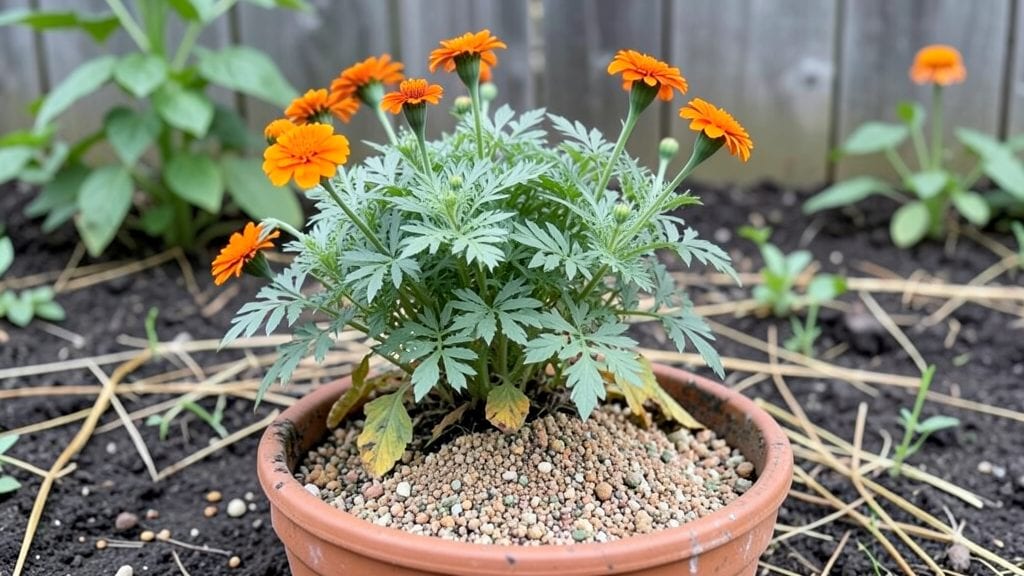
Miracle Gro Flower Food’s NPK formula is the game-changer for gardeners who want their 🌸 blooms to last all season instead of fading in a week.
Struggling to keep your flowers blooming longer than a weekend? The secret isn’t luck—it’s the perfect balance of nitrogen, phosphorus, and potassium in this fertilizer. When used right, it turns lackluster stems into vibrant displays that thrive from spring through summer.
This isn’t just another fertilizer—it’s designed specifically for flowering plants, with a 12-14-14 NPK ratio that fuels root growth, boosts blossom production, and keeps petals bright. Whether you’re growing petunias in pots or roses in your yard, understanding how to apply it makes all the difference.
Below, I’ll break down the exact ratios, application tips, and common mistakes to avoid—so you can enjoy longer-lasting blooms without the guesswork.
Understanding Miracle Gro Flower Food NPK ratios: what the numbers mean for your blooms
When you see the NPK ratio on Miracle Gro Flower Food—like 12-14-14—those numbers aren’t just random digits. They’re a precise formula telling you exactly how much nitrogen (N), phosphorus (P), and potassium (K) your flowers need to thrive.
This ratio is carefully balanced to fuel root development, bloom production, and plant resilience, ensuring your garden stays vibrant all season.
Let’s break down what each number means and why this specific ratio works so well for flowering plants. The 12-14-14 ratio isn’t arbitrary—it’s science-backed to maximize flowering intensity, color vibrancy, and longevity.
For example, the slightly higher phosphorus (P) content (14) is crucial for encouraging strong root systems and abundant blooms, while the balanced potassium (K) (also 14) helps plants withstand stress and disease.
The summary table below clarifies how each nutrient contributes to your flowers’ health and why this ratio is ideal for gardeners like you:
Here’s how these nutrients work together in your garden: Nitrogen fuels the foliage, giving your plants the energy to grow strong stems and leaves.
But too much nitrogen can lead to leafy monsters with few blooms—hence the moderate 12% in this formula. Phosphorus, at 14%, is the star of the show for flowers. It triggers the blooming process and ensures your petunias, roses, or geraniums produce abundant, vibrant blooms.
Potassium, also at 14%, acts like a bodyguard for your plants. It helps them fight off pests, tolerate heat, and recover from stress, like drought or heavy rain.
Without enough potassium, your flowers might look healthy on the outside but struggle internally, leading to weak stems or dull colors. This ratio ensures your plants stay strong and show-stopping from spring to fall.
For example, if you’re growing petunias, which are heavy bloomers, the 14% phosphorus will encourage non-stop flowers, while the 12% nitrogen keeps their leaves lush but not overwhelming.
Roses, on the other hand, benefit from the balanced potassium to resist black spot disease and maintain rich, deep colors. This is why gardeners swear by Miracle Gro Flower Food—it’s tailored to flowering plants, not just any old greenery.
One common misconception is that higher numbers are always better. But in this case, the 12-14-14 ratio is perfectly balanced for most flowering plants. Too much nitrogen can delay blooming, while too little phosphorus can stunt flower production.
The key is consistency—applying the fertilizer as directed and monitoring your plants’ response. If you notice yellow leaves, you might need more nitrogen; if blooms are sparse or small, it’s time to boost the phosphorus.
Another pro tip: Pair this fertilizer with organic matter, like compost or well-rotted manure, to improve soil structure and nutrient retention. This combo ensures your plants get a steady supply of nutrients without the risk of burning from over-fertilizing.
Think of it like giving your flowers a balanced diet—they’ll reward you with longer-lasting, more dramatic blooms all season.
So next time you’re holding that Miracle Gro Flower Food bottle, remember: those numbers aren’t just labels—they’re a promise of blooms. Use them wisely, and your garden will thank you with colorful, thriving flowers that turn heads (and maybe even a few green thumbs jealous of your success). 🌸
How to apply Miracle Gro Flower Food for maximum blooms: step-by-step feeding schedule
Miracle Gro Flower Food’s 12-14-14 NPK ratio is specifically designed to boost blooms, but timing and application matter just as much as the formula itself. Whether you're nurturing annuals like petunias or perennials like daylilies, following this schedule ensures your flowers stay vibrant from spring to fall.
The key is consistency—too little, and blooms fizzle; too much, and you risk burning roots.
Before you start, check your plant’s current growth stage. New seedlings or transplants need gentle feeding, while established plants can handle the full dose. Always apply Miracle Gro Flower Food to moist soil (never dry) to prevent root damage.
For container plants, dilute the solution by half to avoid salt buildup in the soil.
Step-by-Step Miracle Gro Flower Food Schedule
-
Step 1: Prep Your Plants
Water your flowers thoroughly 24 hours before applying Miracle Gro. This ensures the fertilizer dissolves evenly and reaches the roots without burning tender foliage. -
Step 2: Mix the Solution
For garden beds, use 1 tbsp per 1 gallon of water. For container plants, dilute to ½ tbsp per gallon to prevent salt buildup. Stir well until fully dissolved. -
Step 3: Apply During Active Growth
Feed every 2 weeks from spring through early fall (April–September). Skip feeding in winter months or when plants are dormant. Apply in the early morning to avoid evening moisture on leaves. -
Step 4: Adjust for Plant Type
Annuals (e.g., marigolds, zinnias) need regular feeding every 2 weeks. Perennials (e.g., roses, coneflowers) can handle every 3 weeks once established. Always follow the label for newly planted flowers. -
Step 5: Monitor and Adjust
Watch for yellowing leaves (overfeeding) or weak stems (underfeeding). If you see leaf burn, flush the soil with water and reduce the dose. For potted plants, leach excess salts by watering until it runs out the drainage holes.
Pro tip: Pair your feeding schedule with regular deadheading (removing spent blooms) to encourage more flowers. This two-step process tricks your plants into thinking they’re still in peak blooming season, resulting in nonstop color all summer long. Just remember—consistency is your best friend when it comes to Miracle Gro.
For container gardens, consider using a spoonful of Miracle Gro granules mixed into the soil at planting time. This slow-release boost gives your flowers a head start, especially in small pots where nutrients deplete faster. Just be sure to water immediately after applying to activate the granules.
Finally, don’t forget that seasonal adjustments matter. In hot, dry climates, increase watering slightly after feeding to help roots absorb nutrients. In cooler regions, you might extend your feeding schedule into early October to prolong fall blooms. Pay attention to your plants—they’ll tell you when they’re happy!