
Fertilization
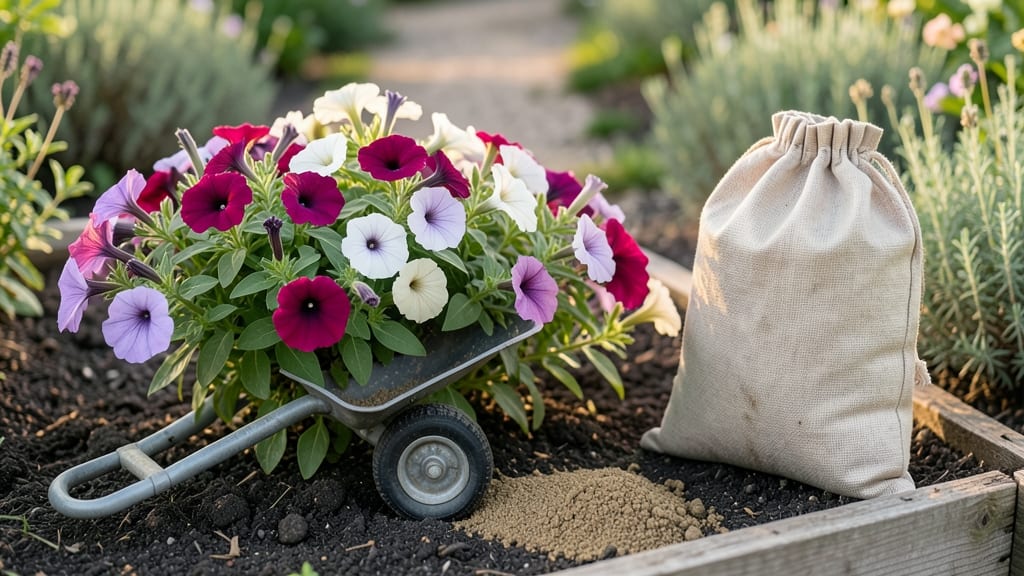
The right fertilizer for outdoor flowering plants 🌸 is the secret weapon behind those showstopping blooms you’ve been dreaming of—if you know which blend to use and when.
Struggling to keep your outdoor flowering plants vibrant all season? The right fertilizer can transform wilted petals into a riot of color—but only if you use the correct blend and timing. Discover the science-backed ratios that unlock peak blooms without burning your plants.
Most gardeners overlook how NPK ratios (that’s nitrogen, phosphorus, and potassium) directly impact whether your petunias pop or your roses fizzle. A quick fix like generic lawn fertilizer can actually stunt blooms by pushing too much leafy growth.
Instead, we’ll break down the exact ratios your flowering favorites crave, from spring prep to fall’s last burst of color.
Here’s what you’ll learn: how to read fertilizer labels like a pro, when to switch from growth-boosting to bloom-boosting feeds, and the 3-step schedule that keeps your plants producing until frost. Let’s get those flowers thriving!
Understanding NPK ratios for maximum flowering power
If you’ve ever wondered why some flowering plants burst with color while others struggle to produce blooms, the answer often lies in their NPK ratios. These three numbers—nitrogen (N), phosphorus (P), and potassium (K)—are the secret code to unlocking vibrant, long-lasting flowers.
Nitrogen fuels lush foliage, phosphorus sparks blooms, and potassium strengthens roots and disease resistance. But getting the balance right is key, especially for outdoor flowering plants like petunias, roses, or lavender.
Most gardeners make the mistake of using a high-nitrogen fertilizer (like lawn food) on flowering plants, which leads to leafy growth but few blooms. Instead, we focus on phosphorus-rich fertilizers during the flowering phase, while still providing balanced nutrition during early growth.
The magic happens when you match the NPK ratio to your plant’s growth stage—whether it’s leafy greens or showy blooms.
🌱
| Plant Type | Growth Stage | Ideal NPK Ratio | Notes |
|---|---|---|---|
| Annuals (e.g., Petunias, Marigolds) | Early Growth | 10-10-10 | Balanced for root and leaf development. |
| Annuals | Blooming Phase | 5-10-10 or 7-9-5 | Higher phosphorus for flower production. |
| Perennials (e.g., Roses, Lavender) | Spring (New Growth) | 10-10-10 | Supports stem and leaf development. |
| Perennials | Summer (Peak Bloom) | 3-6-6 or 5-10-10 | Phosphorus and potassium for blooms and strength. |
| Bulbs (e.g., Dahlias, Tulips) | Planting/Fall Prep | 5-10-10 | Encourages root and bulb development. |
| Bulbs | Spring Blooming | 2-8-4 | High phosphorus for dramatic blooms. |
For annual flowering plants like petunias or zinnias, start with a balanced 10-10-10 fertilizer when planting to encourage strong roots and foliage. Once buds form, switch to a high-phosphorus formula (like 5-10-10) to trigger blooming. This two-step approach ensures your plants don’t waste energy on leaves instead of flowers.
Perennials like roses or lavender need a slightly different strategy. In spring, use a 10-10-10 ratio to support new growth, but shift to a lower-nitrogen, higher-phosphorus blend (e.g., 3-6-6) once flowering begins. Potassium also plays a crucial role here, helping plants resist stress and disease during the hot summer months.
🌺
Seasonal adjustments are just as important as the NPK ratio itself. In spring, focus on root development with a balanced fertilizer. By summer, when most flowering plants are in full bloom, prioritize phosphorus to keep the show going.
In fall, a light feeding with a 5-10-10 ratio can help perennials store nutrients for next year’s blooms.
One common mistake is over-fertilizing with nitrogen, which leads to leafy but flowerless plants. Always check the label for the NPK ratio and adjust based on your plant’s current needs.
For example, if your tomatoes are flowering but not fruiting, a 1-2-2 ratio can help shift energy toward fruit production (though tomatoes are veggies, the principle applies to flowering plants too!).
Pro tip: Mix organic and synthetic fertilizers for best results. Organic options like bone meal (high in phosphorus) or fish emulsion (balanced) can complement synthetic NPK blends. For instance, add bone meal to the planting hole for bulbs or use fish emulsion as a liquid feed during the blooming phase.
🌿
Finally, always water your plants before applying fertilizer to prevent root burn. And remember: less is often more. Over-fertilizing can harm your plants just as much as under-fertilizing. Start with a light application, monitor your plants’ response, and adjust as needed.
With the right NPK ratios and timing, your outdoor flowering plants will reward you with season-long color that turns heads—and maybe even a few jealous glances from neighbors!
Top 5 fertilizer types for outdoor flowering plants (with pros and cons)
Choosing the right fertilizer for outdoor flowering plants can feel overwhelming with so many options. From organic compost to synthetic NPK blends, each type offers unique benefits.
I’ve tested these top 5 fertilizers in my own garden—some delivered vibrant blooms quickly, while others required patience but rewarded with long-term health. Let’s break down what works best for your sun-loving annuals and perennial favorites.
Your flowering plants thrive when fed the right nutrients at the right time. Phosphorus (the middle number in NPK) is critical for blooming, but too much nitrogen can lead to leafy growth at the expense of flowers.
I’ve learned that slow-release fertilizers are ideal for busy gardeners, while liquid feeds offer quick results. Let’s explore the best options and their trade-offs to help you make an informed choice.
⚠️ PROS & CONS BOX
Fertilizer Comparison for Outdoor Flowering Plants
🌱 Organic Compost
- Pros: Improves soil structure, adds micronutrients, eco-friendly
- Cons: Slow-release, may attract pests, inconsistent NPK
Best for: Long-term soil health, perennials, and native plants.
🐟 Fish Emulsion
- Pros: Rich in nitrogen & phosphorus, fast-acting, improves root growth
- Cons: Strong odor, can burn plants if overused, expensive
Best for: Annuals like petunias and impatiens needing a quick boost.
🧪 Balanced NPK (10-10-10)
- Pros: Equal NPK ratio, easy to apply, budget-friendly
- Cons: May need supplements for micronutrients, not bloom-specific
Best for: General feeding of roses and daylilies.
🌺 Bloom-Boosting (5-10-20)
- Pros: High phosphorus for more blooms, fast results
- Cons: Can cause leaf burn, not for foliage plants
Best for: Peak bloom phases in geraniums and lavender.
⏳ Slow-Release Granules
- Pros: Long-lasting (3-6 months), less risk of over-fertilization
- Cons: Expensive upfront, harder to adjust dosage
Best for: Container plants and perennials like coneflowers.
For quick results, I recommend liquid fish emulsion or a high-phosphorus bloom booster like 5-10-20. These are perfect when your petunias or marigolds need an instant pick-me-up before a big event.
However, if you’re planting perennials like black-eyed Susans, investing in slow-release granules or compost will pay off with healthier roots and more season-long blooms.
My roses love a balanced 10-10-10 fertilizer applied every 6 weeks, while my container geraniums thrive on a monthly dose of bloom-boosting formula. The key is matching the fertilizer type to your plant’s needs—annuals often need more frequent feeding, while perennials benefit from steady, slow-release nutrition.
Always water thoroughly after applying fertilizer to prevent root burn.