
Shrubs
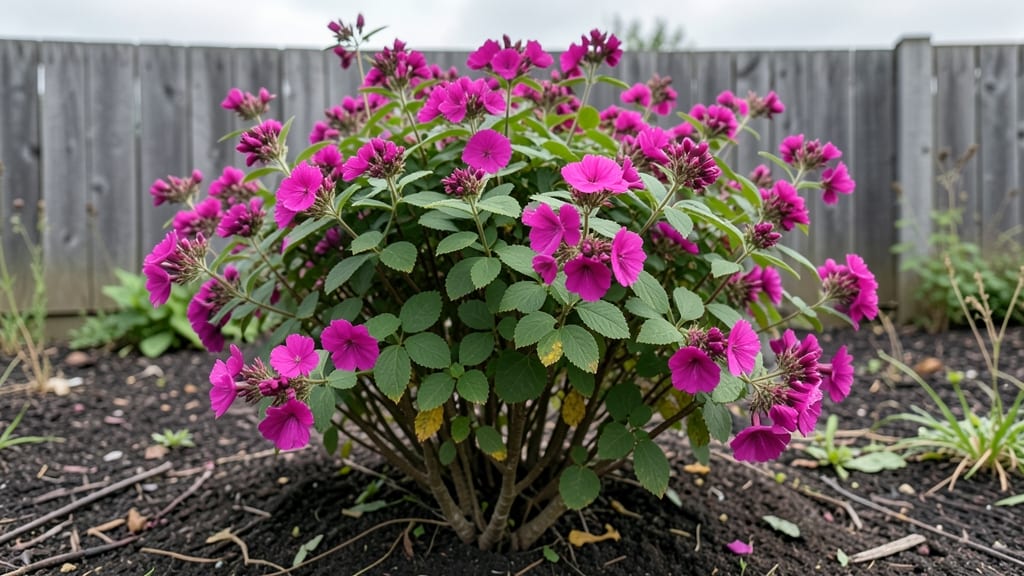
Flowering choice spirea shrubs bring nonstop color and pollinator buzz to gardens that other shrubs can't match. 🌸 I planted mine last spring, and by summer, bees and butterflies were already claiming it as their favorite spot—while I got to enjoy pink, white, or red blooms from spring through fall.
The real magic is how easy they are to use: 3-5 feet tall and wide, they fit perfectly as borders, hedges, or even a single statement plant.
Unlike fussy shrubs, choice spirea thrives in full sun or part shade, handles drought once established, and comes back year after year with minimal fuss. My neighbors keep asking what variety it is.
You'll create a living tapestry of color that changes with the seasons—soft pinks in spring, deeper hues in summer, and sometimes even a late fall show. The feathery foliage adds texture, and the blooms attract so many pollinators that my vegetable garden nearby gets a boost too.
Pair it with lavender for a cottage garden vibe, or mix with ornamental grasses for a modern look. The possibilities are endless, and once you plant one, you'll want a whole row. Let's get yours growing!
📚 In This Guide
- What you need
- Instructions
- Tips and common mistakes
- Wrapping up and next steps
What you need
- ● Flowering Choice Spirea Plants: 1–3 nursery-grown Spiraea japonica (e.g., 'Anthony Waterer,' 'Goldflame,' or 'Little Princess')—choose based on mature size and color preferences.
- ● Well-Draining Soil: Native soil amended with 2–3 inches of compost or organic matter (e.g., aged manure, leaf mold).
- ○ Optional: Mix in 1 part perlite or coarse sand for sandy soils to improve drainage.
- ● Fertilizer: Balanced, slow-release granular fertilizer (10-10-10 or 20-20-20) or organic options like fish emulsion or compost tea.
- ● Dosage: Apply ½ cup per plant at planting and again in early spring.
- ● Mulch: 2–3 inches of organic mulch (e.g., shredded bark, pine straw, or wood chips) to retain moisture and suppress weeds.
- ● Garden Tools: Trowel or hand shovel
- ● Garden fork (for amending soil)
- ● Pruning shears (sterilized with rubbing alcohol)
- ○ Gloves (optional but recommended!)
- ● Watering Supplies: Watering can or hose with a soaker nozzle for deep watering.
- ○ Optional Extras: Staking material (for young plants in windy areas)
- ● Plant support cages (if desired for upright varieties)
- ● Pest control spray (neem oil or insecticidal soap, if local pests are a concern)
- ● Sunlight: Full sun (6+ hours/day) for optimal blooms and compact growth.
- ● Spacing: Plant 3–5 feet apart (varies by variety; check tags!).
- ● Hardiness Zone: USDA Zones 4–9 (verify your zone here).
- ● Water Access: Ensure consistent moisture (especially in the first year) but avoid waterlogged soil.
Step-by-Step guide to planting and caring for flowering choice spirea
Here's how to get vibrant blooms and happy pollinators in your yard with minimal fuss.
🌱 Step 1: Select the Perfect Planting Location
Flowering choice spirea thrives in full sun to partial shade, with at least 4-6 hours of direct sunlight daily. I always pick a spot with well-draining soil—this shrub hates soggy roots. Look for areas where other plants struggle with moisture retention; spirea will flourish where others fail.
Check the site's drainage by digging a 6-inch deep hole and filling it with water. If it drains within 30 minutes, the location is perfect. If water pools after an hour, amend the soil with 2-3 inches of compost to improve drainage before planting.
🪴 Step 2: Prepare the Planting Hole and Soil
Dig a hole twice as wide as the spirea's root ball but only as deep as the container it came in. This prevents burying the crown too deeply, which can suffocate the plant. Gently loosen the roots if they're circling in the container—just tease them apart with your fingers.
Mix the native soil with 20% compost to enrich the planting hole. This improves nutrient availability and helps the roots establish faster. Avoid heavy amendments like manure, which can burn tender roots. Place the shrub in the hole so the top of the root ball sits 1 inch below soil level.
💧 Step 3: Plant and Water Thoroughly
Fill the hole with the amended soil, pressing gently to remove air pockets but not compacting too firmly. Water immediately after planting to settle the soil around the roots. You'll know it's right when the soil looks evenly moist and the plant stands upright without leaning.
Give the spirea 1 gallon of water per week for the first 4-6 weeks to encourage root establishment. Avoid overhead watering—direct water at the base to prevent fungal diseases. Mulch around the base with 2-3 inches of organic mulch, keeping it 3 inches away from the trunk to prevent rot.
☀️ Step 4: Prune for Season-Long Blooms
Flowering choice spirea blooms on both old and new wood, so pruning after flowering is key. Wait until late summer or early fall when the flowers fade but before new growth hardens off. Cut back one-third of the oldest stems to the ground, making clean cuts just above a bud or lateral branch.
Remove any dead, diseased, or crossing branches first—they'll crowd the plant and reduce air circulation. Never prune in early spring, as you'll cut off next year's flower buds. After pruning, apply a balanced fertilizer to support new growth for the following season.
✂️ Step 5: Maintain Through the Seasons
Water deeply once a week during the first growing season, then taper to every 2 weeks once established. Spirea is drought-tolerant once mature, but young plants need consistent moisture. Watch for yellowing leaves or wilting—these are signs of underwatering or overwatering.
Fertilize lightly in early spring with a 10-10-10 formula to promote healthy growth. Avoid high-nitrogen fertilizers, which encourage leafy growth at the expense of flowers. Deadhead spent blooms in late summer to encourage a second flush of color, but leave some seed heads for winter interest and pollinators.
Tips & tricks for perfect flowering choice spirea care
Here's what I've learned after planting dozens of these beauties—small details make all the difference for vibrant blooms.
Sunlight Strategy: That 4-6 hours of sunlight in Step 1 is non-negotiable, but here's the thing: morning sun with afternoon shade works best in hotter climates. I've seen spirea in full southern sun get scorched—watch for crispy leaf edges. If your yard has intense afternoon sun, consider a spot with dappled shade from nearby trees.
Drainage Test: The 30-minute drainage check in Step 1 is your best friend. If water pools after an hour, don't just add more compost—also consider planting on a slight mound or creating a raised bed. I've had spirea roots rot twice before I learned this trick, and now I always check drainage before planting anything.
Pruning Precision: When you're cutting back one-third of the oldest stems in Step 4, here's the secret: make your cuts at a 45-degree angle just above an outward-facing bud. This encourages better regrowth and a fuller shrub. I use clean, sharp pruners and sterilize them with rubbing alcohol between cuts to prevent disease spread.
Watering Wisdom: That 1 gallon per week for 4-6 weeks is perfect, but timing matters too. Water in the morning so leaves have time to dry—wet foliage overnight invites fungal problems. I set a reminder on my phone for the first few weeks to make sure I don't forget this critical step.
Pro Tips for Flowering Choice Spirea
- Here's what I've learned after planting dozens of these beauties—small details make all the difference for vibrant blooms.
- Sunlight Strategy: That 4-6 hours of sunlight in Step 1 is non-negotiable, but here's the thing: morning sun with afternoon shade works best in hotter climates.
- Drainage Test: The 30-minute drainage check in Step 1 is your best friend.
Frequently asked questions
When is the best time to plant Flowering Choice Spirea?
Plant in early spring or fall when soil is workable but not frozen. Avoid extreme heat—root establishment is easier in cooler weather. If you must plant in summer, water deeply and mulch heavily to retain moisture. Young shrubs thrive with 1–2 years to settle before peak blooms!
Why isn’t my Spirea attracting pollinators like bees or butterflies?
Check these fixes:
- Bloom timing: Ensure you’ve planted Flowering Choice Spirea (blooms April–June) or a reblooming variety (e.g., ‘Little Princess’). Late-season bloomers may miss early pollinators.
- Pesticides: Avoid chemicals—Spirea relies on natural nectar. Use neem oil or soapy water for pests instead.
- Sunlight: Full sun (6+ hours/day) is critical for vibrant flowers. Partial shade = fewer blooms.
Pro tip: Plant nearby natives like coneflowers or milkweed to extend the pollinator buffet!
How do I prune Flowering Choice Spirea for continuous blooms?
Timing matters! Prune right after flowering (June–July) to encourage next year’s blooms. Use these steps:
- Remove dead or crossing branches first.
- Cut 1/3 of old growth (last year’s stems) to the ground.
- Avoid heavy pruning in fall or winter—it removes next year’s flower buds.
For reblooming varieties, do a light trim in late spring to shape without sacrificing flowers.
Can I grow Flowering Choice Spirea in containers? If so, what’s the best setup?
Choose a large container (18"+ diameter) with drainage holes and well-draining potting mix. Use a 5-gallon pot minimum for mature shrubs. Place in full sun and water when the top 1–2 inches of soil dry out. Fertilize lightly in spring with balanced 10-10-10—containers dry faster, so mulch with pine bark to retain moisture.
My Spirea leaves are yellowing—what’s wrong?
Yellow leaves usually signal overwatering, underwatering, or nutrient issues. Try this:
- Check soil moisture: Stick your finger 2" deep—if soggy, improve drainage. If bone-dry, water deeply and mulch.
- Test pH: Ideal range is 6.0–7.0. Yellowing + poor growth? Amend soil with sulfur (to lower pH) or lime (to raise it).
- Fertilize: Apply iron chelate if yellowing is between veins (chlorosis), common in alkaline soils.
If leaves also curl or drop, watch for spider mites—spray with water to dislodge them!
Wrapping up and next steps
Choosing flowering choice spirea for your garden is a win-win—it’s a low-maintenance, pollinator-friendly powerhouse that delivers season-long color with minimal fuss. Whether you’re drawn to its vibrant blooms, hardy nature, or ability to thrive in tough conditions, this shrub is a versatile star for any landscape.
Ready to elevate your outdoor space? Plant one today and watch your garden transform into a buzzing, blooming haven! 🌸🐝