Container Gardens
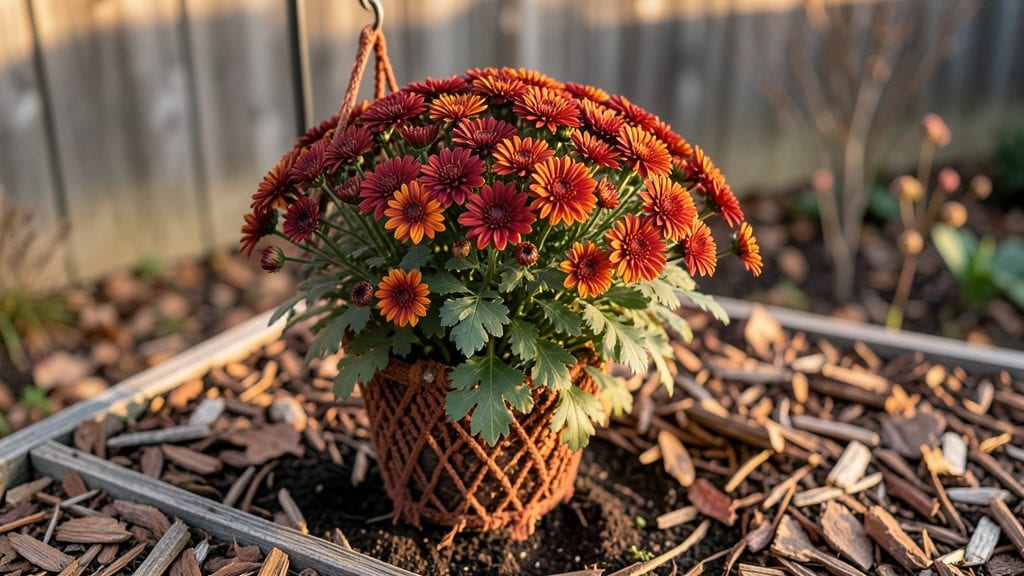
Fall flower baskets bring that cozy, colorful autumn vibe to porches and patios without the fuss. 🌿 I’ve learned the hard way that not all flowers handle cooler temps—some bolt, others wilt—but these varieties stay vibrant through crisp evenings, even when frost flirts with the forecast.
The secret lies in pairing hardy annuals like pansies and snapdragons with structural plants such as ornamental grasses or dusty miller.
These combos need just 10-15 minutes of daily care—watering when the soil feels dry an inch down, snipping dead blooms, and tucking in fresh flowers every 2-3 weeks to keep them lush.
By mid-October, your baskets will burst with jewel-toned blooms and earthy fragrances that make evenings on the porch feel like a seasonal escape. The best part? They’ll still look stunning when neighbors’ gardens go dormant—proof that fall doesn’t have to mean faded colors.
Works for everything from small balcony planters to grand entryway displays. Here’s how to pick the perfect mix for your space and climate.
📚 In This Guide
- What you need
- Instructions
- Tips and common mistakes
- Wrapping up and next steps
What you need
- ● Flower basket or hanging planter: 12–18 inches in diameter, with drainage holes (preferably coconut fiber, plastic, or metal)
- ● Potting soil: 1–2 bags (10–15 quarts each) of well-draining, peat-based mix (add perlite or sand for extra aeration)
- ● Slow-release fertilizer: 1 packet (10–20 lb) of balanced, time-release granules (10-10-10 or 14-14-14)
- ● Fall flowers: 3–5 plants per basket (mix of trailing and upright varieties for fullness): 1–2 trailing plants (e.g., Sweet Alyssum, Lobelia, or Creeping Jenny)
- ● 1–2 mid-height bloomers (e.g., Pansies, Snapdragons, or Calibrachoa)
- ● 1 tall accent plant (e.g., Mums, Ornamental Grass, or Dusty Miller)
- ○ Mulch (optional but recommended): 1–2 cups of pine bark fines or shredded leaves (to retain moisture)
- ● Garden gloves (1 pair, nitrile-coated for durability)
- ● Hand trowel or small shovel (for planting and soil adjustments)
- ● Watering can or hose with gentle spray nozzle (1–2 gallons capacity)
- ● Scissors or pruners (for trimming leggy stems or deadheading)
- ○ Decorative accents (optional): Miniature fairy lights (battery-operated)
- ● Sheep’s wool or moss (for a cozy, rustic look)
- ● Paint or stain (for customizing baskets)
- ● Access to a sunny or partially shaded spot (6+ hours of light for most fall bloomers)
- ● Basic knowledge of plant spacing and layering (or a willingness to follow a simple guide!)
- ● Patience for 1–2 weeks of initial care (watering, monitoring, and minor adjustments)
Step-by-Step instructions for creating stunning fall flower baskets
Here's my go-to method for crafting vibrant, fragrant fall displays that thrive with minimal fuss.
🪴 Step 1: Choose the Right Hanging Baskets and Liner
Start with 14-16 inch diameter hanging baskets for balanced weight and drainage. I prefer coco fiber liners because they hold moisture while allowing roots to breathe—critical for fall's cooler, wetter conditions. Line each basket with the liner, leaving a 2-inch overhang on the sides for easy watering access.
Don't skip this step. A liner prevents soil from spilling through gaps and keeps roots contained. Fold the excess liner over the basket edges neatly—this creates a clean look and prevents soil from washing out during watering.
🌱 Step 2: Layer Soil and Add Slow-Release Fertilizer
Fill each basket halfway with the moistened potting mix, then sprinkle in 2 tablespoons of slow-release fertilizer per basket. Mix the fertilizer into the top 2 inches of soil to ensure even distribution. This feeding schedule matches fall's slower growth pace perfectly.
Press down lightly to settle the soil—you want it firm enough to support plants but not compacted. Leave 2 inches of space at the top for your plants. I like to add a 1-inch layer of orchid bark next for extra drainage and aeration, especially important when fall rains arrive.
☀️ Step 3: Select and Plant Fall-Friendly Varieties
For your four baskets, choose a mix of heuchera (for deep burgundy foliage), chrysanthemums (for late-season blooms), sedum (for drought tolerance), and fuchsia (for fragrant, trailing flowers). Plant heuchera and sedum first in the center, then chrysanthemums and fuchsias around the edges.
Dig holes just deep enough to accommodate roots without burying the crown. Space plants 4-6 inches apart—fall varieties grow more slowly than summer annuals, so you don't need to crowd them. Water gently after planting to settle the soil around roots.
💧 Step 4: Water Thoroughly and Position for Seasonal Success
Water each basket until water runs freely from the drainage holes—this ensures the liner and soil are fully saturated. Let it drain completely before hanging. Place baskets in partial shade to morning sun (3-6 hours of direct light daily). Fall's lower light levels prevent heat stress while still supporting blooming.
Here's the thing—fall baskets need consistent moisture but hate soggy roots. I water every 2-3 days until the top inch of soil feels dry. Check baskets daily in rainy weather to prevent overwatering. You'll notice fuchsias and chrysanthemums perk up within a week of proper care.
✂️ Step 5: Maintain Through Fall With Minimal Effort
Deadhead spent blooms weekly to encourage new flowers—especially with chrysanthemums, which reward regular pruning. Trim leggy stems back by one-third to promote bushier growth. I always fertilize again in 6 weeks with 1 tablespoon of balanced fertilizer to extend the blooming season.
Watch for aphids on fuchsias—spray with soapy water at the first sign. Most fall varieties handle pests better than summer flowers, but prevention is key. With proper care, your baskets will stay vibrant until the first frost, giving you 8-10 weeks of seasonal color.
Tips & tricks for perfect fall flower baskets
Creating stunning fall flower baskets is all about the right prep and care—here's what I've learned from years of keeping mine vibrant through the season.
The Liner Secret: When you fold the coco fiber liner over the basket edges in Step 1, make those folds snug but not tight—this creates a neat finish while still allowing water to drain freely. I've found that leaving that 2-inch overhang makes watering from the top so much easier, especially when you're dealing with multiple baskets. A loose fold can let soil slip through during watering, so take your time folding it neatly.
Soil Layering for Success: In Step 2, that 1-inch layer of orchid bark isn't just for show—it's crucial for preventing soggy roots. Mix it right into the top 2 inches of soil where you're adding the fertilizer. This creates perfect drainage while still holding moisture for fall's cooler weather. If you notice water pooling after watering, you might need to add more bark to your mix next time.
Plant Placement Matters: When arranging your plants in Step 3, remember that trailing varieties like fuchsias need the edge positions to cascade beautifully. Place them on the sides that will face outward from your hanging spot. The heuchera and sedum in the center will provide that rich foliage backdrop that makes the blooms pop. I always arrange my baskets so the most fragrant flowers (like fuchsias) face where people will smell them most.
Watering Wisdom: The 2-3 day watering schedule in Step 4 works perfectly for fall, but here's the thing—stick your finger in the soil before watering. If the top inch feels damp, wait another day. Overwatering is the #1 reason fall baskets fail. In rainy weather, I actually remove baskets from their hooks temporarily to prevent waterlogging. You'll know you're doing it right when you see those fuchsias perking up within a week!
Pro Tips for Fall Flower Baskets
- Creating stunning fall flower baskets is all about the right prep and care—here's what I've learned from years of keeping mine vibrant through the season.
- The Liner Secret: When you fold the coco fiber liner over the basket edges in Step 1, make those folds snug but not tight—this creates a neat finish while still allowing water to drain freely.
- Soil Layering for Success: In Step 2, that 1-inch layer of orchid bark isn't just for show—it's crucial for preventing soggy roots.
Frequently asked questions
Got questions about creating stunning fall flower baskets? You're not alone! Here are some of the most common queries—plus practical answers to help you craft a showstopping display that thrives all season long.
What’s the best time to plant fall flower baskets?
For most regions, plant your baskets 4–6 weeks before the first frost (typically late summer to early fall). This gives roots time to establish before cooler weather sets in. In warmer climates, you can extend planting into October. Pro tip: Check your local frost dates for precision!
Which flowers are truly low-maintenance for fall baskets?
Opt for hardy, drought-tolerant picks like chrysanthemums, pansies, snapdragons, and sedum. These thrive in cooler temps, resist pests, and bloom prolifically. Avoid delicate annuals like petunias—they’ll fizzle in fall’s chill. Bonus: Add fragrant dianthus or stock for a sensory treat!
How do I keep my basket from drying out too fast?
Fall baskets dry out faster than spring/summer ones due to cooler air and less evaporation. Use moisture-retentive soil (add coconut coir or peat moss) and self-watering liners. Water deeply every 2–3 days—check soil moisture by sticking your finger 1 inch down. Pro tip: Mulch the top with pine bark to slow moisture loss!
Can I reuse last year’s basket for fall flowers?
Clean out old soil, rinse the container with 10% vinegar solution (to kill fungi), and let it dry in the sun. Replace the liner if it’s degraded. Warning: Avoid reusing baskets with mold or rot—these can harbor diseases. A fresh start ensures healthier blooms!
What if my basket gets too cold or frosty?
Most fall flowers tolerate light frosts, but protect baskets from hard freezes (below 28°F). Move them to a sheltered porch or garage overnight, or drape with burlap for insulation. Chrysanthemums and pansies are frost-hardy—prioritize these if you’re in a chilly zone!
What’s a good alternative if I don’t have hanging baskets?
No problem! Use window boxes, raised beds, or even large pots (12+ inches deep). Group baskets at different heights on a patio stand for a cascading effect. Tip: Add trailing plants like lobelia or ivy to soften edges!
Wrapping up and next steps
Transforming your space with fall flower baskets is easier—and more rewarding—than you think! 🌿 With the right fragrant, low-maintenance varieties, you’ll enjoy vibrant blooms and seasonal scents all season long.
Whether you’re a gardening pro or a beginner, these tips and FAQs make it simple to create stunning, hassle-free displays that bring joy to your porch, patio, or windowsill.
Ready to dive in? Grab your supplies, pick your favorites, and start arranging! Your fall garden oasis awaits—just one basket at a time. 🌸✨