
Flowers
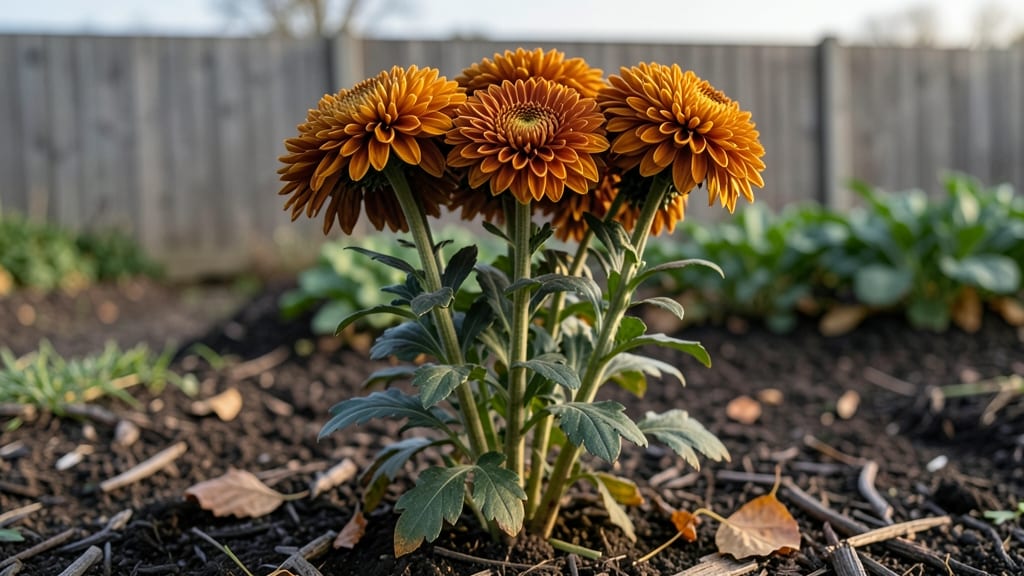
Fall-colored flowers bring the season to life with bold hues that outshine summer’s brightest blooms. 🌻 I’ve learned that the right varieties—like fiery mums, deep asters, and golden chrysanthemums—turn ordinary yards into autumn masterpieces with minimal effort.
The key is timing: plant perennials in early fall for next year’s show, while annuals thrive when seeded in late summer.
You’ll need well-draining soil, full to partial sun, and a mix of moisture-loving and drought-tolerant plants to create balance. My go-to palette? Warm oranges paired with cool purples—it’s unexpected but stunning. Most fall flowers need little maintenance beyond deadheading spent blooms and occasional feeding to keep them vibrant through frost.
By October, your garden will be a riot of color that lasts until the first hard freeze. The scent of goldenrod mingling with the crisp air? Pure magic. These plants also attract pollinators late into the season, giving bees and butterflies one last feast before winter.
Works for containers, borders, or mass plantings—even small spaces glow when filled with seasonal blooms. The best part? Many of these flowers return year after year with proper care, making them a low-maintenance investment for autumn beauty.
📚 In This Guide
- What you need
- Instructions
- Tips and common mistakes
- Wrapping up and next steps
What you need
- ● Fall-colored flowers: Choose from mums (chrysanthemums), asters, sedum, ornamental kale, pansies, or fall crocus. Buy 5–10 plants per square foot for dense color.
- ● Potting soil: 1–2 bags (2–3 cubic feet each) of high-quality, well-draining potting mix (e.g., Miracle-Gro or Espoma).
- ● Containers or garden beds: Containers: 3–6 pots (10–14 inches in diameter) with drainage holes (terracotta or ceramic preferred).
- ● Garden beds: Ensure 6+ hours of sunlight daily and amend soil with compost (1–2 inches).
- ● Fertilizer: Balanced slow-release (10-10-10) or organic (fish emulsion)—apply 1 tbsp per plant at planting.
- ● Garden trowel or hand shovel (for planting).
- ● Pruning shears (to trim dead foliage or shape plants).
- ● Watering can or hose with a gentle nozzle (avoid overwatering!).
- ○ Gloves (optional but recommended for thorny plants like asters).
- ○ Mulch (optional): 2–3 inches of straw or shredded leaves to retain moisture and insulate roots.
- ● Decorative accents: Mini pumpkins, pinecones, or fall-themed garden stakes.
- ● Lighting: Solar-powered path lights or string lights for evening charm.
- ● Seasonal add-ons: Dried flowers (e.g., goldenrod) or faux berries for texture.
Step-by-Step guide to selecting and planting fall-colored flowers
Here's how to create a stunning autumn display with low-maintenance, vibrant blooms that thrive in cooler weather.
🌱 Step 1: Choose the Right Flower Varieties for Your Climate
Fall-blooming flowers like mums, asters, black-eyed Susans, and sedum handle cooler temperatures beautifully. I always check my USDA hardiness zone to pick varieties that won't wilt with the first frost. For zones 5-7, hardy mums and New England asters are my go-tos—they keep blooming until snow flies.
Look for disease-resistant cultivars labeled "fall-blooming" or "autumn color." Avoid tender annuals that need warm weather—they'll fade fast when temps drop below 50°F. I like to mix perennials (like coneflowers) with biennials (like sweet William) for continuous color.
☀️ Step 2: Prepare Planting Sites for Fall Color
Most fall flowers thrive in full sun (6+ hours daily), but a few like toad lilies tolerate partial shade. Clear the area of weeds first—competition stresses young plants. I always loosen the soil to a depth of 12 inches with a garden fork, breaking up any compacted layers. This ensures roots can spread freely before winter.
Amend the soil with 2-3 inches of compost mixed into the top 6 inches. Fall flowers need good drainage, so if your soil feels heavy when squeezed, add sand or perlite to improve aeration. Test the pH—most prefer 6.0-7.0. If your soil is too acidic, sprinkle in lime and work it in.
🪴 Step 3: Plant for Season-Long Interest
Space plants according to their mature size—3-4 feet apart for large perennials like black-eyed Susans, 18-24 inches apart for medium-height flowers like asters. Dig holes twice as wide as the root ball but only as deep. Place the plant so the top of the root ball sits ½ inch above ground level—this prevents rot in heavy rains.
Fill the hole with soil, pressing gently to remove air pockets. Water deeply to settle the roots, then add a 2-inch layer of mulch around the base (keep it 3 inches away from stems to prevent rot). I always water again after mulching to help it settle. For containers, use well-draining potting mix and place pots where they'll get afternoon shade if temps hit 85°F.
💧 Step 4: Water and Feed for Fall Foliage
Water newly planted flowers once a week unless rain provides 1 inch of moisture. After establishment, most perennials need water only when the soil feels dry 2 inches below the surface. I check this by sticking my finger in—if it comes out clean, it's time to water. Overwatering in fall can lead to fungal issues as temps drop.
Apply a balanced fertilizer (10-10-10) when planting, then again in early fall. For mums specifically, a high-phosphorus feed (like 5-10-10) encourages more blooms. Stop fertilizing 6 weeks before first frost—new growth won't harden off properly. Deadhead spent blooms regularly to redirect energy into root growth for next season.
✂️ Step 5: Protect and Prepare for Winter
As temps drop toward 40°F, cut back annuals and tender perennials to 6 inches tall and add 4-6 inches of mulch around their bases. For hardy perennials like sedum or Russian sage, leave the foliage—the dried stems provide winter interest and protect roots. I always mark their locations with stakes or flags so I don't accidentally dig them up in spring.
If a hard frost is forecast, cover sensitive plants with frost cloth or a lightweight blanket secured with bricks. Remove it during the day if temps rise above 45°F to prevent overheating. In zones 3-4, mound extra soil around the base of perennials like chrysanthemums to insulate roots—just remember to remove it in spring before new growth appears.
Tips & tricks for perfect fall-colored flower gardens
These little tricks will help you create a showstopping autumn display that lasts all season long.
Climate-Smart Selection: When choosing varieties in Step 1, pay special attention to the 50°F threshold mentioned for tender annuals. I've learned the hard way that even "cold-hardy" labels can be misleading—always check your local frost dates. For zones 5-7, I recommend sticking with hardy mums and asters as they'll keep blooming until snow arrives. Consider adding sedum for late-season color—it thrives in cooler temps and provides winter interest.
Soil Prep Secret: In Step 2, don't just amend the top 6 inches of soil—focus on breaking up compaction to 12 inches deep with a garden fork. This creates room for roots to establish before winter. For clay-heavy soils, mix in sand or perlite to improve drainage, which is especially important as we approach the 40°F temperature drop. I've found that adding a handful of lime to acidic soils (test with a pH kit) makes a noticeable difference in plant health.
Planting Precision: When placing plants in Step 3, use a level to ensure the top of the root ball sits exactly ½ inch above ground level. This small detail prevents rot during heavy autumn rains. For containers, I recommend using well-draining potting mix and placing them where they'll get afternoon shade if temperatures hit 85°F. This protects delicate roots while still allowing plenty of light for flowering.
Winter Protection Strategy: As temperatures approach 40°F in Step 5, I've developed a layered approach to protection. For sensitive plants, I use frost cloth secured with bricks, but I always remember to remove it when daytime temps rise above 45°F to prevent overheating. For perennials like chrysanthemums, I mound extra soil around the base in zones 3-4—just remember to remove this in spring before new growth appears.
Pro Tips for Fall Colored Flowers
- These little tricks will help you create a showstopping autumn display that lasts all season long.
- Climate-Smart Selection: When choosing varieties in Step 1, pay special attention to the 50°F threshold mentioned for tender annuals.
- Soil Prep Secret: In Step 2, don't just amend the top 6 inches of soil—focus on breaking up compaction to 12 inches deep with a garden fork.
Frequently asked questions
Got questions about fall-colored flowers? You’re not alone!
Here are some of the most common queries—and answers—to help you make the most of this stunning seasonal display.
When is the best time to plant fall-colored flowers?
Most fall bloomers thrive when planted 4–6 weeks before your first frost (typically late summer to early fall). Cool-season favorites like chrysanthemums and asters love this timing, while tender varieties (e.g., marigolds) should go in after warm soil cools in late summer. Check your USDA zone for precision!
Which flowers offer the longest-lasting fall color?
For prolonged vibrancy, opt for:
- Chrysanthemums (3–6 weeks of blooms)
- Japanese anemones (late summer to frost)
- Russian sage (drought-tolerant, 8+ weeks)
- Black-eyed Susans (golden pops until hard frost)
Do fall flowers survive winter, or should I remove them?
It depends! Perennials (e.g., coneflowers, sedum) return yearly—cut back stems in spring. Annuals (like pansies or calendulas) die with frost; compost them or mulch for next year. Bulbs (e.g., fall crocuses) need winter dormancy—leave foliage until it yellows!
How can I keep fall flowers looking fresh longer?
Boost longevity with these pro tips:
- Water deeply 1–2x/week (morning is best).
- Deadhead spent blooms to encourage reblooming.
- Mulch lightly (2–3 inches) to protect roots from temp swings.
- Avoid overcrowding—space plants for airflow.
What if my fall flowers aren’t blooming as expected?
Troubleshoot with this quick guide:
Issue
Likely Cause
Fix It!
No blooms
Too much nitrogen (leafy growth over flowers)
Switch to a low-nitrogen, high-phosphorus fertilizer.
Drooping leaves
Underwatering or root stress
Water at soil level (avoid wetting foliage) and check drainage.
Pests (aphids, spider mites)
Dry conditions or overcrowding
Spray with neem oil or introduce ladybugs.
Wrapping up and next steps
Fall-colored flowers bring warmth, charm, and a touch of magic to any garden or outdoor space. Whether you're a seasoned gardener or just starting out, these vibrant blooms prove that autumn is the perfect time to embrace seasonal beauty and create a cozy, inviting atmosphere. 🍂✨
Now that you’re inspired, why not take the next step? Plan your fall garden today—pick a few of these stunning flowers, gather your supplies, and let nature’s palette transform your yard into a breathtaking autumn masterpiece!