Aphids
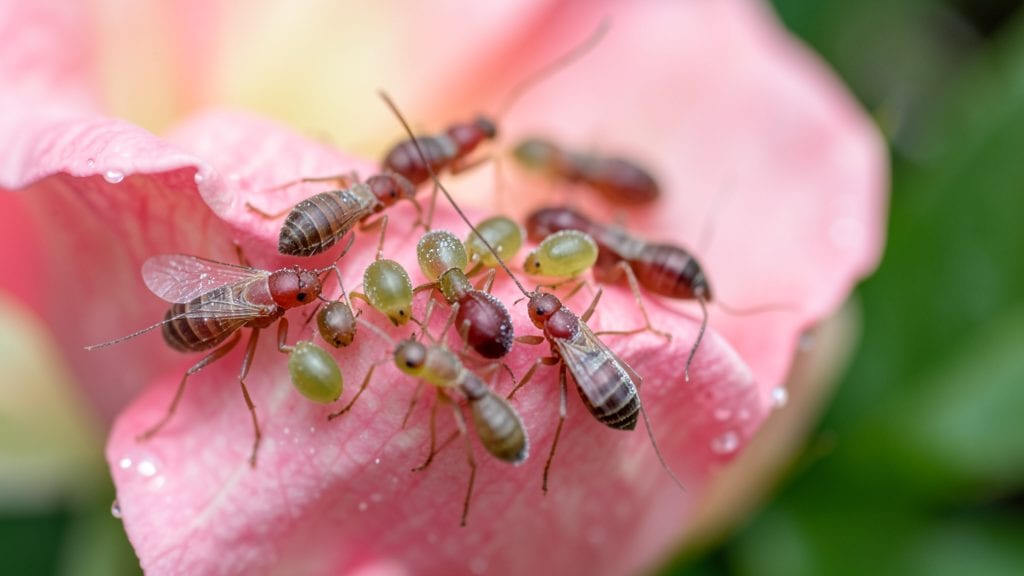
Aphids on flowers turn vibrant blooms into sticky, curled messes faster than you can say "pest patrol." 🌿 I’ve battled these tiny green invaders for years, and the key to stopping them lies in a few targeted sprays that work without harsh chemicals.
The moment I spotted aphids clustering on my roses, I grabbed my trusty spray bottle and got to work—no more wilting flowers in days.
Most people panic and reach for chemical sprays, but the best solutions are simple and effective. A mix of one tablespoon of mild liquid soap and a quart of water does the trick for small infestations.
For tougher cases, neem oil (1 teaspoon per quart) smothers aphids while protecting beneficial insects. The secret? Spray early in the morning or late afternoon when bees aren’t active.
Within 24 hours, you’ll see aphids dropping like flies, and your flowers will start bouncing back. The real win? This method keeps working if you repeat it every 3-5 days until the infestation is gone. Plus, your garden stays safe for pollinators and future blooms.
Here’s the thing—aphids love tender new growth, so prevention matters just as much as treatment. Planting marigolds or garlic nearby confuses them, and ladybugs will happily munch on them if you leave some around. Let’s get those flowers back to their best!
The Real Culprits Behind Flower Invaders
Aphids on your prized flowers aren’t just a random annoyance—they’re the result of specific conditions that make your plants irresistible to these tiny sap-sucking pests. Understanding why they show up is the first step to stopping them in their tracks.
Let’s break down the science behind their behavior and the factors that turn your garden into an all-you-can-eat buffet for aphids.
Aphids thrive where plants are stressed or struggling. When flowers are overcrowded, competition for nutrients, water, and sunlight weakens their defenses. Stressed plants produce more sugary sap—aphids’ favorite snack—because their metabolic processes shift to prioritize survival over resilience.
Additionally, young, tender growth is particularly vulnerable because aphids prefer soft, easily penetrable tissues. If your garden is packed with dense foliage or you’ve recently pruned heavily (stimulating new growth), you’re basically rolling out the welcome mat for these pests.
Actionable insight: Thin out overcrowded plants to improve airflow and reduce stress. Focus on pruning in stages rather than all at once to avoid triggering a growth spurt that aphids will exploit.
Aphids are drawn to plants that are either over-fertilized with nitrogen or deficient in essential nutrients. Here’s why:
- Too much nitrogen: Excess nitrogen promotes rapid, soft growth—ideal for aphids. It also makes plants less bitter, removing a natural deterrent that many pests avoid.
- Deficiencies (especially phosphorus & potassium): Plants lacking these nutrients produce thinner cell walls and less resinous sap, making them easier targets. Phosphorus deficiency, for example, weakens root systems, indirectly stressing the plant and signaling aphids that it’s an easy meal.
Actionable insight: Conduct a soil test to check nutrient levels. If nitrogen is high, switch to a balanced fertilizer (e.g., 10-10-10) or one with higher phosphorus/potassium (e.g., 5-10-10). Avoid synthetic fertilizers that spike nitrogen levels—opt for compost or organic amendments like bone meal or wood ash.
Aphids are part of a delicate ecosystem where predators like ladybugs, lacewings, parasitic wasps, and birds keep their populations in check. When these natural enemies disappear, aphids multiply unchecked. Common reasons for their absence include:
- Pesticide use: Broad-spectrum chemical pesticides kill both aphids and their predators, creating a vacuum that aphids rush to fill. Even "aphid-specific" sprays can disrupt the balance if overused.
- Monoculture gardening: Planting large blocks of a single flower type (e.g., roses) provides aphids with a monotone food source while offering predators fewer alternative prey options.
- Habitat loss: Removing weeds, leaf litter, or other "messy" garden areas eliminates hiding spots and breeding grounds for beneficial insects.
Actionable insight: Foster a diverse, predator-friendly garden. Plant companion flowers like marigolds, dill, or yarrow to attract beneficial insects. Avoid pesticides, and leave some "wild" areas (e.g., a patch of clover or untidy leaves) where predators can thrive.
Aphids are highly sensitive to environmental conditions, and certain weather patterns create perfect breeding conditions:
- Mild winters: Aphids often survive cold seasons as eggs on plant stems or in soil. If winters are too warm, these eggs hatch earlier, giving aphids a head start in the growing season.
- Warm, humid springs: Aphids reproduce asexually in ideal conditions, meaning a single female can give birth to 50–100 offspring in weeks without needing a mate. Humidity also slows down natural predators like ladybugs, giving aphids an edge.
- Drought stress: While aphids love water-stressed plants (since they’re easier to penetrate), prolonged drought can also weaken plants, making them more susceptible to infestations.
Actionable insight: Monitor weather patterns and protect vulnerable plants during high-risk periods. Use row covers in early spring to block migrating aphids. If drought is an issue, implement drip irrigation to keep soil moisture consistent without overwatering.
By addressing these root causes, you’re not just treating aphids—you’re removing the invitation for them to crash your garden party. The next step? Organic sprays and long-term fixes to reclaim your blooms!
Quick Fixes for Flower-Friendly Pest Control
Aphids may be tiny, but their damage can feel overwhelming—especially when they’re feasting on your prized blooms. The good news? You don’t need harsh chemicals to send them packing.
Below, we’ll break down targeted solutions based on the root cause of your aphid problem, plus preventive steps to keep them from crashing your garden party again.
Aphids love weak, crowded plants because they’re easier pickings. If your flowers are struggling, these steps will strengthen their defenses while starving out pests.
🔥 Step 1: Trim the Damage
- Snip infested stems (especially new growth) below the aphid cluster with clean pruners. Drop them in a sealed bag to prevent spreading.
- Thin out overcrowded foliage to improve airflow—aphids thrive in damp, shaded spots.
👨🍳 Step 2: Boost Plant Health
- Fertilize lightly with a balanced organic fertilizer (like fish emulsion or compost tea) to encourage robust growth. Over-fertilizing can attract pests, though!
- Water at the base (not overhead) to avoid creating sticky honeydew conditions that aphids adore.
💡 Pro Tip:
🌱 Companion planting works wonders! Interplant flowers with garlic, chives, or marigolds—their strong scents repel aphids naturally.
If aphids hit hard and fast, physical removal is your fastest win.
🔪 Step 1: Knock ‘Em Off
- Blast them with water using a strong hose stream (early morning works best). Repeat every 2–3 days until gone.
- Use a soft brush (like a toothbrush) to dislodge clusters from delicate blooms.
🥘 Step 2: Lure Their Predators
Aphids have natural enemies—invite them to the party!
- Ladybugs, lacewings, and parasitic wasps devour aphids. Buy them online or plant dill, fennel, or yarrow to attract them.
- Avoid pesticides—they’ll kill the good guys too!
✨ Quick Spray Hack:
Mix 1 tsp dish soap + 1 quart water in a spray bottle. Test on a leaf first—some plants (like succulents) can’t handle soap. Spray directly on aphids; they’ll suffocate in minutes.
Honeydew (aphid poop) attracts sooty mold, which stains flowers and weakens plants. Break the cycle with these deep-clean tactics.
🧼 Step 1: Wipe Down Leaves
- Use a damp microfiber cloth to gently remove honeydew from leaves and stems. This prevents mold and makes plants less appealing to aphids.
🕸️ Step 2: Set Up Yellow Sticky Traps
- DIY trap: Coat yellow cardboard or plastic with honey or petroleum jelly. Hang near infested plants—aphids will stick to it.
- Store-bought traps work too! Place them above the plant canopy for best results.
🎯 Prevention Move:
🔥 Neem oil spray (1 tbsp neem oil + 1 tsp mild soap + 1 quart water) disrupts aphid life cycles and deters future infestations. Spray every 5–7 days for 2 weeks.
Once you’ve kicked aphids out, keep them from moving in with these low-effort strategies:
- Rotate crops (if growing edibles) to confuse aphids.
- Mulch heavily with straw or wood chips—it improves soil health and deters pests.
- Encourage biodiversity—the more insects, birds, and beneficial bugs in your garden, the fewer aphids will survive.
- Inspect new plants before bringing them home. Quarantine them for a week to spot hitchhiking pests.
Final Reminder: Aphids are a sign of imbalance, not a lost cause. With pruning, predators, and preventive care, your flowers will bounce back—and stay aphid-free for seasons to come! 🌸💚
Frequently asked questions
How do I know if my flowers have aphids?
Look for tiny green, black, or white insects clustered on stems or undersides of leaves. You’ll also spot sticky honeydew residue or curled, yellowing leaves. Check new growth first—aphids love tender shoots!
Will soapy water hurt my flowers?
Use mild liquid dish soap (like Castile soap) in small amounts—1 teaspoon per quart of water. Always test on a hidden leaf first, as some delicate blooms (like roses) may react. Avoid harsh detergents!
How long does it take for neem oil to work?
Neem oil disrupts aphid life cycles within 24-48 hours, but you’ll see full results in 5-7 days with consistent spraying. Reapply every 3-5 days until the infestation clears.
Are ladybugs the best solution for aphids?
Ladybugs are excellent predators, but they’re not a standalone cure. Release 10-20 adults per plant and provide shelter (like dill or fennel). Combine with other methods for fastest results.
Can I use vinegar spray for aphids?
Vinegar (1 part white vinegar + 3 parts water) works as a contact killer, but it’s non-selective and can harm plants. Use only on tough weeds or as a last resort—test first on a small area!