
Shrubs
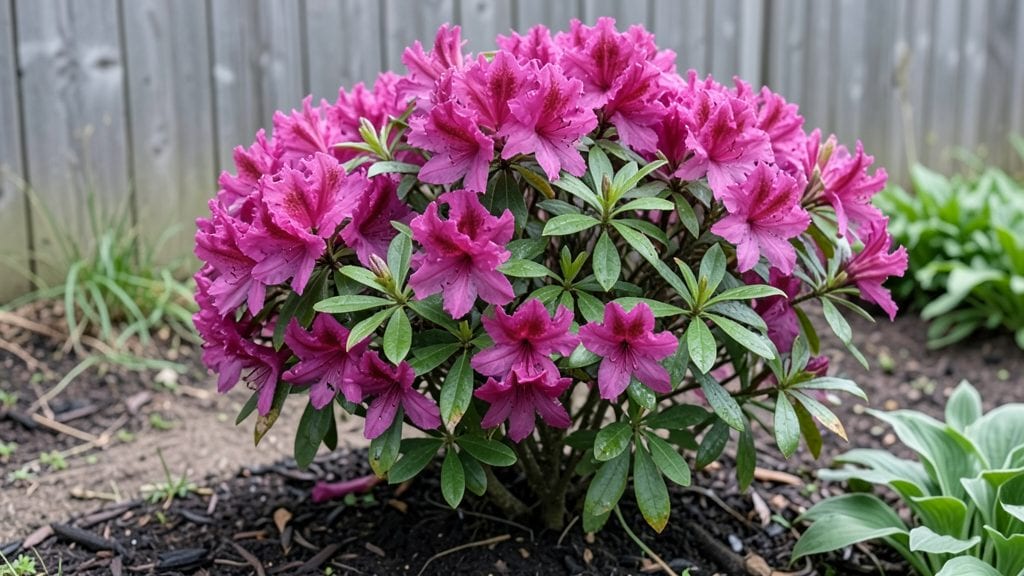
Double flowering azaleas deliver twice the blooms of standard varieties, but they demand a different care rhythm—one that rewards you with lush, repeat-flowering shrubs that steal the show from spring through fall. 🌸 I learned the hard way that treating them like regular azaleas leads to sparse blooms and leggy growth, but once I mastered their prune-and-bloom triggers, my plants transformed into nonstop flowering machines.
The secret lies in three key adjustments: pruning right after blooms fade (not in fall!), feeding with acid-loving fertilizer twice a year, and protecting them from harsh afternoon sun in hot climates.
Most gardeners overlook how double bloomers respond to light pruning—just a few cuts in summer keeps them compact while encouraging new flower buds. My 5-year-old plant now bursts with hundreds of blooms where others produce just a handful.
You’ll end up with azaleas that flower longer and harder than anything at the nursery, their petals packed so tightly they look like velvet. The fragrance lingers even when the blooms fade, and the foliage stays glossy green all season.
Best of all, these shrubs handle container growing too, making them perfect for patios or small yards where space is tight.
Whether you’re reviving an existing azalea or starting fresh, the same principles apply—just tweak timing for your climate. Northern gardeners get a second flush of blooms in late summer, while southern growers may need afternoon shade to prevent scorched petals. Let’s get those blooms going strong!
📚 In This Guide
- What you need
- Instructions
- Tips and common mistakes
- Wrapping up and next steps
What you need
- ● Double flowering azalea plants: 3–5 mature plants (or bare-root saplings if starting from scratch). Choose varieties like ‘Girard’s Rose’ or ‘Hino Crimson’ for vibrant blooms.
- ○ Acidic, well-draining soil: 1–2 bags (10–20 lbs each) of peat moss or pine bark fines (pH 4.5–6.0). Test your soil’s pH with a kit (optional but recommended).
- ● Organic mulch: 3–5 cubic feet of pine needles, wood chips, or leaf mold to retain moisture and acidity.
- ● Garden trowel or spade: For digging holes (8–12 inches deep/wide per plant).
- ● Pruning shears: Sharp, bypass-style shears (sterilized with rubbing alcohol).
- ● Watering can or hose with nozzle: For gentle, deep watering (1–2 gallons per plant after planting).
- ● Gloves & knee pads: Protect your hands and comfort during planting.
- ● Slow-release fertilizer: Acid-loving plant food (e.g., Osmocote or Miracle-Gro Azalea Food) for a nutrient boost.
- ● Soil pH tester: To monitor acidity levels (reapply amendments if needed).
- ● Shade cloth (30–50% coverage): For young plants in hot climates.
- ● Decorative stakes or rings: To support leggy growth if pruning heavily.
Step-by-Step instructions for cultivating double flowering azaleas
Here’s how to coax spectacular, repeat-blooming azaleas year after year—no guesswork, just science-backed pruning and care.
🌱 Step 1: Plant in Acidic, Well-Draining Soil
Double flowering azaleas thrive in acidic soil (pH 4.5–6.0) with organic matter for aeration. Amend native soil with 2–3 inches of peat moss or pine bark fines—this mimics their natural woodland understory conditions. Avoid garden soil; it compacts and suffocates roots.
Dig a hole twice as wide as the root ball but only as deep as the container’s base. Tease out any circling roots gently with your fingers (never cut them—this stresses the plant). Place the azalea so the top of the root ball sits 1 inch above ground level. This prevents stem rot from water pooling at the base.
☀️ Step 2: Position for Morning Sun and Afternoon Shade
Azaleas need 4–6 hours of morning sunlight but afternoon shade in hot climates to prevent leaf scorch. A north- or east-facing spot works best, or plant under dappled shade from taller trees. If you’re in a Zone 7+, afternoon shade is non-negotiable—leaves will crisp and brown without it.
Mulch heavily with 3–4 inches of pine straw or wood chips, keeping it 6 inches away from the trunk. This mimics their forest floor habitat while locking in moisture and suppressing weeds. Replenish mulch annually—it breaks down faster than you’d think.
💧 Step 3: Water Deeply and Consistently
Azaleas hate soggy roots but wilting leaves signal drought stress. Water 1–2 times per week (more in summer) until moisture reaches 12 inches deep. Use a soaker hose or drip irrigation—overhead watering wastes moisture and promotes fungal diseases. Check soil by sticking your finger 2 inches down; if it’s dry, water again.
Double flowering varieties need extra hydration during bloom to support heavy flower heads. If leaves yellow between veins, it’s a classic sign of iron chlorosis—a pH or watering issue. Flush the soil with acidic water (pH 5.5) if this happens, and retest soil pH annually.
✂️ Step 4: Prune for Repeat Blooms After Flowering
This is the secret to year-round blooms: prune immediately after flowers fade, never in fall or winter. Use clean, sharp pruners to cut back 1/3 of the oldest stems at the base. Avoid "deadheading" individual blooms—it confuses the plant’s growth cycle. Focus on thinning congested areas to improve airflow.
Never prune into old wood (wood older than 3 years). New growth emerges from the current year’s stems, so prune just above a leaf bud or lateral branch. If you see bare stems, your azalea is overpruned—stop cutting and focus on feeding it balanced acid-loving fertilizer twice a year (spring and fall).
🌿 Step 5: Feed and Protect for Long-Term Health
Apply a slow-release, azalea-formulated fertilizer in early spring (when buds swell) and late summer (to prep for next year’s blooms). Avoid high-nitrogen blends—they promote leafy growth at the expense of flowers. Instead, look for a 10-10-10 or 8-3-9 ratio with micronutrients like magnesium and iron.
Watch for lace bugs or azalea gall midge—common pests that leave stippled leaves or sawdust-like frass. Treat early with neem oil or horticultural soap, and remove heavily infested leaves. Double flowering azaleas are more susceptible to pests due to their dense foliage, so prune for airflow and avoid overhead watering to deter issues.
Tips & tricks for perfect double flowering azalea cultivation
These science-backed strategies will help you avoid common pitfalls and maximize your azalea's blooming potential year after year.
Soil pH Precision: Testing your soil's pH before planting is non-negotiable for double flowering azaleas. I use a simple soil test kit to confirm the pH falls within the 4.5-6.0 range—this is their sweet spot. If your soil tests higher, amend with elemental sulfur (1/2 pound per 100 square feet) and retest in 2-3 months. The 2-3 inches of peat moss or pine bark fines specified in Step 1 should be mixed into the top 6 inches of soil, not just placed at the bottom of the planting hole.
Pruning Timing Secret: The immediate post-bloom pruning in Step 4 is critical for repeat blooms, but timing matters just as much as technique. Watch for flowers to fade completely and new buds to form on the current year's growth—this is your cue to prune. I've learned the hard way that pruning too early (when flowers are still vibrant) or too late (after buds form) can disrupt the plant's energy allocation, resulting in fewer blooms next season.
Watering Strategy: The 1-2 times per week watering guideline in Step 3 is perfect for most climates, but double flowering varieties need extra attention during bloom. I increase watering to every other day during peak flowering and always check moisture at 12 inches deep. A simple trick: use a screwdriver to probe the soil—it should penetrate easily if moisture is sufficient. If it meets resistance, water again. This deep watering encourages strong root development that supports those heavy flower clusters.
Fertilizer Application: The twice-yearly feeding schedule in Step 5 works wonders, but there's a trick to maximizing results. When applying your slow-release azalea fertilizer in early spring, mix in a handful of coffee grounds around the base—they're packed with nitrogen and help lower soil pH naturally. In late summer, I switch to a fertilizer with higher phosphorus (like 10-20-10) to encourage next year's flower buds. Always water thoroughly after fertilizing to prevent root burn.
Pro Tips for Double Flowering Azalea
- These science-backed strategies will help you avoid common pitfalls and maximize your azalea's blooming potential year after year.
- Soil pH Precision: Testing your soil's pH before planting is non-negotiable for double flowering azaleas.
- Pruning Timing Secret: The immediate post-bloom pruning in Step 4 is critical for repeat blooms, but timing matters just as much as technique.
Frequently asked questions
Got questions about double flowering azaleas? You’re not alone!
Here are the most common concerns gardeners have—plus quick, actionable answers to keep your azaleas thriving.
How do I encourage double blooms on my azalea?
Double flowering azaleas naturally produce two sets of blooms per season with the right care. Start by pruning in late spring or early summer (after the first flush of flowers) to stimulate new growth. Use a prune-and-bloom trigger technique: trim back about 1/3 of the oldest stems to redirect energy. Fertilize lightly with acid-loving plant food (like a 10-10-10 or azalea-specific blend) in early spring and again after pruning. Pro tip: Avoid heavy pruning in fall—it can stress the plant before winter!
When is the best time to plant double flowering azaleas?
The ideal planting window is early spring or early fall (4–6 weeks before the first frost). Azaleas need time to establish roots before extreme heat or cold. If planting in summer, choose overcast days and water deeply daily for the first 2 weeks. Fall planting works well in mild climates (Zones 7–9), but avoid late fall—you want roots to settle before winter dormancy. Pro tip: Amend the soil with peat moss or pine bark to mimic their natural acidic habitat!
Why aren’t my double azaleas blooming as much as they used to?
Double blooms can taper off due to a few common issues. Check these first:
- Over-fertilizing: Too much nitrogen = lush foliage but fewer flowers. Switch to a low-nitrogen, high-phosphorus fertilizer (like 7-9-5) in early spring.
- Poor pruning timing: Pruning after mid-summer removes next year’s flower buds. Stick to late spring/early summer pruning.
- Sunlight stress: Azaleas need partial shade (morning sun + afternoon shade). Too much direct sun can scorch blooms.
- pH imbalance: Test your soil—azaleas thrive in acidic soil (pH 4.5–6.0). Add sulfur or pine needles if needed.
Can I grow double flowering azaleas in containers?
Containers are a great option for small spaces or renters. Choose a large pot (at least 18–24 inches wide) with drainage holes and use a well-draining, acidic potting mix (like a rhododendron blend). Water more frequently than in-ground plants—containers dry out faster. Fertilize every 4–6 weeks during growing season and prune lightly to maintain shape. Pro tip: Move containers to partial shade in summer to prevent leaf scorch!
What’s a good alternative if double azaleas don’t thrive in my climate?
If your zone is too hot (Zone 10+) or too cold (Zone 5 and below), consider these low-maintenance, double-blooming alternatives:
Pro tip: For cold climates, try ‘George Taber’ hydrangea—it blooms twice and handles Zone 3!
Wrapping up and next steps
Double flowering azaleas are a showstopper—packing double the beauty with their lush, repeat blooms and year-round charm! 🌸 Whether you’re a seasoned gardener or just starting, these tips will help you cultivate a thriving, vibrant shrub that keeps gracing your landscape with color.
Ready to transform your garden? Start by selecting the perfect spot, mastering the prune-and-bloom technique, and giving your azalea the care it deserves.
Now, grab your shears and get ready to watch your garden flourish—your azalea’s next spectacular bloom is just around the corner! 🌿