
Pruning
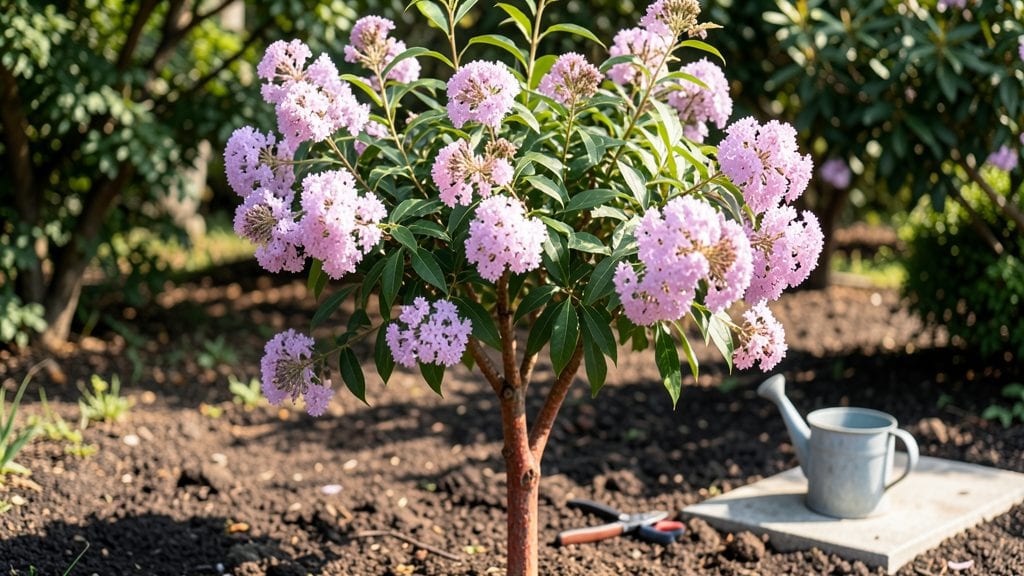
A tree with pink flower clusters, like the Japanese cherry blossom, crape myrtle, or bridal wreath spirea, instantly turns your garden into a springtime dream. 🌸 I planted a crape myrtle last year, and its lavender-pink blooms now draw neighbors to my fence every July.
These trees aren’t just about flowers—they offer year-round structure. The crape myrtle’s peeling bark adds winter interest, while spirea’s arching branches create natural arches. Japanese cherries, though shorter-lived, deliver a cloud of blossoms that outshine anything else in spring.
For best results, plant them where they’ll get full sun and well-drained soil.
Pair them with white azaleas for contrast or deep purple salvia for a striking combo. The blooms attract pollinators all season, and their shapes—weeping, rounded, or upright—let you design with intention. My spirea now frames my front walk, while the crape myrtle anchors the patio corner.
They thrive in zones 5-9, though Japanese cherries prefer cooler climates. Prune after blooming to maintain shape, and watch as they become the garden’s natural focal point. The investment in time pays off with color, texture, and curb appeal that lasts decades.
📚 In This Guide
- What you need
- Instructions
- Tips and common mistakes
- Wrapping up and next steps
What you need
- ● Tree: Choose a Lagerstroemia indica (Crape Myrtle) or Cornus florida (Flowering Dogwood) for vibrant pink blooms. Ensure it’s disease-free and well-rooted.
- ● Pruning Shears: Bypass pruners (sharp, 6-8" blades) for clean cuts.
- ● Loppers: Extended-reach (18-24") for thicker branches.
- ● Hand Saw: Pruning saw with a curved blade for stubborn limbs.
- ● Gloves: Heavy-duty gardening gloves (cut-resistant for safety).
- ● Disinfectant: 70% isopropyl alcohol or rubbing alcohol to sterilize tools.
- ○ Sealer: Pruning sealer (optional, for large cuts > ½ inch).
- ● Ladder: Sturdy extension ladder (20+ ft) for tall trees.
- ● Safety Gear: Safety glasses and earmuffs (if using a chainsaw for overgrowth).
- ● Watering Can/Hose: Adjustable nozzle for post-pruning hydration.
- ● Mulch: Organic mulch (shredded bark) to retain moisture.
- ● Fertilizer: Slow-release, balanced fertilizer (10-10-10 ratio).
- ○ Stakes & Ties: (Optional) For young trees needing support.
- ● Know your tree’s species and age—pruning needs vary!
- ● Check local pruning guidelines (e.g., best time: late winter/early spring).
- ● Ensure the tree is healthy (no signs of pests/disease before pruning).
- ● Have a clear workspace—remove debris and obstacles.
Step-by-Step guide to planting and caring for a pink flowering tree
Here's how to bring this stunning tree into your landscape with minimal fuss.
🌱 Step 1: Choose the Right Location for Planting
Pink flowering trees thrive in full sun to partial shade, with at least 6 hours of direct sunlight daily. I always scout the site first—look for areas where morning sun warms the ground but afternoon shade protects delicate blooms. Avoid spots with strong afternoon winds, which can damage new flowers.
Test the soil by digging a 12-inch hole—if it feels compacted or clay-heavy, mix in 2-3 inches of compost to improve drainage. The tree's root system will spread wide, so give it room to grow without competing with other plants. A 15-foot diameter of clear space is ideal for mature growth.
🪴 Step 2: Prepare the Planting Hole and Transplant
Dig a hole twice as wide as the root ball but no deeper—this encourages roots to spread horizontally rather than settle too low. Loosen the sides of the hole with a shovel to prevent soil compaction around the roots later. If your tree arrives balled-and-burlapped, remove the burlap completely before planting.
Place the tree in the center of the hole, ensuring the top of the root ball sits 1-2 inches above ground level. This prevents water from pooling around the trunk. Fill the hole with native soil, pressing gently to remove air pockets but avoiding compaction. Water deeply to settle the soil around the roots—you'll see moisture sink in evenly without pooling.
💧 Step 3: Water and Mulch for Establishment
Water the newly planted tree with 10-15 gallons of water immediately after planting. This helps eliminate air pockets and encourages root contact with the soil. Over the next 2 weeks, water 2-3 times per week until the soil is 6-8 inches deep and moist. Avoid wetting the foliage to prevent fungal diseases.
Apply 2-3 inches of mulch around the base, keeping it 6 inches away from the trunk to prevent rot. Use organic mulch like wood chips or shredded bark—it breaks down over time, improving soil structure. Replenish mulch annually to maintain moisture and suppress weeds, but never pile it against the trunk.
☀️ Step 4: Prune and Fertilize for Healthy Growth
Prune in late winter or early spring before new growth begins. Remove any dead, diseased, or crossing branches with clean, sharp pruners. I always cut just outside the branch collar—the swollen area where the branch meets the trunk—to promote faster healing. Avoid heavy pruning during the flowering season, as it can reduce next year's bloom.
Fertilize in early spring with a balanced, slow-release fertilizer (10-10-10 ratio). Follow the package instructions for application rates—over-fertilizing can burn roots and reduce flowering. Water the tree deeply after fertilizing to help nutrients penetrate the soil. You'll notice new growth within 4-6 weeks, signaling the tree is establishing well.
⏰ Step 5: Maintain Year-Round for Long-Term Beauty
Pink flowering trees are low-maintenance once established, but they appreciate regular watering during droughts. Water deeply once a week if rainfall is less than 1 inch, focusing on the root zone. Avoid shallow watering, which encourages weak root growth near the surface.
Monitor for pests like aphids or spider mites—these can appear on new growth. Spray with a mild insecticidal soap if you see clusters of tiny insects or webbing. In late fall, remove any fallen leaves or debris to prevent disease buildup. With proper care, your tree will reward you with vibrant pink blooms for decades.
Tips & tricks for perfectly planting your pink flowering tree
These simple tricks will help your pink flowering tree thrive for years to come—no green thumb required.
Location is Everything: Pay extra attention to Step 1 when choosing your spot. While the instructions mention full sun to partial shade, I've found that morning sun with afternoon shade works best in hotter climates. The delicate pink blooms can scorch in intense afternoon heat, so if you're in a particularly sunny area, consider planting near a building or larger tree that provides some afternoon relief.
Root Ball Handling: When you're preparing the planting hole in Step 2, resist the urge to tease out the roots—this can damage them. Instead, focus on keeping the root ball intact and only remove the burlap if it's tight against the roots. If your tree arrives with a wire basket, cut it away completely before planting to prevent it from constricting root growth as the tree matures.
Watering Wisdom: The 10-15 gallons of water mentioned in Step 3 might seem like a lot, but it's crucial for settling the soil around the roots. I recommend using a garden hose with a slow setting or a watering can with a rose attachment to distribute the water evenly. This prevents soil erosion and helps eliminate air pockets that could strangle new roots. After the initial watering, check the soil moisture by sticking your finger 6-8 inches deep—it should feel moist but not soggy.
Mulch Magic: Don't underestimate the power of mulch from Step 3. While 2-3 inches is ideal, I often add an extra inch in my drier climates. Just be sure to keep it at least 6 inches away from the trunk to prevent rot. A good rule of thumb is to pull back mulch to the drip line of the tree's branches—this is where most of the feeder roots are located and will benefit most from the moisture-retaining properties of the mulch.
Pro Tips for Tree With Pink Flower Clusters
- These simple tricks will help your pink flowering tree thrive for years to come—no green thumb required.
- Location is Everything: Pay extra attention to Step 1 when choosing your spot.
- Root Ball Handling: When you're preparing the planting hole in Step 2, resist the urge to tease out the roots—this can damage them.
Frequently asked questions
Got questions about those stunning trees with pink flower clusters? You’re not alone! Whether you're curious about care, timing, or troubleshooting, we’ve got answers to help you keep your tree thriving. Here are some of the most common queries:
When is the best time to prune my tree with pink flower clusters?
Prune your tree right after flowering (late spring to early summer) to avoid cutting off next year’s blooms. Light shaping can be done in late winter, but avoid heavy pruning—this can stress the tree and reduce flowering. Pro tip: Use sterilized tools to prevent disease!
Why aren’t my pink flower clusters blooming as much as they used to?
Several factors could be at play: over-pruning, poor nutrition, or environmental stress (like drought or extreme heat). Check soil moisture, fertilize lightly in early spring, and ensure it gets 6+ hours of sunlight. If blooms are sparse, it might also need a balanced, slow-release fertilizer.
Can I grow a tree with pink flower clusters in a container?
Yes! Smaller varieties like Cercis canadensis ‘Lavender Twist’ (dwarf redbud) thrive in containers for 3-5 years before needing transplanting. Use a well-draining potting mix and a pot at least 18 inches wide. Just remember: containers dry out faster—water regularly!
What pests should I watch out for on my pink-flowering tree?
Common culprits include aphids, scale insects, and Japanese beetles, which can defoliate or weaken the tree. Inspect leaves regularly! For mild infestations, spray with water or use neem oil. Severe cases may need insecticidal soap—but act fast to protect those gorgeous blooms!
Are there any non-toxic alternatives if I have pets or kids?
Opt for Cercis canadensis (eastern redbud) or Cornus florida (flowering dogwood)—both are pet-safe and produce pink clusters. Avoid oleander or pyracantha, which are toxic. Always double-check with your vet if you’re unsure!
Wrapping up and next steps
From their vibrant pink blooms to their year-round structure, trees with pink flower clusters like the Japanese cherry or crabapple are a gardener’s dream.
Whether you’re pruning for health, aesthetics, or fruit production, the key is patience and precision—trimming at the right time and with the right tools ensures these beauties thrive for seasons to come.
Ready to give your garden a showstopping upgrade? Grab your pruners, review the essentials, and start planning your next pruning session. Your future blooms will thank you! 🌸✂️