
Blooming
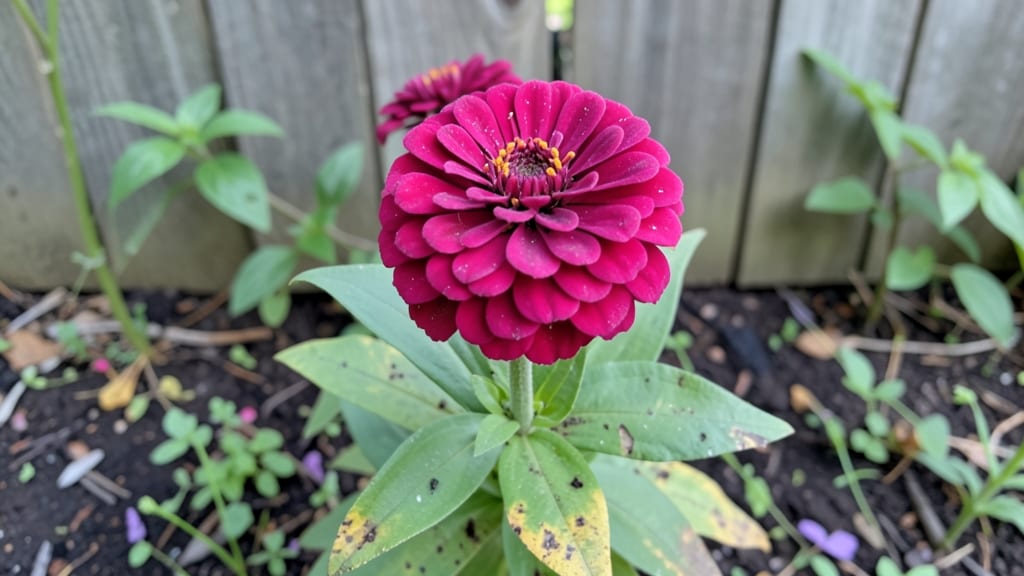
Double flowered zinnias pack a punch with their velvety, layered petals that look like they’re straight out of a floral bouquet. 🌻 I’ve grown regular zinnias for years, but these double varieties—with their extra layers of blooms—turn my garden into a showstopper every summer.
The secret isn’t just luck; it’s knowing how to coax them into their fullest potential from seed to deadheading.
These zinnias thrive in full sun and well-draining soil, but the real magic happens when you match their needs to your climate.
Start seeds indoors 6-8 weeks before your last frost, or sow directly after soil warms to at least 55°F. A balanced fertilizer at planting and monthly feedings keep those blooms bold and bountiful, while consistent moisture prevents floppy stems. The payoff?
Plants that burst into color from early summer until frost.
What sets double zinnias apart is their sheer drama—each flower looks like a tiny, intricate masterpiece. They attract pollinators like crazy, too, so your garden becomes a buzzing hub of activity.
The key to longevity? Deadhead regularly and stake taller varieties to keep them upright. With the right care, these zinnias will outshine even the showiest annuals in your yard.
Whether you’re growing them in borders, containers, or cutting gardens, these zinnias adapt beautifully. Just avoid overcrowding, and you’ll have a nonstop parade of blooms that last longer than their single-flowered cousins. Ready to transform your garden into a double-flowered dream? Let’s get those seeds in the ground.
📚 In This Guide
- What you need
- Instructions
- Tips and common mistakes
- Wrapping up and next steps
What you need
- ● Double flowered zinnia seeds: Choose heirloom or hybrid varieties like ‘Benary’s Giant Double Mixed’ or ‘Crystal’ (packets typically yield 20–50 seeds).
- ● Well-draining potting mix or garden soil: 1–2 cubic yards for in-ground planting, or 10–15 quart bags for containers.
- ○ Containers (optional): 12–18" diameter pots with drainage holes (2–3 plants per container).
- ● Fertilizer: Balanced 10-10-10 granular fertilizer (1 lb per 100 sq ft).
- ● OR slow-release osmocote (3–4 month formula, 1 cup per 5 sq ft).
- ● Watering can or hose with a gentle spray nozzle.
- ● Garden trowel or hand shovel.
- ● Pruning shears (for deadheading).
- ● Sunlight: Full sun (6+ hours daily).
- ● Temperature: Plant after last frost (zinnias thrive in 70–80°F soil).
- ● Spacing: In-ground: 12–18" apart.
- ● Containers: 6–8" apart.
- ● Water: Keep soil consistently moist (not soggy) until established, then water at the base 1–2x weekly.
- ● Mulch (straw or shredded bark) to retain moisture.
- ● Epsom salt (1 tbsp per gallon of water) for magnesium boost.
- ● Cage or stake (for taller varieties like ‘Double Cherry’).
- ● Compost (to enrich soil before planting).
Step-by-Step instructions for growing double flowered zinnias
Here's how to coax those lush, layered blooms from seed—no fancy tricks, just reliable techniques.
🌱 Step 1: Start Seeds Indoors 6-8 Weeks Before Last Frost
Fill 2-inch deep seedling trays with moistened seed-starting mix, pressing it down lightly so it's firm but not compacted. I like to use a pencil to poke ¼-inch deep holes—just enough to cradle the tiny seeds without burying them too deep. Place 2-3 seeds per hole since germination isn't always perfect.
Cover the seeds with a fine layer of mix, then mist gently with water until the surface looks evenly damp. Place the tray in a warm spot (70-75°F) with bright, indirect light. A seedling heat mat speeds things up, but even a sunny windowsill works if you're patient. You'll see sprouts in 7-14 days—don't be surprised if they take longer in cooler conditions.
☀️ Step 2: Harden Off and Transplant Outdoors
Two weeks before your last frost date, move seedlings outside to a sheltered spot for 1-2 hours daily. Gradually increase their time outdoors over 10-14 days until they're getting full sun. This toughens them up so they don't wilt when planted. Choose a location with full sun (6+ hours daily)—double flowered zinnias need plenty of light to develop their dramatic petals.
Transplant seedlings 12-18 inches apart in well-draining soil. Dig holes just deep enough to cover the roots, then water deeply to settle the soil. I always add a handful of compost to each hole—zinnias love rich soil but hate soggy roots. Mulch around the base with 1-2 inches of organic mulch to retain moisture and keep weeds down.
💧 Step 3: Water and Feed for Continuous Blooms
Water at the base of the plant 1-2 inches deep every 2-3 days, letting the top inch of soil dry out between waterings. Double flowered zinnias are drought-tolerant once established, but consistent moisture prevents their stems from getting too woody. Avoid wetting the leaves—this reduces disease risk and keeps those bold blooms looking fresh.
Feed every 2-3 weeks with a balanced liquid fertilizer (10-10-10) diluted to half-strength. I swear by this routine: once the first flowers open, switch to a phosphorus-heavy feed (5-10-5) to encourage more blooms. Deadhead spent flowers regularly—this redirects energy into new blooms instead of seed production.
✂️ Step 4: Prune and Support for Long-Stemmed Blooms
Pinch back the tips of young plants when they reach 6 inches tall to encourage bushier growth. This creates more stems for flowers and prevents them from flopping over. As plants grow, I tie tall stems to 6-inch stakes or use a small tomato cage for support—double flowered zinnias can get top-heavy with all those petals.
Cut back leggy stems in early summer to rejuvenate the plant. You'll see new growth from the base within 2-3 weeks, and it'll bloom again before fall. The key is to keep cutting back until 6 weeks before your first frost—this ensures you get flowers all season long.
Tips & tricks for perfect double flowered zinnias
A few simple tricks can make all the difference in growing those stunning double-layered blooms that set zinnias apart.
Seedling Heat Secret: Those 70-75°F temperatures in Step 1 aren't just a suggestion—they're critical for consistent germination. If your home stays cooler, place the seedling tray on top of your fridge (not inside) to create that warm microclimate. I've seen germination rates double when maintaining this temperature range consistently.
Harden Off Gradually: The 10-14 day hardening off period in Step 2 is your plant's boot camp. Start with just 1-2 hours in morning sun, then increase by 30 minutes daily. I've ruined seedlings by moving them too quickly—watch for wilting as your warning sign to slow down.
Soil Science: Double flowered zinnias need that 12-18 inch spacing because their dramatic petals require room to breathe. Amend your garden soil with compost before planting—these beauties thrive in soil with organic matter but despise soggy conditions. A simple soil test can reveal if you need to improve drainage before planting.
Pruning Payoff: That 6-inch pinch height in Step 4 might seem arbitrary, but it's the sweet spot for bushy growth. Use clean scissors to make cuts just above a leaf node. I've found that pinching at this height creates the perfect balance between bushiness and flower production without making the plants leggy.
Pro Tips for Double Flowered Zinnias
- A few simple tricks can make all the difference in growing those stunning double-layered blooms that set zinnias apart.
- Seedling Heat Secret: Those 70-75°F temperatures in Step 1 aren't just a suggestion—they're critical for consistent germination.
- Harden Off Gradually: The 10-14 day hardening off period in Step 2 is your plant's boot camp.
Frequently asked questions
Got questions about growing double flowered zinnias? You’re not alone—these showstoppers are stunning but come with a few quirks! Here are answers to the most common queries to help you cultivate bigger, bolder blooms with ease.
Are double flowered zinnias harder to grow than single varieties?
Not necessarily! While they do require slightly more care—like consistent watering and deadheading—they’re still beginner-friendly. The key difference? Double blooms can be more prone to mildew due to their dense petals, so ensure good airflow and avoid overhead watering. With the right conditions, they thrive just like their single-flowered cousins!
How long does it take for double flowered zinnias to bloom?
Patience pays off! From seed, expect blooms in 60–75 days (check your seed packet for exact timing). If you start with transplants, you’ll see flowers in 4–6 weeks. For year-round color, stagger plantings every 2–3 weeks—this keeps your garden bursting with blooms from summer through fall.
Do double flowered zinnias need full sun?
These sun-lovers thrive in 6–8 hours of direct sunlight daily. In hot climates, provide afternoon shade to prevent wilting, but never less than 4 hours of sun—otherwise, you’ll get leggy stems and fewer blooms. A south- or west-facing spot is ideal for maximum petal power!
What pests or diseases should I watch for with double zinnias?
Double zinnias are magnets for aphids, spider mites, and whiteflies (thanks to their lush petals!). Watch for sticky residue or yellowing leaves—spray with neem oil or insecticidal soap if needed. Powdery mildew is another risk; improve airflow and water at the base to prevent it. Healthy plants = fewer pest problems!
Can I cut double flowered zinnias for bouquets?
Yes! Their long vase life (7–10 days) makes them perfect for cutting. Harvest in the morning, trim stems at an angle, and change the water every 2 days. Pro tip: Remove lower leaves to reduce bacteria in the water. Plus, deadheading spent blooms encourages nonstop new flowers—your bouquets (and garden!) will thank you.
What’s the best alternative if double zinnias don’t thrive in my climate?
If your zone is too hot, humid, or short-seasoned, try these low-maintenance doubles:
- Zinnia ‘Crystal’ (heat-tolerant, compact)
- Zinnia ‘Benary’s Giant’ (classic, disease-resistant)
- Cosmos ‘Bright Lights’ (drought-proof, similar vibrancy)
- Dahlia ‘Café au Lait’ (bold doubles, great for cutting)
Wrapping up and next steps
Double flowered zinnias are a vibrant, low-maintenance addition to any garden, offering lush blooms that turn heads and brighten up spaces with ease. Whether you’re a seasoned gardener or just starting out, their resilience and striking beauty make them a winner.
Ready to dive in? Grab your seeds, pick a sunny spot, and let these bold beauties transform your outdoor space! 🌸
💡 Next step: Start with just a few plants or a full bed—either way, you’ll be rewarded with a garden that pops with color and charm. Happy planting!