
Blooming
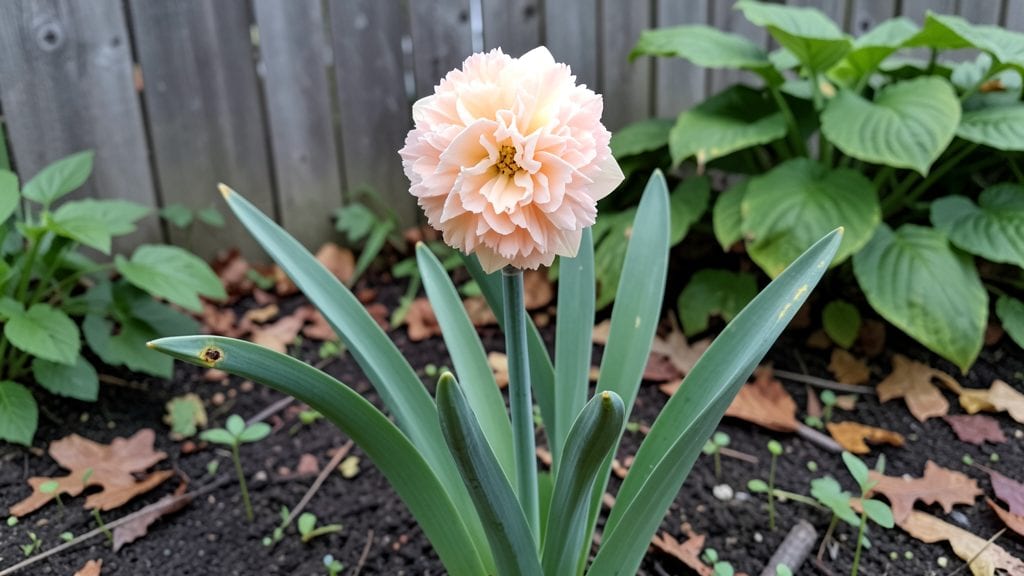
Double flowered daffodils transform your spring garden with layers of petals instead of single blooms—though they demand slightly different care than their simpler cousins. 🌸 I’ve grown both types for years, and the secret to their dramatic display lies in the soil, sunlight, and a little patience during their first year.
These aren’t just pretty faces; they multiply underground like clockwork, creating a carpet of color that returns year after year.
The key to success starts with well-draining soil—daffodils hate soggy feet—and a spot with full sun for at least six hours daily. Plant bulbs in fall, about 6 inches deep and 6 inches apart, in clusters of three or more to encourage stronger stems.
Unlike single-flowered varieties, doubles often need staking for their heavier blooms, but the trade-off is worth it when they burst into bloom in early spring.
Once established, these daffodils reward you with bold, layered petals that last longer in vases and attract pollinators like crazy. The trick to reblooming? Leave the foliage until it yellows completely—this feeds the bulb for next year’s show.
And here’s the best part: they naturalize beautifully, spreading into wildflower-like drifts over time.
If your doubles aren’t performing, check your watering—too much after planting can rot bulbs, while too little stresses them. And don’t be fooled by their showy blooms: doubles often bloom slightly later than singles, so plant them where you’ll notice them when they finally arrive. Let’s get those petals multiplying!
📚 In This Guide
- What you need
- Instructions
- Tips and common mistakes
- Wrapping up and next steps
What you need
- ● Double flowered daffodil bulbs – Choose high-quality, certified disease-free bulbs (e.g., Ice Follies, Tête-à-Tête, or Peeping Tom). Aim for 5–10 bulbs per 10 sq. ft. for a lush display.
- ● Well-draining garden soil – Amend heavy or clay soil with compost (1 part) and coarse sand or perlite (1 part) to improve aeration.
- ● Bone meal or bulb fertilizer (5-10-10 NPK ratio) – 1–2 tbsp per bulb at planting time for robust growth.
- ● Organic mulch (e.g., shredded bark, straw, or pine needles) – 2–3 inches to retain moisture and suppress weeds.
- ● Hand trowel or bulb planter – For digging clean, precise holes.
- ● Garden gloves – To protect hands from soil and sharp bulb edges.
- ● Measuring tape or ruler – Ensures bulbs are planted at the correct 6-inch depth (2x bulb height).
- ● Watering can or hose with a gentle spray nozzle – Avoids displacing bulbs.
- ○ Optional: Soil pH tester – Daffodils prefer pH 6.0–7.0; adjust with lime or sulfur if needed.
- ● Bulb caging or chicken wire – Protects from squirrels or deer in high-risk areas.
- ● Slow-release fertilizer spikes – For convenience (follow package instructions).
- ● Full sun to partial shade location – 6+ hours of sunlight daily for optimal blooming.
- ● Cool-season planting – Best planted in fall (6–8 weeks before first frost) for winter root establishment.
- ● Patience! – Double flowered daffodils may take 2–3 years to reach their full, dramatic bloom potential.
Step-by-Step guide to growing stunning double flowered daffodils
Here's how to cultivate these showstopping blooms with minimal effort and maximum impact.
🌱 Step 1: Select and Prepare the Planting Site
Double flowered daffodils thrive in full sun to partial shade—at least 6 hours of sunlight daily. Choose a spot with well-draining soil, as these bulbs rot easily in soggy conditions. If your soil drains poorly, mix in 2-3 inches of coarse sand or perlite into the planting area to improve drainage.
Test your soil's drainage by digging a 6-inch hole, filling it with water, and timing how long it takes to drain. If it takes longer than 1 hour, amend the soil before planting. Avoid low-lying areas where water pools after rain. A slightly elevated spot ensures excess moisture flows away naturally.
🪴 Step 2: Plant Bulbs at the Right Depth and Spacing
For 4 double flowered daffodils, you’ll need 4 healthy bulbs. Plant them in early fall, 6-8 weeks before the first frost, so roots establish before winter. Dig holes 6 inches deep—about 3 times the bulb’s height—and space them 4-6 inches apart to allow room for foliage growth.
Place each bulb in the hole with the pointed end facing up (this is the natural growing direction). Gently cover with soil and firm it lightly around the bulb. Avoid pressing too hard, as this can damage tender roots. Water deeply after planting to settle the soil and encourage root growth.
☀️ Step 3: Provide Consistent Care Through Spring
After planting, water the area once a week if rainfall is minimal, keeping the soil evenly moist but not soggy. Once shoots emerge in early spring, reduce watering to every 2-3 weeks—overwatering now can cause rot. Fertilize lightly in late fall with a balanced bulb fertilizer (like 10-10-10) to support root development.
Leave the foliage until it yellows and dies back naturally—this ensures the bulb stores energy for next year’s blooms. Cut back the leaves only after they’ve turned brown and flopped over. This might take 6-8 weeks after flowering. Mulch around the base with 2-3 inches of organic mulch in late fall to insulate bulbs from temperature swings.
✂️ Step 4: Encourage Reblooming and Long-Term Health
After the first bloom cycle, deadhead spent flowers by snipping off the faded blooms just above the lowest healthy leaf. This redirects energy to the bulb for next year’s growth. In early summer, apply a low-nitrogen fertilizer (like 5-10-10) to promote strong bulb development without encouraging excessive foliage.
Double flowered daffodils multiply over time—you’ll often see baby bulbs (called offsets) forming around the parent bulb. Let these grow undisturbed for 2-3 years before digging and dividing them in early fall. This prevents overcrowding, which reduces flower size and quantity. Divide clumps when you see 3-4 offsets per bulb.
🌿 Step 5: Protect and Extend Your Display Year After Year
These daffodils are deer- and rodent-resistant, but slugs may still target them in damp conditions. Set out copper slug barriers or apply organic slug bait in early spring if you notice damage. Avoid chemical pesticides, as they can harm beneficial insects and soil microbes.
To extend your display, plant 3-4 bulbs in succession—stagger planting dates by 2-3 weeks in early fall. This ensures continuous blooms from late winter through early spring. After flowering, let the bulbs rest in the ground for 8-10 weeks before fertilizing again. With proper care, your double flowered daffodils will return year after year, growing bolder and more spectacular.
Tips & tricks for perfect double flowered daffodils
Here's what nobody tells you about growing these showstopping blooms—tricks that'll make all the difference between ordinary and extraordinary displays.
Site Selection Secret: That 6-hour sunlight requirement is non-negotiable, but don't just pick any sunny spot. Look for areas with morning sun and afternoon shade—this prevents the bulbs from overheating during summer dormancy. I've seen daffodils in full afternoon sun get crispy foliage by mid-summer, while those with morning sun stayed lush. Also, avoid spots where water pools—even if drainage improves—because these bulbs hate "wet feet" during winter.
Planting Precision: When you're planting those 6-inch deep holes in Step 2, use a bulb planter or even a long screwdriver to get perfectly straight holes. The pointed end up is crucial—if you plant them upside down, they'll still grow but produce fewer blooms. I've planted 100+ bulbs and can spot an upside-down one from a foot away—they grow at an angle! After planting, give them that deep watering, but don't let water pool in the hole. Use a small watering can with a narrow spout to water directly around the bulbs.
Foliage Care: Those 6-8 weeks of leaving foliage after flowering are critical, but here's the thing: if your daffodils are in a high-traffic area, don't wait until the leaves flop over. Once they start yellowing (about 4-5 weeks after blooming), you can trim them back to about 2 inches tall. The bulb has already stored enough energy by then. I learned this after watching my first batch produce tiny blooms the next year—turns out, I'd cut them too early!
Slug Protection Strategy: The copper barriers work, but here's what actually stops slugs in my garden: a mix of crushed eggshells and diatomaceous earth around the base. Sprinkle it in a 3-inch wide ring and reapply after rain. I've had zero slug damage since using this combo, and it's completely organic. The sharp edges deter slugs while letting water through—unlike copper which can get too hot in summer.
Pro Tips for Double Flowered Daffodils
- Here's what nobody tells you about growing these showstopping blooms—tricks that'll make all the difference between ordinary and extraordinary displays.
- Site Selection Secret: That 6-hour sunlight requirement is non-negotiable, but don't just pick any sunny spot.
- Planting Precision: When you're planting those 6-inch deep holes in Step 2, use a bulb planter or even a long screwdriver to get perfectly straight holes.
Frequently asked questions
Got questions about growing double flowered daffodils?
Here are answers to the most common ones—so you can confidently create a show-stopping spring display!
What’s the best time to plant double flowered daffodils?
Plant them in fall (6–8 weeks before the first frost) for best results. This gives bulbs time to establish roots before winter. For most U.S. zones, aim for October–November. If you miss fall, you can plant in early spring, but blooms may be delayed or smaller.
Why aren’t my double flowered daffodils blooming?
Several factors could be at play: overcrowded bulbs (divide clumps every 3–5 years), poor sunlight (they need 6+ hours of sun), or excessive fertilizer (too much nitrogen = fewer flowers). Check for pests (squirrels, deer) or disease (gray mold) too. Adjust care and give them patience—they thrive long-term!
Can I grow double flowered daffodils in containers?
Use a well-draining pot (at least 8 inches deep) with bulb-specific soil. Plant 3–5 bulbs per container for a full look. Containers dry out faster, so water regularly during growing season. Drainage holes are a must—root rot is a common killer. Perfect for patios or balconies!
How do I encourage bigger, bolder blooms?
Start with large, healthy bulbs (size 12+). Plant in full sun and well-draining soil. Feed lightly in early spring with a low-nitrogen, high-phosphorus fertilizer (like 5-10-10). Deadhead spent blooms to redirect energy to next year’s flowers. Pro tip: Avoid overwatering—they hate soggy roots!
What’s a good alternative if double flowered daffodils don’t thrive in my climate?
Try these low-maintenance, bold alternatives:
- Tulips (e.g., ‘Parrot’ or ‘Darwin Hybrid’): Vibrant colors, but shorter-lived bulbs.
- Alliums: Dramatic globes, drought-tolerant, and deer-resistant.
- Crocuses: Early bloomers, great for naturalizing under trees.
- Hyacinths: Fragrant and compact—ideal for containers.
Alliums and crocuses are especially perennial, like daffodils, so they’ll come back year after year!
Wrapping up and next steps
Double flowered daffodils are the showstoppers of spring, transforming your garden into a vibrant canvas with their lush, layered blooms. Whether you’re a seasoned gardener or a beginner, these beauties reward patience and care with months of eye-catching color—proving that a little effort blooms into big rewards! 🌸
Ready to level up your garden? Grab your gloves, pick your favorite varieties, and start planting—your future spring display is just petals away! For extra inspiration, browse local nurseries or join gardening forums to swap tips with fellow enthusiasts.