
Flowers
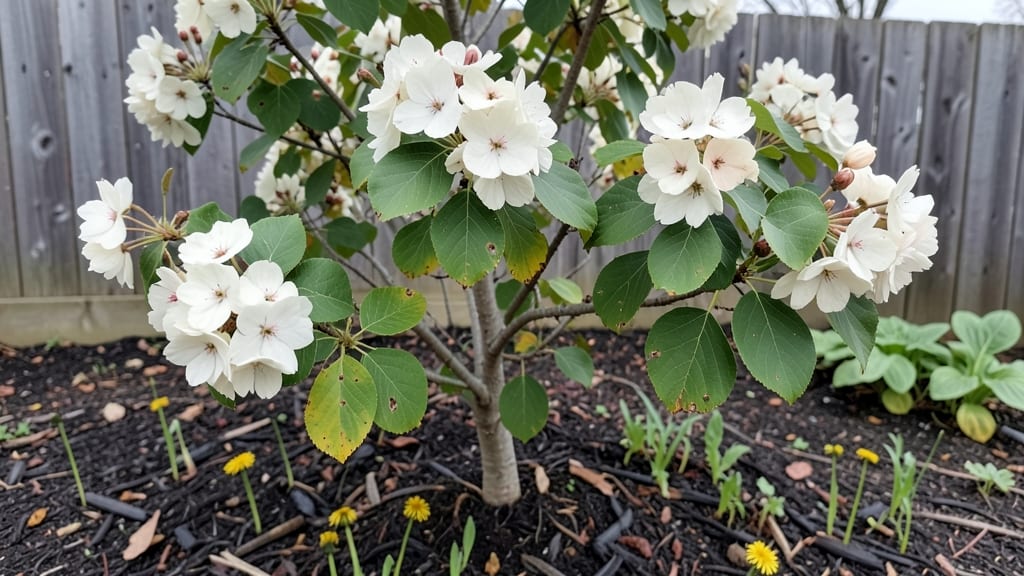
Dogwood flower colors bring that soft, dreamy glow to shady spots where most plants struggle. ✨ I’ve always loved how their pastel blooms—white as fresh milk, blush pink like sunrise, or deep magenta—turn dull corners into fairy-tale gardens.
The key isn’t just choosing a color but matching it to the light and surrounding plants.
White dogwoods stand out against dark evergreens, while pink varieties glow near ferns or hostas. Red-flowered types add drama when paired with silver foliage or purple-leaved plants. Most bloom in spring, but some rebloom in fall—creating two seasons of color with minimal effort.
The secret? Plant them where their leaves can filter dappled light for the rest of the year.
You’ll end up with a garden that feels like a living watercolor painting—soft edges, layered textures, and colors that shift with the seasons. The best part? Dogwoods thrive where little else does, so you’re not trading beauty for survival. Let’s pick the perfect palette for your shade garden.
Works equally well in formal borders, wild woodland gardens, or as a single statement tree. The right color choice turns a forgotten corner into the heart of your outdoor space—without needing full sun or constant care. Here’s how to make it happen.
📚 In This Guide
- What you need
- Instructions
- Tips and common mistakes
- Wrapping up and next steps
What you need
- ● Dogwood plants or seeds: Choose from varieties like Cornus florida (white/pink), Cornus kousa (pink/red), or Cornus nuttallii (soft pink/white).
- ● For seeds: Collect fresh seeds from mature dogwood berries (or buy from a nursery).
- ● For saplings: 1–3 healthy, disease-free plants (size depends on garden space).
- ● Soil: Well-draining, slightly acidic soil (pH 4.5–6.0). Mix in 2–3 inches of compost or organic matter.
- ● Fertilizer: Balanced 10-10-10 fertilizer (spring/fall) or acid-loving plant food (e.g., azalea/camellia blend).
- ○ Optional: Slow-release granules (1 lb per plant).
- ● Mulch: 3–4 inches of pine bark or wood chips (retains moisture, mimics natural forest floor).
- ● Watering tools: Watering can or hose with a gentle spray nozzle (avoid blasting roots).
- ○ Drip irrigation kit (optional for automated care).
- ● Pruning tools: Sharp bypass pruners (for clean cuts).
- ● Loppers (for thicker branches).
- ● Disinfectant (rubbing alcohol or bleach solution).
- ● Epsom salt: 1 tbsp dissolved in water (monthly feed for magnesium-rich blooms).
- ● Moss or leaf litter: Adds humidity-loving shade garden vibes (great for understory plants).
- ● Stakes or supports: For young trees in windy areas (1–2 per plant).
- ● Shade cloth: 30–50% coverage if planting in hot climates (protects young leaves).
- ● Garden gloves: For messy soil or thorny stems (some varieties have mild spines!).
- ● 🌡️ Timing matters: Plant bare-root dogwoods in late fall or early spring; seeds need stratification (cold treatment) for 60–90 days.
- ● ✨ Location: Dogwoods thrive in partial shade (4–6 hours of sun)—ideal for understory gardens!
- ● 🔥 Patience pays off: Seeds can take 2–3 years to bloom; saplings may flower in 3–5 years.
How to choose and care for dogwoods for a soft, shaded garden
Dogwoods bring dreamy pastels to shady spots—here’s how to pick the right varieties and keep them thriving.
🌿 Step 1: Select the Right Dogwood Varieties for Your Shade
Dogwoods love partial to full shade, making them perfect for under trees or north-facing yards. For soft pink blooms, try ‘Pink Icing’ or ‘Cherokee Brave’—both produce 4-inch flowers that last weeks. If you prefer white, ‘White Winter Halo’ stays elegant year-round with its creamy bark. I always check the mature height: ‘Cherokee Chief’ grows 12-15 feet, while ‘Purple Pizzazz’ stays compact at 6-8 feet—ideal for smaller gardens.
Look for healthy 1-gallon pots with no wilted leaves or brown stems. The roots should look white and firm, not mushy or dried out. If planting in deep shade, choose ‘White Cloud’—it tolerates lower light better than most. Avoid varieties labeled "sun-loving" unless your spot gets at least 4 hours of dappled light daily.
☀️ Step 2: Plant in Well-Draining, Moist Soil
Dogwoods hate soggy roots but need consistent moisture. Amend your native soil with 3 inches of compost and a handful of slow-release fertilizer (like 10-10-10) before planting. Dig a hole twice as wide as the root ball but only as deep—planting too deep suffocates the roots. Gently loosen the roots if they’re circling, then place the plant so the top of the root ball sits 1 inch below soil level (this prevents stem rot).
Backfill with a mix of native soil and compost, tamping lightly to remove air pockets. Water deeply until moisture reaches 12 inches down—you’ll see it sink in like a sponge. Mulch with 3 inches of shredded bark (not rocks) to retain moisture and protect roots. Keep mulch 6 inches away from the trunk to prevent rot.
💧 Step 3: Water Deeply and Mulch Regularly
Newly planted dogwoods need 1-2 inches of water per week, either from rain or you. Check moisture by sticking your finger 3 inches deep—if it feels dry, water again. Overwatering is worse than underwatering; dogwoods wilting slightly is normal in heat, but drooping leaves that stay limp signal root stress. I water early morning to reduce evaporation and fungal risks.
After the first year, established dogwoods tolerate drought better, but pastel blooms stay vibrant with consistent care. Reapply 2 inches of mulch annually in spring to lock in moisture. Avoid heavy-handed pruning—just remove dead branches in late winter or early spring before buds swell. Dogwoods bloom on old wood, so cutting back now means fewer flowers next year.
✂️ Step 4: Prune for Health and Shape (When to Cut)
Prune only when necessary—dogwoods bloom on last year’s growth, so avoid heavy cuts. The best time is late winter to early spring, just as buds form but before leaves appear. Remove dead, diseased, or crossing branches first—these crowd flowers and attract pests. Use clean, sharp pruners to make 45-degree cuts just above a bud or branch collar.
For shaping, limit cuts to no more than 25% of the canopy at a time. If your dogwood grows too leggy, thin out inner branches to improve airflow. Never prune in fall—new growth won’t harden off before winter, and wounded wood invites borers. After pruning, apply a fungicide spray (like neem oil) to protect fresh cuts.
🌱 Step 5: Fertilize Lightly for Vibrant Blooms
Dogwoods in average soil rarely need fertilizer, but a light feeding in early spring boosts flower production. Use ½ cup of 10-10-10 granular fertilizer spread over the root zone, then water deeply. Avoid high-nitrogen fertilizers—they promote leafy growth at the expense of blooms. If your dogwood’s leaves turn yellow, it may need iron (use a chelated iron supplement).
For organic options, mix 1 cup of compost into the top 2 inches of soil in spring. Dogwoods in poor soil benefit from slow-release fertilizer in late summer to support root growth for next year’s flowers. Always water before and after fertilizing to prevent root burn. Over-fertilizing leads to weak stems that snap in storms—keep it light and consistent.
Tips & tricks for perfect dogwood flower colors
Creating a dreamy pastel palette with dogwoods takes a few key tricks that most gardeners miss—but I’ll save you the trial-and-error.
Variety Matters: When selecting varieties in Step 1, pay attention to bloom size and color intensity. ‘Cherokee Brave’ produces 4-inch flowers that stand out beautifully against dark foliage, while ‘Pink Icing’ offers a softer, more delicate look. For white blooms, ‘White Winter Halo’ provides year-round interest with its distinctive creamy bark. I always match the mature height to my space—‘Purple Pizzazz’ at 6-8 feet works perfectly for smaller gardens, while ‘Cherokee Chief’ at 12-15 feet makes a stunning focal point.
Light Conditions: Dogwoods thrive in partial to full shade, but not all varieties handle deep shade equally. ‘White Cloud’ is your best bet for truly shady spots, while others like ‘Pink Icing’ need at least 4 hours of dappled light daily to maintain vibrant colors. If your garden has mixed light, consider planting multiple varieties to create visual interest throughout the season.
Root Care: In Step 2, planting depth is critical—the top of the root ball should sit 1 inch below soil level to prevent stem rot. I also recommend loosening any circling roots before planting, as this encourages outward growth rather than girdling. After planting, water until moisture reaches 12 inches down—this ensures roots establish properly in their new home. The 3 inches of shredded bark mulch isn’t just decorative; it helps maintain consistent moisture and protects roots from temperature fluctuations.
Pruning Strategy: Remember that dogwoods bloom on old wood, so timing is everything. When pruning in Step 4, focus on removing only dead, diseased, or crossing branches—never more than 25% of the canopy at once. I’ve seen gardeners accidentally prune off next year’s blooms by cutting too late in the season. Always prune in late winter to early spring, just as buds begin to swell, and use clean, sharp pruners to make precise 45-degree cuts above a bud or branch collar.
Pro Tips for Dogwood Flower Colors
- Creating a dreamy pastel palette with dogwoods takes a few key tricks that most gardeners miss—but I’ll save you the trial-and-error.
- Variety Matters: When selecting varieties in Step 1, pay attention to bloom size and color intensity.
- Light Conditions: Dogwoods thrive in partial to full shade, but not all varieties handle deep shade equally.
Frequently asked questions
Got questions about dogwood flower colors? You’re not alone! Here are some of the most common queries—plus quick answers to help you choose, care for, and enjoy these stunning blooms in your garden.
What are the most popular dogwood flower colors?
Dogwoods come in a soft, dreamy palette! The most beloved colors include white (classic and elegant), pink (from blush to deep rose), and red (bold and striking). Some varieties even feature bicolor blooms or purple-tinged edges. Pro tip: ‘Cherokee Brave’ and ‘White Winter Halo’ are standout picks for vibrant contrast.
When is the best time to plant dogwoods for colorful blooms?
Plant dogwoods in early spring or fall when soil is cool but workable. This gives roots time to establish before summer heat. For spring bloomers, planting in fall ensures robust growth by next season. Avoid planting in extreme heat or frost—delicate roots need gentle conditions to thrive!
Can dogwoods grow in full shade, and will their colors still pop?
Dogwoods thrive in shade (they’re perfect for woodland gardens). Their colors won’t fade in low light—in fact, shade often enhances their pastel hues. Just ensure they get 4–6 hours of dappled sunlight daily for optimal blooming. Varieties like ‘Camille’ (pink) or ‘Indigo Sentinal’ (deep purple) shine even under trees!
How can I extend the life of cut dogwood flowers in a vase?
Cut dogwood blooms last 5–7 days with the right care! Trim stems at a 45-degree angle, remove lower leaves, and use lukewarm water with a flower food packet. Change water every 2 days and keep them out of direct sunlight. Pro tip: Add a splash of bleach (1 tsp per gallon) to prevent bacterial growth!
Are there dogwood alternatives with similar colors but easier care?
If dogwoods seem high-maintenance, try these low-fuss alternatives:
- Serviceberry (Amelanchier) – White/pink blooms + edible berries!
- Viburnum (Viburnum dentatum) – Pink-white clusters, deer-resistant.
- Eastern Redbud (Cercis canadensis) – Lavender-pink spring flowers, fast-growing.
Wrapping up and next steps
From the delicate blush of Cornus florida to the bold contrast of Cornus kousa, dogwood flowers bring a dreamy charm to shaded gardens—proving that even the quietest corners can sparkle! 🌸 Whether you’re drawn to soft pinks, creamy whites, or deep purples, these blooms offer year-round interest with their striking barks, lush foliage, and edible berries.
Now that you’re inspired, why not take the next step? Visit a local nursery to pick out your favorite variety, or sketch a cozy garden corner where these beauties can shine.
- Pro tip: Pair dogwoods with ferns or hostas for a lush, layered look! ✨