
Tools
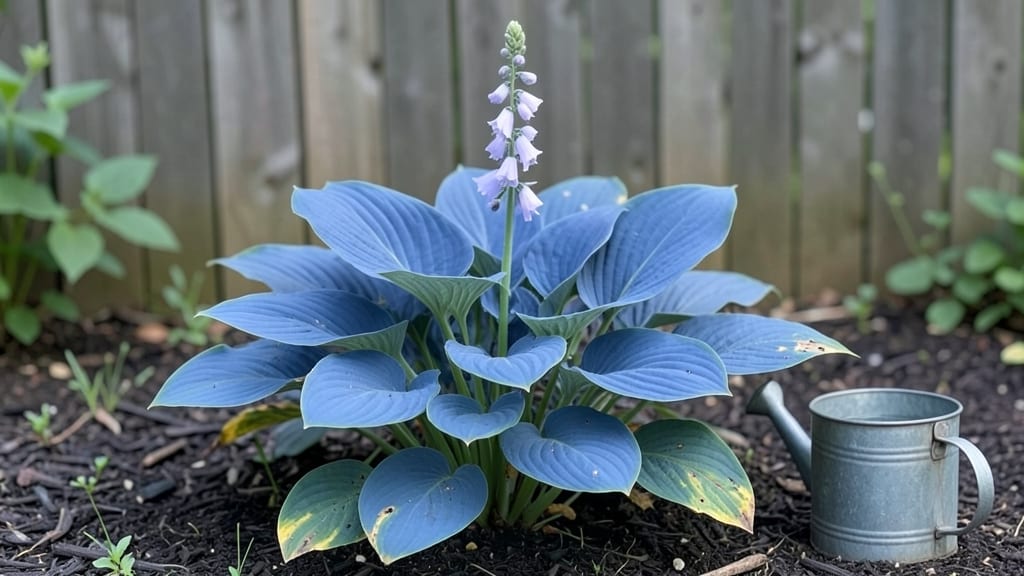
Creating a shaded flower garden transforms forgotten corners into lush, vibrant spaces that outshine sunny borders. 🌿 I’ve turned my own shady backyard into a layered paradise where ferns, hellebores, and impatiens thrive—plants that most gardeners overlook for sunnier spots.
The key isn’t fighting the shade; it’s working with it by choosing the right plants and designing for depth, texture, and seasonal interest.
Start with the soil—shaded areas stay damp longer, so focus on improving drainage while holding moisture. A mix of organic matter like compost or leaf mold keeps roots happy, and mulch (shredded bark or wood chips) suppresses weeds while protecting plant roots.
For layout, think in layers: tall plants like astilbes or ferns at the back, mid-height bloomers like hostas or lungwort, and spill-over ground covers like creeping phlox or ajuga in front. This creates a dynamic, ever-changing tapestry that feels alive year-round.
You’ll end up with a garden that’s lush even in summer’s deepest shade, where every season brings something new—spring’s hellebores, summer’s impatiens, and fall’s fiery asters.
The trick is balancing moisture-loving plants with those that tolerate occasional dry spells, plus adding a few architectural elements like containers or a small water feature to draw the eye. It’s not just about flowers; it’s about creating a serene, layered retreat that feels like a secret garden.
This approach works for any shaded spot—under trees, along north-facing walls, or even in courtyards with minimal sunlight. The same principles apply whether you’re designing a small patio corner or a large woodland garden. Let’s bring that hidden space to life with plants that shine in the shade.
📚 In This Guide
- What you need
- Instructions
- Tips and common mistakes
- Wrapping up and next steps
What you need
- ● Soil amendments: Compost (5-10 gallons) – Boosts fertility and drainage 🌱
- ● Peat moss or coconut coir (2-3 bags) – Improves moisture retention
- ● Perlite or sand (1-2 bags) – Enhances aeration in heavy shade
- ● Mulch: Shredded bark or wood chips (2-3 cubic feet) – Suppresses weeds and retains moisture
- ○ Leaf mold (optional, 1-2 bags) – Adds organic matter naturally
- ● Plants for shade: (Select 5-10 varieties based on your light conditions) Hostas (tier 1-3, shade-tolerant varieties)
- ● Ferns (e.g., maidenhair, ostrich)
- ● Hydrangeas (bigleaf or oakleaf)
- ● Impatiens or begonias (for bright pops of color)
- ● Heucheras or astilbes (for texture and foliage)
- ● Garden tools: Trowel or hand shovel
- ● Garden fork (for amending soil)
- ● Pruners (for trimming)
- ● Garden gloves (to protect your hands)
- ● Wheelbarrow or bucket (for hauling materials)
- ● Slow-release fertilizer (e.g., 10-10-10, 1 lb per 100 sq ft)
- ● Shade cloth (if your area has harsh afternoon sun)
- ● Garden stakes or trellises (for climbing plants like clematis or ferns)
- ● Decorative rocks or stepping stones (for pathways or borders)
- ● Drip irrigation system (for consistent watering)
Step-by-step instructions for creating a shaded flower garden
This method transforms dim corners into vibrant, low-maintenance displays using plants that thrive without harsh sun.
🌱 Step 1: Test Your Shade Conditions
First, identify your shade type—full shade (no direct sun), partial shade (2-6 hours of dappled light), or deep shade (filtered light only). I spend 2-3 days observing how sunlight moves through the area, marking the darkest and brightest spots with stakes. This ensures you choose plants that match your light levels.
For example, hostas and ferns handle full shade, while impatiens and bleeding hearts tolerate partial shade. Skipping this step leads to wilting plants or overcrowding as some flowers demand more light than others. Use a light meter app if you're unsure—most shade plants thrive between 1,000 and 2,000 foot-candles of light.
🪴 Step 2: Prepare the Soil and Select Containers
Amend your soil with 3-4 inches of compost and 1 inch of perlite to improve drainage—shade gardens often stay damp, and soggy roots invite rot. I dig in the compost first, then mix perlite into the top 6 inches of soil. For containers, choose pots with drainage holes and use a moisture-retentive potting mix to prevent drying out.
Test your soil’s moisture by squeezing a handful—it should hold together but not feel sticky. If your garden stays wet after rain, raise container bases with bricks or add a 1-inch layer of gravel at the bottom for drainage. This step prevents the most common shade-garden mistake: root suffocation from poor airflow.
☀️ Step 3: Layer Plants by Height and Light Needs
Start with tallest plants in back (like astilbes or foxgloves) and work forward to ground covers (such as ajuga or sweet woodruff). I space plants 12-18 inches apart to allow airflow and future growth. Group plants with similar water needs together—hostas and ferns prefer consistent moisture, while hellebores tolerate drier conditions.
Add mulch (2-3 inches) after planting to retain moisture and suppress weeds. Use shredded bark or leaf mold—avoid fresh wood chips, which can rob nitrogen from the soil. Water deeply after planting, then check soil moisture weekly by sticking your finger 1 inch deep. If it feels dry, water until moisture reaches 4 inches down.
💧 Step 4: Maintain with Shade-Specific Care
Shade gardens need less frequent watering but more attention to humidity. I water in the early morning to reduce fungal risks, and I avoid overhead sprinkling after dark. Fertilize lightly in early spring with a balanced, slow-release fertilizer (10-10-10) to encourage blooms without burning tender foliage.
Watch for yellowing leaves—this often signals overwatering or nutrient deficiency. If leaves droop but soil feels dry, your plants may need more humidity. Grouping containers together or placing a tray of pebbles with water nearby can help. Deadhead spent blooms regularly to encourage new flowers, but leave seed heads on some plants (like coneflowers) for winter interest.
✂️ Step 5: Refresh and Divide as Needed
Every 3-4 years, divide overcrowded perennials like hostas or astilbes in early spring before new growth starts. Dig up clumps, separate the roots gently, and replant the healthiest sections. I always water divided plants for 10-14 days afterward to help them establish.
Add new plants in fall or early spring to avoid shocking established roots. Rotate containers occasionally to ensure even light exposure—shade patterns shift with tree growth. By year 3**, your garden should look lush and self-sustaining with minimal effort.
Tips & tricks for perfect shaded flower gardens
Transforming dim corners into thriving shade gardens takes a few key tricks that make all the difference.
Light Meter Magic: If you're unsure about your shade type, invest in a light meter app or use a simple DIY test. Place a white piece of paper in your garden for 2-3 days and mark where shadows fall at different times. This helps you visualize how sunlight shifts throughout the day—critical for choosing the right plants for each spot. I've caught myself planting sun-loving flowers in deep shade more than once before realizing how deceptive shadows can be.
Soil Prep Secret: When amending your soil with 3-4 inches of compost and 1 inch of perlite, don't just mix it in—create a dedicated planting pocket. Dig a hole twice as wide as your plant's root ball, fill the bottom with your compost-perlite mix, then place the plant on top before backfilling. This targeted approach ensures your plants get the drainage they need without overwhelming the surrounding soil. For containers, use a moisture-retentive potting mix and consider adding a handful of orchid bark for extra aeration.
Layering Like a Pro: In Step 3, when you're arranging your plants, think vertically as well as horizontally. Taller plants like astilbes or foxgloves should go in the back, but consider adding climbing plants like clematis to trellises at the edges. This creates visual interest while maximizing your space. I like to sketch a simple layout first—it helps me visualize how each plant will contribute to the overall height and texture of the garden. Remember, the 12-18 inch spacing allows for future growth while preventing overcrowding.
Mulch Maintenance: That 2-3 inch mulch layer isn't just for looks—it's a living part of your shade garden ecosystem. Refresh it annually, especially if you notice it breaking down quickly. I've found that shredded cedar mulch works particularly well for shade gardens because it naturally repels pests while retaining moisture. Just avoid piling mulch against plant stems, as this can trap moisture and lead to rot. Instead, create a donut-shaped ring around each plant.
Pro Tips for Shaded Flower Garden
- Transforming dim corners into thriving shade gardens takes a few key tricks that make all the difference.
- Light Meter Magic: If you're unsure about your shade type, invest in a light meter app or use a simple DIY test.
- Soil Prep Secret: When amending your soil with 3-4 inches of compost and 1 inch of perlite, don't just mix it in—create a dedicated planting pocket.
Frequently asked questions
Got questions about creating a stunning shaded flower garden? You’re not alone! Here are answers to the most common queries to help you design with confidence—whether you’re a beginner or a seasoned gardener.
What are the best flowers for deep shade (less than 3 hours of sunlight)?
Opt for hostas, bleeding hearts, heucheras, astilbes, and foamflower. These thrive in low light and add texture and color. For bold foliage, try Japanese painted ferns or coral bells. Pro tip: Mix evergreen shrubs like boxwood or inkberry holly for year-round structure!
When is the ideal time to plant a shaded garden?
Plant in early spring (after the last frost) or early fall (4–6 weeks before the first frost). These times give roots time to establish before extreme heat or cold. Avoid planting in mid-summer—the heat can stress young plants. Bonus: Mulch heavily to retain moisture!
How can I improve soil quality for shade-loving plants?
Shaded areas often have compacted, acidic soil. Amend with compost (2–3 inches) and organic matter like leaf mold or well-rotted manure. For acidic-loving plants (e.g., azaleas), add pine needles or peat moss. Test soil pH annually—aim for 5.0–6.5 for most shade plants.
Will my shaded garden need extra watering?
Yes! Shade reduces evaporation, but waterlogged soil can suffocate roots. Water deeply 1–2 times per week (or more in extreme heat). Improve drainage by adding sand or perlite to heavy clay soil. Mulch (3–4 inches) helps retain moisture and regulate temperature. Watch for: Yellowing leaves (overwatering) or crispy edges (underwatering).
What are some creative alternatives if my space is very dark?
If sunlight is minimal (under 2 hours/day), focus on foliage plants like caladiums, maidenhair ferns, or Japanese iris. Add containers with bromeliads or peperomias for flexibility. For a pop of color, try impatiens (though they need bright indirect light). Lighten up: Place a solar-powered garden light near your favorite plants for evening charm!
Wrapping up and next steps
A shaded flower garden brings serene beauty to even the trickiest low-light spaces—proving that shade doesn’t mean sacrifice! 🌿 With the right plants, strategic layering, and a few clever tricks, you can transform dull corners into lush, vibrant retreats.
Whether you’re a seasoned gardener or just starting, this guide gives you the confidence to experiment and thrive.
Now that you’re armed with knowledge, take the first step—pick your favorite shade-loving blooms, sketch a simple layout, and start planting! Every small effort grows into something extraordinary. Happy gardening! 🌸