
Landscaping
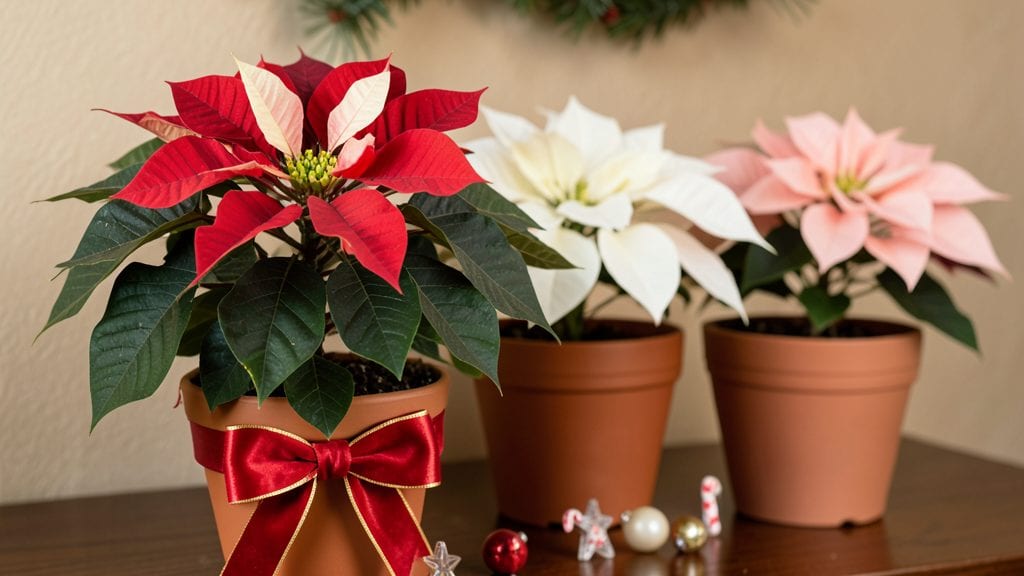
Transforming your porch into a holiday wonderland starts with these Christmas flower box ideas that bring color and joy to winter. 🌿 I’ve filled mine with winter pansies, dusty miller, and pine sprigs—combination that stays vibrant through frost and smells like a Christmas morning.
The key is layering evergreens for structure, then bright blooms that pop against snow or bare branches.
You don’t need fancy supplies—just a sturdy box, winter-hardy plants, and a little creativity. I use pre-mixed soil for cold weather and add a slow-release fertilizer to keep things growing despite shorter days.
The best part? You can swap out plants every few weeks to keep the display fresh until New Year’s. Think holly berries, amaryllis bulbs, or even tiny poinsettias for extra holiday flair.
By early December, your flower boxes will be the neighborhood’s most photographed spot—velvety pansies in jewel tones, silver foliage catching the light, and maybe even a few battery-operated fairy lights woven through for extra magic.
The maintenance is simple: water when the soil feels dry to the touch and trim dead blooms to encourage new growth.
These ideas work for any porch, balcony, or front door—whether you’re in a snowy climate or a milder winter zone. The only rule? Make it personal.
Add a few pinecones, a vintage bell, or even a mini wreath to tie everything together. Your holiday garden will be the talk of the block.
Behind The Fading Bloom
Your carefully curated Christmas flower box may look stunning at first, but over time, some plants wilt, flowers drop, or growth stalls. Understanding the why behind these issues helps you create a thriving holiday display that lasts.
Here’s a breakdown of the most common causes—backed by science—and how to fix them before they ruin your festive vision.
Christmas flower boxes often face extreme temperature swings, especially in winter. Many holiday plants—like heather, poinsettias, or cyclamen—thrive in cooler climates but can suffer from sudden freezes or warm spells.
- Why it happens:
- Cold snaps cause cold stress, damaging cell membranes and slowing metabolism. Plants may appear brown or crispy at the edges.
- Rapid temperature shifts (e.g., sunny afternoons followed by freezing nights) create thermal shock, disrupting nutrient uptake.
- Some plants, like amaryllis, are tropical and cannot tolerate frost, leading to leaf burn or death.
- Science in action:
Plants use antifreeze proteins to protect themselves, but these are limited. Below 28°F (-2°C), most non-hardy flowers shut down, and irreversible damage occurs.
Actionable fix:
- Choose cold-hardy varieties like English boxwood, winter jasmine, or holly for zones 5-7.
- Wrap boxes in burlap or frost cloth at night to insulate roots.
- Use heat cables (like those for garden beds) to prevent soil freezing.
- Avoid placing boxes in microclimates (e.g., near heat vents or blacktop that radiates warmth).
Holiday flower boxes often get too much sun or not enough light, throwing plants into stress. Poinsettias, for example, need 12+ hours of darkness to bloom—but too much artificial light (like streetlights) can prevent flowering.
- Why it happens:
- Over-exposure to UV rays causes photooxidation, where excess light breaks down chlorophyll, leading to bleached or scorched leaves.
- Insufficient light (common in shady porches) stunts growth due to etiolation, where plants stretch unnaturally toward light, becoming weak and leggy.
- Some plants (like cyclamen) require specific light cycles—too much or too little disrupts their biological clock.
- Science in action:
Plants use photoperiodism to trigger flowering. For example, short-day plants (like poinsettias) need less than 12 hours of light to produce flowers. Artificial lights can trick them into thinking it’s always daytime.
Actionable fix:
- Place boxes in partial shade (3–6 hours of morning sun) for heat-sensitive plants like heather.
- Use light-blocking fabric to extend darkness for poinsettias if artificial lights are nearby.
- Rotate boxes weekly to ensure even light distribution.
- For indoor boxes, supplement with grow lights (12–14 hours/day) if natural light is lacking.
Overwatering or underwatering are the #1 killers of flower boxes—especially in winter when evaporation slows but roots still need moisture. Poor drainage turns your festive display into a soggy graveyard for plants.
- Why it happens:
- Overwatering leads to root rot (from Pythium or Phytophthora fungi), suffocating roots by cutting off oxygen.
- Underwatering causes wilting and leaf scorch as plants can’t transport nutrients or cool themselves.
- Winter soil stays colder and denser, slowing water absorption. Boxes without drainage holes act like green sponges, trapping excess water.
- Science in action:
Plants lose water via transpiration, but in winter, this process slows. However, container soil dries out faster than garden soil because it has no ground moisture reserves. Meanwhile, compacted soil repels water, creating dry pockets where roots can’t access hydration.
Actionable fix:
- Use well-draining potting mix (add perlite or orchid bark for aeration).
- Water only when the top 1–2 inches of soil are dry—stick your finger in to check!
- Ensure boxes have drainage holes and elevate them off surfaces to prevent waterlogging.
- Mulch with pine straw or shredded bark to retain moisture and insulate roots.
- Group boxes together to create a microclimate that reduces evaporation.
Holiday plants are often heavy feeders, but flower boxes deplete nutrients quickly—especially if you’re growing poinsettias, amaryllis, or pansies that demand constant fuel. Poor soil prep or lack of fertilizing leads to yellowing leaves, stunted growth, or no flowers at all.
- Why it happens:
- Nitrogen deficiency causes pale, yellow leaves (chlorosis) because nitrogen is key for chlorophyll production.
- Phosphorus shortages lead to poor flowering—this nutrient is critical for energy transfer in plants.
- Potassium deficiency weakens cell structure, making plants susceptible to disease and cold.
- Winter soil is less active, so microbes that break down organic matter slow down, reducing available nutrients.
- Science in action:
Plants absorb nutrients via ion exchange in the soil. Cold temperatures reduce microbial activity by up to 50%, meaning less organic matter is converted into plant-available nutrients. Additionally, container soil has limited volume, so nutrients get used up faster than in garden beds.
Actionable fix:
- Start with high-quality potting mix blended with compost or worm castings for slow-release nutrients.
- Use
Quick fixes for common flower box fails
Transforming your Christmas flower box into a stunning holiday display shouldn’t be a headache—especially when you’re dealing with unexpected challenges. Below, we’ve mapped out practical solutions for the most common issues, along with prevention tips to keep your festive greenery thriving all season long.
Cause: Too many plants competing for space, light, or nutrients—or poor watering habits.
Fix It: 🔥 Thin Out the Crew – Remove any leggy, yellowing, or overgrown plants to improve airflow. Aim for a mix of 3-5 plants per 12-inch box (e.g., 1-2 focal flowers like poinsettias or cyclamen, 2-3 trailing plants like ivy or ferns, and 1-2 fillers like dusty miller or heuchera).
🍳 Repot or Refresh – If roots are circling or soil is compacted, gently repot the plant into a larger container with fresh well-draining potting mix. For hanging boxes, ensure drainage holes are clear.
👨🍳 Water Like a Pro – Water deeply once a week (or more in hot/dry climates), letting excess drain. Avoid soggy soil—it invites root rot. Morning watering prevents evaporation and fungal issues.
💡 Pro Tip: Use a self-watering system (like a wick or reservoir tray) for busy holiday schedules. Or try sphagnum moss around the base to retain moisture without overwatering.
Cause: Underwatering, over-sun exposure, or harsh winds drying out foliage.
Fix It: 🌡️ Adjust the Light – If your box is in direct afternoon sun, move it to partial shade or add a lightweight shade cloth (30-50% coverage). For shade-lovers (like ferns or calatheas), ensure they’re not getting too little light, which causes weak, yellow growth.
🥘 Boost Humidity – Mist plants daily in dry climates or place the box on a pebble tray with water to increase moisture around the roots. Grouping boxes together also helps create a microclimate.
✨ Fertilize Gently – Brown edges can signal nutrient burn. Switch to a balanced, water-soluble fertilizer (like 10-10-10) diluted to half-strength every 2-3 weeks. Avoid heavy salts—flush the soil monthly with plain water.
🎯 Wind Protection – If your box is exposed, secure it tightly to the wall or railing and add a windbreak (like a lattice or sheer fabric) to prevent desiccation.
Cause: Aphids, spider mites, or fungus gnats thrive in crowded, damp conditions.
Fix It: 🔪 Inspect & Isolate – Check undersides of leaves for sticky residue (aphids) or fine webbing (spider mites). Quarantine affected plants immediately to prevent spread.
🌿 Natural Remedies First –
- Aphids: Spray with soapy water (1 tsp mild dish soap + 1 quart water) or introduce ladybugs.
- Spider Mites: Wipe leaves with neem oil solution (1 tbsp neem oil + 1 quart water + drop of dish soap).
- Fungus Gnats: Let the topsoil dry between waterings and add sand or perlite to improve drainage.
🚫 Prevent Future Infestations:
- Space plants properly to reduce humidity pockets.
- Avoid over-fertilizing (nitrogen attracts pests).
- Use reflective mulch (like silver gravel) to deter crawling insects.
Cause: Poor lighting, faded foliage, or plants not suited for winter conditions.
Fix It: 💡 Light It Up – Add solar-powered LED string lights or battery-operated fairy lights to highlight textures and colors. For evergreen boxes, consider white or gold lights to enhance contrast.
🎨 Swap Out Faded Plants – Replace tired annuals with cold-hardy picks like:
- Poinsettias (for bold reds/pinks)
- Cyclamen (for delicate whites/purples)
- Hellebores (for early winter blooms)
- Ivy or Holly (for structural greenery)
🌡️ Extend the Season – Move boxes to a sheltered porch or garage during freezing temps. Use frost cloth (a lightweight, breathable cover) for overnight protection.
💡 Pro Tip: Add ornamental accents like miniature pinecones, berries, or ribbons to refresh the look without extra plants.
Cause: Weak hangers, water damage, or improper weight distribution.
Fix It: 🔧 Reinforce the Hangers – If your box is sagging, replace metal hooks with heavy-duty S-hooks or braided nylon straps. For wood boxes, add internal supports (like a wooden dowel along the bottom).
💧 Fix Leaks ASAP – If your box is dripping:
- Drain and dry the soil completely.
- Seal cracks with waterproof silicone caulk (for plastic/wood).
- Line the bottom with landscape fabric before adding fresh soil to prevent future leaks.
⚖️ Balance the Weight – Distribute plants evenly and avoid overloading one side. For hanging boxes, tie plants to the frame with soft twine to prevent shifting.
Prevention Checklist for Next Year: ✅ Choose the right plants for your climate (check hardiness zones). ✅ Pre-mix soil with perlite or vermiculite for better drainage. ✅ Label plants to track watering/fertilizing needs. ✅ Inspect boxes before hanging—check for cracks, rust, or weak spots. ✅ Plan for maintenance—schedule weekly checks during peak holiday displays.
Frequently asked questions
What are the best cold-hardy plants for Christmas flower boxes?
For winter displays, choose frost-resistant varieties like English ivy, winter jasmine, heather, or holly. These thrive in 20-30°F temps and add texture. Pair them with poinsettias or cyclamen for color—just move these indoors if frost hits. Dusty miller adds silvery contrast and survives 15°F with protection.
How do I keep my Christmas flower box from freezing in winter?
Wrap boxes in burlap or frost cloth at night, especially in below 25°F temps. Elevate them off cold surfaces (like concrete) and group them together to create warmth. For extra protection, add a heat cable under the soil or use a mini greenhouse cover during freezes. Avoid placing them near heat vents that cause temperature swings.
Can I use artificial plants in my Christmas flower box?
Artificial plants are perfect for low-maintenance holiday displays. Choose high-quality silk flowers with realistic textures (like faux poinsettias or plastic ivy) and mix them with real evergreens for dimension. Secure them with floral wire or hot glue to prevent shifting. Just avoid cheap plastic that looks fake—opt for $15+ bundles for a natural look.
How often should I water my Christmas flower box in winter?
Water every 7-10 days in winter, checking soil moisture first—it should feel dry 1-2 inches down. Overwatering causes root rot, while underwatering stresses plants. Use a moisture meter for accuracy. Group boxes together to reduce evaporation, and water in the morning to prevent fungal growth. Mulch with pine straw to retain moisture and insulate roots.
What’s the easiest way to add holiday lights to my flower box?
Use battery-operated LED string lights (like 16-foot waterproof sets) for safety and flexibility. Weave them through trailing plants or drape them along the box edges. For a magical look, add fairy lights with warm white bulbs—they highlight textures better than cool tones. Secure lights with floral clips or twine to prevent tangling, and avoid overloading circuits.