
Trees
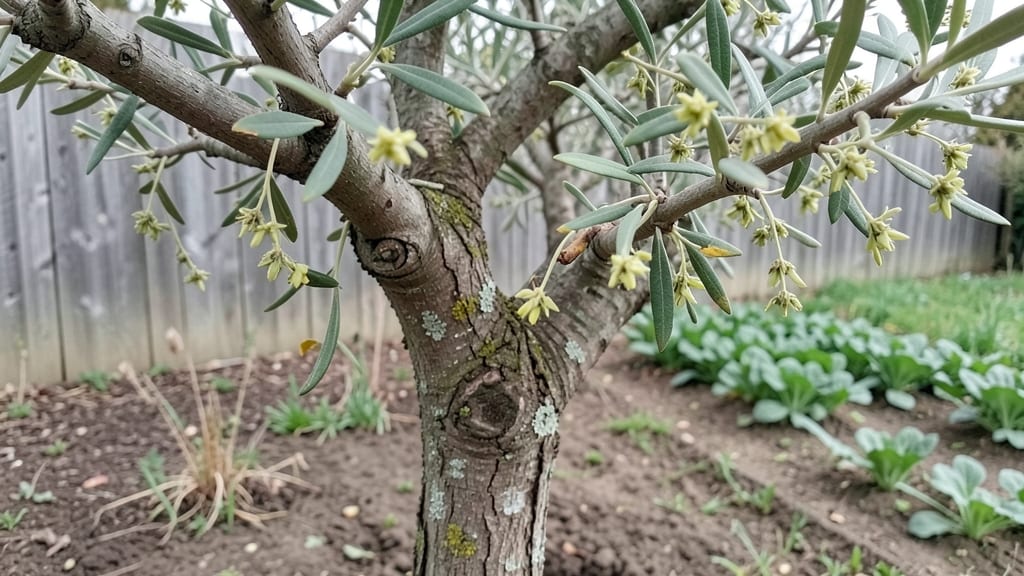
Olive trees do have flowers, producing small, white or pale green blossoms in spring before fruit develops. These fragrant, tiny blooms appear in clusters and are essential for olive production, though not all will turn into fruit.
Olive trees burst into bloom each spring with delicate clusters of tiny, fragrant flowers—this is their secret to producing olives later in the season. 🌸 These blossoms, often overlooked, are the foundation of every olive you'll ever eat, though nature's efficiency means only about 10% typically develop into fruit.
The timing and health of these flowers depend heavily on environmental factors like temperature and water availability, which is why Mediterranean climates suit them so well.
What's fascinating is how these flowers transform: each cluster contains both male and female parts, though they're not self-pollinating. Bees and wind play crucial roles in fertilizing them, turning a few lucky blossoms into the olives we harvest.
If you've ever wondered why some olive trees produce more fruit than others, it often comes down to how well these early spring flowers were pollinated and nurtured.
💡 In This Article
- Olive Tree Flowering Season and Conditions
- How to Identify and Encourage Healthy Olive Tree Flowers
Olive tree flowering season and conditions
Olive trees typically bloom in late spring, usually between April and June, though exact timing depends on the tree's location and climate.
Here's what's actually happening: the tree responds to increasing daylight hours and warming temperatures (ideal range: 60-75°F) by triggering hormonal changes that stimulate flower buds to open. This process is called florigen production, where the plant's internal clock detects environmental cues to initiate flowering.
The Mediterranean climate—characterized by mild, wet winters and hot, dry summers—creates perfect conditions for olive flowering. Trees need 6-8 hours of direct sunlight daily to produce energy through photosynthesis, which fuels flower development.
Water stress during this period can actually help trigger blooming (a phenomenon called hydroperiodic induction), but too much moisture leads to weak, sparse flowers. In regions with cooler springs (like California), flowering may extend into early summer.
Temperature extremes can dramatically affect flowering success. Prolonged cold snaps below 40°F can damage flower buds before they open, while sudden heat waves above 90°F may cause flowers to drop prematurely.
The ideal scenario is gradual warming—think of it like waking up from a long winter's nap where everything unfolds just right. 🌿 This delicate balance explains why olive trees often struggle in areas with erratic weather patterns.
Soil moisture plays a critical role too. While olive trees are drought-tolerant, they need consistent hydration during the flowering phase to support pollen development and bee activity. A well-drained soil with pH between 6.0-8.0 ensures optimal nutrient uptake, which directly impacts flower quality.
What most people don't realize is that underwatering or overwatering during this stage can reduce fruit set by up to 40%, making proper irrigation timing crucial for a good harvest.
Interestingly, olive trees often produce two types of flowers: perfect flowers (with both male and female parts) and staminate flowers (male-only). This dual system increases pollination efficiency, though it requires both wind and insect activity for optimal fertilization.
The scent of olive blossoms—often described as sweet and honey-like—evolves specifically to attract pollinators like bees during their 3-5 day bloom period.
Here's what this means for growers: Pay attention to your local climate patterns and adjust care routines accordingly. If you're in a region with unpredictable springs, consider providing light shade during heatwaves to protect delicate blossoms.
The key factor is maintaining that perfect balance between hydration and stress—just enough to keep the tree thriving without overwhelming it. 🌸