
Pruning
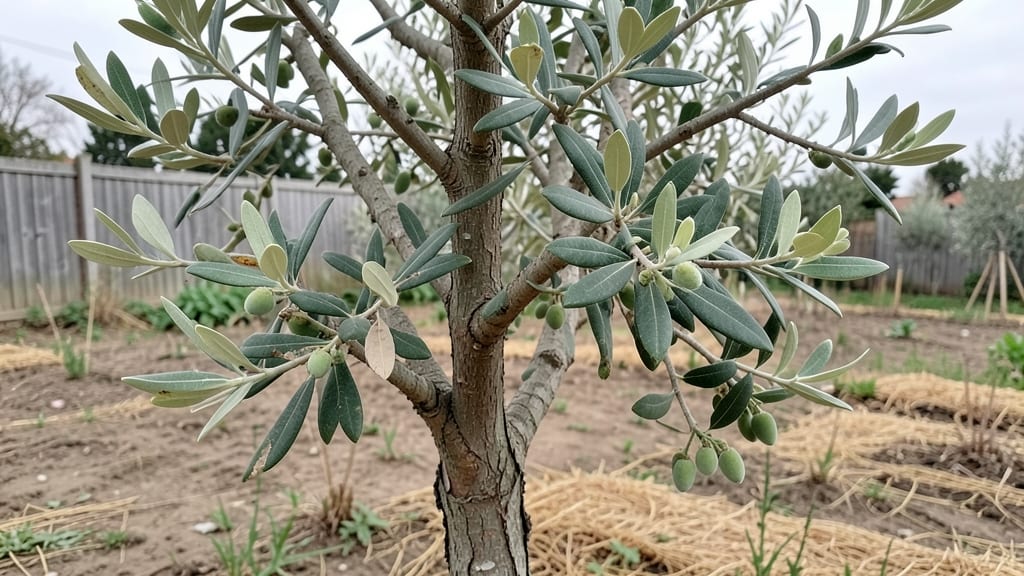
Olive tree flower buds are the secret to fragrant spring blooms that transform your yard into a Mediterranean escape. ✨ I’ve watched my own olive tree go from bare branches to a cascade of tiny white flowers—each one a promise of next year’s harvest—by mastering just a few pruning tricks.
The key is timing and technique. Buds form in late winter when days lengthen, but you need to shape the tree in late fall or early winter to encourage strong growth.
Too much pruning too late can remove next year’s flower sites. A sharp pair of pruners and a sunny spot with well-draining soil are all you really need—no fancy equipment required.
With the right cuts, you’ll see buds thicken along the branches by early spring, followed by those signature fragrant blooms. The scent alone makes it worth the effort, but healthy buds mean better fruit production too.
Think of it as shaping your tree’s future harvest one careful snip at a time.
Works for both container-grown olives and in-ground trees in zones 7-10. The same principles apply whether you’re pruning a 5-year-old sapling or a mature tree. Here’s how to do it right from start to finish.
📚 In This Guide
- What you need
- Instructions
- Tips and common mistakes
- Wrapping up and next steps
What you need
- ○ Pruning shears: Bypass pruners (for clean cuts on small branches, 4-6” blades, sharp and rust-resistant). Optional: Loppers (for thicker branches, 6-8” cutting capacity).
- ● Hand pruners: Anvil pruners (for smaller buds and twigs, 4-5” blades).
- ● Extension pole: 10-12 ft telescoping pole with pruning attachments (for high branches).
- ● Disinfectant: 70% isopropyl alcohol or bleach solution (1 part bleach to 9 parts water) to sterilize tools between cuts.
- ○ Pruning sealant: Tree wound sealant (optional but helpful for larger cuts to prevent disease).
- ● Gloves: Heavy-duty gardening gloves (to protect against thorns and sap).
- ● Bucket or bag: Large container to collect pruned branches for composting or disposal.
- ● Timing: Prune during dormancy (late winter/early spring) or right after flowering (summer) to avoid stressing the tree. 🌡️
- ● Weather: Choose a dry, overcast day to minimize stress on the tree and reduce sap bleeding.
- ● Safety gear: Safety glasses (to protect against debris) and closed-toe shoes (for stability).
- ● Knowledge: Familiarize yourself with olive tree anatomy—focus on removing dead, diseased, or crossing branches while preserving the tree’s natural shape. ✨
- ● 🔥 Sharpen your tools! Dull blades crush branches, increasing damage. Hone shears before starting.
- ● 🌡️ Work in layers. Remove up to 1/3 of the tree’s foliage in one session to avoid shocking it.
- ● ✨ Label branches. If unsure about a cut, snap a photo or mark it with tape before pruning.
Instructions for pruning olive trees to encourage flower buds
Here’s the straightforward approach I’ve used to keep my olive trees blooming reliably—no guesswork, just clear steps.
✂️ Step 1: Time Your Pruning for Optimal Bud Formation
Prune your olive tree in late winter or early spring, just as new growth begins but before buds swell. This timing ensures you’re shaping the tree while encouraging next season’s flowers. Avoid pruning in fall or summer—you’ll risk removing potential bloom sites or stressing the tree during dormancy.
I mark my calendar for February or March in most climates. If you live in a warmer zone, wait until just before the first warm spell—olive trees respond best when they’re about to burst into activity. Watch for tiny green buds forming along the branches; that’s your cue to start.
🌿 Step 2: Remove Dead or Crowded Branches First
Start by cutting out any dead, diseased, or crossing branches—these compete with healthy growth and block sunlight. Use clean, sharp pruners to make cuts just above a bud or branch collar. Olive trees heal slowly, so avoid jagged cuts that invite pests or rot.
Next, thin out crowded branches to improve airflow. I aim for a sunny, open canopy—this prevents humidity buildup, which can smother flower buds. Remove branches growing inward or rubbing against others. If a branch is thinner than a pencil, it’s likely weak and should go.
☀️ Step 3: Shape for Light and Airflow
Olive trees bloom best when they receive full sun (6+ hours daily). Step back and visualize how sunlight will hit the tree after pruning. Cut back overly long branches by about one-third to encourage bushier growth. Focus on the outer third of the tree—this opens up the center for light penetration.
For mature trees, I prune selectively to maintain a natural shape. Avoid heavy cuts—olive trees respond poorly to drastic shaping. Instead, make small, strategic cuts to redirect energy toward flower bud development. Watch for new growth spurs forming after pruning; these are where next year’s buds will appear.
🪴 Step 4: Encourage Flower Buds with Strategic Trimming
To promote flowering, trim back last year’s growth by about 6 inches on non-fruiting branches. This stimulates the tree to produce new shoots with flower buds. Avoid cutting into old wood—olive trees flower on new growth, so focus on current season’s branches.
If your tree hasn’t bloomed well in past years, try light pruning in summer (after flowering) to reduce stress. Remove only weak or leggy growth, leaving the rest intact. Olive trees are resilient but sensitive—over-pruning can delay flowering for a season or more.
⏰ Step 5: Post-Pruning Care for Healthy Blooms
After pruning, water deeply to help the tree recover. Olive trees are drought-tolerant but need consistent moisture after heavy cuts. Apply 2-3 inches of mulch around the base (but keep it 6 inches away from the trunk) to retain soil moisture and regulate temperature.
Fertilize lightly in early spring with a balanced, slow-release fertilizer (10-10-10). Avoid heavy nitrogen—it encourages leafy growth at the expense of flowers. Instead, opt for a phosphorus-rich blend to support bud development. Monitor the tree for new growth within 4-6 weeks; this confirms the pruning worked.
Tips & tricks for perfect olive tree pruning
A few simple tricks will help you transform your olive tree into a fragrant blooming powerhouse—without the guesswork.
Timing is Everything: In Step 1, when you're waiting for those tiny green buds to appear, don't rush! I've learned the hard way that pruning too early can remove potential flower sites. The perfect window is when you see those first signs of new growth but before buds actually swell. In colder climates, this usually falls between late February and early March, but always confirm by looking for those telltale green buds.
Equipment Matters: For Step 2, invest in a pair of bypass pruners—they make clean cuts that heal faster than the jagged cuts from anvil pruners. I also keep a small bottle of rubbing alcohol handy to sterilize my tools between cuts, especially when dealing with diseased branches. This prevents spreading any potential infections to healthy parts of the tree.
Visualize the Canopy: Before making any cuts in Step 3, step back and visualize how sunlight will move through the tree after pruning. I like to sketch a quick diagram on paper to plan where to make cuts. Focus on creating an open center that lets sunlight reach all branches—this is crucial for flower bud development. Remember, olive trees bloom best when they receive full sun for at least 6 hours daily.
Growth Spur Strategy: After completing Step 4, keep an eye out for those new growth spurs that form where you made cuts. These are where next year's flower buds will develop! I mark these spurs with a small piece of colored tape to monitor their progress. If you notice any spurs growing inward, gently guide them outward with a small stake to maintain that open canopy shape.
Pro Tips for Olive Tree Flower Buds
- A few simple tricks will help you transform your olive tree into a fragrant blooming powerhouse—without the guesswork.
- Timing is Everything: In Step 1, when you're waiting for those tiny green buds to appear, don't rush!
- Equipment Matters: For Step 2, invest in a pair of bypass pruners—they make clean cuts that heal faster than the jagged cuts from anvil pruners.
Frequently asked questions
Got questions about nurturing those delicate olive tree flower buds? You’re not alone! Here are answers to the most common queries—from timing to troubleshooting—so you can keep your tree blooming beautifully year-round.
When is the best time to prune for olive tree flower buds?
Prune your olive tree after flowering (late spring to early summer), but avoid heavy cuts during winter dormancy. Light shaping can happen in early spring, but never prune during budding or flowering—this stresses the tree and reduces bloom potential. Aim for a 10-20% annual reduction in growth to encourage healthy buds.
How long does it take for olive tree flower buds to bloom after pruning?
Olive tree flower buds typically take 4-6 weeks to open after pruning, depending on climate and tree health. In warmer regions, buds may bloom sooner (as early as 3 weeks), while cooler areas might see delays. Patience is key! Avoid over-pruning—it can delay blooming and weaken the tree.
What should I do if my olive tree isn’t producing flower buds?
If your tree skips budding, check these factors:
- Age: Young trees (under 5 years) may not bloom yet.
- Sunlight: Ensure 6+ hours of direct sun daily—buds thrive in full light.
- Watering: Drought stress can halt budding; water deeply 1-2x weekly (adjust for climate).
- Soil: Well-draining, slightly alkaline soil (pH 6.0-8.0) is ideal.
- Fertilizer: Apply a balanced, low-nitrogen fertilizer (like 6-6-6) in early spring.
Can I prune olive tree flower buds once they’ve already formed?
Yes, but minimize pruning once buds appear. If you must shape, focus on dead, diseased, or crossing branches—never cut more than 25% of the buds in one session. Buds are fragile; aggressive pruning can reduce blooms and fruit (if applicable). Think “less is more”!
Are there alternatives to pruning for encouraging olive tree flower buds?
Pruning is the #1 method, but these supplemental tips can help:
- Thinning fruit: Remove excess olives (if bearing) to redirect energy to buds.
- Mulching: Use 2-3 inches of organic mulch (like wood chips) to retain moisture and regulate soil temp.
- Stress reduction: Avoid transplanting or heavy pruning during budding phases.
- Hormone sprays: In rare cases, bloom-promoting sprays (like calcium nitrate) can stimulate buds—but pruning remains the gold standard.
Wrapping up and next steps
Mastering the art of pruning olive tree flower buds unlocks a world of fragrant blooms and healthier trees year-round! 🌿 By following the right techniques—timing, tools, and patience—you’ll encourage vibrant growth while keeping your tree thriving.
Remember, consistency is key, and every trim brings your olive tree one step closer to its full potential.
Ready to transform your garden? Grab your pruners and start small—even a single branch makes a difference! Track your progress, celebrate each bloom, and soon, your olive tree will reward you with a stunning, fragrant display. Happy pruning! ✂️🌸