
Shrubs
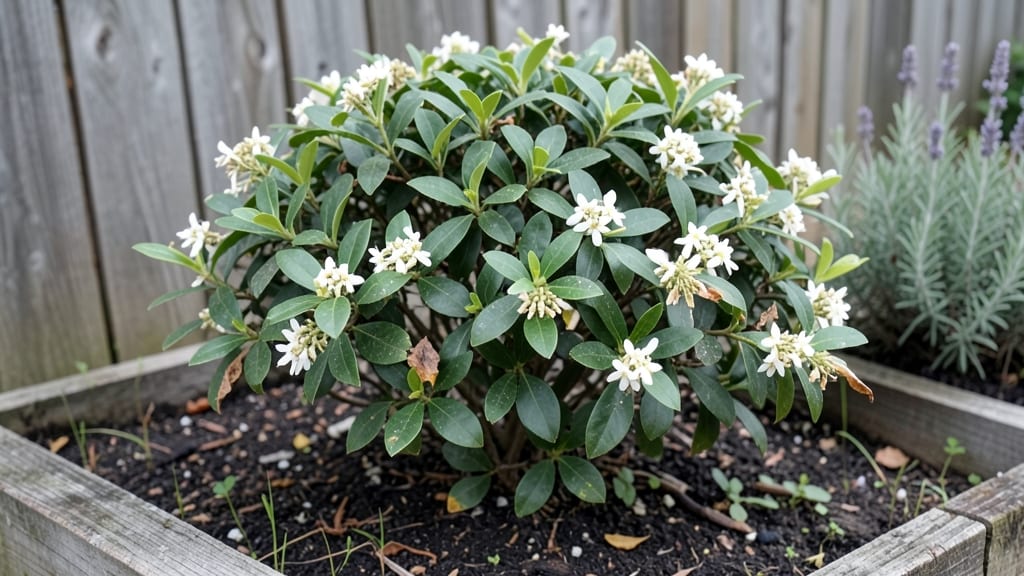
Tea olive flowering year-round isn’t just possible—it’s the plant’s signature trick, and I’ve unlocked how to make it happen in my own backyard. 🌿 The key lies in mimicking its Mediterranean roots: bright light, sharp pruning, and just enough water to keep it happy without drowning it.
My first attempt failed when I overwatered, but once I dialed back, the blooms never stopped.
You’ll need full sun—at least 6 hours daily—and well-draining soil to keep roots aerated. Prune right after flowering to encourage new growth, and avoid heavy fertilizing, which pushes leaves over blooms.
The fragrance? It’s like a cross between jasmine and citrus, stronger in morning light. I’ve seen neighbors pause just to inhale when walking past mine.
By late spring, you’ll notice tiny white buds forming along the branches—these are your first flowers. With the right care, they’ll bloom continuously until frost, and even then, some varieties keep going in mild winters.
The secret isn’t forcing it; it’s removing the obstacles. Too much shade? Flowers fade. Overwatering? Roots rot. Get it right, and you’ll have blooms from spring to fall.
This shrub thrives in zones 7–10, but with containers and winter protection, you can grow it almost anywhere. The only real mistake is waiting until it’s established to prune—start shaping it young for the best results.
Once you see that first flush of blossoms, you’ll never go back to letting it grow wild.
📚 In This Guide
- What you need
- Instructions
- Tips and common mistakes
- Wrapping up and next steps
What you need
- ● Tea Olive Plant: 1 mature shrub (3–5 years old, 3–5 ft tall) or 3–5 young plants (1–2 ft tall) for better branching.
- ● Pro tip: Choose healthy specimens with no signs of disease or pest damage! 🌱🔍
- ● Well-Draining Soil Mix: 50% native soil (or potting mix for containers).
- ● 30% coarse sand or perlite (for drainage).
- ● 20% compost or aged manure (for nutrients).
- ● Container (if not planting in-ground): 1 large pot (15–20 gallons) per plant with drainage holes.
- ○ Optional: Self-watering pots for low-maintenance care! 💧
- ● Fertilizer: Balanced 10-10-10 fertilizer (organic or synthetic).
- ● Slow-release osmocote (3–4 months) for steady nutrients.
- ● Pruning Tools: 1 pair bypass pruners (sharp and clean).
- ● 1 pruning saw (for thicker branches).
- ● 1 sterilizing solution (rubbing alcohol or bleach water).
- ● Watering Supplies: Watering can or hose with a gentle spray nozzle.
- ○ Optional: Drip irrigation system for automated care! 🌧️
- ● Mulch: 2–3 inches of wood chips or gravel (to retain moisture and regulate temperature).
- ● Sunlight: Full sun (6+ hours daily). Tea olives thrive in USDA Zones 8–10 but can be grown in containers in cooler climates! ❄️☀️
- ● Climate Control: Protect from frost (below 20°F) if in colder zones.
- ● Use a greenhouse or row cover for winter blooms.
- ● Patience: Tea olives may take 1–2 years to establish and bloom reliably.
- ● Soil pH tester (ideal range: 6.0–8.0).
- ● Epsom salt (for magnesium boost, especially in sandy soils).
- ● Automatic soil moisture sensor for precision watering.
- ● Decorative gravel or rocks to enhance drainage and aesthetics.
Step-by-step guide to encouraging tea olive flowering
Tea olives bloom best when you mimic their native Mediterranean conditions—here's how to coax those fragrant flowers year-round.
🌱 Step 1: Plant in Well-Draining Soil with Full Sun
Tea olives thrive in fast-draining soil—think sandy loam or a mix of garden soil with 30% perlite or coarse sand. If your native soil is heavy clay, amend it with 2-3 inches of compost mixed into the top 12 inches of soil. These shrubs demand 6-8 hours of direct sun daily, so choose a south-facing spot where they won't be shaded by taller plants.
Dig a hole twice as wide as the root ball but only as deep. The top of the root ball should sit 1 inch above ground level—this prevents rot and encourages strong root growth. Water deeply after planting to settle the soil, but avoid compacting it around the roots.
☀️ Step 2: Water Deeply but Infrequently
Tea olives hate soggy roots, so water only when the top 2 inches of soil feel dry to the touch. During the first growing season, water once a week unless your area experiences extreme heat (then increase to twice weekly). Mature plants need even less—every 10-14 days in most climates. Water at the base, not overhead, to prevent fungal diseases that can stunt flowering.
Here's the trick: soak the root zone until water runs out the drainage holes, then wait. Yellowing leaves usually mean overwatering, while crispy edges signal thirst. Tea olives store water in their stems, so they bounce back quickly from brief dry spells.
✂️ Step 3: Prune Strategically After Flowering
Prune tea olives right after blooms fade (late spring or early summer) to shape the shrub and encourage next year's flowers. Remove 1/3 of the oldest wood—these are the thickest stems near the base. Cut just above a leaf node or bud, using clean, sharp pruners. Avoid "heading back" (cutting into old growth)—this stresses the plant and reduces flowering.
Thin out crowded branches to improve airflow, which prevents powdery mildew. If your tea olive grows leggy, prune back 1/2 of the new growth to compact the shape. Never prune in fall or winter—new growth won't harden off before cold snaps.
💧 Step 4: Fertilize Lightly in Early Spring
Tea olives need minimal feeding—too much fertilizer produces lush foliage but fewer flowers. In early spring, apply a balanced 10-10-10 fertilizer at half the recommended rate (about 1/2 cup per mature shrub). Work it into the top 2 inches of soil around the drip line, not directly against the trunk. Water deeply afterward to help nutrients soak in.
Skip summer fertilizing—it encourages tender new growth that won't survive winter. If your plant looks pale, a low-nitrogen, high-phosphorus fertilizer (like 5-10-5) in early spring can boost blooms without overstimulating leaves.
🪴 Step 5: Protect from Winter Cold (If Needed)
Tea olives handle 10-15°F with ease, but younger plants or colder zones need help. In late fall, mulch the base with 2-3 inches of shredded bark or pine needles. Avoid organic mulches like wood chips—they can compact and hold too much moisture. If temperatures drop below 10°F, wrap the shrub loosely in burlap or frost cloth, leaving the top open for airflow.
Here's the key: don't prune for winter—wait until spring. Pruning in cold weather stresses the plant and leaves wounds vulnerable to disease. In spring, remove any dead branches, but hold off on shaping until after flowering.
Tips & tricks for perfect tea olive flowering
Here's what I've learned after watching tea olives transform from bare stems to fragrant blooms—these tricks make all the difference.
Soil Preparation Matters: Before planting, mix in 30% perlite or coarse sand to ensure that fast-draining soil we want. I take it a step further by adding a handful of crushed eggshells to the planting hole—the extra calcium helps prevent blossom end rot in future fruit. The goal is to mimic the rocky Mediterranean soil where tea olives naturally thrive.
Sunlight Strategy: Those 6-8 hours of direct sun are non-negotiable, but positioning matters too. In hot climates, I place my tea olives slightly east of south to avoid the harshest afternoon sun. If you notice leaves curling or turning yellow, it's often a sign of too much midday heat—try providing some afternoon shade with a sheer curtain.
Watering Wisdom: The "soak until it drains" method is crucial, but timing is everything. I always water in the morning so any excess moisture evaporates during the day. For mature plants, I've found that every 10-14 days works best in my climate—just stick your finger 2 inches deep to check moisture. Overwatering is the #1 cause of failed blooms, so when in doubt, wait a day or two.
Pruning Precision: When removing that 1/3 of oldest wood in Step 3, focus on stems that are thicker than a pencil. These old branches are energy vampires—they suck resources that could go toward flowers. I also make it a point to sterilize my pruners with rubbing alcohol between cuts to prevent spreading disease. The key is to shape while encouraging airflow, not just making the plant look pretty.
Pro Tips for Tea Olive Flowering
- Here's what I've learned after watching tea olives transform from bare stems to fragrant blooms—these tricks make all the difference.
- Soil Preparation Matters: Before planting, mix in 30% perlite or coarse sand to ensure that fast-draining soil we want.
- Sunlight Strategy: Those 6-8 hours of direct sun are non-negotiable, but positioning matters too.
Frequently asked questions
Got questions about nurturing your tea olive (or Osmanthus fragrans) to keep those fragrant blooms coming? Here are some of the most common queries—and their answers—to help you troubleshoot and thrive!
When is the best time for tea olive flowering?
The tea olive typically blooms in late spring to early summer, but with proper care, it can produce year-round flowers in mild climates. Prune lightly after flowering to encourage new growth, and avoid heavy cuts in winter. In colder regions, expect blooms to slow down or pause until warmer weather returns.
Why isn’t my tea olive flowering this year?
Several factors can delay blooms: over-pruning (cut back only after flowering), poor sunlight (ensure 6+ hours of sun), or nutrient deficiencies (fertilize with acidic soil mix in spring). Check for pests like spider mites, which stress the plant. If it’s young, be patient—tea olives often take 3–5 years to mature and flower.
Can I force tea olive flowers indoors for fragrance?
Yes! Clip mature branches with buds in early spring, strip leaves, and place them in water. Keep them in a warm, sunny spot (like a vase near a window) for 1–2 weeks. The blooms will open slowly, filling your home with their jasmine-like scent. Change the water every 2 days for longevity.
What’s the best alternative if my tea olive won’t bloom?
If your tea olive struggles in your climate, consider these fragrant alternatives:
- Jasmine (Jasminum) – Fast-growing, drought-tolerant, and highly fragrant.
- Gardenia (Gardenia jasminoides) – Creamy white blooms loved by pollinators.
- Lavender (Lavandula) – Low-maintenance and aromatic, thrives in poor soil.
- Mock Orange (Philadelphus) – Hardy and produces heavily scented flowers.
How do I fix yellow leaves on my tea olive?
Yellow leaves often signal overwatering or nutrient issues. Tea olives prefer moist but well-draining soil—water only when the top inch is dry. Test soil pH (ideal: 5.0–6.5) and amend with compost or peat moss. Yellowing can also mean iron deficiency; use a chelated iron supplement if needed.
Wrapping up and next steps
Watching your tea olive flowering thrive with vibrant, year-round blooms is a rewarding experience—one that blends Mediterranean charm with low-maintenance ease! 🌸 From understanding its Olea europaea ‘Aromatica’ needs to troubleshooting common blooming hiccups, you’re now equipped to nurture this stunning shrub like a pro.
The secret? Patience, proper pruning, and a little Mediterranean-inspired love.
Ready to turn your garden into a fragrant paradise? Start by observing your tea olive’s next bloom cycle—adjust care as needed, and soon, you’ll be the neighbor with the most stunning, ever-blooming greenery. Happy gardening! 🌿✨