
Flowers
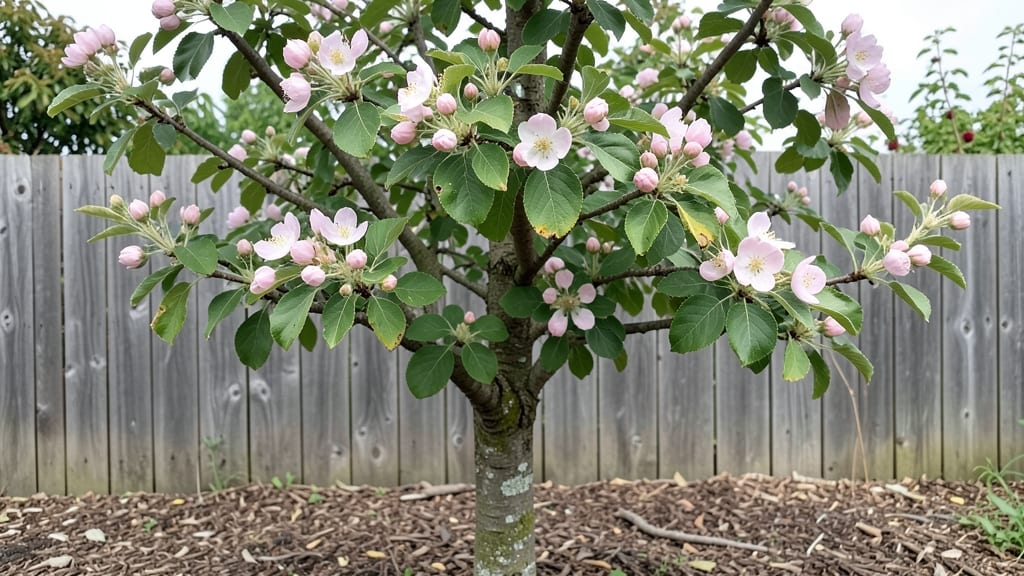
Yes, apple trees do have flowers, and these delicate blossoms appear in spring before fruit develops. They require cross-pollination from other varieties to produce apples, making their flowers essential for harvest success.
Apple trees burst into bloom each spring with clusters of delicate white or pink flowers, often called blossoms, that set the stage for fruit production. 🌸 These flowers aren't just pretty—they're the biological foundation for apples, as each blossom has the potential to develop into a fruit if properly pollinated.
What makes this process fascinating is how dependent it is on external factors like weather, pollinators, and even the specific apple varieties growing nearby.
Most apple trees need another tree variety nearby to ensure proper cross-pollination, which is why orchards often plant multiple types. The timing of blooming varies by variety—some early bloomers appear in late April, while late varieties might wait until May.
This seasonal variation means gardeners in colder climates need to pay extra attention to frost protection during bloom time, as even a single cold snap can ruin an entire season's potential harvest.
💡 In This Article
- Apple Tree Flowering Process and Pollination Basics
- When to Expect Apple Tree Flowers and Fruit Growth
Apple tree flowering process and pollination basics
Apple tree flowers begin their transformation in late winter when buds swell with sap, signaling the tree's biological clock to wake from dormancy. These blossoms, typically white or pale pink, grow in clusters called inflorescences that can contain 5-10 individual flowers per stem.
Each flower has 5 petals arranged symmetrically around a central reproductive core that includes both male (stamens) and female (pistil) parts. This hermaphroditic structure allows for self-pollination in theory, but nature has a trick up its sleeve—apple trees are self-sterile in practice, meaning their own pollen rarely produces viable fruit.
The magic happens when pollen from one tree's anthers transfers to another tree's stigma—a process called cross-pollination. Bees play the starring role here, with their fuzzy bodies collecting and distributing pollen as they forage for nectar.
A single bee can visit 50-100 flowers per minute, creating an efficient network that ensures genetic diversity. The timing is critical: flowers typically remain receptive for only 3-7 days, during which they must receive compatible pollen to set fruit.
This biological window explains why orchards often plant multiple varieties—some like 'Honeycrisp' bloom early, while 'Fuji' comes later, creating overlapping pollination periods.
Weather becomes the wildcard in this delicate process. Ideal pollination conditions include 55-75°F temperatures, light winds (5-10 mph), and dry conditions that allow bees to fly freely. A single late frost below 28°F can destroy blossoms before pollination occurs, while heavy rain washes away pollen from stigmas.
This explains why professional orchards use frost protection techniques like wind machines and even helicopter-mounted smoke screens to create artificial heat blankets during critical bloom periods. The interplay between biology and environment creates what growers call "the pollination dance"—a high-stakes performance where nature's timing must align perfectly.
Here's what's actually happening at the cellular level: When compatible pollen lands on a stigma, it germinates and grows a pollen tube down through the style to the ovary.
This tube carries sperm cells that fertilize the ovules, which then develop into seeds while the surrounding ovary tissue swells to become the apple.
The entire process from pollination to fruit set takes about 10-14 days, during which the flower petals fall away, leaving behind the tiny fruit that will grow over the next 6-8 months.
This biological sequence explains why apple growers say "you can't have one without the other"—flowers are the necessary precursor to fruit, and their success depends on this intricate pollination ballet.
What most people don't realize is how this process varies by apple variety. Some trees like 'McIntosh' produce abundant flowers but poor fruit set due to their specific pollination requirements, while others like 'Golden Delicious' are more reliable pollinators.
This genetic diversity is why commercial orchards often plant 3-5 compatible varieties together to ensure good fruit production. The choice of pollinator varieties becomes an art form—growers consider bloom times, pollen compatibility, and even disease resistance when planning their orchard layouts.
This strategic planting explains why you might see different apple varieties growing side by side in home gardens too.
Consider these key factors when observing apple tree flowers:
- Color intensity: Vibrant white or pink blossoms indicate healthy trees, while dull-colored flowers suggest nutrient deficiencies
- Bloom density: Trees with 70-90% flower clusters typically produce better fruit than those with sparse blooms
- Bee activity: Watch for bees actively foraging—10+ bees per minute on flowers indicates good pollination potential
The entire flowering process reveals nature's precision engineering. From the microscopic pollen tubes to the macroscopic dance of bees between trees, every element must work together to produce the fruit we enjoy.
Understanding this process helps gardeners make informed decisions about tree placement, variety selection, and even when to expect their first harvest. 🌸