
Blooming
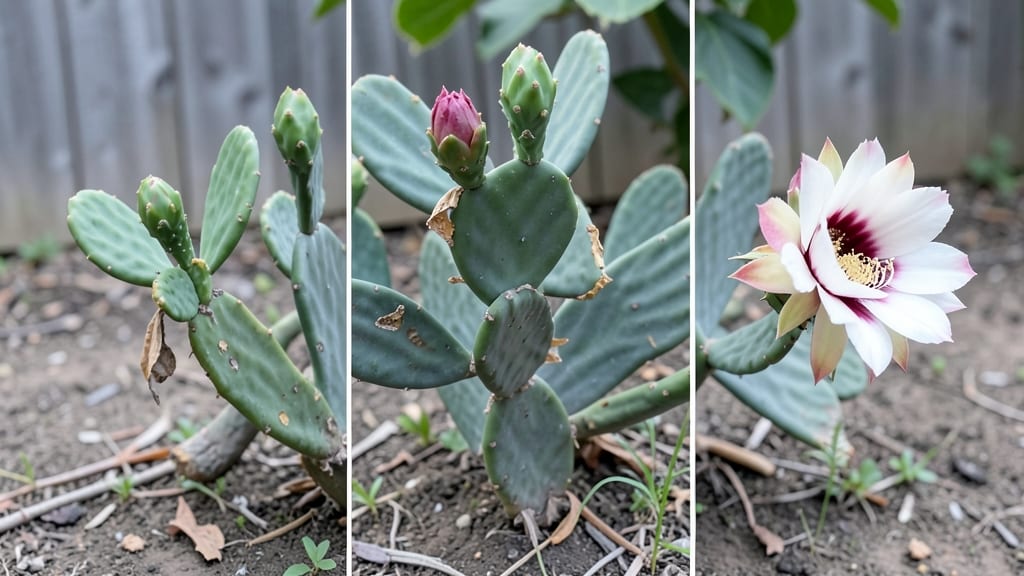
Understanding the dragon fruit flowering stages 🐉 is the key to turning those stunning night-blooming flowers into sweet, edible fruit.
Watching your dragon fruit cactus bloom is magical—but knowing exactly what each stage looks like can mean the difference between a bountiful harvest and missed pollination.
From tiny buds to wilting petals, each phase lasts just days, and skipping one means no fruit. Whether you're growing outdoors in zones 9b-11 or in a greenhouse, timing matters.
Here’s how to spot every stage, what environmental cues to watch for, and the simple tricks to ensure your blooms turn into fruit—without leaving anything to chance.
Dragon fruit flowering stages: visual guide to 5 key phases
Understanding the 5 distinct flowering stages of your dragon fruit cactus (Hylocereus spp.) is essential for maximizing fruit production. Each phase lasts 1-5 days and requires specific care to ensure successful pollination.
Miss a stage, and you risk losing potential harvests entirely. Here’s how to identify each phase and what to do during them.
Dragon fruit flowers are nocturnal bloomers, opening only at night and wilting by morning. This unique trait means you’ll need to monitor your plants closely in the evenings. The 5 key stages—bud formation, full bloom, pollination window, wilting, and fruit set—each play a critical role in fruit development.
Let’s break them down with visual cues and timing expectations.
Pro Tip: Use a small flashlight with a red filter (to avoid disturbing nocturnal pollinators) when checking flowers after dark. This lets you observe stages without disrupting the natural process.
During the bud formation stage, your dragon fruit plant signals it’s ready to bloom. Look for small, closed buds along the vine’s newest growth. These buds will eventually open into the iconic night-blooming flowers.
This is your first opportunity to ensure the plant has optimal conditions—6+ hours of sunlight, well-draining soil, and consistent moisture.
When buds transition to full bloom, they open only at night, typically between 6-9 PM. The flowers emit a sweet, tropical fragrance to attract pollinators like bats and bees.
If you’re in an area with few natural pollinators, this is your cue to hand-pollinate using a small paintbrush or cotton swab. Gently transfer pollen from one flower to another.
The pollination window is the most critical phase for fruit development. Pollen must transfer within 4-6 hours of the flower opening. If pollination fails, the flower will wilt without setting fruit.
Keep a close eye on your plants during this time, especially if you’ve hand-pollinated. Remove any unpollinated flowers to encourage the plant to focus energy on successful blooms.
Once flowers begin to wilt, they’ll drop by morning, leaving behind tiny green fruit buds. This stage is a sign that pollination was successful. Prune the spent flowers to reduce the risk of pests or disease and redirect the plant’s energy toward fruit growth.
You’ll notice the buds swelling over the next few weeks as they develop into dragon fruit.
Finally, the fruit set stage is where patience pays off. It takes 3-6 months for the fruit to mature from a small bud to a full-sized dragon fruit. During this time, the skin will transition from green to its signature pink or yellow hue, depending on the variety.
Support your vines with trellises or stakes to prevent breakage as the fruit grows heavy.
To maximize your harvest, maintain balanced fertilization during this stage. Use a low-nitrogen, high-potassium fertilizer to support fruit development. Avoid overwatering, as dragon fruit is sensitive to root rot in soggy conditions. With careful attention to each stage, you’ll enjoy a bountiful harvest of sweet, nutritious dragon fruit.
How to hand-pollinate dragon fruit flowers for guaranteed fruit
Dragon fruit flowers open only at night and close by mid-morning, making them tricky to pollinate naturally in areas without bats or bees. But don’t worry—hand-pollination is simple once you know the right tools and timing.
By mimicking nature, you can boost fruit production by up to 80% in your garden. The key is acting during the 2-3 hour window when flowers are fully open and receptive.
First, gather your supplies: a soft paintbrush (like a fine-tip makeup brush), a small flashlight (red light is best to avoid shocking the flowers), and a notebook to track blooming cycles. Work quickly—dragon fruit flowers only stay open for 24-48 hours, and missing this window means missed fruit.
Timing is everything, so plan to pollinate between 9 PM and 2 AM for maximum success.
Step-by-Step Guide to Hand-Pollinating Dragon Fruit
- Step 1: Identify Open Flowers – Use your red flashlight to locate fully open flowers (white or pink buds with exposed stamens). Look for flowers that are 2-3 inches wide and slightly fragrant.
- Step 2: Gather Pollen – Gently brush the stamens (yellow pollen-covered parts) of one flower onto the brush. Avoid pressing too hard to prevent damage.
- Step 3: Transfer Pollen – Dip the brush into another flower’s stigma (the green, cone-shaped center). Move in a circular motion to ensure full coverage.
- Step 4: Repeat for All Flowers – Pollinate 3-5 flowers per vine to maximize fruit set. Focus on healthy, mature blooms for the best results.
- Step 5: Monitor Fruit Development – After pollination, mark flowers with a soft tag or note their location. Fruit will form within 1-2 weeks if pollination was successful.
⏰ Pro Tip: Pollinate on clear, dry nights for best results—humidity can reduce pollen viability.
If you’re new to hand-pollination, start with one flower per vine to test your technique. Dragon fruit plants often produce male and female flowers on separate plants, so cross-pollinating between vines (if possible) can increase fruit yield.
Keep a pollination log to track which flowers set fruit—this helps you refine your approach over time.
After pollination, maintain consistent watering and balanced fertilization to support fruit development. Dragon fruits need 6-8 months to mature, so be patient! Watch for green buds forming where flowers once were—a sure sign your hand-pollination paid off.
Once fruit appears, reduce nitrogen-rich fertilizers to avoid leafy growth at the expense of fruit.
For gardeners in cooler climates, consider growing dragon fruit in containers and moving them indoors during winter. Even with hand-pollination, temperature drops below 60°F can stress plants and reduce flowering. Use a grow light to supplement sunlight if needed, and keep humidity levels above 40% for optimal blooming.
Hand-pollinating dragon fruit is rewarding—there’s nothing like watching bright pink or yellow fruit develop from flowers you helped pollinate! With practice, you’ll become faster and more efficient, turning your garden into a fruit-bearing paradise. Happy pollinating! 🌱