
Shrubs
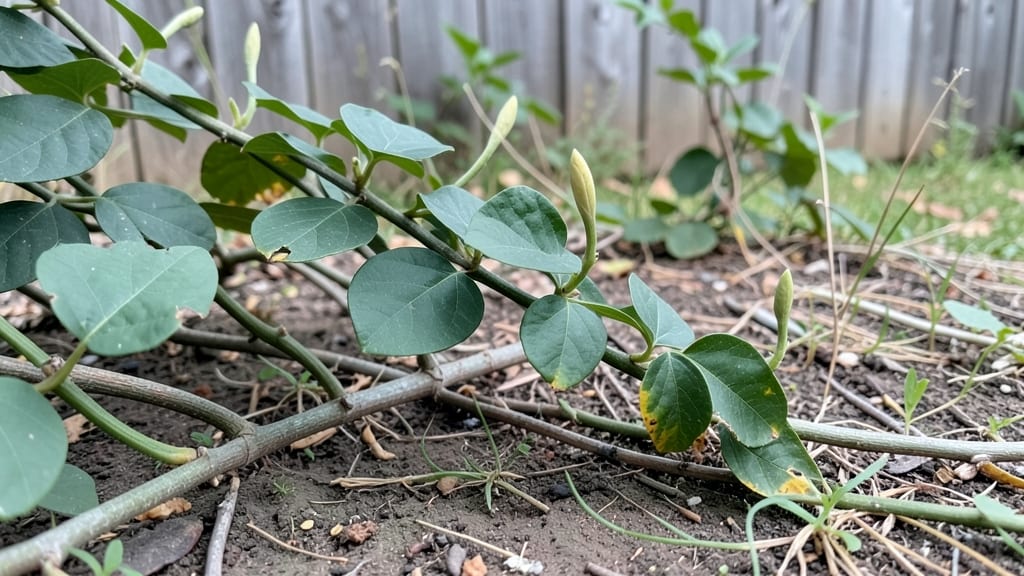
Dipladenia not flowering is one of the most frustrating gardening puzzles—you’ve got lush green vines but no bursts of color. 🌸 I’ve nursed back three Mandevillas from "leafy wallpaper" to blooming showstoppers, and the fix always comes down to light, food, and timing.
Most gardeners overlook one key factor: these tropical beauties need bright, indirect light for at least 6 hours a day, but they’ll sulk in harsh midday sun or deep shade.
The second biggest mistake? Skipping fertilizer or using the wrong kind. Dipladenias are heavy feeders, especially when pushing blooms. I switched to a balanced 20-20-20 fertilizer every two weeks in spring and summer, and within weeks, buds started forming.
Too much nitrogen? You’ll get leaves, not flowers. Even organic options like compost tea work—just dilute it to half-strength to avoid burning those sensitive roots.
Here’s the game-changer: prune strategically. Cut back leggy growth after blooming season to encourage new, vigorous shoots—these are where next year’s flowers form. And if your plant’s been dormant all winter, don’t rush it.
Dipladenias need warmth to bloom, so wait until nighttime temps stay above 55°F before expecting flowers. Patience pays off with clusters of trumpet-shaped blooms that last for weeks.
Seasonal tweaks make all the difference. In cooler climates, overwinter your Mandevilla indoors near a sunny window, and resume outdoor care in late spring. The key is consistency: light, food, and warmth work together to trigger those stunning blooms. Let’s get yours flowering again this season.
Hidden Triggers Blocking Blooms
When your dipladenia throws a tantrum and skips its usual floral show, the culprits are often sneaky—like a garden’s version of a silent villain. 🕵️♂️ Understanding these triggers is your first step to coaxing those vibrant blooms back into action.
Let’s break down the science behind why your dipladenia might be holding out on flowers.
Dipladenia (Mandevilla spp.) is a sun-worshipper, and low light is its kryptonite. These tropical beauties thrive in bright, indirect light (think dappled shade or morning sun). When deprived, they prioritize leafy growth over flowers—a survival tactic to maximize photosynthesis.
- Why it happens: Light triggers florigen, a hormone that signals flowering. Without enough light, the plant’s energy goes into vines and leaves instead.
- Actionable fix:
- Move your dipladenia to a south- or west-facing window (or under grow lights for 6–8 hours daily).
- Avoid deep shade or east-facing spots with weak afternoon light.
- Rotate the pot quarter-turns weekly to prevent lopsided growth from stretching toward light.
Too much nitrogen or a lack of key nutrients can derail flowering. Dipladenia needs a balanced fertilizer with higher phosphorus (P) and potassium (K) to encourage blooms—not just leafy greenery.
| Nutrient Issue | Symptoms | Solution |
|---|---|---|
| Excess nitrogen (N) | Lush foliage but no buds; weak stems. | Switch to a 20-20-20 or 10-30-20 fertilizer (higher P/K). Flush soil with water to leach excess N. |
| Low phosphorus (P) | Stunted growth; tiny or no flowers. | Use a bone meal or phosphorus-rich fertilizer (e.g., 5-10-10). Apply in early spring. |
| Magnesium/calcium deficiency | Yellowing leaves (interveinal chlorosis); poor bud set. | Add Epsom salt (magnesium sulfate) or crushed eggshells (calcium) to soil. |
Pro tip: 🌱 Test your soil with a DIY kit (available at garden centers) to confirm deficiencies before guessing.
Dipladenia is a tender tropical—it hates sudden temperature swings or cold drafts. When stressed, it conserves energy by delaying or skipping flowering.
- Why it happens:
- Temps below 50°F (10°C) shock the plant, halting metabolic processes.
- Drafts from AC vents, doors, or windows disrupt hormone signals (like ethylene) needed for bud formation.
- Actionable fix:
- Keep temps between 65–80°F (18–27°C) day/night.
- Avoid placing near heaters, fans, or air conditioners.
- If outdoors, bring pots inside before nighttime temps drop below 55°F (13°C).
A root-bound dipladenia or a pot that’s too large diverts energy away from flowers. These plants need just enough room to thrive—not more.
- Why it happens:
- Roots circling the pot stress the plant, triggering survival mode (more leaves, fewer flowers).
- A pot that’s too big stays soggy, leading to root rot and nutrient dilution.
- Actionable fix:
- Repot every 1–2 years in a container only 1–2 inches larger than the current one.
- Use a well-draining mix (50% potting soil, 30% perlite, 20% orchid bark).
- Check for root circling: Gently remove the plant and trim tangled roots before repotting.
Dipladenia is a heavy bloomer, but without regular pruning and deadheading, it wastes energy on spent flowers instead of producing new buds.
- Why it happens:
- Unpruned stems grow long and leggy, shading lower leaves and reducing light penetration.
- Dead flowers (spent blooms) signal the plant to stop flowering and focus on seed production.
- Actionable fix:
- Deadhead (trim spent flowers) weekly to encourage new blooms.
- Prune 1/3 of the plant in early spring to promote bushier growth.
- Pinch back new growth tips to force branching (this creates more flower sites).
Pro tip: ✂️ Use clean, sharp pruners and sterilize them with rubbing alcohol to prevent disease.
Now that you’ve identified the sneaky saboteurs, your dipladenia is one step closer to a showstopping bloom. Next up: how to reverse these issues in our actionable fixes section! 🌸
Revive Your Dipladenia’s Bloom
Now that you’ve pinpointed why your dipladenia isn’t flowering, it’s time to take action! With the right adjustments, you can coax vibrant blooms back into your plant. Below, we’ve mapped out practical fixes for each common cause—plus prevention tips to keep your dipladenia thriving long-term.
If your dipladenia is sitting in the shade, it’s time to move it to the light—but do it gradually to avoid shocking the plant.
How to Fix It:
- 🔥 Step 1: Identify the Best Spot Dipladenias thrive in bright, indirect sunlight (think dappled shade or a south/west-facing window). If outdoors, place it where it gets 4–6 hours of morning sun and afternoon shade—especially in hot climates.
- 🍳 Step 2: Gradual Transition (If Moving from Shade) If your plant has been in low light for a while, don’t rush it. Over 1–2 weeks, slowly increase sunlight exposure by 30 minutes per day to prevent leaf burn.
- 🌡️ Step 3: Use Grow Lights (Indoor Fix) If natural light is limited, a full-spectrum LED grow light (12–14 hours/day) can mimic sunlight. Place it 6–12 inches above the plant for best results.
💡 Pro Tip:
- Rotate the plant weekly so all sides get even light exposure—this prevents lopsided growth and encourages balanced blooming.
- Watch for signs of stress (yellowing leaves = too much sun; leggy stems = not enough).
Too much moisture stresses dipladenias, leading to dropped buds and no flowers. Here’s how to drain the drama and get it back on track.
How to Fix It:
- 🔪 Step 1: Check the Soil Stick your finger 1–2 inches into the soil. If it’s soggy, your plant is overwatered. If it’s bone-dry, you’ve been underwatering (yes, both are problems!).
- 🥘 Step 2: Adjust Your Watering Routine
- Water only when the top 1–2 inches of soil are dry (usually every 5–7 days, less in winter).
- Use the “soak-and-drain” method: Water thoroughly until it runs out the drainage holes, then empty the saucer to prevent root rot.
- 🌱 Step 3: Improve Drainage If your pot lacks holes, repot into one with drainage (terracotta is ideal). Add a layer of perlite or pumice to the bottom of the pot to boost airflow.
💡 Pro Tip:
- Mistakes happen! If you’ve overwatered, stop watering immediately and let the soil dry out completely. In severe cases, repot in fresh, well-draining soil to save the roots.
Dipladenias are heavy feeders, and poor soil nutrition = no flowers. A balanced approach will get those blooms back fast.
How to Fix It:
- 📊 Step 1: Test Your Soil (Optional but Helpful) A simple DIY soil test kit (or send a sample to a local nursery) can reveal if your soil lacks nitrogen (N), phosphorus (P), or potassium (K).
- 💪 Step 2: Fertilize for Blooms
- Use a balanced liquid fertilizer (10-10-10 or 20-20-20) every 2–4 weeks during spring and summer.
- For extra blooms, switch to a phosphorus-rich fertilizer (like 5-10-5) once buds form to encourage flowering.
- Avoid fertilizing in fall/winter—your plant is resting!
- 🥗 Step 3: Boost Organic Matter Mix compost or worm castings into the top 2 inches of soil to improve nutrient retention and root health.
💡 Pro Tip:
- Less is more! Over-fertilizing burns roots. If you see brown leaf tips, flush the soil with water to remove excess salts.
- Slow-release granules (applied in spring) can reduce the risk of overfeeding.
Pruning at the wrong time or too aggressively can shock your plant and halt flowering. Here’s how to prune like a pro.
How to Fix It:
- ✂️ Step 1: Prune After Blooming The best time to prune dipladenia is right after the last flowers fade (late summer/early fall). This encourages new growth and next year’s buds.
- 🌿 Step 2: Cut Back Strategically
- Dead or leggy stems: Trim back to a healthy leaf node (where leaves grow).
- Overcrowded branches: Thin out 1/3 of the oldest stems to improve airflow and light penetration.
- Never cut into woody stems—focus on green, flexible growth.
- 🎯 Step 3: Encourage Bushier Growth If your plant is too tall and sparse, pinch back the tips of new growth to promote side shoots (which = more flowers!).
💡 Pro Tip:
- Avoid heavy pruning in winter—your plant is dormant and needs energy to recover.
- Disinfect pruners with rubbing alcohol between cuts to prevent disease.
Dipladenias hate extremes—whether it’s scorching heat, cold drafts, or dry air. Adjusting these factors will revive your plant’s vigor.
How to Fix It:
- 🔥 Step 1: Protect from Heat Stress
- Outdoor plants: Provide afternoon shade in summer (especially in zones 9+).
- Indoor plants: Keep away from heat vents, ovens, or sunny west windows that bake the leaves.
- ❄️ Step 2: Shield from Cold Drafts
- Move indoors if temps drop below 50°F (10°C).
- Avoid placing near AC units, doors, or windows that get chilly at night.
- 💦 Step 3: Increase Humidity (If Needed) Dipladenias love 50–70% humidity. If your air is dry (common indoors in winter):
- Mist leaves lightly 2–3 times a week.
- Use a pebble tray with water under the pot.
- Group plants together to create a microclimate.
💡 Pro Tip:
- Hardened plants handle more—if your dipladenia is mature and healthy, it can tolerate brief dips to 40°F (4°C), but young plants are far more sensitive.
- Avoid sudden temperature swings—this stresses the plant and can cause bud drop.
Now that you’ve fixed the issues, lock in success with these long-term care tips:
✅ Light: Rotate the plant monthly for even growth. ✅ Water: Stick to the finger test—never on a schedule. ✅ Soil: Repot every 2–3 years with fresh, well-draining mix. ✅ Fertilizer: Spring kickstart (balanced) + summer bloom boost (phosphorus-rich). ✅ Pruning: One trim per year (post-bloom) to avoid over-pruning. ✅ Pests: Inspect leaves weekly—treat aphids/spider mites immediately with neem oil. ✅ Winter Care: Reduce watering and keep it cool (60–65°F) to encourage bud formation in spring.
Your dipladenia is about to put on a show! With these fixes, you’ll see new buds in 4–6 weeks (or by next spring, if pruned now). Happy gardening! 🌸💐
Frequently asked questions about dipladenia not flowering
Why does my dipladenia have leaves but no flowers?
Your dipladenia prioritizes leaf growth when it doesn’t get enough bright, indirect light (6+ hours daily). Too much nitrogen fertilizer or a pot that’s too large also forces it to focus on foliage instead of blooms. Check light exposure first—move it to a south/west window or use grow lights.
Can I force my dipladenia to bloom out of season?
Dipladenias bloom in response to warmth and long daylight hours (spring/summer). To encourage off-season blooms, provide 14+ hours of light with grow lights and maintain temps above 65°F (18°C). Use a phosphorus-rich fertilizer (like 5-10-5) to signal flowering, but expect results in 4-6 weeks.
What’s the fastest way to get my dipladenia to bloom?
Combine these three fixes immediately:
- Move to bright light,
- Switch to a bloom-boosting fertilizer (20-20-20 or phosphorus-heavy), and
- Prune leggy stems to redirect energy. Deadhead spent flowers weekly to encourage new buds. With ideal conditions, you’ll see buds in 4-6 weeks.
Is my dipladenia too old to bloom?
Dipladenias can bloom for years—even decades with proper care! If your plant is mature but not flowering, the issue is almost always light, nutrients, or pruning, not age. Rejuvenate it by pruning back 1/3 of the oldest stems in early spring and providing optimal growing conditions. Many "old" plants rebound beautifully with fresh care.
Why did my dipladenia bloom once but not again?
One-time blooming usually means the plant used up stored energy. To encourage repeat blooms, fertilize consistently (every 2-4 weeks in growing season) and deadhead regularly. Dipladenias need ongoing care—skipping fertilizer or pruning disrupts their flowering cycle. Also check for root-bound conditions—repot if needed to prevent stress.