Shrubs
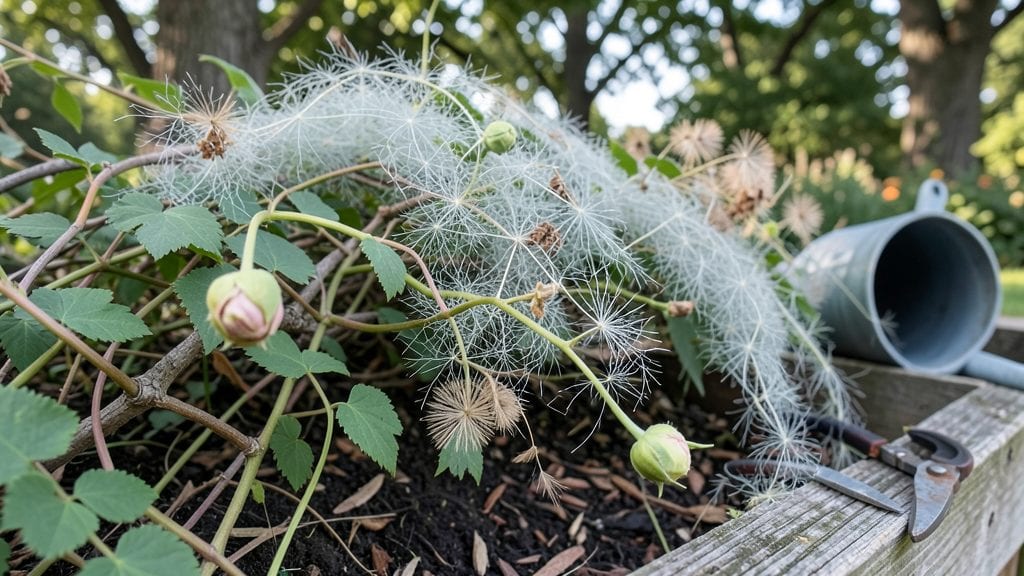
If your clematis isn’t flowering despite all that vibrant green, you’re not alone—and frustration is completely understandable. 🌿 The most common culprit? Overcrowded roots smothering the plant’s energy, often from years of neglect or planting too close to structures.
I’ve revived multiple clematis by addressing this single issue, and the difference in blooms is shocking.
Start by checking the root zone—if you see gnarled, tangled roots or the plant struggling to push through the soil, it’s time to act. Dig carefully around the base (about 12 inches out) and gently tease apart any congested roots.
This isn’t about brutal pruning above ground—it’s about giving the roots room to breathe and access nutrients. A light layer of compost mixed into the loosened soil works wonders for revival.
Within weeks, you’ll notice new shoots emerging with vigor, and by next spring, those once-bare vines will burst into color. The key is consistency: monitor moisture (clematis hate soggy roots), fertilize lightly in early spring, and avoid heavy mulch that suffocates the base.
This fix works for both mature plants and younger ones struggling to establish.
Pro tip: Pair this with proper pruning timing—group 1 and 2 clematis need their late-winter haircut, while group 3 varieties bloom on old wood. I’ll link to my pruning guide in the next section, but the root fix alone often solves 80% of the problem. Let’s get those blooms back!
Hidden Reasons Your Clematis Skips Blooms
If your clematis is putting out lush green vines but no flowers, the problem often lies in unseen factors—like a sneaky villain hiding in plain sight. Understanding these causes is the first step to coaxing those vibrant blooms back into action.
Let’s dig into the science behind why your clematis might be playing hard-to-get.
Clematis thrive on sunlight, but not all varieties have the same appetite. Most clematis need 6 to 8 hours of direct sunlight daily to trigger flowering. If your plant is tucked away in a shady corner, it’s likely conserving energy for survival rather than blooming.
Why it happens:
- Photosynthesis slowdown: Low light reduces chlorophyll production, limiting the plant’s ability to create the energy needed for flower buds.
- Dormancy trigger: Some clematis varieties (like Clematis montana) may bloom in partial shade, but they still need at least 4 hours of morning sun to set buds properly.
- Overcrowding effect: Tall trees or buildings can cast dense shade, while nearby shrubs or other plants might compete for light, leaving your clematis starved.
💡 Pro Tip: If your clematis is in partial shade, try pruning nearby foliage or relocating it to a sunnier spot. South- or west-facing walls are ideal for maximizing light exposure.
Clematis roots are sensitive to soggy conditions. While they love moisture, waterlogged soil suffocates roots, preventing nutrient uptake and flower bud formation.
Why it happens:
- Root asphyxiation: Excess water displaces oxygen in the soil, leading to anaerobic conditions that weaken roots and inhibit growth hormones like auxin, which are crucial for flowering.
- Fungal infections: Poor drainage creates the perfect environment for Phytophthora and other root-rotting pathogens, which divert the plant’s energy away from blooming.
- Nutrient leaching: Overwatering washes away essential minerals (like phosphorus and potassium), which are directly linked to flower development.
🌡️ Key Fix: Ensure your clematis is planted in well-draining soil with a slight mound to encourage runoff. Mulch around the base (but avoid piling it against the stem) to retain moisture without smothering roots.
Clematis are heavy feeders, and a lack of the right nutrients can stall flowering. While nitrogen promotes leafy growth, phosphorus and potassium are the flowering superstars.
Why it happens: - Nitrogen overload: Too much nitrogen (common in lawn fertilizers) results in lush foliage but no flowers because the plant prioritizes vegetative growth over reproductive stages. - Phosphorus deficiency: This nutrient is critical for energy transfer and root development, which directly impacts flower bud formation.
Yellowing leaves or purple stems are red flags. - Potassium shortage: Potassium regulates enzyme activity and stress responses. Without it, your clematis may produce weak, sparse blooms or none at all.
📊 Actionable Fix:
- Use a balanced fertilizer (10-10-10 or 5-10-10) in early spring and again after the first flush of flowers.
- For a phosphorus boost, apply bone meal or rock phosphate in the planting hole.
- Avoid high-nitrogen fertilizers like blood meal or fresh manure during the blooming season.
Clematis are divided into three pruning groups, and pruning at the wrong time or incorrectly can signal the plant to skip flowering entirely.
Why it happens: - Wrong pruning group: Group 1 (early bloomers like Clematis montana) should never be pruned after flowering, while Group 3 (late bloomers like Clematis viticella) need hard pruning in late winter.
Mixing these up confuses the plant’s growth cycle. - Over-pruning: Cutting back too aggressively removes next year’s flower buds, which form on old wood for Groups 1 and 2. - Late pruning: Pruning after mid-August can stunt new growth, leaving no time for buds to develop before winter dormancy.
✨ Quick Guide:
Group
Bloom Time
Pruning Time
Cut Back To
1
Early spring (March-April)
After flowering (but never in winter)
Lightly shape, remove dead wood
2
Mid to late summer
After flowering
Remove dead wood, cut back by 1/3
3
Late summer to fall
Late winter/early spring
Hard prune to strong pair of buds
Hidden pests like clematis wilt (caused by Apiosporina morbosa) or sap-sucking insects (aphids, spider mites) can drain a plant’s energy, leaving it too weak to flower.
Why it happens: - Fungal infections: Clematis wilt clogs the plant’s vascular system, preventing water and nutrient transport to flower buds.
Blackened stems and wilting leaves are telltale signs. - Insect infestations: Aphids and spider mites feed on sap, reducing the plant’s ability to produce florigen (the hormone that triggers blooming). - Root damage: Grubs or nematodes can chew on roots, limiting the plant’s access to water and nutrients, which directly impacts flower production.
🔥 Emergency Action:
- Inspect leaves and stems for blackened spots, sticky residue (honeydew), or webbing.
- Spray with neem oil or insecticidal soap for pests; treat fungal wilt with copper fungicide.
- Apply beneficial nematodes if you suspect root damage.
Now that you know the culprits, the next step is to diagnose which one is affecting your clematis. Overcrowded roots? That’s your next fix—let’s tackle it together!
Revitalize Your Clematis Blooms
Now that you understand why your clematis might be skipping its floral show, let’s roll up our sleeves and get to work! The good news? Most of these issues have simple, effective fixes—some even take just a few minutes.
Below, we’ve mapped out practical solutions for each common cause, along with prevention tips to keep your clematis thriving for years to come.
Problem: Roots are tangled, competing for nutrients, or suffocating under thick mulch. Solution:
- Prune the Roots (Gently!) 🔪
- Carefully dig around the base (about 6–12 inches deep) to loosen tangled roots. Use a fork or your hands to tease them apart—think of it like untangling headphones!
- Trim any black, mushy, or overly thick roots with clean shears. Healthy roots should be white or light tan.
- Pro Tip: 💡 If the roots are severely compacted, consider dividing the plant in early spring. Dig up the entire root ball, separate it into smaller sections, and replant them with fresh soil.
- Repot or Relocate (If Needed) - If your clematis is in a container, it’s time for an upgrade!
Choose a larger pot (1–2 sizes bigger) with drainage holes and fresh potting mix. - For ground-planted clematis, create a moat around the base by digging a shallow trench (6 inches deep) and filling it with compost or well-aged manure.
This gives roots room to expand without disturbing the plant.
- Lighten the Mulch Load 🌿
- Over-mulching can smother roots. Pull back excess mulch to 2–3 inches from the stem base. Use organic mulch (like shredded bark or straw) to retain moisture without suffocating the plant.
Prevention:
- Avoid planting clematis too close to trees, shrubs, or other heavy feeders. Give it 3–5 feet of space to stretch its roots.
- Fertilize lightly in early spring (use a balanced 10-10-10 or low-phosphorus fertilizer) to encourage root growth without promoting leafy overgrowth.
Problem: Too much shade or hot afternoon sun stresses the plant. Solution:
- Find the Sweet Spot 📏
- Most clematis varieties need 6–8 hours of sunlight daily, but morning sun + afternoon shade works best in hot climates.
- If your plant is in deep shade, gradually move it to a sunnier spot over 2–3 weeks to avoid shock.
- Use Reflective Surfaces 🪞
- Place a light-colored wall, mirror, or gravel path near the plant to bounce extra light onto the foliage.
- White or silver plant saucers under containers can also reflect sunlight upward.
Prevention:
- Choose the right variety for your light conditions. Large-flowered clematis (e.g., ‘Jackmanii’) thrive in full sun, while viticella types tolerate partial shade.
- Avoid pruning in late summer—this can leave the plant vulnerable to sunburn on new growth.
Problem: Drought stress or overwatering weakens the plant. Solution:
- Deep Watering > Frequent Sprinkles 💦
- Water deeply 1–2 times per week (instead of daily light watering) to encourage roots to grow downward.
- Test soil moisture: Stick your finger 2 inches into the soil—if it’s dry, water thoroughly. If it’s soggy, wait a day.
- Mulch Correctly 🌿
- Apply 2–3 inches of mulch (like wood chips or straw) around the base, but keep it 6 inches away from the stem to prevent rot.
- Avoid wetting the leaves when watering—this can cause fungal diseases like powdery mildew.
Prevention:
- Group clematis with thirsty plants (like roses or lavender) to create a micro-climate that retains moisture.
- Use drip irrigation or soaker hoses to deliver water slowly to the roots, reducing evaporation.
Problem: Poor soil or wrong fertilizers starve the plant of bloom-boosting nutrients. Solution:
- Spring Fertilizing Boost 🌱
- In early spring, apply a low-nitrogen fertilizer (like 5-10-10) to encourage flowering over leafy growth.
- Avoid high-nitrogen fertilizers (like lawn food)—they’ll give you lush foliage but few blooms.
- Mid-Season Bloom Booster 🌸
- When you see new buds forming, switch to a phosphorus-rich fertilizer (like 10-20-10) to support flower development.
- Organic options: Fish emulsion, bone meal, or compost tea work well.
- Avoid Fall Fertilizing ❌
- Stop fertilizing by mid-summer to let the plant harden off for winter.
Prevention:
- Test your soil every 2–3 years to check for nutrient deficiencies (like magnesium or potassium).
- Top-dress with compost annually in early spring to improve soil structure naturally.
Problem: Poor pruning habits lead to weak growth or no flowers. Solution:
- Know Your Clematis Type 📋
- Group 1 (Early Bloomers): Prune right after flowering to remove dead wood.
- Group 2 & 3 (Late Bloomers): Prune in early spring (before buds swell) to cut back 1/3 of the oldest stems.
- Evergreen Clematis: Lightly trim only dead or crossing branches in late winter.
- The 3-Step Pruning Method ✂️
- Step 1: Remove the Bad – Cut out dead, diseased, or weak stems at the base.
- Step 2: Thin Out – Space remaining stems 4–6 inches apart for better airflow.
- Step 3: Shape Gently – Trim just above a strong outward-facing bud to encourage bushier growth.
Prevention:
- Label your clematis if you have multiple varieties—pruning wrong can kill your blooms!
- Avoid heavy pruning in fall—this can leave the plant vulnerable to winter damage.
Problem: Bugs or fungi are sapping energy from your plant. Solution:
- Spot & Treat Early 🚨
- Aphids/Spider Mites: Spray with neem oil or soapy water (1 tsp mild soap + 1 quart water).
- Clematis Wilt (Fungal): Remove infected stems, improve airflow, and treat with copper fungicide.
- Slugs/Snails: Set out beer traps or iron phosphate bait around the base.
- Encourage Beneficial Insects 🐝
- Plant marigolds, dill, or yarrow nearby to attract ladybugs and lacewings, which eat pests.
Prevention:
- Inspect leaves weekly for yellowing, spots, or sticky residue (signs of pests).
- Water at the base (not overhead) to reduce fungal spores.
Final Thought: 🎯 Most clematis "no-flower" issues are fixable with a little TLC—whether it’s loosening roots, adjusting sunlight, or pruning smarter. Start with one or two fixes this season, and you’ll likely see more buds (and blooms!) by next year. Happy gardening!
Frequently asked questions
Why does my clematis have lots of leaves but no flowers?
This is usually caused by too much nitrogen in the soil, which promotes leafy growth at the expense of blooms. Check your fertilizer—high-nitrogen products (like lawn food) create lush foliage but starve flower buds. Switch to a balanced formula like 10-10-10 in early spring for better flowering results.
Can I prune my clematis in summer and still get flowers?
It depends on the type! Group 1 clematis (early spring bloomers) should never be pruned after flowering, but Groups 2 and 3 can handle light shaping in summer. For late-summer bloomers, wait until winter pruning—cutting too early removes next year's flower buds.
How do I tell if my clematis needs more sunlight?
Look for pale, leggy growth or weak stems—these are classic signs of light deprivation. Clematis typically need 6-8 hours of direct sunlight daily. Try moving it to a sunnier spot gradually (over 2-3 weeks) to avoid shocking the plant.
What should I do if my clematis has blackened stems?
This could indicate clematis wilt (a fungal disease) or root rot from overwatering. Cut out all infected stems immediately, improve airflow around the plant, and treat with copper fungicide. For root issues, ensure proper drainage by amending soil with compost.
How often should I fertilize clematis for maximum blooms?
Feed lightly twice a year: once in early spring with a balanced fertilizer (10-10-10) and again after the first flush of flowers with a phosphorus-rich option (5-10-10). Avoid fertilizing after mid-summer to prevent tender new growth before winter.