Shrubs
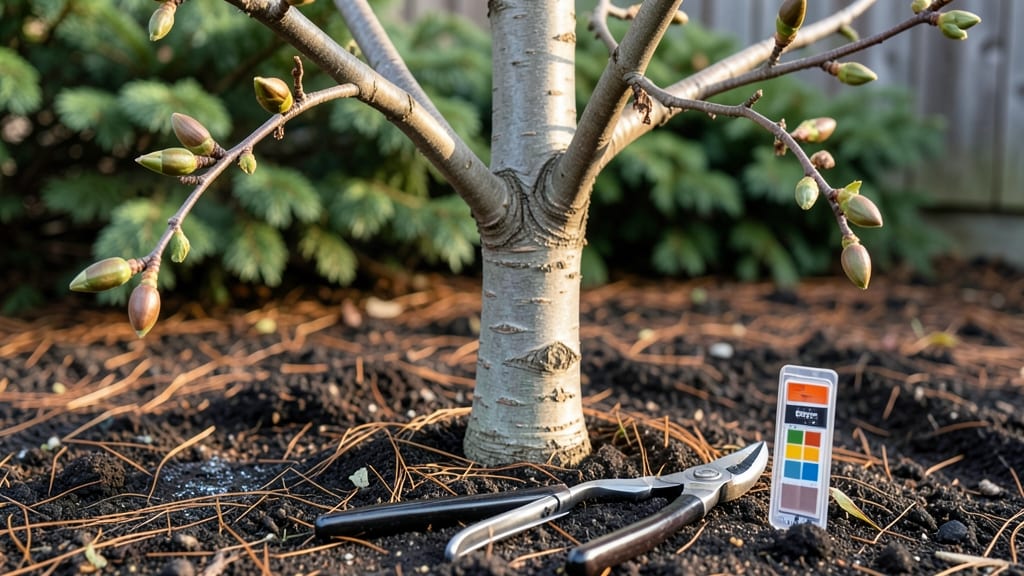
Dogwood trees not flowering? I’ve seen it happen more than I’d like—stunning foliage but no spring blooms to speak of. 🌿 The good news is, most cases come down to three fixable issues: sunlight, pruning, or age-related stress.
My own dogwood spent years looking healthy but stubbornly bare until I adjusted its light exposure and pruning habits.
First, check if your tree gets at least 6 hours of sunlight daily—dogwoods need it for blooms. If it’s in shade, move it or thin nearby trees. Then, prune correctly: never cut back more than 25% of the canopy, and avoid heavy pruning after mid-summer.
Nutrient deficiencies (especially potassium or phosphorus) can also stall flowers, so a balanced fertilizer in early spring helps.
Age matters too—young trees (under 5 years) focus on growth, not blooms. Older trees may need rejuvenation pruning to encourage new growth. With the right adjustments, you’ll see buds next spring. The key is patience and precision—no drastic changes, just small tweaks that add up.
This works for both flowering and non-flowering dogwoods in zones 5–9. Start with sunlight, then prune, and watch those blossoms return. Trust me, it’s worth the effort when pink or white blooms appear in April.
Root Causes Behind Missing Blooms
Dogwood trees (Cornus florida) are celebrated for their stunning spring flowers, but when they fail to bloom, it’s often due to underlying issues that disrupt their natural growth cycles. Understanding these causes—ranging from environmental stress to biological factors—is the first step to restoring your tree’s flowering potential.
Let’s break down the science behind why your dogwood might be skipping its floral show.
Dogwoods thrive in partial shade to full sun, but their flowering response is highly sensitive to light exposure. If planted in deep shade (e.g., under dense canopies or tall structures), they may allocate energy to leaf growth instead of flower buds.
Why it happens:
- Photosynthesis limitations: Low light reduces carbohydrate production, weakening the tree’s ability to form floral buds during the previous summer or fall.
- Dormancy confusion: Inconsistent light patterns (e.g., sudden shade from new construction) can disrupt the tree’s internal clock, delaying or preventing bloom signals.
- Species-specific needs: Southern dogwoods (Cornus florida) tolerate more shade than Pacific dogwoods (Cornus nuttallii), which require at least 6 hours of direct sunlight daily.
Actionable fix:
- Prune nearby trees/shrubs to increase light penetration.
- Gradually acclimate the tree to more sun over 1–2 seasons to avoid shock.
Flowering is an energy-intensive process, and dogwoods need balanced nutrients—especially phosphorus and potassium—to develop buds. Deficiencies or excesses (like too much nitrogen) can derail bloom production.
Why it happens:
- Nitrogen overload: Excess nitrogen promotes leafy growth at the expense of flowers (a phenomenon called "luxuriant growth"). Fertilizers high in N-P-K (e.g., 30-10-10) can skew priorities away from reproductive structures.
- Phosphorus shortages: Critical for energy transfer in bud formation. Soil tests often reveal low phosphorus in clay or sandy soils.
- Micronutrient gaps: Boron and zinc deficiencies can stunt flower development, especially in acidic soils (dogwoods prefer pH 5.0–6.5).
Actionable fix:
- Test soil (use a home kit or lab service) and amend with:
- Bone meal (for phosphorus) or wood ash (for potassium).
- Sulfur to adjust pH if soil is alkaline.
- Avoid high-nitrogen fertilizers; opt for balanced formulas (e.g., 10-10-10) or organic options like composted manure.
Dogwoods are sensitive to temperature extremes and water fluctuations, which can halt flower bud formation or cause buds to drop prematurely.
Why it happens:
- Late-season heatwaves: Dogwoods set flower buds the previous summer. If temperatures exceed 90°F (32°C) for prolonged periods, buds may abort or fail to develop.
- Winter desiccation: Young trees or those in windy, exposed sites suffer from frost cracks or moisture loss, weakening the root system’s ability to support blooms.
- Drought stress: Even brief droughts can stunt root growth, reducing the tree’s capacity to transport nutrients to buds. Dogwoods need 1–1.5 inches of water weekly during dry spells.
Actionable fix:
- Mulch heavily (3–4 inches of wood chips) to retain moisture and regulate soil temperature.
- Water deeply during bud set (late summer) and drought periods.
- Protect from wind with temporary windbreaks if planted in exposed areas.
Hidden threats like borers, scale insects, or fungal infections can drain a dogwood’s resources, leaving it too weak to flower.
Why it happens:
- Dogwood borers (Synanthedon scitula): Larvae tunnel into bark, disrupting nutrient transport. Infested trees often show wilting, dieback, or oozing sap.
- Powdery mildew (Erysiphe alphitoides): Fungal infections clog stomata, reducing photosynthesis and flower bud viability.
- Scale insects: Sap-sucking pests weaken the tree by starving it of sugars, which are critical for bloom development.
Actionable fix:
- Inspect bark and leaves for signs of pests (sawdust-like frass, sticky residue) or fungal spots.
- Apply horticultural oil (for scale) or neem oil (for mildew) in early spring.
- Prune infected branches (sterilize tools with 70% alcohol) and dispose of debris.
Dogwoods typically flower after 3–5 years, but aggressive pruning or removing too many branches can delay or prevent blooms by reducing the tree’s energy reserves.
Why it happens:
- Flower bud location: Dogwoods form buds on one-year-old wood. Heavy pruning in late winter/early spring removes potential bloom sites.
- Maturity thresholds: Older trees (over 20 years) may slow bloom production due to natural decline. However, if a mature tree suddenly stops flowering, it’s often a sign of stress (see other causes).
Actionable fix:
- Prune only in late winter (after flowering) to preserve buds.
- Limit cuts to 20% of the canopy per year.
- Avoid topping (cutting back to a stub), which stresses the tree.
Physical trauma to roots or the trunk can severely limit a dogwood’s ability to flower, as the tree diverts energy to repair.
Why it happens:
- Compaction or girdling roots: Construction, heavy foot traffic, or root-bound containers restrict water/nutrient uptake.
- Mechanical injury: Lawnmower damage or string trimmer cuts can girdle the trunk, leading to dieback and reduced flowering.
- Transplant shock: Recently moved dogwoods may take 1–2 years to rebound, during which they prioritize root establishment over blooms.
Actionable fix:
- Aerate compacted soil around the root zone.
- Inspect the trunk for girdling roots (remove carefully with a saw).
- Protect the base with mulch or a guard to prevent lawn equipment damage.
External applications—like hormone-based herbicides or growth regulators—can interfere with a dogwood’s natural flowering signals.
Why it happens:
- 2,4-D drift: This common weed killer mimics plant hormones and can suppress flowering in susceptible species.
- Overuse of synthetic fertilizers: Some formulations contain triazole fungicides (e.g., propiconazole), which may delay bloom times in ornamental trees.
- Pruning with contaminated tools: Residues from glyphosate or other herbicides can transfer to cuts, affecting healing and growth.
Actionable fix:
- Avoid spraying herbicides near dogwoods; opt for vinegar-based or manual removal for weeds.
- Choose organic fertilizers or slow-release options to minimize chemical stress.
- Clean pruning tools with soapy water between cuts to prevent chemical transfer.
Revive Your Dogwood’s Bloom
If your dogwood tree is skipping its usual springtime show, don’t panic—there’s almost always a fix. The key is identifying the root cause and taking targeted action.
Below, we break down practical solutions for each common issue, from quick adjustments to long-term care. Follow these steps to coax those stunning blooms back into action!
If your dogwood’s branches look like they’ve been sheared too aggressively, it’s no surprise the flowers are MIA. Dogwoods bloom on old wood, meaning last year’s growth is where the buds form. Pruning at the wrong time or too harshly can remove next year’s flowers.
How to Fix It:
- 🔥 Wait Until Late Summer or Early Fall – Prune after the blooming season (May–June) to avoid cutting off next year’s flower buds. Lightly shape the tree to maintain its natural form.
- 👨🍳 Use Sharp, Clean Tools – Dull shears can tear bark, inviting disease. Sterilize pruners with rubbing alcohol between cuts.
- 🥘 Remove Only Dead or Crossing Branches – Avoid heavy thinning. Aim to open the canopy for airflow while preserving the tree’s structure.
💡 Prevention Tips:
- Mark branches to avoid over-trimming.
- Avoid “lion’s tailing” (shearing into a rounded top)—this stresses the tree.
- If you must prune in spring, do it immediately after flowering and keep cuts minimal.
Dogwoods thrive in partial shade to full sun, but too much shade or poor soil can stunt flowering. If your tree is struggling, it might need a location or nutrient tweak.
How to Fix It:
- 🌿 Move or Adjust Shade – If planted under dense trees, consider transplanting to a sunnier spot (but avoid harsh afternoon sun in hot climates). Alternatively, thin nearby foliage to improve light exposure.
- 📊 Test and Amend Soil – Dogwoods prefer acidic, well-draining soil (pH 4.5–6.0). Test your soil with a kit and amend with:
- 💪 Sulfur or pine needles to lower pH if too alkaline.
- 🌡️ Mulch (2–3 inches of wood chips) to retain moisture and regulate temperature.
🎯 Prevention Tips:
- Plant in a location with morning sun and afternoon shade for ideal conditions.
- Avoid compacted soil—dogwood roots need oxygen.
- Water deeply but infrequently to encourage deep root growth.
Underwatering or overwatering can stress a dogwood, diverting energy away from flowering. Even drought-tolerant varieties need consistent moisture, especially in their first few years.
How to Fix It:
- ⏰ Water Deeply 1–2 Times Per Week – Aim for 1–1.5 inches of water per week (more in extreme heat). Use a soaker hose or drip irrigation to avoid wetting leaves (which promotes disease).
- 🌧️ Improve Drainage – If your tree sits in soggy soil, raise the planting area with a mound of soil or install a French drain.
- 🔥 Monitor for Wilting – Drooping leaves signal underwatering; yellowing leaves may indicate overwatering or root rot.
✨ Prevention Tips:
- Mulch around the base (but keep it 3–4 inches away from the trunk) to lock in moisture.
- Water early in the morning to reduce evaporation.
- Group dogwoods with other moisture-loving plants to create a microclimate.
Pests like borers or diseases such as anthracnose can sap a dogwood’s energy, leaving it too weak to bloom. Early intervention is key!
How to Fix It:
- 🔪 Inspect for Pests –
- 🐜 Borers: Look for sawdust-like frass or holes in the bark. Treat with beneficial nematodes or baited traps.
- 🐛 Scale insects: Wipe off with a soapy water solution (1 tsp mild soap per quart of water).
- 🌡️ Fight Fungal Diseases –
- Anthracnose: Prune infected leaves immediately and apply copper fungicide in early spring.
- Powdery mildew: Spray with neem oil or a baking soda solution (1 tsp baking soda + 1 quart water + a drop of soap).
- 💪 Boost Tree Health – Fertilize with a balanced, slow-release fertilizer (10-10-10) in early spring if the tree looks nutrient-deficient.
💡 Prevention Tips:
- 🌿 Prune for airflow to reduce humidity around leaves.
- 🛡️ Apply preventative fungicide in early spring if your area is prone to disease.
- 🚫 Avoid overhead watering to keep foliage dry.
With these targeted fixes, your dogwood should bounce back and reward you with vibrant blooms next season. Start with the most likely culprit (like pruning habits or soil pH), and don’t forget: patience is key—some dogwoods take a year or two to recover fully. Happy gardening! 🌸
Frequently asked questions
Why won’t my mature dogwood tree produce flowers even though it looks healthy?
Mature dogwoods often skip flowering due to nutrient imbalances or environmental stress. Check for excess nitrogen (promotes leafy growth over blooms) or phosphorus/potassium shortages. Also verify sunlight—Pacific dogwoods need 6+ hours of sun daily, while Southern dogwoods tolerate more shade. Soil pH outside 5.0–6.5 can also block blooms.
Can I force my dogwood to flower by fertilizing it heavily?
No—over-fertilizing (especially with high-nitrogen products) actually suppresses flowering by encouraging leaf growth. Instead, use a balanced fertilizer (10-10-10) in early spring and focus on phosphorus-rich amendments like bone meal. Too much fertilizer can also burn roots, worsening the problem.
How do I know if my dogwood’s lack of flowers is permanent?
Most dogwoods recover within 1–2 years with proper care. However, if the tree shows dieback, oozing sap, or severe pest damage, the issue may be permanent. Young trees (under 5 years) naturally prioritize growth over blooms, while over-20-year-old trees may decline naturally. Always rule out stress factors first.
Will pruning my dogwood in late winter help it bloom next spring?
Pruning in late winter removes next year’s flower buds since dogwoods bloom on old wood. Wait until late summer/early fall to prune, focusing only on dead or crossing branches. Never cut more than 25% of the canopy in one season. Light shaping after blooming is safest for future flowers.
Could my dogwood’s lack of flowers be caused by nearby construction?
Yes—soil compaction from heavy equipment or root disruption during construction can starve the tree of nutrients, halting blooms. Check for girdling roots or trunk injuries from machinery. If roots were damaged, the tree may need 1–2 years to recover. Mulch heavily and water deeply to support recovery.