
Flowers
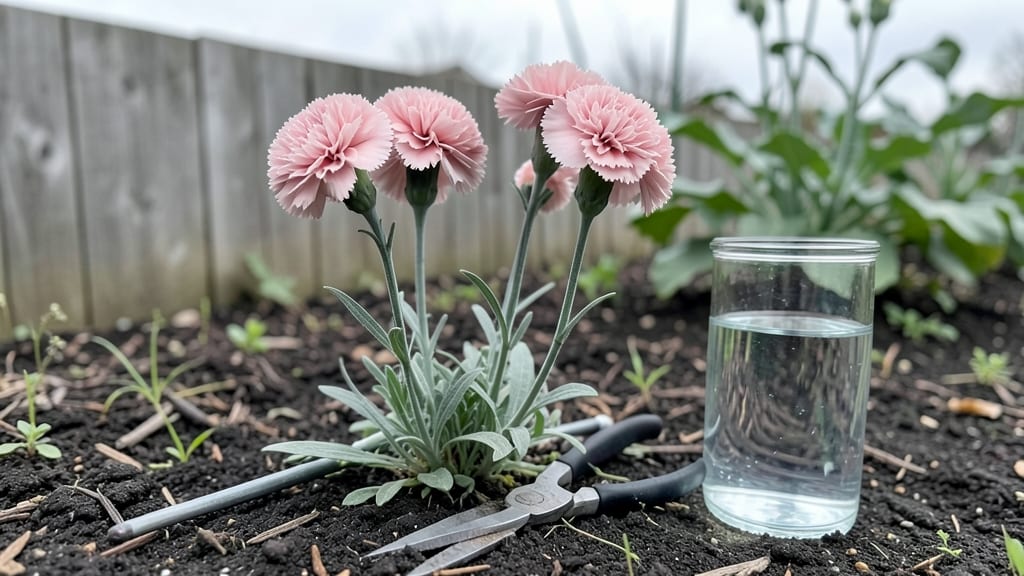
Growing dianthus as cut flowers gives you fragrant stems that last for weeks in vases—something I didn’t realize until I tried forcing extra blooms last summer. The secret lies in the right soil mix, consistent watering, and knowing exactly when to cut stems for maximum vase life.
My first batch lasted 12 days, and now I grow them specifically for bouquets.
You’ll need well-draining soil, full sun for at least six hours daily, and spacing about 12 inches apart to prevent overcrowding. Start with healthy plants or seeds, then focus on deadheading spent blooms to encourage more flowers.
The key is balancing water—too much causes root rot, but too little makes stems woody and short-lived.
By late summer, you’ll harvest clusters of fragrant pink, red, or white blooms that hold their color and scent for over a week. The stems stay fresh longer if you cut them early morning and change the water every two days.
My neighbor’s bouquets always get compliments—now it’s your turn to grow stems that rival the florist’s.
This method works best in zones 5-9, but container growing extends the range. Just watch for slugs and aphids—they love tender dianthus leaves. With proper care, one plant can provide cut flowers for months, making it a cost-effective way to fill vases with garden-grown beauty.
📚 In This Guide
- What you need
- Instructions
- Tips and common mistakes
- Wrapping up and next steps
What you need
- ● Fresh dianthus stems: Quantity: 10–20 stems (adjust based on bouquet size or vase capacity).
- ● Specs: Look for Dianthus barbatus (Sweet William) or Dianthus caryophyllus (Carnation-like varieties) with 1–2 inches of stem exposed below the foliage.
- ● Condition: Firm stems, vibrant petals, and a fragrant aroma when crushed.
- ● Clean, sharp floral shears or scissors: 🔪 Specs: Bypass pruners (for thicker stems) or small, sterilized scissors (for precision cuts).
- ● Quantity: 1 pair.
- ● Vase or container: Specs: Glass or ceramic vase (10–12 inches tall for standard bouquets) or a mason jar for rustic looks.
- ● Capacity: Should hold 2–3 times the volume of your stems (e.g., 10 stems = 30-inch vase).
- ● Floral preservative: 💧 Specs: Commercial floral food (e.g., Chrysal Clear or FTD) or DIY mix (1 tsp sugar + 1 tsp bleach per quart of water).
- ● Quantity: Enough to fill the vase halfway.
- ● Bucket of water: Specs: Clean, room-temperature water (lukewarm is ideal).
- ● Quantity: Large enough to submerge stems 1–2 inches while trimming.
- ● Floral foam: For arrangements with heavy stems (e.g., Oasis floral foam in a bucket or block).
- ● Decorative filler: Gravel, pebbles, or greenery (e.g., eucalyptus, ferns) to add texture.
- ● Ribbon or twine: For wrapping stems or tying bouquets (satin ribbon in pastel colors pairs beautifully!).
- ● Pruning tool cleaner: Alcohol wipes or a vinegar solution to sterilize tools between uses.
- ● Hydrangea or alstroemeria: Pair these flowers with dianthus for longer-lasting bouquets!
Step-by-Step guide to growing dianthus for long-lasting cut flowers
Here’s how to cultivate fragrant, vibrant dianthus stems that stay fresh for weeks in a vase.
Choose the Right Variety and Planting Location
Select a fragrant dianthus variety like ‘Firewitch’ or ‘Sweetheart’ for their strong scent and long stems. Dianthus thrives in full sun, needing at least 6-8 hours of direct sunlight daily. If planting in your garden, choose a spot with well-draining soil—dianthus hates soggy roots. Amend heavy soil with 1-2 inches of coarse sand or perlite to improve drainage before planting.
Space plants 12-18 inches apart to allow airflow, which prevents fungal diseases like powdery mildew. If growing in containers, use pots with drainage holes and fill them with a lightweight potting mix blended with 20% perlite. This ensures excess water drains quickly, keeping roots healthy.
Plant and Establish Healthy Stems
Plant dianthus in early spring after the last frost date in your area. Dig holes slightly larger than the root ball and place each plant so the top of the root ball sits just below soil level. Press the soil gently around the roots to remove air pockets, then water deeply to settle everything in place.
Keep the soil consistently moist but not waterlogged for the first 4-6 weeks after planting. You’ll know it’s right when the top 1 inch of soil feels slightly damp to the touch. Avoid overhead watering—water at the base instead to prevent wetting the leaves, which can lead to disease. Mulch around the base with 1 inch of organic mulch to retain moisture and suppress weeds.
Prune and Encourage Strong Flowering Stems
Once your dianthus plants establish, deadhead spent blooms regularly to encourage continuous flowering. Use clean, sharp pruners to cut back stems to just above a set of healthy leaves. This redirects the plant’s energy into producing new buds rather than seeding. I like to do this in the early morning when stems are firm and less likely to crush.
In late summer, give your dianthus a light trim by cutting back all stems by one-third to rejuvenate growth. This also helps thicken the plant for next year. Avoid heavy pruning in fall—dianthus needs time to harden off before winter. If growing in containers, fertilize lightly with a balanced, water-soluble fertilizer every 4-6 weeks during the growing season to support strong stem development.
Harvest Stems for Long-Lasting Cut Flowers
Harvest dianthus stems in the early morning when they’re fully open but still firm. Use sharp pruners to cut stems at a 45-degree angle about 2 inches below the bloom. This encourages more side shoots to form, giving you even more flowers. Place stems immediately in a bucket of lukewarm water to prevent wilting.
Once home, strip the lower leaves from the stems—these will sit underwater and rot. Trim the stems again under water to 6-8 inches to improve water uptake. Change the vase water every 2-3 days and recut the stems at an angle to keep them fresh. With proper care, your dianthus bouquets will last 10-14 days, filling your home with their sweet, clove-like fragrance.
Overwinter and Prepare for Next Season
In fall, reduce watering as temperatures drop, but keep the soil slightly moist. Apply a 2-3 inch layer of mulch around the base of plants to insulate roots from freezing temperatures. Dianthus is hardy in USDA zones 4-9, but in colder regions, protect plants with a light frost cloth during harsh winters. In spring, remove old mulch and fertilize lightly to encourage new growth.
If growing in containers, move pots to a sheltered location before the first frost and reduce watering further. Check soil moisture weekly—overwatering in winter can lead to root rot. Once new growth appears in early spring, resume regular care to ensure a bountiful harvest of fragrant stems for next season.
Tips & tricks for perfect dianthus cut flowers
A few simple strategies will ensure your dianthus stems stay vibrant and fragrant for weeks in your vase.
Sunlight Strategy: The 6-8 hours of full sun mentioned in Step 1 is non-negotiable for strong stems. If your garden gets less sunlight, consider using grow lights for 4-6 hours daily to supplement. I've found that dianthus grown with adequate light produces stems that stay firm for the full 10-14 days in arrangements—without proper light, stems weaken quickly and wilt within days.
Pruning Precision: When deadheading in Step 3, make your cuts just above a set of healthy leaves using clean pruners. The key is to avoid leaving stubs—this prevents water from pooling and causing rot. I always sterilize my pruners with rubbing alcohol between cuts to prevent spreading disease. This attention to detail makes a huge difference in the health of your plants and the quality of your cut flowers.
Water Management: The first 4-6 weeks after planting are critical for establishing healthy roots. Instead of watering on a strict schedule, I check soil moisture by feeling the top inch—it should feel slightly damp but not soggy. Overwatering is the fastest way to kill dianthus, while underwatering causes stress that weakens stems. In containers, I water when the top inch feels dry to the touch, which usually means every 2-3 days depending on weather conditions.
Harvest Timing: Harvesting in early morning when stems are firm but fully open gives you the longest vase life. I've noticed that stems harvested later in the day often wilt faster, even with proper care. After cutting, immediately placing stems in lukewarm water (as mentioned in Step 4) helps them absorb water quickly and prevents wilting. This simple step can extend your bouquets by 2-3 extra days.
Pro Tips for Dianthus Cut Flower
- A few simple strategies will ensure your dianthus stems stay vibrant and fragrant for weeks in your vase.
- Sunlight Strategy: The 6-8 hours of full sun mentioned in Step 1 is non-negotiable for strong stems.
- Pruning Precision: When deadheading in Step 3, make your cuts just above a set of healthy leaves using clean pruners.
Frequently asked questions
How long do dianthus cut flowers last in a vase?
With proper care, dianthus cut flowers typically last 7 to 14 days in a vase! Their longevity depends on fresh cuts, clean water, and a cool spot away from direct sunlight. For extra staying power, trim stems every 2–3 days and change the water every 2–3 days.
Why are my dianthus flowers wilting so fast?
Wilting can happen due to bacterial buildup, air bubbles in the stems, or ethylene gas (from fruits/veggies nearby). To fix it:
- Recut stems at a 45-degree angle under water.
- Use lukewarm water (not cold) to help stems absorb.
- Add a flower food packet or a splash of bleach (1 drop per cup of water) to prevent bacteria.
- Avoid placing near ripening apples, bananas, or onions!
When is the best time to harvest dianthus for cut flowers?
Harvest dianthus when 1–2 buds are just opening—this ensures a longer vase life and vibrant blooms. Early morning is ideal because stems are hydrated and less stressed. Avoid harvesting in hot afternoons or after rain, as this can shorten their lifespan.
Can I mix dianthus with other cut flowers in an arrangement?
Dianthus pairs beautifully with carnations, roses, snapdragons, and eucalyptus. Their sweet fragrance complements many flowers, but avoid pairing with heavily scented lilies or gardenias, as their strong aromas can overpower dianthus. For a balanced look, use 3–5 dianthus stems per arrangement.
What’s the best way to revive drooping dianthus stems?
If your dianthus looks sad, try this quick fix:
- Trim 1 inch off the stems and place them in cool water for 1–2 hours.
- Add a splash of sugar (1 tsp per cup of water) or a flower preservative to boost hydration.
- Remove any wilted leaves below the waterline to prevent rot.
- Place the vase in a shady, draft-free spot overnight.
Pro Tip:
For extra-long-lasting dianthus, store uncut stems in the fridge (wrapped in a damp paper towel) for up to 3 days before arranging. This keeps them crisp and fragrant!
Wrapping up and next steps
Dianthus cut flowers are a fragrant, long-lasting addition to any bouquet or floral arrangement, offering both beauty and charm. With the right care—proper cutting, hydration, and storage—you can enjoy their vibrant colors and sweet scent for weeks!
Whether you're a floral enthusiast or just starting, these tips make it easy to keep your dianthus stems fresh and stunning.
Ready to elevate your floral game? 🌸 Grab a pair of sharp shears, a vase, and some fresh stems—your next masterpiece is just a cut away! Experiment with colors, scents, and arrangements to create bouquets that wow.