
Pruning
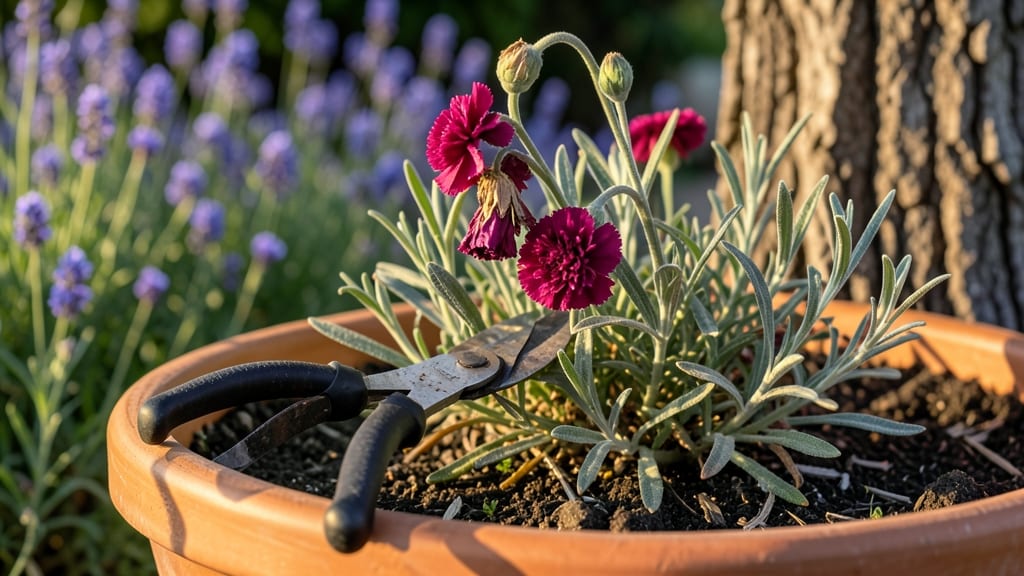
Deadheading dianthus flowers isn’t just about tidying up—it’s the secret to turning one burst of color into months of nonstop blooms. 🌸 I learned this the hard way after my first season of dianthus fizzled out by July, only to discover that a few minutes of precision trimming could have kept them flowering until frost.
The key lies in cutting at the right spot, at the right time, and knowing when to stop before you strip the plant bare.
You’ll need sharp pruners or clean scissors—dull tools crush stems—and a clear morning for the job. Grab a small bucket for spent blooms (compost them if pest-free) and work just after flowers fade but before seed pods form.
This keeps the plant focused on new growth instead of setting seed. Most dianthus respond within days, with fresh buds appearing along the stems where you cut.
The payoff? Instead of a single flush of blooms, you’ll get three to four waves of flowers all season long, with stems packed tighter and colors more vibrant. The plants stay bushier, too, since you’re encouraging lateral branching.
Just avoid cutting into old wood—always leave at least a set of healthy leaves or a small stem stub to prevent dieback.
Here’s the trick for beginners: never remove more than one-third of the plant at once, and skip deadheading if the plant looks stressed (like after a heatwave).
After trimming, give it a light drink of water to help it recover. With this method, my dianthus now outperform store-bought annuals—and they’re far more rewarding to grow.
📚 In This Guide
- What you need
- Instructions
- Tips and common mistakes
- Wrapping up and next steps
What you need
- ● Sharp pruning shears or scissors – Choose bypass pruners (not anvil-type) for clean cuts. Size: 5-7 inches for precision.
- ○ Gloves (optional but recommended) – Protect your hands from thorns or rough stems. Material: Nitrile or leather for durability.
- ● Garden twine or a small bucket – Collect spent blooms to compost or discard. Capacity: At least 1 gallon for moderate pruning.
- ● Disinfectant (70% isopropyl alcohol or bleach solution) – Wipe pruners between cuts to prevent disease spread. Mix: 1 part bleach to 9 parts water.
- ○ Water spray bottle (optional) – Lightly mist foliage after pruning to reduce stress on the plant.
- ● Hand lens or magnifying glass – Helps spot tiny buds or hidden pests on stems.
- ● Pruning saw (for stubborn stems) – Use if stems are thicker than ½ inch.
- ● Garden kneeler with seat – Makes close-up work comfy, especially for low-growing varieties.
- ● Plant markers – Label newly pruned sections if tracking varieties or growth stages.
Step-by-step instructions for deadheading dianthus flowers
Revitalize your dianthus with this simple, foolproof method—your plants will reward you with bold blooms all season.
✂️ Step 1: Wait for the Right Moment
Deadhead dianthus only after the center flower wilts and turns brown. This signals the plant has finished its energy cycle for that bloom. Cutting too early removes buds that haven't opened yet, while waiting too long lets seeds form, draining the plant's strength.
I always check in the morning when blooms are fully open. Use your thumb and forefinger to gently pinch the faded flower between them—if it crumbles easily, it's ready. This method prevents accidental cuts to healthy buds.
✂️ Step 2: Use the Right Cutting Technique
Grab your clean, sharp pruners and make a 45-degree cut just above a set of healthy leaves or a side bud. This angled cut prevents water from pooling on the stem, which can rot the plant. Never cut too close to the base—leave at least ½ inch of stem to avoid damaging the plant.
For clusters, snip the entire stem at the base where it meets the main plant. This encourages bushier growth. I always run my fingers along the stem first to feel for any hidden buds—sometimes they're hiding where you'd least expect them.
✂️ Step 3: Remove Only the Spent Blooms
Focus solely on the wilted flowers—never trim healthy growth. Look for the small green buds forming at the base of each stem; these are your plant's promise of future blooms. Cutting them off removes the plant's potential for new flowers.
I like to work in sections, moving from the outer edges inward. This helps me spot any hidden buds I might miss at first glance. After trimming, step back and admire your plant—you'll notice fresh green growth starting to emerge within days.
💧 Step 4: Maintain Aftercare for Continuous Blooms
After deadheading, give your dianthus a light drink of water to help it recover. The plant will redirect energy toward new growth rather than seed production. Watch for new buds forming within 7-10 days—this is your sign the technique worked.
For best results, deadhead every 2-3 days during peak bloom season. I keep a small pair of pruners in my gardening apron so I can snip faded flowers as I walk past. This consistent care keeps dianthus blooming from early summer until frost.
⏰ Step 5: Time Your Final Deadheading for Fall
Stop deadheading by mid-to-late summer to allow some flowers to go to seed. This provides food for beneficial insects and ensures next year's blooms. Cut back any remaining stems by ⅓ of their height before the first frost to encourage a tidy, healthy plant for spring.
I always mark my calendar with a reminder—skipping this step can lead to leggy growth or weak stems. A well-timed final trim sets your dianthus up for a strong start next season.
Tips & tricks for perfect dianthus deadheading
A few simple tricks will help you extend your dianthus blooming season and keep your plants looking their best all summer long.
The Right Time of Day: Always deadhead in the morning when blooms are fully open and dew has evaporated. This gives you the clearest view of the flower's condition and prevents water from dripping onto fresh cuts. I've found that morning light also makes it easier to spot hidden buds you might miss later in the day.
Tool Selection Matters: While you can pinch flowers by hand, invest in a pair of clean, sharp pruners for larger plants or clusters. Dull blades crush stems, causing damage that invites disease. I keep a small pair in my gardening apron so I'm never without them. For delicate stems, finger pinching works perfectly—just be gentle to avoid tearing.
Visual Cues for Healthy Cuts: When making your 45-degree cut in Step 2, aim to leave a small white ring of stem tissue where the flower attached. This indicates you've cut just above a leaf node or bud. If you see green tissue, you've cut too low—trim again carefully. The angled cut also creates a larger surface area for water evaporation, preventing rot.
Seasonal Deadheading Strategy: During peak bloom season, I set a reminder to deadhead every 2-3 days—this consistent care prevents the plant from wasting energy on seed production. In late summer, I switch to a weekly inspection instead, removing only the most spent blooms to encourage seed formation for next year's flowers.
Pro Tips for Deadhead Dianthus Flowers
- A few simple tricks will help you extend your dianthus blooming season and keep your plants looking their best all summer long.
- The Right Time of Day: Always deadhead in the morning when blooms are fully open and dew has evaporated.
- Tool Selection Matters: While you can pinch flowers by hand, invest in a pair of clean, sharp pruners for larger plants or clusters.
Frequently asked questions
Got questions about deadheading dianthus? You’re not alone! Here are answers to the most common concerns—so you can keep your flowers thriving with confidence.
When is the best time of day to deadhead dianthus?
The ideal time is early morning when the flowers are fully open but still damp with dew. This reduces stress on the plant and minimizes the risk of disease. Avoid deadheading in the heat of the day or after heavy rain, as wet stems can invite fungal issues.
How often should I deadhead dianthus for continuous blooms?
Deadhead regularly—ideally every 2–3 days during peak bloom season (spring to early fall). For prolific varieties like Dianthus barbatus, aim to remove spent blooms within 24 hours of wilting. Consistency is key to encouraging new flowers!
What if I accidentally cut too much of the stem?
Don’t panic! Dianthus is forgiving. If you snip too close to the base, simply leave the remaining healthy stem—it’ll still produce new growth. Just avoid cutting into leaf nodes (the small bumps where leaves grow). For severe over-trimming, reduce watering slightly to help the plant recover.
Can I skip deadheading if the flowers are already fading?
Yes, but expect fewer blooms and potential seed pods (which divert energy from new flowers). Deadheading redirects the plant’s resources to lush, vibrant blooms instead. If you’re okay with a more natural look, just remove only the most unsightly spent blooms.
What should I do if my dianthus looks stressed after deadheading?
Stress is normal post-pruning! Water deeply the day after to help recovery, and avoid fertilizing for 1–2 weeks. If leaves yellow or wilt excessively, check for pests (like aphids) or overwatering. Most plants bounce back in 5–7 days with proper care.
Pro Tip:
Use clean, sharp pruners (or even your fingers for small blooms) to avoid crushing stems. A quick dip in rubbing alcohol between cuts prevents bacterial spread—your dianthus will thank you with bold, long-lasting blooms!
Wrapping up and next steps
Deadheading dianthus flowers is a simple yet powerful way to keep your garden vibrant and blooming all season long! 🌸 With just a few tools and a little patience, you’ll encourage healthier plants and stunning, continuous flowers.
Now that you’re equipped with the know-how, why not take action this weekend? Grab your pruners, step outside, and give your dianthus a fresh trim—your garden will thank you with a burst of color!