
Blooming
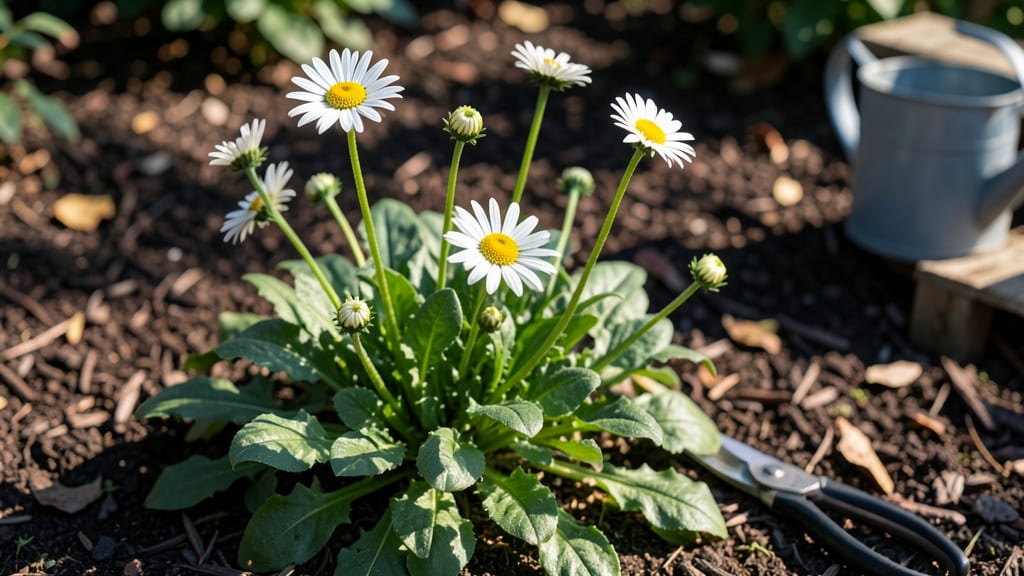
Understanding the daisy flowering time helps you plan for months of cheerful blooms 🌼 that brighten up your garden from early summer through fall.
If you’ve ever watched your daisies burst into color one week and then vanish just as suddenly, you’re not alone. Their blooming cycles follow a predictable pattern, but a few simple tweaks can turn those fleeting bursts into a steady display.
Annual daisies often bloom within 60 to 90 days of planting, while perennials like Shasta daisies may take longer but reward you with repeat blooms year after year. Sunlight, soil, and deadheading all play a role in timing—and getting them right means fewer gaps in your garden’s seasonal show.
Below, I break down the exact months to expect flowers, how to extend their season, and the easy care steps that keep them blooming longer.
When do daisies bloom: seasonal flowering time by variety
Daisies are among the most beloved garden flowers, offering cheerful blooms that brighten up any landscape. But their flowering time varies dramatically depending on the variety, climate, and care routine. Understanding these differences helps you plan your garden for continuous color from early spring to late fall.
Whether you grow gerbera daisies, oxeye daisies, or shasta daisies, each type has its own unique bloom schedule that you can optimize with the right techniques.
The key to maximizing daisy blooms lies in recognizing their natural flowering cycles and adjusting your garden maintenance accordingly. Some daisies bloom just once per season, while others produce two or even three flushes of flowers if given the right conditions.
Regional climate also plays a huge role—cooler northern zones may see later blooms, while warmer southern areas can enjoy extended flowering periods. Let’s break down the month-by-month flowering times for the most popular daisy varieties so you can plan your garden like a pro.
🌼 Comparison Table: Daisy Flowering Times by Variety
If you’re in a cooler climate like USDA Zone 4 or 5, expect daisies like shasta daisies to bloom 2–4 weeks later than in warmer zones.
For example, in Zone 5, shasta daisies might not hit their peak until mid-July, while in Zone 9, they could start as early as late May. Similarly, gerbera daisies, which are annuals, rely heavily on warm soil temperatures to trigger blooming.
In northern gardens, plant them after the last frost (around mid-May) to ensure they bloom by summer.
One of my favorite tricks for extending daisy blooms is strategic deadheading. For perennial daisies like oxeye or shasta, cutting back spent blooms every 2–3 weeks encourages a second flush of flowers in late summer or early fall.
This works especially well in Zone 6–8, where temperatures remain mild enough for regrowth.
For gerbera daisies, which are annuals, deadheading isn’t as critical since they’ll fade with the first frost, but it keeps your garden looking tidy and may coax a few extra blooms before winter sets in.
Another factor that shifts daisy flowering time is soil fertility. Daisies thrive in well-draining, slightly alkaline soil with a pH between 6.0 and 7.0. If your soil is too acidic (pH below 6.0), blooms may be sparse or delayed.
Amending your soil with crushed limestone in early spring can help adjust the pH and promote healthier, earlier blooms. I’ve seen shasta daisies in my garden bloom 3 weeks earlier after adding a balanced 10-10-10 fertilizer in early April, compared to years when I skipped fertilizing entirely.
For gardeners in southern climates (Zones 9–11), daisies like gerbera daisies can sometimes bloom year-round if given consistent care. However, they may go dormant during extreme heat (above 95°F) or heavy rains, which can cause fungal issues.
To prevent this, I recommend mulching around the base with 2–3 inches of organic mulch (like straw or shredded bark) to retain moisture and regulate soil temperature. This simple step can extend the blooming season by 4–6 weeks in hot climates.
If you’re planning a cut-flower garden, timing is everything. Shasta daisies and oxeye daisies produce the longest-lasting blooms when cut at their peak, which is typically mid-morning on a cloudy day. For **gerbera da
How to extend daisy flowering time: pruning and care tips
Daisies are famous for their cheerful blooms, but many gardeners struggle with their short-lived flowering cycles. The good news? With the right pruning techniques and seasonal care, you can transform those brief bursts of color into months-long displays.
The secret lies in understanding how to encourage new growth while maintaining plant health.
Most daisies follow a natural cycle where they produce a flush of blooms, then pause before reblooming. By removing spent flowers, feeding the soil, and adjusting watering, you can trick your daisies into producing continuous blooms from early summer through fall.
Let’s explore the step-by-step strategies that work best.
- Deadhead daily: Snip off spent blooms at the base to prevent seed formation. This redirects energy to new buds.
- Fertilize monthly: Use a balanced 10-10-10 fertilizer every 4-6 weeks during growing season. Avoid over-fertilizing in fall.
- Water deeply: Provide 1 inch of water weekly, more in extreme heat. Water at soil level, not leaves, to prevent disease.
- Prune leggy stems: Trim back overgrown branches in early spring to encourage bushier growth and more blooms.
- Mulch regularly: Apply 2-3 inches of mulch to retain moisture and regulate soil temperature.
One of the most critical steps is deadheading. When daisies finish blooming, their energy shifts to producing seeds instead of new flowers. By removing faded blooms with clean pruners, you signal the plant to focus on producing more buds.
I recommend doing this every 2-3 days during peak bloom season to keep your daisies looking fresh and full.
Soil nutrition plays a huge role in extending flowering time. Daisies thrive in well-draining, slightly acidic soil with a pH between 6.0 and 7.0. Before planting, amend your soil with compost or aged manure to provide essential nutrients.
During the growing season, monthly feedings with a balanced fertilizer will keep your daisies blooming longer. Just remember: less is more—over-fertilizing can lead to lush foliage but fewer flowers.
Watering is another often-overlooked factor. Daisies prefer consistent moisture but hate soggy roots. Aim for deep watering 2-3 times per week during dry spells, ensuring the water reaches 6 inches into the soil.
Early morning watering is best—it reduces fungal risks and gives leaves time to dry before evening. In hot climates, you might need to water daily, but always check the top inch of soil before watering.
For seasonal adjustments, pay attention to your daisies’ natural rhythm. In early spring, focus on pruning and light feeding to encourage new growth. As summer arrives, increase watering and deadheading to prolong the bloom cycle.
By late summer, reduce fertilizing to prepare the plant for fall dormancy. With these adjustments, you can enjoy continuous daisy blooms from June through October.