
Blooming
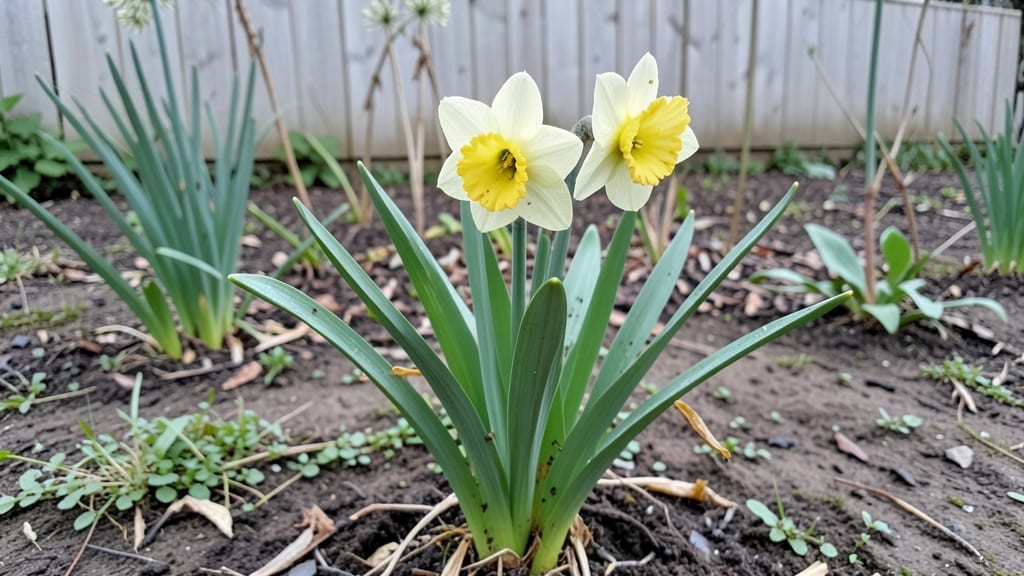
Daffodils bloom in late winter to early spring 🌼, turning your garden into a cheerful splash of color—but getting them to flower on time takes the right timing.
Waking up to a vibrant burst of yellow and white in your garden is a springtime dream—but timing is everything. Planting daffodils at the wrong time can leave you waiting months for those cheerful blooms, or worse, never seeing them at all.
If you live in USDA Zone 6, early bloomers like 'Ice Follies' may peek through the soil by March, while late varieties like 'Geranium' won’t show up until May.
The key? Planting bulbs in fall, when soil temps drop below 60°F, gives them the head start they need.
Below, I’ll break down the exact planting windows, how climate affects bloom time, and the simple tricks to make sure your daffodils burst into color right when you want them to.
Understanding daffodil flowering time by variety and climate Zones
Daffodils are nature's springtime messengers, announcing warmer days with their bright blooms—but not all varieties bloom at the same time. Early bloomers like 'Ice Follies' might greet you in late winter, while late-season types like 'Geranium' extend the show into May.
Understanding these differences helps you create a continuous color display from February through June.
Your USDA hardiness zone plays a critical role in bloom timing. In Zone 3-5, daffodils often push through snow for March blooms, while Zone 7-9 gardeners may see flowers as early as January or as late as April.
Even within the same zone, microclimates—like sunny south-facing slopes—can shift bloom times by weeks.
Here's how to match variety selection with your climate for perfect timing:
The 'Ice Follies' daffodil is my personal favorite for early color. In Zone 6, I've seen its white blooms emerge when snow still clings to the lawn edges. This dwarf variety reaches just 12-16 inches tall, making it perfect for rock gardens or container displays where space is limited.
For gardeners in warmer climates (Zones 8-10), timing shifts dramatically. My friend in Southern California plants 'Tête-à-Tête' in November and enjoys blooms by January—months earlier than northern gardeners. The key is planting when soil temperatures drop to 60°F but before the first frost.
Late-season varieties like 'Geranium' reward patience with dramatic orange-red blooms that appear when most spring flowers have faded. These tall daffodils (18-24 inches) work beautifully as cut flowers or backdrop plants. In Zone 5, I plant them alongside tulips to create a sequential bloom display from April through May.
Climate affects more than just timing—it influences bloom duration too. In cooler zones (3-5), daffodils often bloom for 2-3 weeks, while warmer zones (7-10) may see 4-6 weeks of color. The temperature fluctuations of spring trigger flowering, so consistent warmth extends the show.
To create a staggered bloom effect, I recommend planting three varieties with 2-week intervals between planting dates. For example:
- Plant 'Ice Follies' in early October (Zone 6)
- Add 'Carlton' in mid-October
- Finish with 'Geranium' in late October
One common mistake is assuming all daffodils bloom in March. In reality, early varieties can appear as soon as February, while late types may not bloom until May. I've had 'Thalia' daffodils surprise me with blooms in mid-March in Zone 6, while 'Geranium' waited until late April
Timing your daffodil planting is the secret to bright spring blooms that arrive right on schedule. These hardy bulbs need a 6-8 week chill period in the ground before they'll burst into color. Plant too early, and they might sprout before winter; too late, and you'll miss the ideal fall planting window when soil temps drop below 60°F (15°C). The key is understanding your USDA hardiness zone and adjusting for your local first frost date. Most gardeners plant daffodils in fall (September-November), but the exact timing varies by region. In Northern states (Zones 3-5), aim for planting 6 weeks before ground freeze, while Southern gardeners (Zones 6-8) can plant as late as December. Spring planting is possible in mild climates, but it requires chilling bulbs in the fridge for 12-16 weeks first. Let's break down the perfect planting schedule for your zone. 🌱 "Patience is key—your daffodils are already growing roots, even if you don’t see them!" For gardeners in warmer climates (Zones 9-10), timing shifts dramatically. Plant daffodils in December-January to avoid summer heat stress, which can cause bulbs to sprout prematurely. If you're unsure about your last frost date, check your local USDA zone map or use a frost calendar for precise guidance. Pro tip: Plant early varieties first to ensure they get the longest chill period. One common mistake is planting daffodils too deep or in heavy clay soil, which can rot bulbs before they bloom. Always amend soil with compost or sand for better drainage. If you're in a drought-prone area, group daffodils with other low-water plants like lavender or sedum to conserve moisture. Remember, well-drained soil is non-negotiable for happy daffodils! After planting, mark your location with garden flags or a simple sketch—daffodil foliage can look like weeds in early spring! Once blooms appear, enjoy the show, but don’t cut back leaves until they turn yellow. This ensures the bulb stores energy for next year’s vibrant display. With the right timing, your daffodils will reward you with weeks of cheerful color every spring.Step-by-step guide: when to plant daffodils for perfect timing
🌼 Step-by-Step Daffodil Planting Timeline
Wait until soil temps drop below 60°F (15°C)—use a soil thermometer for accuracy. In most regions, this happens in late September to early November.
Soak bulbs in lukewarm water for 1-2 hours to encourage root growth. Discard any soft or moldy bulbs—they won’t thrive.
Plant bulbs 6-8 inches deep (2x their height) in well-draining soil. Use a trowel or bulb planter for precision.
Space bulbs 4-6 inches apart to prevent overcrowding. Dwarf varieties can be planted 3 inches apart for a dense display.
Apply 2-3 inches of mulch (straw or shredded leaves) after planting to insulate bulbs and retain moisture.
Plant early-blooming varieties (like 'Ice Follies') first, followed by mid-season and late-season types for a prolonged display.
Water deeply after planting, then reduce watering until spring. Bulbs need minimal moisture during dormancy.