
Blooming
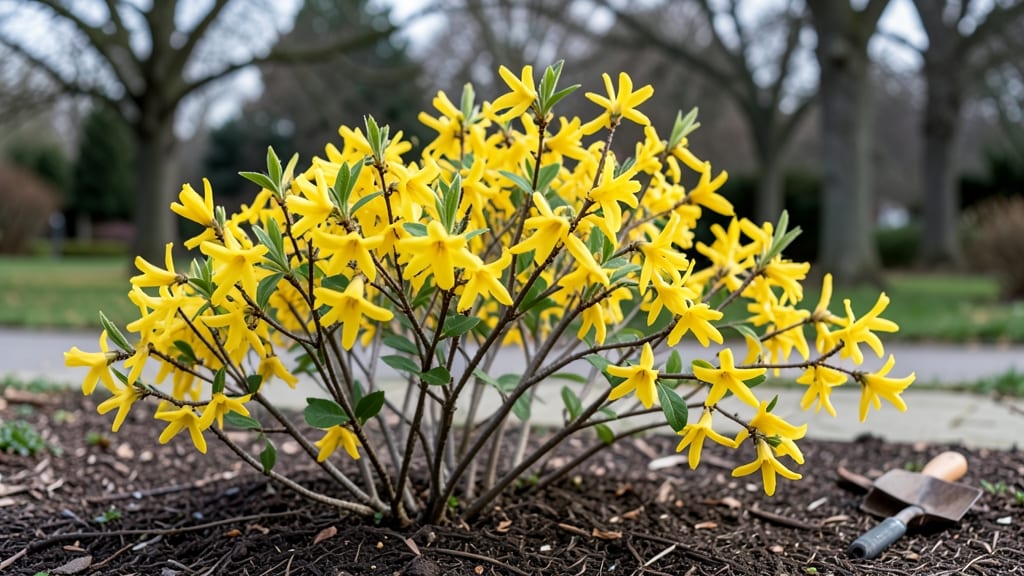
The forsythia flowering time is what turns a sleepy winter garden into a burst of golden cheer—but timing it right can feel like guessing.
If you’ve ever watched your 🌸 forsythia bloom earlier one year and lag behind the next, you’re not alone. This shrub is famously unpredictable, yet its schedule follows a few key rules—climate, variety, and even last year’s care all play a role.
In USDA Zone 6a, most forsythias light up in early spring, but a late frost or a hungry deer can throw off the whole show.
Here’s the good news: with a little preparation, you can predict when your shrub will bloom, adjust pruning and fertilizing for peak performance, and even choose varieties that fit your local timeline.
Whether you’re chasing that first burst of yellow or just want to avoid trimming off next year’s flowers, knowing the right moves makes all the difference.
Below, I’ll break down the science behind forsythia’s flowering window, how to read your shrub’s signals, and the simple tweaks that keep it blooming reliably year after year.
When forsythia blooms: seasonal timeline by US hardiness zones
Forsythia’s bright yellow blooms are nature’s first splash of color, but their exact timing varies dramatically across the U.S. Whether you’re in Zone 3’s harsh winters or Zone 9’s mild springs, knowing your local window helps you plan pruning, fertilizing, and even companion planting. Cold climates trigger earlier blooms, while warmer zones may see staggered or delayed flowering—sometimes by weeks!
Understanding these patterns isn’t just about admiring the flowers—it’s about maximizing your shrub’s health. Prune too early, and you’ll cut off next year’s buds. Time it wrong, and you might miss the 2-3 week window when forsythia is most vibrant.
Let’s break down what to expect in your neck of the woods, plus how to adjust care for northern vs. southern growing conditions.
Key factors affecting bloom time include:
- USDA Hardiness Zone (3–9)
- Last frost date in your area
- Variety-specific traits (some bloom 2+ weeks earlier)
- Winter chill hours (critical for bud formation)
Here’s your zone-by-zone guide to forsythia flowering, including regional quirks like Pacific Northwest delays or Southeast early starts. Use this as your calendar for pruning after blooms fade (never before!) and scheduling spring cleanups.
🌱
Notice how Zone 9 forsythias often bloom in February—sometimes even before daffodils! This is because they need chill hours (300–600 hours below 45°F) to set buds. If your winters are too warm, your shrub might skip flowering entirely.
In contrast, Zone 3 gardeners should expect blooms to wait until after May 1, as late frosts can damage early flowers.
For northern climates, timing is everything. Prune too early, and you’ll remove next year’s buds (which form in late summer). Wait too long, and you’ll miss the 3–4 week window when forsythia is at peak beauty.
In southern zones, the challenge is different: heat waves can stress blooms, while humidity may encourage fungal issues. Adjust your care accordingly!
Pro tip: In Zone 7–8, if your forsythia blooms in February, it’s often a sign of an early-winter chill period. Note the date and use it to predict next year’s schedule.
Conversely, if blooms arrive in April, your shrub may need more winter chill—consider a cool-season mulch to protect roots.
Regional quirks matter too. In the Pacific Northwest, cooler springs can delay blooms by 2–3 weeks compared to inland Zone 7 areas. Meanwhile, the Southeast often sees forsythia blooming alongside camellias or azaleas, creating a stunning layered effect. Plan companion plants accordingly!
To encourage earlier blooms in cooler zones, apply a balanced fertilizer (10-10-10) in early spring as buds swell. In warmer zones, focus on deep watering during bud formation to prevent heat stress. And remember: Never prune before blooms fade—this shrub sets next year’s flowers on this year’s growth!
🌿
How to predict your forsythia’s exact flowering time this year
Predicting your forsythia’s flowering time isn’t just about guessing—it’s a science! While these shrubs typically bloom in early spring (March-April), exact timing varies by climate, variety, and care. By tracking key signals, you can forecast when your shrub will burst into golden-yellow glory weeks in advance.
The secret lies in observing bud formation and understanding your local last frost date. Most forsythias begin forming buds 2-3 weeks before flowering, giving you a clear heads-up.
Pair this with your region’s frost-free date calculator, and you’ll have a precise timeline for pruning, fertilizing, or simply admiring the show.
-
1. Track Last Year’s Bloom Dates
Record the start and end dates of your forsythia’s flowers. Most varieties bloom within 7-10 days of their usual window each year. -
2. Monitor Bud Formation
Check for swollen buds (green or red) in late winter. They’ll appear 2-3 weeks before blooms—your first sign! -
3. Use Frost-Free Date Calculators
Input your USDA zone and last frost date (e.g., April 15 for Zone 6a). Forsythias bloom 10-14 days after the last frost. -
4. Adjust for Variety Traits
‘Spectabilis’ blooms earliest (late March), while ‘Northern Gold’ may wait until mid-April. Check your shrub’s tag!
Start by marking your calendar with last year’s bloom dates. If your forsythia bloomed from March 20 to April 2 last year, expect a similar window this spring—unless you’ve moved to a warmer zone or made care changes.
For example, adding compost in fall can shift blooms 1-2 weeks earlier.
Next, watch for bud swell in late winter. These pea-sized bumps appear on stems and signal imminent blooms. In Zone 6a, I’ve seen buds form by mid-February, with flowers arriving by late March. Use a magnifying glass if buds are hard to spot on dense growth.
For a data-driven approach, plug your zip code into the National Gardening Association’s frost calculator. This tool reveals your average last frost date, which aligns closely with forsythia’s bloom window. Add 10-14 days to this date for your predicted peak flowering—just in time for spring photos!
Pro tip: Prune after blooming (May-June) to avoid cutting next year’s buds. If you prune too early, you might sacrifice 30-50% of flowers. Timing is everything with forsythias—just like knowing when to fertilize in early spring for vibrant blooms!