Pruning
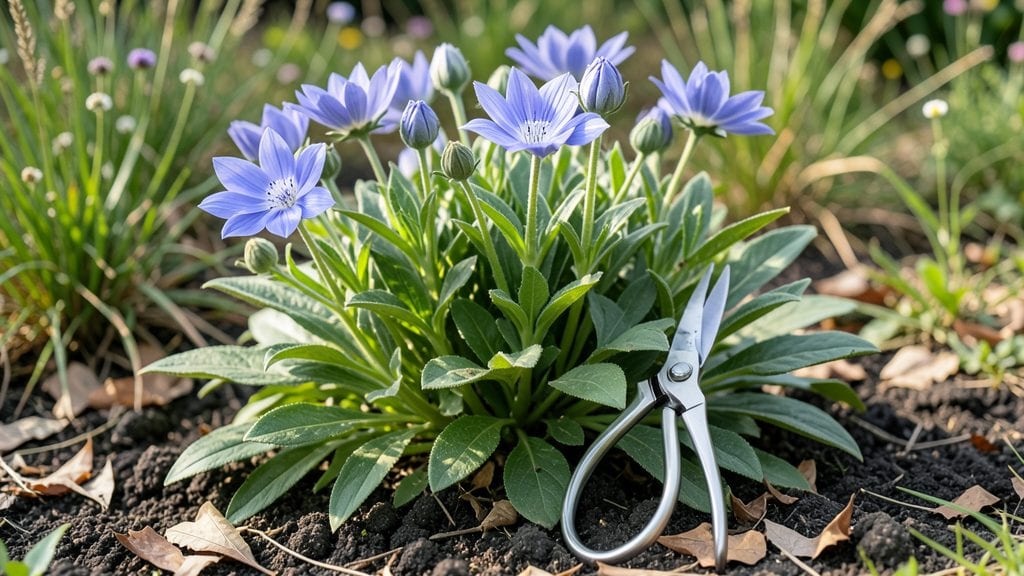
Pruning balloon flowers unlocks a cascade of blue-purple blooms that lasts all summer. 🌸 I learned the hard way that skipping this step means fewer flowers and leggy stems—until I discovered the 3 simple cuts that transform these plants into nonstop bloomers.
The key isn’t complexity but timing and technique, and once you master it, your plants will reward you with weeks of vibrant color.
You’ll need just three tools: sharp pruners, gloves (to protect from thorns), and a bucket for spent blooms. The best time to prune is right after each flush of flowers fades—usually every 4-6 weeks—and always in the morning when stems are crisp.
This encourages fresh growth and prevents the plant from wasting energy on seed production, which is exactly what you want for a lush, long-blooming display.
After each cut, new buds form within 10-14 days, and your plant will stay compact and bushy instead of sprawling. The secret is cutting just above a leaf node—never too close to the base—and removing only the faded blooms or leggy stems.
It’s a foolproof method that even my black thumb can’t mess up.
Works for both container plants and garden beds, and the same technique applies whether you’re growing the classic blue varieties or the newer pink or white cultivars. Let’s get those blooms going strong all season!
📚 In This Guide
- What you need
- Instructions
- Tips and common mistakes
- Wrapping up and next steps
What you need
- ● Pruning shears: Bypass pruners (sharp, clean, and sterilized) – 1 pair (avoid dull tools to prevent crushing stems).
- ○ Hand pruners: Small, ergonomic (for delicate cuts) – 1 pair (optional but helpful for tight spaces).
- ● Garden gloves: Cut-resistant, breathable (e.g., nitrile-coated) – 1 pair (protects hands from thorns or sap).
- ● Disinfectant: Rubbing alcohol (70%+) or hydrogen peroxide (3%) – small bottle (sterilizes tools between cuts).
- ● Trash bag or bucket: For debris – 1 medium-sized (keeps workspace tidy).
- ○ Water spray bottle: Optional but handy – 1 small (dusts off pollen or cleans tools mid-prune).
- ● Garden twine or labels: For marking pruned stems if you’re training the plant (e.g., staking).
- ● Compost bin: To recycle healthy pruned stems (rich in nutrients!).
- ● Safety glasses: If your garden is near dusty or windy areas.
- ● Knee pad: For comfort during long pruning sessions.
How to prune balloon flowers for a long-lasting display
Balloon flowers thrive when you prune them strategically—just three clean cuts keep them blooming all season.
✂️ Step 1: Deadhead Spent Blooms Immediately
As soon as a flower fades and the seed pod begins to swell (that’s your balloon!), snip the stem ½ inch above the next set of leaves using clean, sharp pruners. I always check my plants weekly—if I wait until the pods turn brown, the plant shifts energy to seed production instead of new blooms.
This cut encourages the plant to redirect its energy toward side shoots, which means more flowers. Just avoid cutting into the green growth below—you’ll see where the leaves start, and that’s your guide. The goal is to remove only the dead bloom, not the growing point.
✂️ Step 2: Trim Leggy Stems Mid-Season
By early summer, some stems will stretch tall and thin, producing fewer flowers. When you spot a stem that’s more than 12 inches taller than the rest and has only a few blooms, cut it back to 6 inches above the ground. This might seem drastic, but balloon flowers bounce back fast.
Here’s the thing—these leggy stems often grow from the center of the plant. I like to make this cut on a cloudy day, so the plant isn’t shocked by sudden sunlight. Within two weeks, you’ll see bushier growth and a fresh flush of blooms from the base.
✂️ Step 3: Lightly Shape the Plant in Late Summer
In late August, give your balloon flowers a final shape-up by trimming any stems that look crowded or overgrown. Cut back one-third of the longest stems to 4-6 inches tall, focusing on the outermost growth first. This opens up airflow, which prevents fungal diseases like powdery mildew.
Don’t overdo it—balloon flowers need time to harden off before frost. If you prune too aggressively now, you might stunt next year’s blooms. I always leave at least three healthy stems per plant—these will store energy for spring regrowth.
⏰ Step 4: Clean Up After Frost (Optional but Helpful)
Once temperatures drop below 32°F and the foliage turns brown, you can cut the entire plant back to 2 inches above the ground. This isn’t mandatory, but it tidies up the garden and reduces overwintering pests. I save the cuttings in a brown paper bag until spring to compost.
If you’re in a mild climate, leave the dead stems until late winter—they provide winter interest and protect emerging shoots. Just avoid cutting into frozen ground, or you’ll damage next year’s growth. A light dusting of mulch after pruning keeps the roots cozy until spring.
Tips & tricks for perfect balloon flower pruning
These simple strategies will help you keep your balloon flowers blooming beautifully all season with minimal effort.
Tool Prep Matters: Before you start pruning, always sterilize your pruners with rubbing alcohol or a 10% bleach solution. I do this between plants to prevent spreading diseases like powdery mildew. Sharp pruners make clean cuts that heal faster—dull blades crush stems and invite infection. A quick wipe-down after each use keeps your tools ready for next time.
Timing Secret: In Step 1, don't wait for the seed pods to fully swell before deadheading. The moment you notice that first little balloon forming, snip it off. I check my plants every 3-4 days during peak bloom—this prevents energy from going to seed production and keeps flowers coming. The key is to remove the entire faded bloom, not just the pod.
Visual Cue for Leggy Stems: When identifying stems to trim in Step 2, look for ones that are noticeably taller than their neighbors with sparse foliage. These leggy stems often grow from the center of the plant. I like to make this cut on cloudy mornings when sunlight won't stress the plant. Within 10-14 days, you'll see new growth emerging from the base.
Late Season Strategy: In Step 3, focus on removing only the outermost stems first. This creates better airflow through the center of the plant, which prevents fungal issues. I always leave at least three healthy stems—these will store energy for next year's blooms. If you're in a colder climate, avoid heavy pruning after early September to allow the plant to harden off properly.
Pro Tips for Prune Balloon Flowers
- These simple strategies will help you keep your balloon flowers blooming beautifully all season with minimal effort.
- Tool Prep Matters: Before you start pruning, always sterilize your pruners with rubbing alcohol or a 10% bleach solution.
- Timing Secret: In Step 1, don't wait for the seed pods to fully swell before deadheading.
Frequently asked questions
When is the best time to prune balloon flowers?
Prune Platycodon grandiflorus (balloon flowers) in early spring (just as new growth emerges) or after blooming (late summer/early fall). Avoid pruning in winter—the plant is dormant, and cuts may not heal properly. Light trimming to shape can happen anytime, but major pruning should align with the plant’s natural growth cycle.
How much should I cut back balloon flowers?
For rejuvenation pruning, cut back one-third to half of the plant’s height in early spring. If the plant is leggy or overgrown, you can trim it down to 6–8 inches above the ground. For deadheading, simply snip off faded blooms at the base of the flower stalk to encourage more blooms.
Can I prune balloon flowers too much?
Yes! Over-pruning—especially cutting more than half the plant or trimming too late in the season—can stress the plant, reducing next year’s blooms. Balloon flowers are hardy but prefer moderate pruning. If you accidentally overdo it, don’t worry—these perennials bounce back with proper care and time.
What should I do if my balloon flowers don’t bloom after pruning?
If your plant skips blooming, check these fixes:
Too much shade? Balloon flowers need full sun (6+ hours/day).
Over-fertilized? Too much nitrogen = leafy growth, fewer flowers. Use a balanced fertilizer (10-10-10) instead.
Pruned at the wrong time? Avoid heavy cuts in fall or winter.
Stressed roots? Ensure well-draining soil and water deeply but infrequently.
Give it a year—sometimes blooms take time to rebound!Are there alternatives to balloon flowers for low-maintenance blooms?
If balloon flowers seem high-maintenance, try these easy-care perennials with similar charm:
Plant
Pruning Needs
Bloom Time
Coneflower (Echinacea)
Deadhead spent blooms; cut back in late winter.
Summer to fall
Black-Eyed Susan (Rudbeckia)
Minimal pruning; trim back in spring.
Summer to frost
Catmint (Nepeta)
Shear lightly after blooming; no harsh cuts.
Spring to summer
Wrapping up and next steps
Pruning your Balloon Flowers (Platycodon) doesn’t have to be intimidating—just follow those three simple cuts to keep them thriving and blooming beautifully all season! With the right timing, tools, and technique, you’ll encourage healthier growth, more vibrant flowers, and a garden that stays lively from spring to fall. 🌸
Now that you’re armed with the know-how, grab your pruners and give your Balloon Flowers the care they deserve. Watch them reward you with stunning blooms year after year—your green thumb is about to shine! 🌿✨
Ready for more? Explore our guide on fertilizing for peak blooms next!