
Shrubs
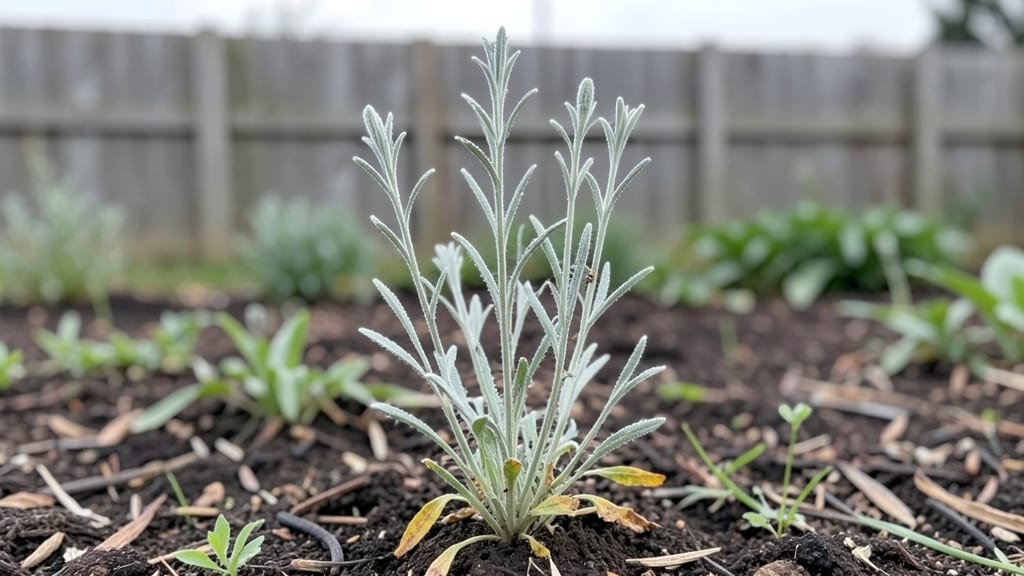
Cornflowers before flowering are the unsung heroes of early-season gardens, offering silvery-blue-green foliage that creates a soft, airy backdrop long before their famous blooms arrive. 🌿 I planted mine last spring in a sunny border, and by late May, their slender stems reached 2 feet tall, forming a misty haze that made my garden feel like a storybook scene.
The contrast with deep purple clematis and golden yarrow was stunning—like someone had sprinkled fairy dust across the beds.
These plants thrive in poor soil, making them perfect for filling gaps where other annuals struggle. You’ll get the best results by sowing seeds directly in the garden after the last frost, about ¼ inch deep and 12 inches apart.
They self-seed like crazy, so once established, they’ll keep coming back for years without any fuss. The key is patience—they’ll reward you with those iconic blue blooms in just 30 days, but the foliage alone makes them worth growing.
Use them to soften edges, create texture in cottage gardens, or add height to wildflower meadows. They pair beautifully with lavender, catmint, and even early roses, offering a cool contrast to warmer-colored plants.
The best part? You can cut the stems for dried arrangements—they’ll hold their color for months. Here’s how to make the most of their early-season magic.
Fair warning: if you don’t deadhead the spent blooms, you’ll end up with a sea of cornflowers next year. But honestly, that’s not a bad problem to have. These plants are the ultimate low-maintenance, high-impact workhorses for any garden design. Let’s get them growing!
📚 In This Guide
- What you need
- Instructions
- Tips and common mistakes
- Wrapping up and next steps
What you need
- ● Cornflower seeds: 1–2 packets (50–100 seeds per packet) of Centaurea cyanus (annual variety for quick blooms).
- ● Choose heirloom or open-pollinated seeds for best results.
- ● Well-draining potting mix: 1–2 bags (5–10 gallons) of seed-starting mix (sterile, peat-based or coco coir blend).
- ○ Optional: Add perlite or vermiculite (1 part per 4 parts soil) for extra aeration.
- ● Containers or garden bed: For seedlings: 4–6 biodegradable pots (2–3 inches deep) or a seed tray with cells.
- ● For direct sowing: A sunny garden spot with loose, 60°F+ soil.
- ● Planting tools: Small hand trowel or seedling dibber.
- ● Spray bottle (for gentle watering).
- ○ Growth aids (optional but helpful): Grow lights (LED full-spectrum, 12–16 hours/day for indoor starts).
- ● Plant labels (to track varieties).
- ● Organic fertilizer (5-10-5 NPK or compost tea for seedlings).
- ● Safety gear: Gloves (to protect hands from soil).
- ● Knee pad (for comfort during planting).
- ● Climate & timing: Plant seeds 4–6 weeks before your last frost date (indoors) or directly in spring or early summer (after soil warms to 60°F+).
- ● Avoid planting in hot, dry climates—cornflowers thrive in cool to moderate temperatures (50–75°F).
- ● Sunlight: Full sun (6+ hours/day) is a must for vibrant blooms.
- ● Watering routine: Keep soil consistently moist but not soggy (especially for seedlings).
How to grow lush cornflower stems before first blooms
Watch those vibrant blue clouds emerge in just 30 days with these simple steps!
🌱 Step 1: Choose the Perfect Planting Time and Location
Cornflowers thrive when planted 3-4 weeks before your last frost date—they’re cold-hardy and even tolerate light frosts. I always plant mine in full sun (at least 6-8 hours daily), though they’ll tolerate partial shade if you’re in a hotter climate. The key is well-draining soil—they hate soggy roots.
If you’re starting from seed, sow directly in the garden—cornflowers don’t transplant well. Scatter seeds ¼ inch deep and 12 inches apart in rows 18 inches apart for that classic blue meadow look. Lightly cover with soil and pat down. You’ll see those first feathery leaves in just 7-10 days—that’s your signal everything’s working!
💧 Step 2: Water Deeply but Sparingly
Here’s the thing—cornflowers are drought-tolerant once established, but young seedlings need consistent moisture. Water 1 inch per week, keeping the soil evenly damp but never soggy. I like to water in the morning so leaves dry quickly, which prevents fungal issues.
Once seedlings reach 4-6 inches tall, you can cut back to watering only when the top 2 inches of soil feel dry. Overwatering now leads to weak stems that flop when those heavy blue blooms arrive. Let the soil dry slightly between waterings—this toughens up the plants for their 30-day bloom rush.
☀️ Step 3: Provide Support for Tall Stems
Cornflowers can grow 2-4 feet tall, and those stems need support to stay upright. I always install 5-foot-tall garden stakes or a simple tomato cage when plants hit 12 inches. This prevents them from bending over under their own weight or in windy conditions.
If you’re growing them in a border, space stakes 18 inches apart along the row. Gently weave the stems through the stakes as they grow—this keeps them vertical and makes harvesting those stunning blooms so much easier. You’ll notice stronger stems and fewer broken plants when blooming time arrives.
✂️ Step 4: Thin and Fertilize for Stronger Growth
When seedlings reach 2-3 inches tall, thin them to 12-18 inches apart to give each plant room to grow. I use sharp scissors to snip excess seedlings at soil level—this prevents disturbing roots and keeps the area tidy. The goal is one strong plant per space, not a crowd of weak stems.
Feed lightly with a balanced fertilizer (10-10-10) when plants are 6 inches tall. Too much nitrogen makes them grow leafy but weak-stemmed. I use about ½ teaspoon per plant, working it into the top inch of soil. Water deeply after fertilizing to help it absorb. You’ll see thicker stems and more vibrant foliage within a week—that’s your sign they’re ready for their 30-day bloom sprint.
🌿 Step 5: Watch for Pests and Deadhead Wisely
Cornflowers are generally pest-free, but keep an eye out for aphids or slugs on young plants. If you spot aphids, blast them off with a strong spray of water—no need for chemicals. For slugs, handpick them at night when they’re most active. A few lost leaves won’t hurt the plants, but heavy damage can weaken stems before blooming.
Once blooms appear, deadhead spent flowers to encourage more blooms—but leave some for seed heads if you want next year’s plants. I always leave a few stems to dry for cutting or scattering seeds. The key is balance: remove faded blooms but don’t over-prune. You’ll get continuous color for weeks if you keep this up!
Tips & tricks for growing sturdy cornflower stems
These game-changing strategies will help you grow cornflowers with stems strong enough to support those stunning blue blooms—no flopping allowed!
Soil Prep Secret: Before planting, mix in a handful of coarse sand or perlite into your garden soil to improve drainage. Cornflowers despise soggy roots, and this simple step prevents the very problem that weakens stems. I like to work in a 25% sand mixture for the planting area—it makes all the difference when those 30-day stems start reaching for the sky.
Timing is Everything: In Step 1, when you're planting 3-4 weeks before your last frost, mark your calendar for the 10-day milestone—that's when those feathery leaves should appear. If you don't see them by day 14, check your soil moisture and sunlight exposure. Cold, damp soil can delay germination, and you want those seedlings off to a fast start for strong stems later.
Support System Strategy: Don't wait until plants hit 12 inches to install support in Step 3! I install my 5-foot stakes right when I thin seedlings to 12-18 inches apart in Step 4. This gives the stems something to climb early, preventing the "leaning tower of cornflower" problem that happens when you wait too long. The stakes become part of the plant's structure from day one.
Fertilizer Hack: When you're applying that ½ teaspoon of 10-10-10 fertilizer in Step 4, mix it with a handful of bone meal for extra phosphorus. This boosts root development and stem strength without the nitrogen overload that creates weak, leafy growth. The cornflowers will reward you with thicker stems that can handle those heavy blue blooms when they arrive in your 30-day timeline.
Pro Tips for Cornflower Before Flowering
- These game-changing strategies will help you grow cornflowers with stems strong enough to support those stunning blue blooms—no flopping allowed!
- Soil Prep Secret: Before planting, mix in a handful of coarse sand or perlite into your garden soil to improve drainage.
- Timing is Everything: In Step 1, when you're planting 3-4 weeks before your last frost, mark your calendar for the 10-day milestone—that's when those feathery leaves should appear.
Frequently asked questions
Got questions about nurturing your cornflower before flowering? You’re not alone! Here are some of the most common concerns—plus quick, actionable answers to keep your blue blooms thriving.
When should I expect cornflowers to bloom after planting?
With ideal care, cornflowers (like the Centaurea cyanus variety) typically bloom 30–40 days after sowing—sometimes even sooner in warm climates! For faster results, start seeds indoors 4–6 weeks before the last frost. Pro tip: Deadhead spent blooms to encourage nonstop color .
What if my cornflowers aren’t flowering at all?
Slow or no blooms often mean too much nitrogen (focus on phosphorus/potassium instead) or overcrowding. Thin seedlings to 12–18 inches apart and ensure they get 6+ hours of sunlight daily. If soil’s compacted, loosen it gently—roots need room to stretch!
Can I grow cornflowers in containers or small gardens?
Cornflowers thrive in 5–6 inch deep pots with drainage holes. Use well-draining soil and fertilize lightly every 3–4 weeks. For small spaces, dwarf varieties like ‘Black Ball’ (dark blue) or ‘Blue Boy’ (compact) are perfect. Just keep them watered—containers dry out faster!
Are cornflowers deer- or pest-resistant?
Cornflowers are deer-resistant (deer usually avoid their bitter taste), but aphids and slugs might still visit. Spray leaves with neem oil or handpick slugs at dawn. Bonus: Their bright blooms attract pollinators like bees and butterflies—great for eco-friendly gardens!
What’s the best companion plant for cornflowers?
Pair cornflowers with roses, lavender, or marigolds to deter pests naturally. They also love being near sage or thyme—these herbs improve soil health while keeping blooms vibrant. Avoid planting near dahlias, which compete for nutrients.
Wrapping up and next steps
Watching cornflowers before flowering transform your garden into a serene blue haven is a rewarding experience! 🌸 Their fast growth—just 30 days to bloom—makes them perfect for quick color bursts. Whether you’re a seasoned gardener or a beginner, these vibrant blooms are low-maintenance and packed with charm.
Now that you’re armed with the right materials and answers to common questions, take the plunge! Start with a small patch, experiment with companion plants, and enjoy the magic of these sky-blue wonders. Happy planting—your garden’s next masterpiece is just 30 days away! 🌱✨