
Pruning
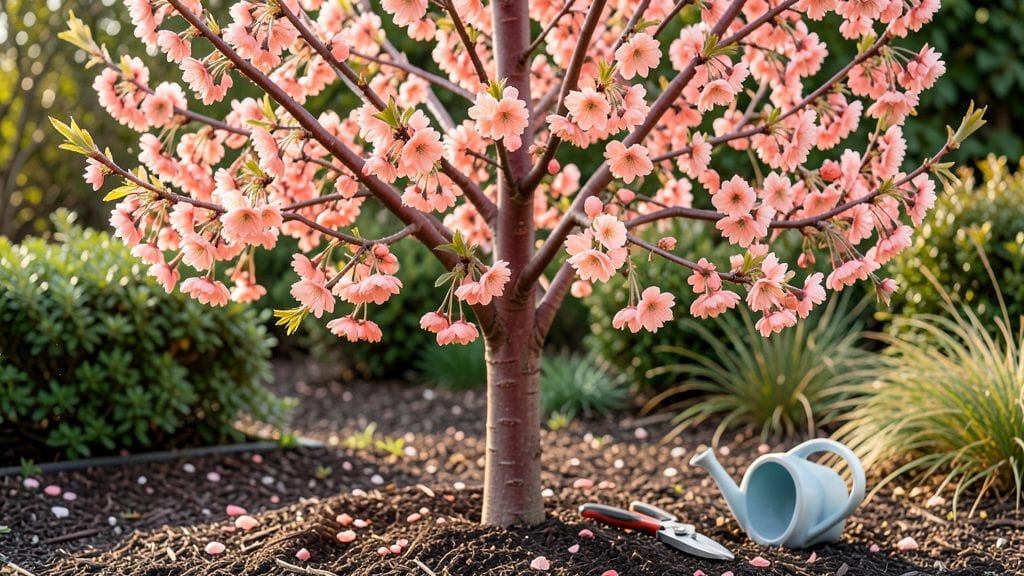
The Corinthian Pink flowering peach tree transforms any yard into a soft pink dream with its abundant, fragrant blooms. 🌸 I planted mine three years ago after seeing how its delicate flowers outlasted regular peaches—now it’s the star of my spring garden, blooming so heavily I swear bees never leave.
The key to keeping it this stunning? Pruning at the right times, which is where most gardeners trip up.
This variety thrives with full sun and well-draining soil, but its real secret is timing: prune in late winter before buds swell, then do a light cleanup after flowering. Most people over-prune, which stresses the tree and reduces blooms—my first year, I cut too much and got half the flowers.
The right approach keeps branches strong while encouraging next year’s blossoms.
By summer, you’ll have a tree covered in blossoms that last weeks longer than standard peaches, plus sweet-tart fruit if you let some set. The fragrance alone makes it worth the effort, and with proper care, it stays productive for decades. Let’s get your tree looking this good—here’s exactly how.
Works in zones 5-9 and handles heat better than most flowering peaches. Even in small yards, this tree delivers maximum impact with minimal fuss. Ready to make yours the neighborhood showstopper?
📚 In This Guide
- What you need
- Instructions
- Tips and common mistakes
- Wrapping up and next steps
What you need
- ● Pruning Shears: Bypass pruners (sharp, clean, and disinfected with rubbing alcohol). Spec: 5-7" blade length, ergonomic grip.
- ● Loppers: For thicker branches (1-2" diameter). Spec: 8-12" cutting capacity, ratcheting or bypass type.
- ● Pruning Saw: For stubborn, woody branches (>2" diameter). Spec: Curved blade for clean cuts.
- ● Gloves: Heavy-duty gardening gloves (cut-resistant, long sleeves preferred).
- ● Disinfectant: 70% isopropyl alcohol or 10% bleach solution (1 part bleach to 9 parts water).
- ○ Pruning Sealer: Optional but recommended for large cuts (>½" diameter). Spec: Tree wound paint or pruning paste.
- ● Ladder or Step Stool: Sturdy, non-slip, and tall enough to reach the tree’s canopy.
- ● Trash Bags: Heavy-duty (20-gallon size) for debris cleanup.
- ● Safety Gear: Safety glasses and long pants to protect against debris or sap.
- ● Weather Check: Prune on a dry, calm day (avoid wind or rain). Ideal temps: 50–75°F.
- ● Tree Knowledge: Identify dead, diseased, or crossing branches before starting. Pro tip: Snap a photo of the tree beforehand!
- ● Cleanup Supplies: Rake or broom for fine debris, and a bucket of water to rinse tools.
- ● Pruning Guide: Printed or digital blueprint of your tree’s structure (sketch or app like iTree).
- ● Extension Pole: For high branches (attachable to loppers or shears).
- ● Hand Saw: Backup for the pruning saw if working with very thick branches.
- ● Tree Food: Organic fertilizer (e.g., 10-10-10) to apply post-pruning for recovery.
Instructions for pruning a corinthian pink flowering Peach tree
Here's how to keep your tree blooming beautifully while staying healthy—no guesswork, just clear steps.
✂️ Step 1: Prune in Late Winter Before Bud Break
Timing matters most for flowering trees. Wait until late winter when the tree is still dormant, but just before buds start swelling. This is usually February to early March in most climates. I always check for the first tiny buds—when they're still closed but visible, that's your cue. Prune too early and you risk winter damage; too late and you cut off next season's blooms.
Grab your pruning shears and start by removing any dead, diseased, or crossing branches. These are easy to spot—they're brown, brittle, or growing inward toward the center. Cut them back to the main trunk or a healthy outward-growing branch. This opens up the canopy and lets sunlight reach the center where future blooms will form.
✂️ Step 2: Thin Out Overcrowded Branches
Next, focus on thinning the branches to improve airflow and light penetration. Look for branches that are growing too close together or rubbing against each other. You want to keep the strongest, most vigorous branches that are evenly spaced. I like to leave about 6-8 inches between branches to prevent future crowding.
When thinning, make your cuts just outside the branch collar—the swollen area where the branch meets the trunk. Avoid leaving stubs, as they can invite disease. If a branch is larger than ½ inch thick, use your pruning saw instead of shears. This step ensures your tree has room to grow and produces more abundant blooms.
✂️ Step 3: Shape for Balance and Airflow
Now it's time to shape the tree. Step back and visualize the tree's natural form. You want a balanced, open center that lets sunlight reach all branches. Start by removing any branches that are growing straight upward—these rarely produce flowers and can make the tree top-heavy. Instead, encourage outward and slightly upward growth for a fuller, more blooming-friendly shape.
For larger branches, make sure your cuts are clean and angled slightly away from the branch collar. This helps water run off and prevents rot. If you're unsure about a cut, take your time—it's better to leave a branch than to make a mistake. A well-shaped tree will reward you with more vibrant blooms and fewer pests.
✂️ Step 4: Light Prune After Blooming Season
After the tree finishes blooming in spring, do a light pruning to maintain its shape and encourage new growth. Remove any dead flowers or fruit if they appear—this redirects the tree's energy toward producing more blooms next year. Focus on trimming back any branches that grew too long or look leggy during the blooming season.
This is also a good time to check for any new branches that might be growing in the wrong direction. Lightly prune them to maintain the shape you established earlier. Avoid heavy pruning now, as it can stress the tree and reduce next year's blooms. Think of this as a quick tune-up rather than a major overhaul.
🪴 Step 5: Clean Up and Monitor for Health
Once you've finished pruning, clean up all the debris from the ground. This helps prevent pests and diseases from taking hold. I like to sterilize my pruning tools with rubbing alcohol between cuts to keep everything clean. After pruning, give your tree a good drink of water to help it recover and settle into its new shape.
Keep an eye on the tree over the next few weeks. Look for any signs of stress, like yellowing leaves or unusual spots. If you notice anything, address it quickly—early intervention is key. With proper pruning, your Corinthian Pink flowering peach tree should reward you with stunning blooms year after year and stay healthy for decades.
Tips & tricks for pruning a corinthian pink flowering Peach tree
Between us, these small adjustments make all the difference between a tree that just survives and one that thrives with stunning blooms.
Timing is Everything: That February-to-early-March window is your sweet spot. I learned this the hard way—pruning too early can expose the tree to late winter frosts, while waiting too long risks cutting off next year's flower buds. Check for those first tiny, closed buds as your visual cue. If you're in a warmer climate where buds swell earlier, adjust accordingly, but never prune when buds are already open.
Branch Collar Matters: When making cuts in Steps 2 and 3, focus on cutting just outside the branch collar—the swollen area where the branch meets the trunk. This is where healing tissues form. I've seen so many trees develop cankers from cuts that leave stubs or damage the collar. For branches larger than ½ inch, use your pruning saw to make clean cuts that heal properly. Think of it as giving your tree a clean surgical cut rather than a jagged wound.
Visualize the Canopy: Step back frequently during Step 3 to visualize the tree's shape. You're not just pruning branches—you're sculpting a framework that will support abundant blooms. Aim for an open center that lets sunlight reach all branches. I like to imagine looking at the tree from above—you should see sunlight streaming through the center like rays. This open structure also prevents fungal issues by improving airflow.
Tool Maintenance is Critical: After every cut in Step 5, sterilize your tools with rubbing alcohol. I've seen pruning tools spread bacterial cankers between cuts, turning a healthy tree into a sick one. Keep your shears sharp too—dull blades crush branches instead of making clean cuts. A little maintenance goes a long way in preventing disease.
Pro Tips for Corinthian Pink Flowering Peach Tree
- Between us, these small adjustments make all the difference between a tree that just survives and one that thrives with stunning blooms.
- Timing is Everything: That February-to-early-March window is your sweet spot.
- Branch Collar Matters: When making cuts in Steps 2 and 3, focus on cutting just outside the branch collar—the swollen area where the branch meets the trunk.
Frequently asked questions
Got questions about keeping your Corinthian Pink Flowering Peach Tree thriving with stunning blooms? Here are some of the most common queries—plus quick, actionable answers to keep your tree happy year-round.
When is the best time to prune my Corinthian Pink Flowering Peach Tree for maximum blooms?
Prune your tree late winter to early spring (just before buds swell) to encourage vibrant pink blooms. Avoid pruning in fall or after heavy flowering—this can stimulate new growth that won’t survive winter. Pro tip: If you must prune in summer, do so after the first flush of flowers to protect next year’s bloom potential.
Can I prune my peach tree too much? What are the signs?
Yes! Over-pruning weakens the tree, reduces blooms, and stresses it. Signs you’ve gone overboard:
- Excessive water sprouts (thin, fast-growing shoots)
- Fewer or smaller flowers the following season
- Yellowing leaves or stunted growth
How do I protect my peach tree from frost damage after pruning?
Peach trees are frost-sensitive, especially after winter pruning. Take these steps:
- Apply a light mulch layer (2–3 inches) around the base to insulate roots.
- Use frost cloth on young trees or new growth during late frosts.
- Avoid pruning too early—wait until frost danger has passed in your zone.
Will pruning my flowering peach tree affect fruit production?
If you’re growing this tree for ornamental blooms (not fruit), pruning focuses on shape and flower density. However, if your tree produces peaches, prune strategically:
- Remove water sprouts (vertical shoots) to redirect energy to fruit-bearing branches.
- Thin out crossing or inward-growing branches to improve airflow (reduces disease).
- Avoid heavy pruning in fruit-bearing years—balance bloom stimulation with fruit support.
What’s a good alternative if my peach tree isn’t thriving after pruning?
If your Corinthian Pink struggles despite proper pruning, consider these low-maintenance alternatives with similar pink blooms:
- Japanese Flowering Cherry (Prunus serrulata) – Cold-hardy, disease-resistant, and stunning in spring.
- Cloudberry (Rubus chamaemorus) – Hardy, edible berries, and delicate pink-white flowers.
- Dwarf Peach (Prunus persica ‘Bonanza’) – Compact, fruit-bearing, and easier to manage.
Wrapping up and next steps
Your Corinthian Pink Flowering Peach Tree is now primed for stunning blooms and long-term health with these pruning strategies! By mastering seasonal cuts, disease prevention, and structural care, you’ll enjoy vibrant pink flowers year after year. Remember: patience and precision are key—your tree will thank you with breathtaking results!
Ready to take the next step? Mark your calendar for your first pruning session this fall or winter, and keep a pruning journal to track progress. Happy gardening—your tree’s future beauty starts with you! 🌸✂️