
Flowers
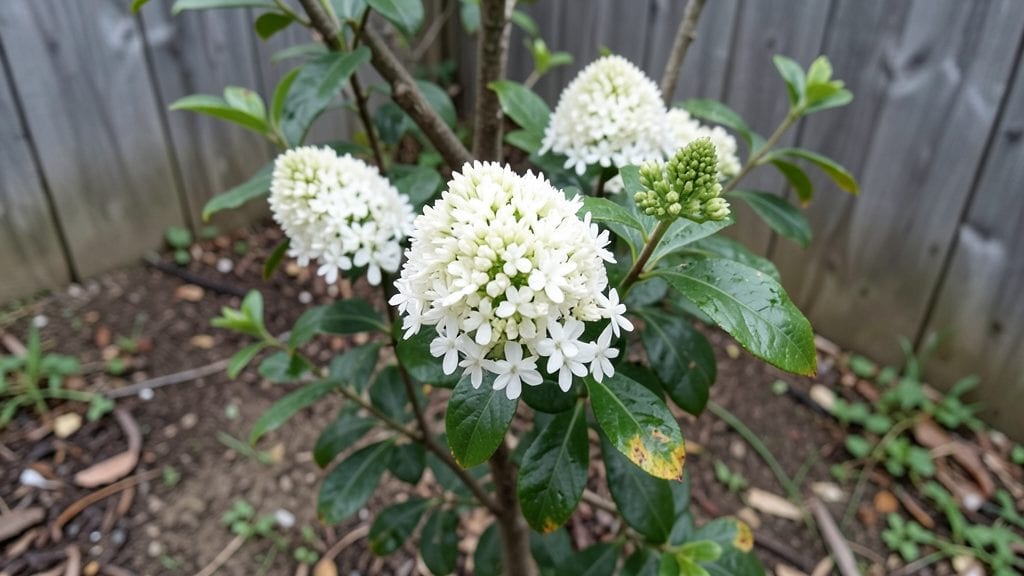
Those fragrant white clusters of common privet flowers are the quiet stars of my low-maintenance shrubs, blooming reliably year after year with almost no fuss. 🌿 The delicate four-petaled blooms appear in late spring, filling the air with a sweet, honey-like scent that hummingbirds adore—though they’re not showy like roses, they make up for it with effortless charm.
My first privet bush still stands where I planted it 10 years ago, proving this plant’s resilience in even less-than-ideal conditions.
Privets thrive in full sun to partial shade and tolerate almost any soil, from heavy clay to sandy loam—just avoid waterlogged spots. They grow 10 to 15 feet tall, making them perfect for hedges, privacy screens, or foundation plantings, though they’ll stay smaller in containers if pruned back.
The dark green, glossy leaves stay dense year-round, and the plant rarely needs more than an annual trim to shape it or encourage bushier growth.
Once established, privets need very little care beyond occasional watering during droughts and an annual feeding in early spring. The flowers attract pollinators, and the berries that follow provide food for birds—though they’re not edible for humans.
A light pruning after flowering keeps the plant tidy and encourages next year’s blooms without stressing the plant.
If you’ve struggled with high-maintenance shrubs, privets are the answer: drought-tolerant, pest-resistant, and happy in urban or rural settings alike. They’re also deer-resistant, which is a bonus where I live. Ready to add a no-fuss, fragrant shrub to your landscape?
📚 In This Guide
- What you need
- Instructions
- Tips and common mistakes
- Wrapping up and next steps
What you need
- ● Privet plants: 1–3 nursery-grown Ligustrum vulgare shrubs (3–5 ft tall, 1–2 gallons in container)
- ● OR seeds (collect from ripe berries in fall or buy from specialty seed suppliers)
- ● Soil: 50 lbs well-draining potting mix (for containers) OR amended garden soil (sandy loam + compost, 1:1 ratio)
- ● 1 lb slow-release fertilizer (10-10-10 or 5-10-5 NPK ratio)
- ● Planting tools: 1 trowel (6–8 inches)
- ● 1 hand pruners (bypass-style for clean cuts)
- ● 1 garden fork (for loosening soil)
- ○ Optional but helpful: Mulch (2–3 inches of pine bark or shredded leaves)
- ● Drip irrigation kit (for consistent moisture)
- ● Garden gloves (to protect hands from thorns)
- ● Stakes + twine (if supporting young plants)
- ● Prerequisites: Sunny spot (full sun to partial shade, 6+ hours/day)
- ● USDA Hardiness Zones 3–9 (check your local climate!)
- ● Patience! Privet grows slowly but thrives with minimal fuss. 🐢
How to grow fragrant common privet flowers with minimal effort
Skip the fuss—privet thrives with basic care and rewards you with fragrant clusters.
🌱 Step 1: Choose the Right Location and Planting Time
Privet loves sunlight but tolerates partial shade—plant in a spot with at least 4-6 hours of sun daily. I always plant in early spring, just as new growth begins, because the roots establish faster when temperatures are mild. Dig a hole twice as wide as the root ball but no deeper—this encourages outward root spread, which privet loves.
Loosen the soil at the bottom of the hole with your fingers to remove any compacted layers. Privet handles most soil types but thrives best in well-draining loam. If your soil feels heavy or clay-like, mix in a handful of compost to improve drainage. The key is avoiding soggy roots—privet hates sitting in water.
☀️ Step 2: Position for Optimal Sunlight and Airflow
Privet grows best in full sun to partial shade, but here's the thing—too much shade reduces flowering. Place your plant where it gets morning sun and afternoon dappled light if your yard is shady. I like positioning it near a fence or wall, where it can lean slightly without blocking airflow.
Privet needs good airflow to prevent fungal issues, especially in humid climates. If planting near other shrubs, leave 3-4 feet of space between plants. You'll see the difference in growth—privet with proper airflow stays bushier and flowers more prolifically than crowded plants.
💧 Step 3: Water Deeply and Establish a Routine
Water privet deeply once a week during the first growing season to encourage deep root growth. Stick your finger 2 inches into the soil—if it feels dry, water again. Overwatering is the biggest mistake beginners make; privet’s roots rot quickly in soggy soil.
Once established (after 1-2 years), privet becomes drought-tolerant. You’ll know it’s settled when new growth appears without wilting after a week without rain. At this point, water only when the soil feels bone-dry to the touch. Privet’s thick leaves store moisture, so it’s surprisingly resilient.
✂️ Step 4: Prune for Shape and Encourage More Flowers
Privet thrives with minimal pruning—just shape it in late winter or early spring before new growth starts. Cut back overgrown branches by one-third to maintain a compact form. I always use clean, sharp shears to avoid tearing the bark, which can invite disease.
To boost flowering, prune right after the plant finishes blooming in summer. This encourages fresh growth that will flower again next season. Never prune in fall—new growth won’t harden off before winter, and it’ll die back. You’ll see more abundant blooms within a year if you stick to this timing.
🌿 Step 5: Fertilize Lightly and Watch for Pests
Privet doesn’t need much fertilizer—just a light application of balanced 10-10-10 in early spring. Sprinkle it around the base, then water deeply to help it soak into the soil. Too much fertilizer leads to leafy growth at the expense of flowers, so keep it minimal.
Watch for spider mites or scale insects, which love privet’s glossy leaves. I spray with neem oil if I spot any pests—it’s organic and effective. A strong blast of water from the hose usually clears most infestations before they take hold. Healthy privet rarely has pest problems, so focus on proper watering and airflow first.
Tips & tricks for growing fragrant common privet flowers
Here's what I've learned after growing privet for years—these simple tricks make all the difference for healthy, fragrant blooms.
Location is Everything: While privet tolerates partial shade, I've found that plants in morning sun with afternoon shade produce the most abundant flowers. The morning sun gives them energy for blooming, while afternoon shade prevents stress in hot climates. If your yard is shady, position it where it gets the most direct light possible—even just a few hours makes a difference.
Root Ball Strategy: When planting, don't be afraid to dig that hole twice as wide as the root ball—this encourages roots to spread outward rather than stay compact. I've seen privet plants with shallow root systems struggle in heavy soil, while those with wider root spreads thrive. After planting, water deeply to help roots establish in their new space.
Watering Wisdom: The 2-inch soil test is your best friend. I've ruined several privet plants by overwatering—stick your finger in the soil and only water when it's dry at that depth. In the first year, deep watering once a week is perfect, but after 1-2 years, you can reduce to watering only when soil feels bone-dry. This drought tolerance is one of privet's best features!
Pruning for Perfection: Timing matters when pruning to boost flowers. I always prune in late winter/early spring to shape the plant, then do a second light pruning right after blooming in summer. This two-step approach gives you both shape control and maximum flowering potential. And remember—never prune in fall, as new growth won't harden off before winter.
Pro Tips for Common Privet Flowers
- Here's what I've learned after growing privet for years—these simple tricks make all the difference for healthy, fragrant blooms.
- Location is Everything: While privet tolerates partial shade, I've found that plants in morning sun with afternoon shade produce the most abundant flowers.
- Root Ball Strategy: When planting, don't be afraid to dig that hole twice as wide as the root ball—this encourages roots to spread outward rather than stay compact.
Frequently asked questions
about growing common privet flowers—because even the hardiest blooms need a little extra love! Here’s what you’ve been wondering:Do common privet flowers attract bees or butterflies?
Their fragrant, small white or pale pink blooms are a magnet for pollinators like bees, butterflies, and even hummingbirds. Planting privet supports local ecosystems—just avoid over-pruning to keep flowers abundant.
How long does it take for privet flowers to bloom after planting?
Patience pays off! Mature privet shrubs (3–5 years old) typically bloom in late spring to early summer. Younger plants may take 1–2 seasons to flower, but they reward you with low-maintenance fragrance for decades.
Can I grow common privet flowers in containers?
Yes, but with care. Use a large pot (15+ gallons) with drainage holes and well-draining soil. Privet thrives in containers for small spaces, but expect slower growth and fewer flowers than in-ground plants. Prune lightly to encourage bushiness!
Why aren’t my privet flowers opening?
Check these culprits:
- Late frost: Privet blooms need warm weather (60°F+). Protect young buds with frost cloth.
- Too much shade: Plant in full sun (6+ hours/day) for vibrant blooms.
- Over/under-watering: Keep soil consistently moist but not soggy.
What’s a good alternative if I want fragrant flowers with less upkeep?
Try these privet-like options:
Plant
Fragrance
Care Level
Lilac (Syringa)
Sweet, intoxicating
Moderate (needs pruning)
Mock Orange (Philadelphus)
Citrusy, strong
Low (drought-tolerant)
Daphne (Daphne odora)
Winter-spring blooms
Moderate (acidic soil)
Wrapping up and next steps
Growing common privet flowers is a rewarding way to add fragrant beauty to your garden with minimal effort! These hardy plants thrive in various conditions, offering easy-care elegance and year-round interest.
Whether you’re a beginner or a seasoned gardener, their resilience and low-maintenance needs make them a perfect choice for any outdoor space.
Ready to transform your yard? Start by selecting the right variety and giving your privet the ideal spot—then enjoy the sweet rewards of blooming success! 🌸