
Succulent
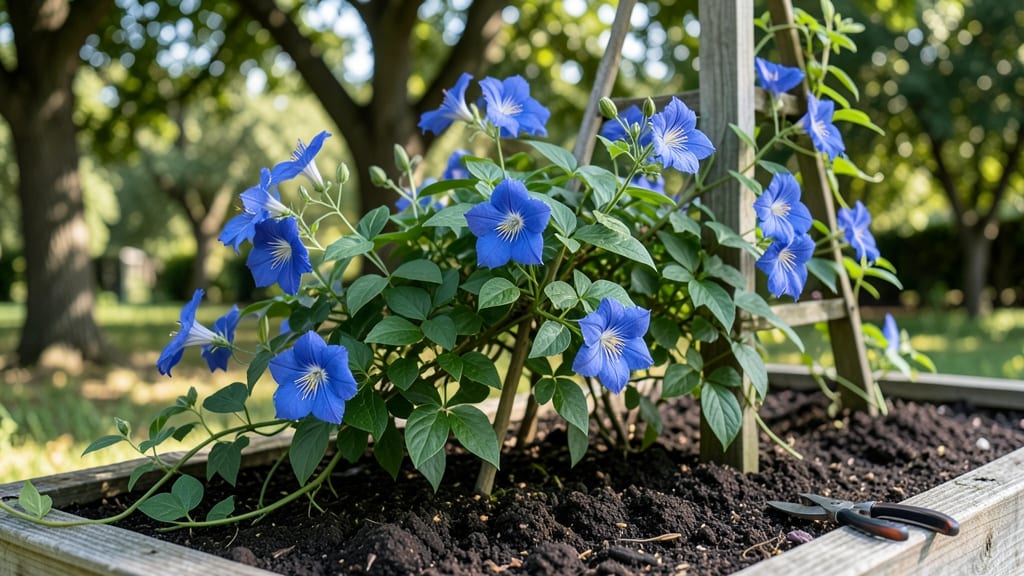
Blue flowered clematis transforms any garden into a painter's canvas with its striking cobalt blooms that dance from spring through fall. 🌿 I’ve watched mine climb a rusted metal trellis in my backyard, turning an ordinary fence into a vertical watercolor—something my neighbors now stop to admire every time they walk by.
The secret isn’t just the plant itself, but how you pair it with the right structures and companions to create a scene that feels both wild and intentional.
Start with a sturdy trellis or arbor—think wrought iron, bamboo, or even a simple wooden lattice—because these vines can grow 10 to 15 feet in a single season. Pair them with silvery foliage like lamb’s ear or dusty miller to make those blue blooms pop against a textured backdrop.
For a softer look, tuck them near lavender or catmint, where their fragrance and color harmonize effortlessly. The key is balancing height with texture, so your clematis doesn’t just climb—it performs.
By midsummer, you’ll have a showstopper that keeps giving: early spring blooms, a lush green canopy in summer, and late-season flowers that catch the golden light of fall. The best part? You can train them to spill over container edges, weave through borders, or even cascade down a pergola.
It’s the kind of plant that makes your garden feel like a curated masterpiece without requiring a green thumb—just a little vision.
Works in full sun to partial shade, so don’t let light concerns hold you back. Whether you’re going for cottage charm, modern minimalism, or a wildflower meadow vibe, blue clematis adapts. Here’s how to make it work in your space—no two gardens will look the same.
📚 In This Guide
- What you need
- Instructions
- Tips and common mistakes
- Wrapping up and next steps
What you need
- ● Blue-flowered clematis plants: 1–3 mature vines (for quick blooms) or
- ● Seeds (if starting from scratch—germination can take 30–60 days!).
- ● Support structure: Trellis, arbor, or sturdy fence (6–10 ft tall, depending on variety).
- ● Twine or garden ties (for securing young vines).
- ● Soil amendments: Compost or well-rotted manure (1–2 gallons per planting hole).
- ○ Bone meal or slow-release fertilizer (optional, for nutrient boost).
- ● Mulch: 2–3 inches of organic mulch (e.g., shredded bark or straw).
- ● Garden trowel or spade (for digging).
- ● Pruning shears (sterilized with rubbing alcohol).
- ● Watering can or hose with a gentle spray nozzle.
- ● Gloves (to protect hands from thorns!).
- ○ Optional: Soil pH tester (ideal range: 6.0–7.0).
- ● Sunlight: 6+ hours of direct sun daily (morning sun + afternoon shade in hot climates).
- ● Spacious spot: Minimum 3–5 ft of ground clearance for root spread.
- ● Well-draining soil: Amend heavy clay with perlite or sand if needed.
- ● Pro tip: Clematis thrives near deeper-rooted plants (like shrubs) for shade at the base! 💡
Step-by-step guide to planting and caring for blue flowered clematis
Here's how to grow these stunning vines with minimal fuss and maximum impact.
🌱 Step 1: Choose the Perfect Planting Location
Clematis thrives in bright, indirect light—at least 6 hours of morning sun daily. I always plant mine against a north or east-facing wall to protect delicate blooms from harsh afternoon rays. The roots need cool, moist soil, but the top growth benefits from warmth, so I use a rock or mulch mound at the base to keep the crown slightly elevated.
Dig a hole twice as wide as the root ball but only as deep—this prevents the crown from sitting too low and rotting. If your soil drains poorly, mix in 2 inches of coarse sand or perlite from your materials to improve aeration. The key is keeping those roots happy while giving the vines room to climb.
☀️ Step 2: Plant with Support and Mulch
Install your trellis, arbor, or obelisk before planting—clematis vines grow fast and need immediate support. I use 4-foot tall metal arbors for my blue varieties because they hold weight well and won’t sag under heavy blooms. Position the support right next to the planting hole so the vine can reach it immediately after transplanting.
Backfill the hole with the amended potting mix, gently pressing down to remove air pockets. Water deeply until moisture reaches 6 inches down, then add a 3-inch layer of mulch around the base (but keep it 2 inches away from the stem). This conserves moisture and regulates soil temperature—critical for blue clematis, which can struggle in heat.
💧 Step 3: Water Deeply and Fertilize for Vibrant Blooms
Water twice weekly for the first month, aiming for 1 gallon per plant each time. Let the top 2 inches of soil dry between waterings—overhead watering can cause fungal issues, so I use a soaker hose at the base. Blue clematis needs consistent moisture but hates soggy roots, so I check soil with my finger before watering.
After the first flush of blooms, apply the balanced fertilizer every 6 weeks during growing season. I mix it into the top inch of soil and water thoroughly to activate it. Stop fertilizing 8 weeks before first frost—this encourages the plant to harden off for winter. You’ll notice richer blue blooms and stronger vines within a month of consistent feeding.
✂️ Step 4: Prune for Season-Long Blooms
Blue clematis falls into Group 2 pruning—cut back last year’s growth to 2-3 strong buds in early spring (just as new shoots emerge). I always prune after the frost risk passes but before leaves appear. Use clean, sharp shears and make cuts at a 45-degree angle just above a bud to encourage outward growth.
Throughout the season, remove spent blooms by cutting the stem just above the next set of leaves. This redirects energy to new flowers instead of seed production. In late fall, trim back any dead or weak stems but leave healthy growth intact for next year. The goal is to keep the plant open and airy—crowded stems lead to fewer blooms.
🌿 Step 5: Overwinter for Next Year’s Display
Once temperatures drop below 40°F, reduce watering to once every 2 weeks unless the soil is bone-dry. Wrap the base of the plant in burlap or frost cloth to protect the crown, but leave the top uncovered—this mimics natural winter conditions. I also add an extra 2-inch layer of mulch around the base for insulation.
In early spring, remove the winter wrap as soon as shoots appear. Resume watering when you see new growth, and apply a slow-release fertilizer to jumpstart the season. The first flush of blue blooms usually arrives 6-8 weeks after pruning, so plan your planting timing accordingly for a summer-long show.
Tips & tricks for perfect blue flowered clematis growth
Here's what I've learned after years of growing these stunning blue beauties—simple secrets that make all the difference.
Lighting Strategy: That 6 hours of morning sun is non-negotiable for vibrant blue blooms. I've found that positioning your clematis against a north-facing wall creates the perfect balance—it gets gentle morning light while avoiding harsh afternoon sun that can scorch delicate petals. If you only have south-facing space, use a sheer curtain during peak afternoon hours (around 1-4pm) to diffuse the intensity. The goal is to keep those blue flowers looking fresh, not faded.
Soil Science: The trick with clematis roots is keeping them cool and moist, but never soggy. I always mix 2 inches of coarse sand into the planting hole if my soil drains poorly—this prevents root rot while still allowing oxygen to reach those roots. Pro tip: Test your soil's moisture by sticking your finger 2 inches down; if it's dry, water deeply. If it's still damp after 24 hours, you're overwatering.
Pruning Precision: Those 2-3 strong buds you're cutting back to in early spring are everything. I've ruined a few batches by pruning too early or too late—always wait until you see green shoots emerging but before the buds actually open. And here's a secret: Make your cuts at a 45-degree angle just above a bud. This little detail encourages outward growth, giving you more blooms on the outside of the plant where you can see them.
Winter Protection: When temperatures drop below 40°F, I've learned that protecting the crown is crucial. Wrap the base with burlap or frost cloth but leave the top uncovered—this mimics natural winter conditions where the crown stays protected while the top can handle some cold. The extra 2-inch layer of mulch I add acts like a blanket, insulating the roots while still allowing moisture to escape. This simple step has saved my plants from winter damage every single year.
Pro Tips for Blue Flowered Clematis
- Here's what I've learned after years of growing these stunning blue beauties—simple secrets that make all the difference.
- Lighting Strategy: That 6 hours of morning sun is non-negotiable for vibrant blue blooms.
- Soil Science: The trick with clematis roots is keeping them cool and moist, but never soggy.
Frequently asked questions
How do I encourage more blooms on my blue clematis?
Prune strategically! For blue-flowered clematis (like Clematis ‘Jackmanii’ or ‘Perle d’Azur’), cut back dead or weak stems in early spring and trim last year’s growth by 1/3 after the first flush of blooms. Avoid heavy pruning in fall—it can reduce next year’s flowers. Pro tip: Feed with a high-phosphorus fertilizer in early spring to boost flowering!
Can blue clematis survive harsh winters?
Most blue-flowered clematis are hardy to USDA Zones 4-9, but young plants or tender varieties need winter protection. Mulch the base with 4-6 inches of organic mulch (like shredded bark) and wrap the stems with burlap or frost cloth if temps drop below 10°F. Never mulch too early—wait until the ground freezes to avoid rot.
What’s the best way to train a blue clematis to climb?
Use a strong trellis, arbor, or fence (avoid weak supports like twigs—they’ll snap!). Gently tie stems to the structure with soft plant ties or twine, spacing them every 6-12 inches. Blue clematis vines are woody and heavy, so secure them well! For a lush look, weave vines through the support like a lattice. No climbing? Try dwarf varieties like ‘Blue Angel’ for containers.
Why are my clematis leaves turning yellow or dropping?
Yellow leaves often signal overwatering, poor drainage, or clematis wilt (a fungal disease). Check the soil—it should be moist but not soggy. If wilt is the issue, prune infected stems and avoid overhead watering. Yellowing at the base? It could be root rot—improve drainage and reduce watering. Pro tip: Never let clematis sit in wet soil!
Are there blue clematis alternatives for smaller spaces?
If space is tight, opt for compact or dwarf varieties like:
- ‘Blue Dancer’ (3-5 ft, early blooms)
- ‘Perle d’Azur’ (5-6 ft, repeat bloomer)
- ‘Jackmanii’ (miniature forms) (grafted onto dwarf rootstock)
For containers, choose ‘Blue Angel’ or ‘Niobe’—both thrive in pots with well-draining soil and regular pruning. Bonus: Pair with dwarf roses or lavender for a stunning combo!
Wrapping up and next steps
Blue flowered clematis isn’t just a plant—it’s a vibrant statement for any garden, offering season-long beauty with minimal fuss. Whether you’re a seasoned gardener or a curious beginner, these stunning climbers bring color, texture, and charm to walls, trellises, or arbors.
Ready to transform your space? Start by choosing your variety and dive into planting—your garden’s next masterpiece is just a few steps away! 🌸